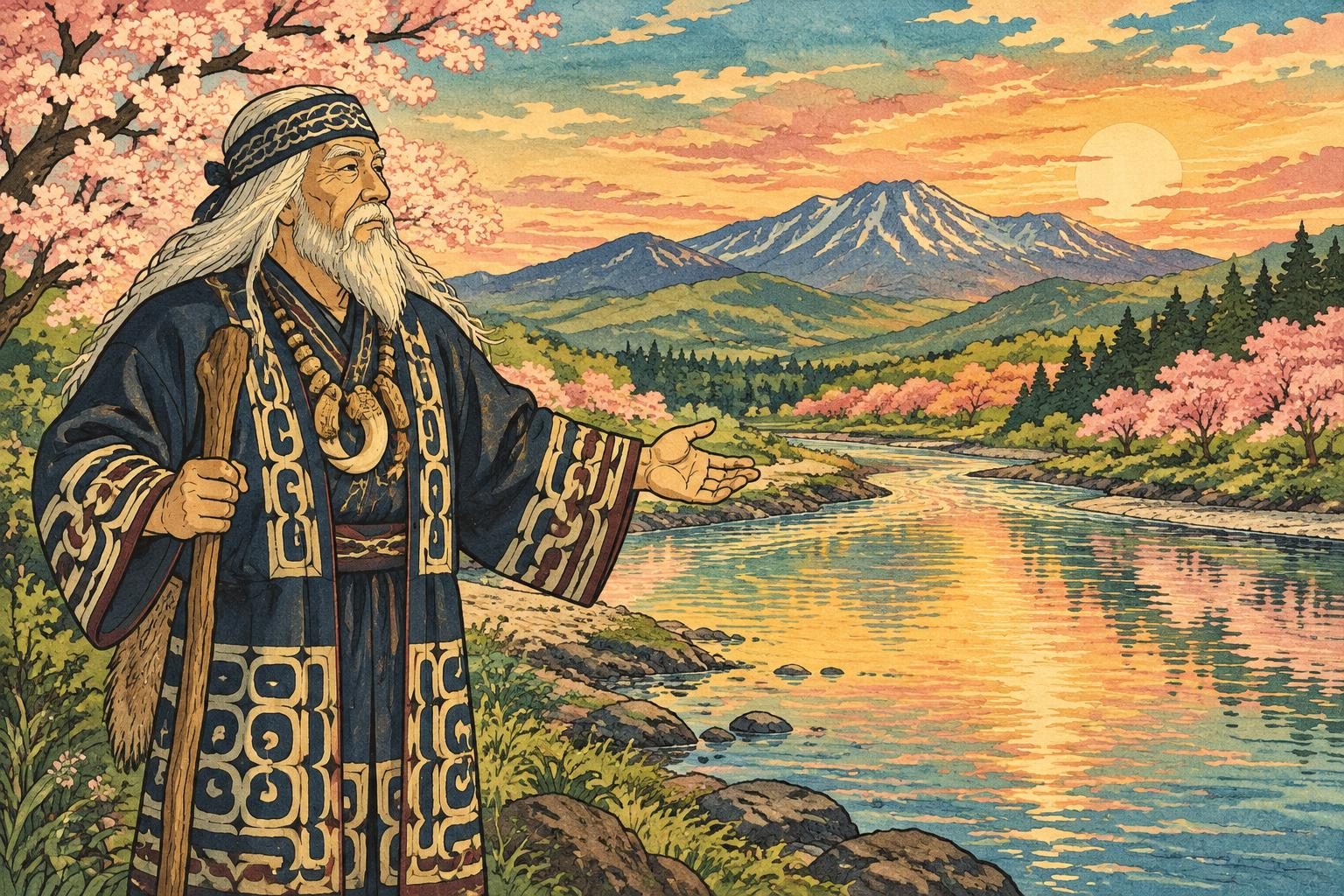
Hokkaido, Japan’s northernmost island, offers a rich tapestry of history that spans from its geological formation to its development during the Meiji era. In Sapporo, Hokkaido Prefecture, these layers of history are vividly illustrated through both natural formations and cultural landmarks.

Geological Birth: The Collision That Shaped Hokkaido and the Ishikari Plain
FACT: Formation of Hokkaido’s Landscape
The geological formation of Hokkaido dates back approximately 40 million years. This was a time when the Old Okhotsk Land and Old West Land collided, resulting in the uplift of the Hidaka mountain range and the creation of the Ishikari Plain. This monumental event laid the foundation for the diverse landscapes that characterize Hokkaido today.
Visitors to Sapporo can appreciate the remnants of this ancient collision in the form of the surrounding mountains and plains. The Hidaka range, in particular, remains a testament to the island’s dynamic geological history, offering a stunning backdrop to the modern cityscape. Hiking trails and scenic viewpoints allow visitors to immerse themselves in the natural beauty that was sculpted by these ancient forces. The Ishikari Plain, meanwhile, is a fertile area that has supported agriculture and settlement for centuries, highlighting the enduring impact of these geological processes.
Ancient Roots: Early Jomon Pottery and Indigenous Heritage
FACT: Jomon Pottery in Hokkaido
Approximately 13,000 years ago, pottery first appeared in Hokkaido at the Taisho 3 Site in Obihiro. This development coincided with the Incipient Jōmon period and was likely introduced by migrants from Honshu. The discovery of these ancient artifacts provides valuable insight into the early human history of the region and the cultural exchanges that took place across Japan.
These early Jomon artifacts highlight the long-standing human presence in Hokkaido and the island’s role as a cultural crossroads. Museums in the region, such as the Hokkaido Digital Museum, offer exhibitions that delve into this rich prehistoric heritage. These exhibitions provide an opportunity to see the intricate designs and craftsmanship of Jomon pottery, reflecting the artistic and functional aspects of these ancient creations. The pottery’s distinctive patterns and forms reveal much about the daily lives, beliefs, and artistic expressions of the Jomon people, making it a fascinating subject for both historians and casual visitors alike.


Etymology and Meaning: The Ainu Origins of the Name ‘Sapporo’
LEGEND: The Ainu Connection
According to local tradition, the name ‘Sapporo’ is derived from the Ainu language, reflecting the deep-rooted connection between the indigenous Ainu people and the land. The Ainu, who have lived in Hokkaido for centuries, have a rich cultural heritage that is intertwined with the island’s history.
While the exact etymology of ‘Sapporo’ remains a subject of debate, it is widely believed that the name is linked to the Ainu words for ‘dry, great river’ or ‘important river flowing through a plain.’ This interpretation underscores the significance of the region’s waterways in the lives of its early inhabitants. Visitors can explore Ainu culture further through local cultural centers and events that celebrate and preserve their traditions. These centers offer insights into the Ainu’s unique language, crafts, and ceremonies, providing a deeper understanding of their enduring legacy in Hokkaido.
Pioneering the North: The Kaitakushi and Meiji Modernization
FACT: Establishment of the Hokkaido Development Commission
In 1869, the Meiji government established the Hokkaido Development Commission, known as the Kaitakushi, to spearhead the development of Hokkaido. This initiative marked a pivotal moment in the island’s history, as it transitioned from a remote frontier to a key area of modernization and settlement.
The Kaitakushi’s efforts included the founding of Sapporo Agricultural College in 1876, which played a crucial role in introducing Western agricultural practices to Japan. This period of rapid development laid the groundwork for Sapporo’s emergence as a major urban center. Visitors interested in this transformative era can explore historical sites and museums that showcase the innovations and challenges of the time. The legacy of the Kaitakushi is evident in the city’s layout and infrastructure, which reflect the ambitious vision of its founders to create a thriving hub of industry and culture.


Icons of Growth: William S. Clark and the Red Brick Office Building
FACT: The Red Brick Office Building
The Red Brick Office Building, completed in 1888, stands as a symbol of Sapporo’s Meiji-era growth. Built on the site of the Kaitakushi headquarters, this Neo-Baroque structure is designated as a National Important Cultural Property and National Historic Site. It serves as a vivid reminder of the city’s transformation during this transformative period.
Visitors can explore the Former Hokkaido Government Office Building, often referred to as the ‘Red Brick Office,’ to learn more about the region’s development and the architectural legacy of the Meiji era. The building is conveniently located in Chūō-ku, Sapporo, and is accessible from JR Sapporo Station. Exhibits within the building offer insights into the political and economic strategies that shaped modern Hokkaido. The architecture itself, with its grand design and historical significance, provides a tangible connection to the past, inviting visitors to reflect on the ambitious spirit of the Meiji period.
Visiting Sapporo’s Historic Sites Today
Today, Sapporo offers a wealth of historical sites that reflect its layered past. From the geological wonders of the Hidaka mountains to the cultural landmarks of the Meiji era, the city invites visitors to explore its rich history. Walking tours and guided visits provide an immersive experience, allowing one to step back in time and witness the evolution of this vibrant region. These tours often include storytelling elements that bring the history to life, making the exploration both educational and engaging.
Nearby Guide
Access
- JR Sapporo Station (Sapporo) — Approximately 8 minutes on foot from the South Exit on the west side of JR Sapporo Station. official site
- Sapporo Station Subway Exit 10 (Sapporo) — Approximately 4 minutes on foot from Exit No. 10 of Sapporo Station on the Namboku and Toho subway lines. official site
- Odori Station Subway Exit 2 (Sapporo) — Approximately 9 minutes on foot from Exit No. 2 of Odori Station on the Namboku, Tohoku, and Toho subway lines. official site
Where to stay
- Hotel Keihan Sapporo (Sapporo) — A modern hotel located near Sapporo Station, offering comfortable accommodations and easy access to major attractions, including the Former Hokkaido Government Office Building. official site


Related on JAPAN ESSENCE: Susenoja Cave Toyohashi: Unveiling History and Legend | Dazaifu-Style Onigawara: Ancient Kyushu’s Fierce Architectural Guardians
Regional guide
Location: Sapporo, Hokkaido Prefecture
- Former Hokkaido Government Office Building (‘Red Brick Office’) (Sapporo) — source
Sources
- The Birth of Hokkaido – Hokkaido Digital Museum
- Paleolithic Culture and Jomon Culture – Hokkaido Digital Museum
- History of Development in Hokkaido |北海道開発局
- Site of the Hokkaido Development Commission Sapporo Head | Hokkaido | Explore Japan’s Cultural Heritage | National Treasures Database with Stories & Travel
- Former Hokkaido Government Office Building Access
- Hotel Keihan Sapporo
To explore further, visit Kawara Kobo (瓦工房) for a hands-on kawara experience and Zenkei (禅景) for Zen-inspired onigawara art.
日本最北の島、北海道は、その地質学的形成から明治時代の発展に至るまでの豊かな歴史を提供しています。札幌市、北海道では、これらの歴史の層が自然の形成物や文化的ランドマークを通じて鮮やかに描かれています。
地質学的誕生:北海道と石狩平野を形作った衝突
事実: 北海道の地形の形成
北海道の地質学的形成は約4000万年前に遡ります。この時期、古オホーツクランドと古西ランドが衝突し、日高山脈の隆起と石狩平野の形成が起こりました。この壮大な出来事が、今日の北海道を特徴づける多様な地形の基礎を築きました。
札幌を訪れる人々は、周囲の山々や平野の形でこの古代の衝突の痕跡を感じることができます。特に日高山脈は、島の動的な地質学的歴史の証として、現代の都市景観に美しい背景を提供しています。ハイキングコースや景勝地からは、これらの古代の力によって形作られた自然の美しさを堪能することができます。一方、石狩平野は、何世紀にもわたって農業と定住を支えてきた肥沃な地域であり、これらの地質学的プロセスの持続的な影響を強調しています。
古代のルーツ:縄文土器と先住民族の遺産
事実: 北海道の縄文土器
約13,000年前、北海道の帯広市の大正3遺跡で初めて土器が出現しました。この発展は、草創期縄文時代と一致し、本州からの移住者によってもたらされた可能性があります。これらの古代の遺物の発見は、地域の初期の人類史と日本全土で行われた文化交流について貴重な洞察を提供します。
これらの初期の縄文遺物は、北海道における長期にわたる人類の存在と、島が文化的交差点としての役割を果たしてきたことを強調しています。地域の博物館、例えば北海道デジタル博物館では、この豊かな先史時代の遺産を掘り下げた展示が行われています。これらの展示は、縄文土器の精巧なデザインと職人技を目にする機会を提供し、これらの古代の創造物の芸術的および機能的側面を反映しています。土器の独特な模様と形状は、縄文人の生活、信仰、芸術的表現について多くを語り、歴史家や一般の訪問者にとっても興味深いテーマとなっています。
語源と意味:アイヌに由来する「札幌」の名前
伝承: アイヌのつながり
地元の言い伝えによると、「札幌」という名前はアイヌ語に由来しており、先住民族アイヌの人々と土地との深い結びつきを反映しています。アイヌは何世紀にもわたって北海道に住んでおり、その豊かな文化遺産は島の歴史と密接に結びついています。
「札幌」の正確な語源は議論の余地がありますが、この名前は「乾いた大きな川」または「平野を流れる重要な川」というアイヌ語に関連していると広く信じられています。この解釈は、初期の住民の生活における地域の水路の重要性を強調しています。訪問者は、地元の文化センターやイベントを通じて、アイヌ文化をさらに探求し、その伝統を祝うことができます。これらのセンターは、アイヌの独自の言語、工芸品、儀式についての洞察を提供し、北海道における彼らの持続的な遺産をより深く理解する機会を提供します。
北を開拓する:開拓使と明治の近代化
事実: 北海道開拓使の設立
1869年、明治政府は北海道の開発を推進するために北海道開拓使を設立しました。この取り組みは、島が辺境の地から近代化と定住の重要な地域へと移行する際の重要な瞬間を示しました。
開拓使の努力には、1876年の札幌農学校の設立が含まれており、西洋の農業技術を日本に導入する上で重要な役割を果たしました。この急速な発展の時期は、札幌が主要な都市センターとして台頭するための基盤を築きました。この変革の時代に興味を持つ訪問者は、当時の革新と課題を展示する歴史的な場所や博物館を探索することができます。開拓使の遺産は、産業と文化の繁栄する拠点を創造しようとする創設者たちの野心的なビジョンを反映した都市のレイアウトとインフラに明らかです。
成長の象徴:ウィリアム・S・クラークと赤レンガ庁舎
事実: 赤レンガ庁舎
1888年に完成した赤レンガ庁舎は、札幌の明治時代の成長の象徴として立っています。開拓使本庁舎の跡地に建てられたこのネオバロック様式の建物は、国の重要文化財および国の史跡に指定されています。この建物は、この変革の時期における都市の変貌を鮮やかに思い起こさせます。
訪問者は、しばしば「赤レンガ庁舎」と呼ばれる旧北海道庁舎を探索し、地域の発展と明治時代の建築遺産について学ぶことができます。この建物は札幌市中央区に便利に位置しており、JR札幌駅からアクセス可能です。建物内の展示は、現代の北海道を形作った政治的および経済的戦略についての洞察を提供します。その壮大なデザインと歴史的な重要性を持つ建築は、過去との具体的なつながりを提供し、訪問者に明治時代の野心的な精神を反映させます。
今日の札幌の歴史的名所を訪れる
今日、札幌はその重層的な過去を反映した豊富な歴史的名所を提供しています。日高山脈の地質学的な驚異から明治時代の文化的ランドマークまで、都市はその豊かな歴史を探求するよう訪問者を招待しています。ウォーキングツアーやガイド付き訪問は、没入型の体験を提供し、この活気ある地域の進化を目撃するために時間を遡ることができます。これらのツアーには、歴史を生き生きとさせるストーリーテリング要素が含まれており、探索を教育的かつ魅力的なものにしています。
周辺ガイド
アクセス
- JR札幌駅(札幌) — JR札幌駅西側南口から徒歩約8分。 公式サイト
- 札幌駅地下鉄出口10(札幌) — 南北線と東豊線の札幌駅出口10から徒歩約4分。 公式サイト
- 大通駅地下鉄出口2(札幌) — 南北線、東北線、東豊線の大通駅出口2から徒歩約9分。 公式サイト
泊まる
- ホテル京阪札幌(札幌) — 札幌駅近くに位置するモダンなホテルで、旧北海道庁舎を含む主要な観光地へのアクセスが容易です。 公式サイト
Related on JAPAN ESSENCE: Susenoja Cave Toyohashi: Unveiling History and Legend | Dazaifu-Style Onigawara: Ancient Kyushu’s Fierce Architectural Guardians
地域ガイド
所在地:北海道札幌市
- 旧北海道庁舎(「赤レンガ庁舎」)(札幌) — 出典
Sources
- The Birth of Hokkaido – Hokkaido Digital Museum
- Paleolithic Culture and Jomon Culture – Hokkaido Digital Museum
- History of Development in Hokkaido |北海道開発局
- Site of the Hokkaido Development Commission Sapporo Head | Hokkaido | Explore Japan’s Cultural Heritage | National Treasures Database with Stories & Travel
- Former Hokkaido Government Office Building Access
- Hotel Keihan Sapporo
Leave a Reply