On the picturesque island of Miyajima in Hatsukaichi, Hiroshima Prefecture, a delightful confection known as momiji manju has captured the hearts of locals and visitors alike. This maple leaf-shaped cake, inspired by the stunning autumn foliage of Momijidani Park, is more than just a sweet treat; it is a symbol of the region’s cultural and natural beauty.

Introduction to Momiji Manju and Miyajima
FACT: The creation of momiji manju
Momiji manju was first created in 1906 by Takatsu Tsunesuke, a confectioner who supplied sweets to the Iwaso inn near Momijidani Park on Miyajima and took up the idea on the advice of Oman, a maid (nakai) at the inn. The idea was to create a confection that would reflect the beauty of the maple leaves that adorn the park, especially during the vibrant autumn season. This creation quickly became a beloved symbol of the area, known for its unique shape and delicious taste. The momiji manju’s design and flavor were crafted to capture the essence of the natural surroundings, making it a perfect souvenir for visitors to the island.
The Scenic Inspiration: Momijidani Park’s Autumn Maple Leaves
FACT: The beauty of Momijidani Park
Momijidani Park, located at the foot of Mount Misen behind the famous Itsukushima Shrine, is home to approximately 700 maple trees, including around 560 Iroha maples. This park is renowned for its breathtaking autumn foliage, which transforms the landscape into a sea of red and gold hues. Visitors to the park can stroll along picturesque paths, surrounded by the vibrant colors that have inspired artists and confectioners alike. It is this natural spectacle that inspired the creation of momiji manju, capturing the essence of the park’s beauty in a delectable form.
FACT: The park’s role in local culture
Momijidani Park is not only a place of natural beauty but also a significant cultural landmark. The park’s maple trees are celebrated each year during the Momiji Festival, where locals and tourists gather to appreciate the stunning autumn leaves. This festival highlights the deep connection between the region’s natural environment and its cultural traditions, with momiji manju serving as a delicious representation of this bond.

The Origins and Legend Behind Hiroshima’s Famous Sweet
LEGEND: The tale of the maple leaf inspiration
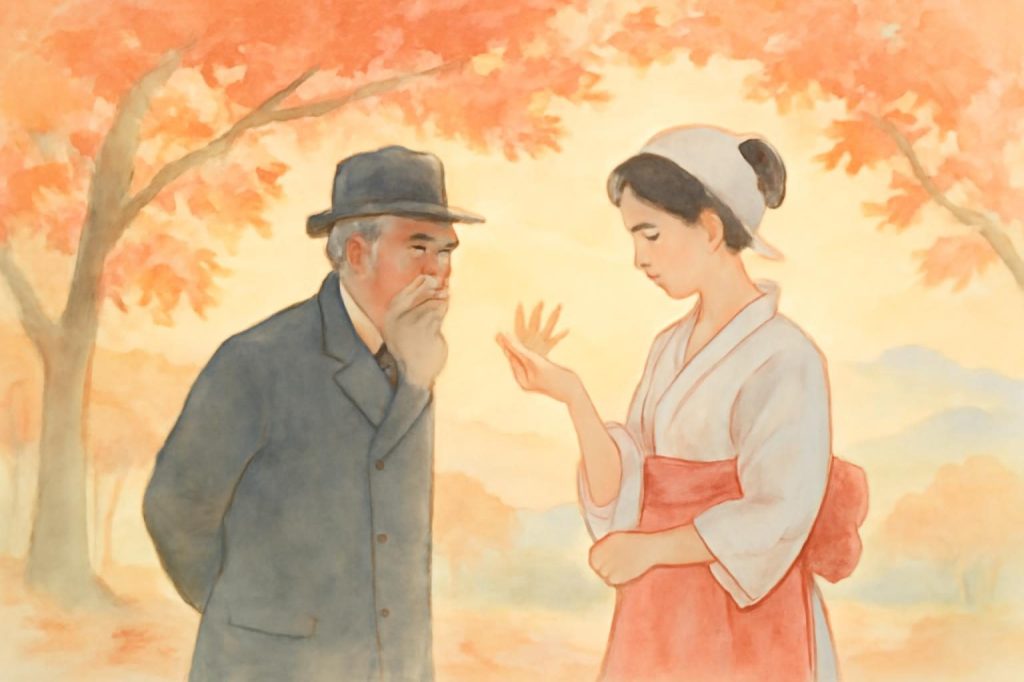
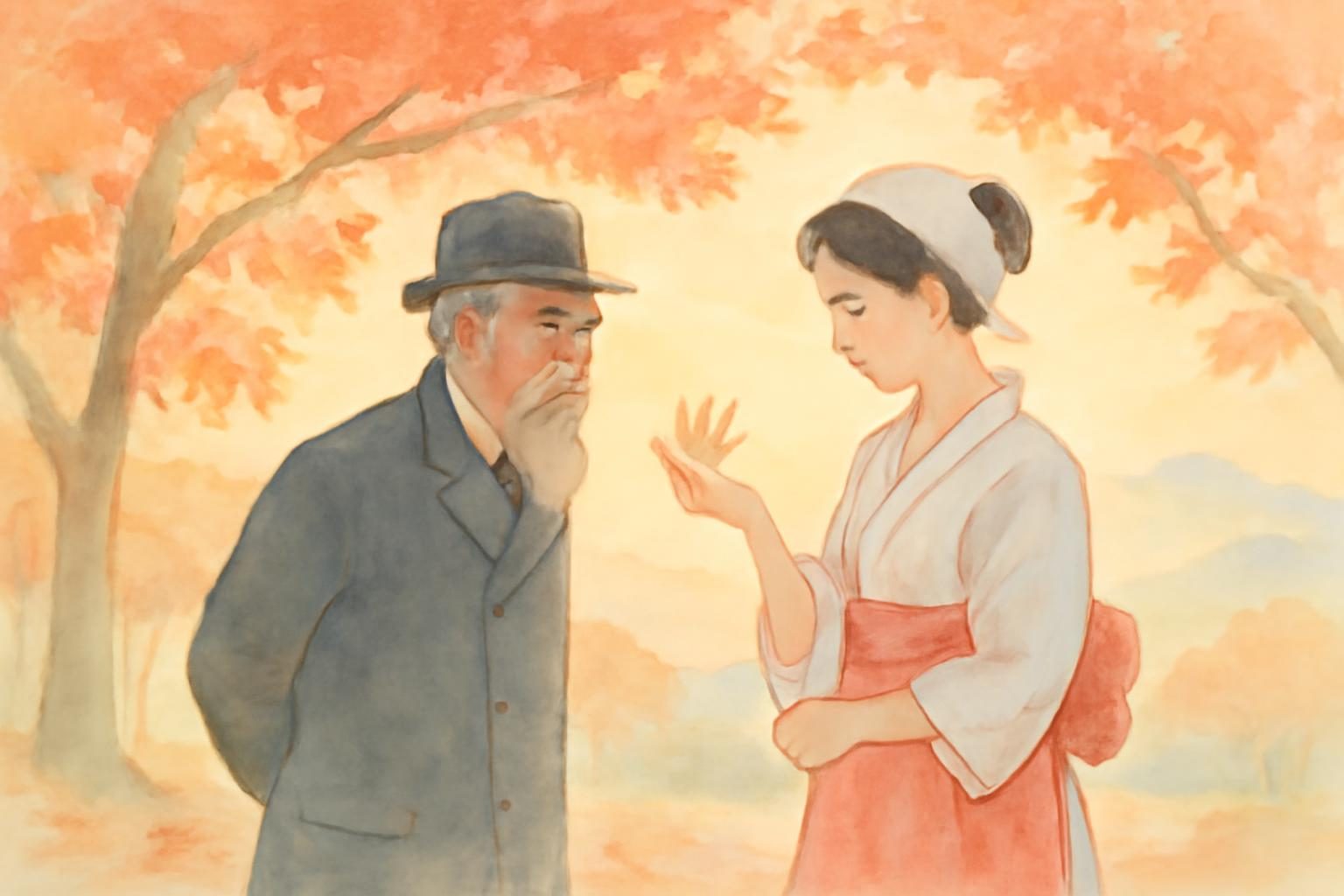
According to legend, the shape of momiji manju was inspired by a comment made by Prime Minister Ito Hirobumi during a visit to the area. It is said that he compared the delicate hands of a waitress to the elegant maple leaves of the region, sparking the idea for a confection that would embody this imagery. While the truth of this story remains uncertain, it adds a layer of charm and mystique to the history of momiji manju. Such legends enrich the cultural tapestry of the region, offering visitors a glimpse into the stories that shape local traditions.
Traditional Crafting Methods and Revival Styles
FACT: Reviving the original style
In July 2009, Hiroaki Kato, grandson of founder Takatsu Tsunesuke and third-generation owner of Takatsudo, revived the shop’s hand-baked momiji manju, using baking molds faithfully reproduced from the founder’s original. This revival aimed to preserve the traditional crafting methods and offer a taste of history to those who enjoy the confection. The use of these faithfully reproduced molds ensures that the legacy of momiji manju continues to thrive while maintaining its authentic flavor and appearance. This dedication to tradition allows visitors to experience a piece of history with each bite, connecting them to the past craftsmanship of the region.
FACT: The significance of traditional methods
The revival of the original hand-baked style highlights the importance of preserving traditional methods in Japanese confectionery. These techniques are not only about maintaining a culinary legacy but also about honoring the cultural heritage of the area. By using faithfully reproduced molds and traditional methods, the makers of momiji manju ensure that each piece is a tribute to the artisans who first crafted these iconic sweets over a century ago.

From Red Bean to Chocolate: Modern Flavors and Age-Momiji
FACT: The evolution of momiji manju flavors
While the classic momiji manju is filled with sweet red bean paste, modern variations have expanded to include an array of flavors such as custard, chocolate, and matcha. Additionally, a deep-fried version known as age-momiji has become popular, offering a crispy twist on the traditional treat. These innovations have allowed momiji manju to remain a favorite among both locals and tourists, appealing to a wide range of palates. The variety of flavors available today reflects the dynamic nature of Japanese confectionery, where tradition and innovation coexist harmoniously.
FACT: The appeal of modern variations
The introduction of new flavors and styles has broadened the appeal of momiji manju, making it accessible to a wider audience. Whether enjoyed as a traditional red bean-filled cake or as a modern chocolate or custard variation, momiji manju offers something for everyone. The deep-fried age-momiji provides a unique texture that has captivated those seeking a novel twist on a classic favorite. These modern adaptations demonstrate the versatility of momiji manju and its ability to adapt to changing tastes while still honoring its roots.
Where to Experience Miyajima’s Sweet Tradition
FACT: The widespread popularity of momiji manju
One of the reasons for the widespread popularity of momiji manju is the decision by its creator to allow other confectioners to produce their own versions. This open approach has led to the confection being enjoyed not only on Miyajima but throughout Hiroshima Prefecture. Visitors to the region can find momiji manju in various shops and stalls, each offering their unique take on this beloved treat. This accessibility has cemented momiji manju as a staple of Hiroshima’s culinary landscape, inviting visitors to partake in a shared cultural experience.
FACT: Experiencing momiji manju in Hiroshima
For those visiting Hiroshima, sampling momiji manju is a must-do activity. The confection is readily available in numerous locations, from bustling markets to quaint tea houses, each offering a unique perspective on this iconic sweet. Whether enjoyed as a souvenir or as a delightful snack during a stroll through Momijidani Park, momiji manju provides a taste of Hiroshima’s rich cultural heritage and natural beauty.

Related on JAPAN ESSENCE: Hirose Taisha Shrine Nara: Discover the Unique Sand-Throwing Festival | Discover Hida no Takumi: Takayama’s Legendary Woodworking & Crafts
Regional guide
Location: Hatsukaichi, Hiroshima Prefecture


Leave a comment