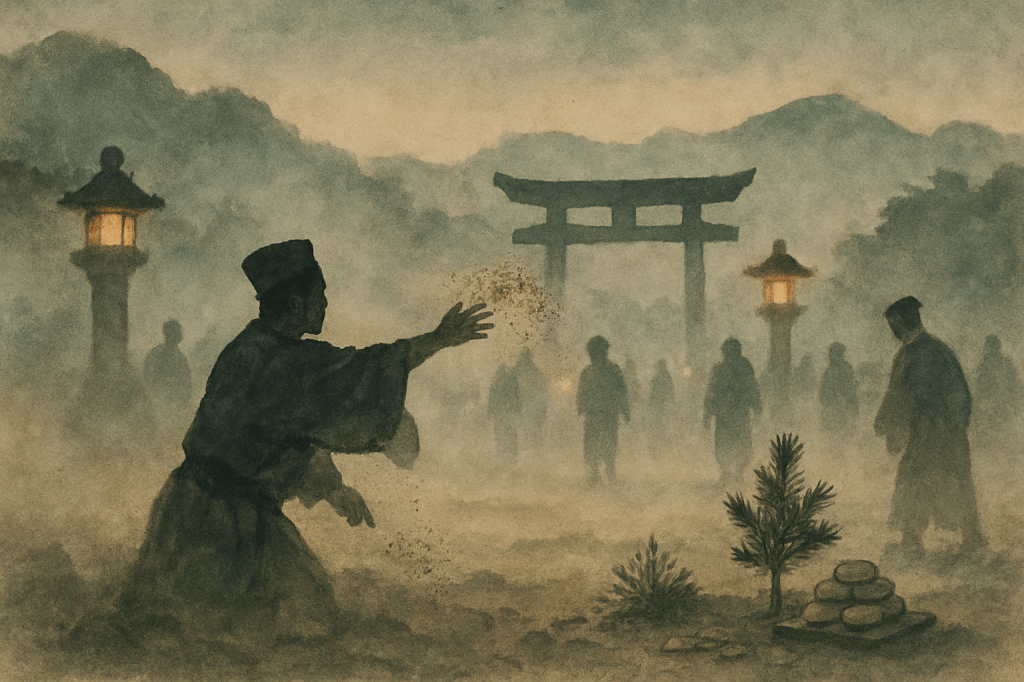
Hirose Taisha, located in Kawai Town, Nara Prefecture, is home to a unique and ancient tradition known as the Sunakake Matsuri, or Sand-Throwing Festival, celebrated every February. This festival, deeply rooted in local culture, offers a fascinating glimpse into Japan’s rich tapestry of traditions and beliefs, particularly those surrounding agriculture and spiritual protection.
Introduction to Hirose Taisha in Kawai Town
FACT: What the records say
Hirose Taisha (廣瀬大社) is a prominent Shinto shrine situated in Kawai Town, Nara Prefecture. This shrine enshrines the water deity Wakaukanome-no-Mikoto, revered for her role in ensuring the purity and abundance of water, a crucial element for agriculture. Historically, Hirose Taisha has been a site of Imperial patronage since the Heian period, reflecting its importance in the religious and cultural landscape of Japan. It is one of the Twenty-Two Shrines, a prestigious group of Shinto shrines that received special recognition and support from the Imperial Court, underscoring its historical significance.
FACT: The historical significance of Hirose Taisha
The origins of Hirose Taisha are said to date back to the reign of Emperor Sujin or 675 during the era of Emperor Tenmu. This suggests a longstanding historical presence that has seen the shrine play a pivotal role in the spiritual life of the region. The shrine is strategically located at the confluence of rivers in the Yamato Basin, a site that has historically been a significant area for Japanese culture and politics. This location not only enhances its spiritual significance but also its practical importance as a center for community activities related to agriculture and water management.
The History and Significance of Hirose Taisha Shrine
FACT: Architectural and natural beauty
The main hall of Hirose Taisha is set in a sacred grove, offering a serene and solemn atmosphere that invites reflection and reverence. Visitors are greeted by a long, tree-lined approach that enhances the shrine’s spiritual ambiance, making the journey to the shrine itself a meditative experience. The shrine’s precincts are open to the public, and visiting is free, allowing everyone to experience its historical and cultural significance without barriers. This openness reflects the inclusive nature of Shinto practices, welcoming all who seek spiritual solace or cultural enrichment.

What is the Sunakake Matsuri Sand-Throwing Festival?
FACT: The festival’s origins and rituals
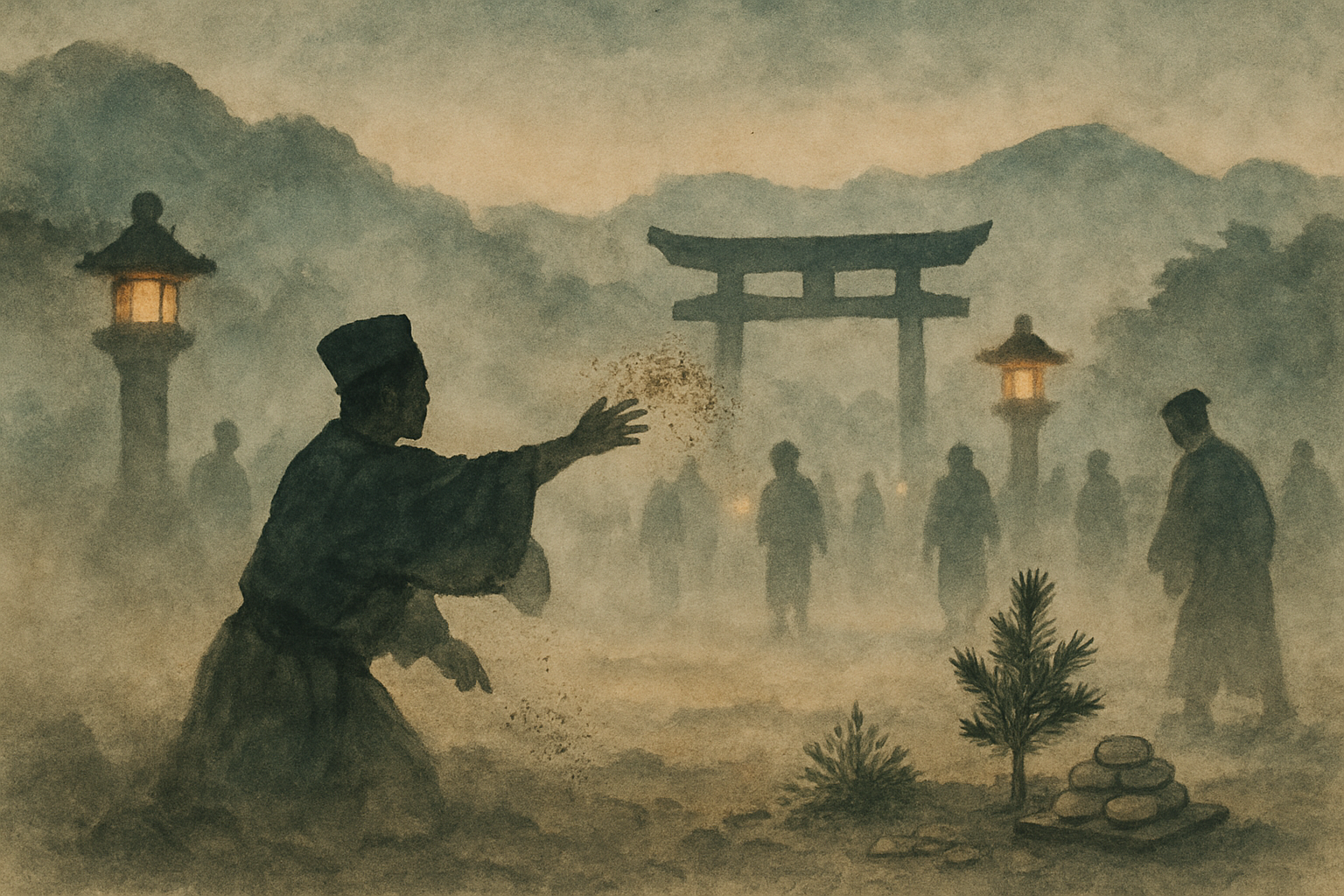
The Sunakake Matsuri, or Sand-Throwing Festival, is held annually on February 11 at Hirose Taisha. This festival is part of the Onda (rice-planting) ritual known as Oimi-no-Matsuri. Participants, including farmers, ox-roles, and visitors, engage in throwing sand at one another to symbolize rain and pray for a bountiful harvest. This ritual is designated a prefectural intangible folk cultural property, highlighting its cultural importance and the role it plays in preserving local traditions.
LEGEND: The symbolic meaning of sand-throwing
According to legend, the act of sand-throwing during the festival is believed to ward off evil and bring good fortune. The ceremonies, known as Denjo-no-Gi and Teijo-no-Gi, involve repeated sand-throwing, followed by scattering pine-seedling-resembling matsunae and rice cakes to ensure prosperity and protection from malevolent spirits. These rituals are steeped in symbolism, with each action designed to invoke the favor of deities and ensure the community’s well-being.
Rituals and Customs of the February Festival
FACT: The festival’s unique characteristics
The Sand-Throwing Festival is often described as a ‘bizarre festival of the Yamato region’ due to its distinctive customs. It has been celebrated for over 1,300 years, linking back to the Oimi-no-Matsuri associated with Emperor Tenmu. The festival’s rituals not only aim to secure a good harvest but also serve as a vibrant cultural event that attracts visitors from various regions. This longevity and continued popularity speak to the festival’s deep roots in local culture and its ability to adapt and thrive through centuries of change.

Visiting Hirose Taisha: Atmosphere and Access
FACT: Experiencing the shrine’s ambiance
Visitors to Hirose Taisha can enjoy the peaceful setting of the shrine, nestled within its sacred grove. The tree-lined path leading to the main hall provides a tranquil environment, perfect for reflection and appreciation of Japan’s rich spiritual heritage. The shrine’s open access allows for an immersive cultural experience without any entry fee, making it an accessible destination for both spiritual seekers and cultural enthusiasts. The combination of natural beauty and historical significance makes Hirose Taisha a must-visit site for anyone exploring the spiritual heart of Nara Prefecture.


Leave a comment