Nestled in the quiet cityscape of Ichinomiya, Aichi Prefecture, Myokoji Temple offers a serene escape into the world of Zen Buddhism. Known for its historic Chokushi-mon Gate and tranquil surroundings, this temple invites visitors to experience the peace and introspection of Rinzai Zen practice.

Introduction to Myokoji: A Peaceful Zen Haven in Ichinomiya
FACT: Myokoji’s Historical Significance
Myokoji Temple, formally Chōtōzan Myōkō Hōon Zenji (長嶋山妙興報恩禅寺), is a large temple of the Myoshinji branch of Rinzai Zen at 2438 Myokoji, Yamato-cho, Ichinomiya City, Aichi. It still has a sōdō, a training hall for monks, and is counted among the leading Zen temples of the Owari region. An old saying praises it as “Myokoji, too fine for Owari” (尾張に杉田(過ぎた)の妙興寺) (Wikipedia (JA): 妙興寺 (一宮市); IchinomiyaNAVI (official Ichinomiya tourism site)).
Ichinomiya’s official tourism site describes Myokoji as one of the few remaining Zen training monasteries in Japan. In the Muromachi period it was a prayer temple of the Ashikaga shoguns and an imperial prayer temple (chokuganji) of Emperor Go-Kōgon (IchinomiyaNAVI).
Centuries of Rinzai Heritage: Founding and Imperial Ties
FACT: The Temple’s Founding and Development
Roof tiles from the Nara period found on the grounds show that an earlier temple stood here in the 8th century. Myokoji itself was founded in 1348 by the monk Messō Sōkō, son of the Nakajima lord of Owari, to honor his late parents, with his teacher Nanpo Shōmyō (Daiō Kokushi) named as honorary founder. The buildings were completed in 1365. The temple became a prayer temple of shogun Ashikaga Yoshiakira in 1353 and an imperial prayer temple of Emperor Go-Kōgon in 1356. During the Nanboku-chō period it flourished as a stronghold of the Northern Court faction in Owari (Wikipedia (JA); Aichi Now (official Aichi tourism site)).
The temple declined after the Ōnin War. Around 1590 its revival began under Toyotomi Hidetsugu (or Hideyoshi, according to some accounts), and from then on it became a branch temple of Myoshinji in Kyoto. A fire in 1890 destroyed the main buildings. The abbot’s quarters (hōjō) were rebuilt in 1893 and the kitchen-residence (kuri) in 1897. The temple’s many treasures include a portrait of Ashikaga Yoshinori, a Nirvana painting, and the Myokoji documents, all Important Cultural Properties, which is why it is sometimes called “the Shōsōin of Owari” (Wikipedia (JA)).

Architectural Masterpiece: The 14th-Century Chokushi-mon Gate
FACT: The Iconic Chokushi-mon Gate
The Chokushi-mon (Imperial Messenger Gate) is a national Important Cultural Property, designated in 1920. Fires destroyed many of Myokoji’s buildings, but this gate survives from the time of the temple’s founding, dating to the Muromachi period (around 1366). It is a four-legged gate (shikyakumon) with a gabled roof. It bears an imperial plaque reading “Kokuchū Musō Zensetsu” (国中無双禅刹, “the Zen temple without equal in the land”), granted by Emperor Go-Kōgon in 1353 (Aichi Now; Wikipedia (JA)).
The gate is the oldest building in Ichinomiya city. Its gently curving eaves and white plaster walls give it an elegant look, while the large timbers give it a sense of strength. Take your time at the entrance, since the gate sets the tone for the rest of the precinct.
The Wooded Precinct and Its Cultural Properties
FACT: Exploring the Temple Grounds
The whole precinct, wrapped in dense woodland, is a prefecture-designated historic site of Aichi. Other designated buildings include the bell tower (an Aichi Prefecture Tangible Cultural Property, Edo period) and the main gate, donated by Naruse, lord of Inuyama Castle. A sudajii chinquapin tree on the grounds is a city-designated natural monument. Five sub-temples (tatchū) remain: Kōun-in, Shugyoku-in, Taiyō-in, Seiryō-in, and Raikun-in (Wikipedia (JA); Aichi Now).
Please remember that Myokoji is an active training monastery: keep quiet and follow any signs marking areas closed to the public.

Experiencing Zen: Public Meditation and Autumn Atmosphere
FACT: Participating in Zen Meditation
Myokoji holds zazen (seated meditation) sessions open to the public on the 1st and 15th of each month, from about 18:00 to 21:00. There are no sessions on January 1 or August 15 (IchinomiyaNAVI; Aichi Now). Times can change, so contact the temple before you go. Ichinomiya’s tourism site also introduces Myokoji as a lesser-known spot for autumn leaves in the city (IchinomiyaNAVI).
Seated meditation focuses on posture and breathing. In autumn, the changing leaves of the wooded precinct make a quiet setting for reflection.
Local Legends: Samurai History and Martial Traditions in Ichinomiya
TEMPLE TRADITION: Kamiizumi Nobutsuna and the Origin of Mutō-dori
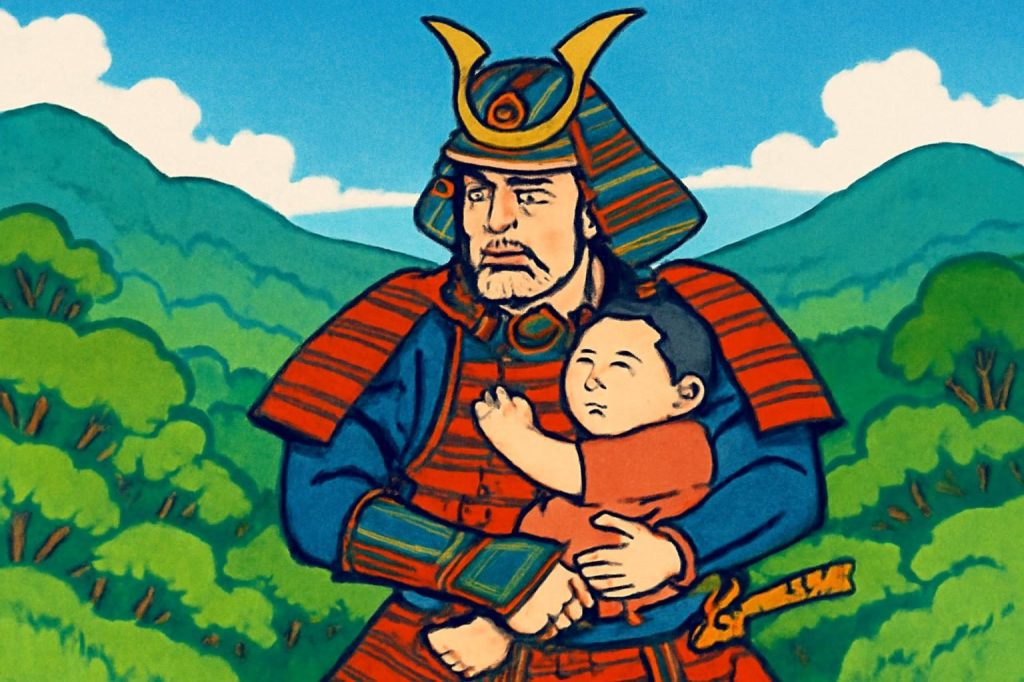
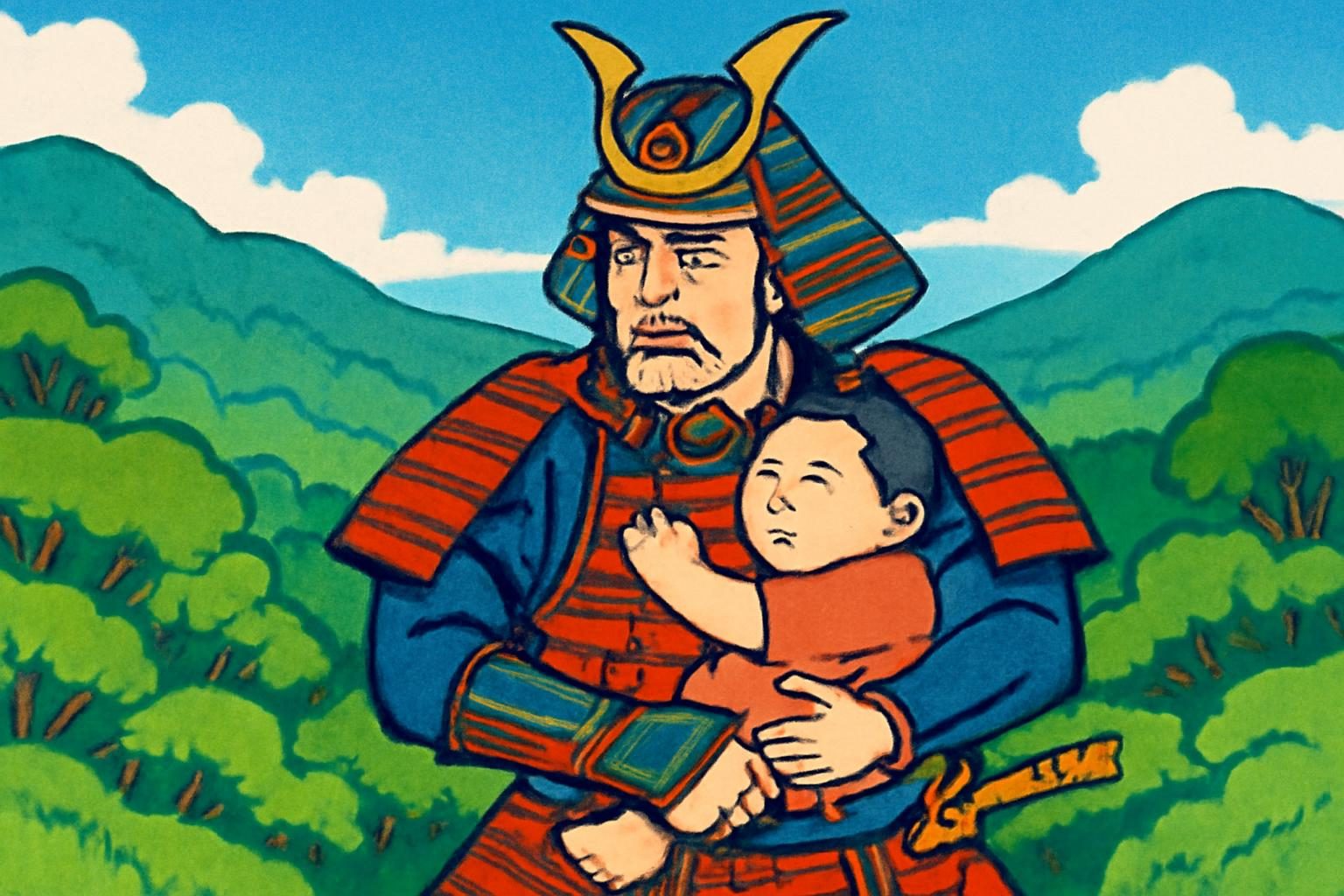
West of the temple’s south gate stands a stone monument marking the place where Kamiizumi Ise-no-kami Nobutsuna (上泉伊勢守信綱修道跡), the 16th-century founder of the Shinkage-ryū school of swordsmanship, is said to have trained. Its inscription says that Nobutsuna stayed at Myokoji to train in the spirit of “sword and Zen as one.” According to the inscription, while he was there, a deranged man kidnapped a child and barricaded himself in a shed. Nobutsuna subdued the man with his bare hands. His disciple Yagyū Muneyoshi later perfected mutō-dori (disarming a swordsman without a weapon), and for this reason the temple calls itself the birthplace of mutō-dori (transcription of the monument inscription; Wikipedia (JA)).
Note: This is a temple tradition recorded on the monument. We could not confirm it with independent historical records, so please read it as a legend, not as established history.
Practical Information for Visiting Myokoji Temple
FACT: Visiting Details (checked October 2026)
- Address: 2438 Myokoji, Yamato-cho, Ichinomiya, Aichi 491-0922
- Hours: You can walk the grounds at any time during the day. The official tourism listings mention no admission fee for walking the grounds. Special openings or events may charge a fee.
- Zazen: 1st and 15th of each month, about 18:00–21:00 (except January 1 and August 15)
- By train: About a 7-minute walk east from Myokoji Station on the Meitetsu Nagoya Line, next to the Ichinomiya City Museum
- By car: About 10 minutes from Ichinomiya IC (Meishin Expressway) or Ichinomiya-nishi IC (Tokai-Hokuriku Expressway). Parking for 61 cars is available west and south of the Ichinomiya City Museum.
Sources: Aichi Now; IchinomiyaNAVI; Ichinomiya City Museum (city website). Next door, the Ichinomiya City Museum (open 9:30–17:00, last entry 16:30) is devoted to local history and culture. Check the city website for closing days and fees.

Related on JAPAN ESSENCE: Autumn Zen: Discovering Komyozenji Temple’s Moss Gardens in Dazaifu | Zen and Autumn: Practicing Zazen at Buttsuji Temple Amid Hiroshima’s Fall Foliage
Sources
- 妙興寺 – IchinomiyaNAVI (official Ichinomiya City tourism site)
- 妙興寺 – Aichi Now (official Aichi Prefecture tourism site)
- 一宮市博物館 – Ichinomiya City official website
- 妙興寺 (一宮市) – Wikipedia (JA)
- 無刀取発祥の寺 (monument inscription) – 発祥の地コレクション
To explore further, visit Zenkei (禅景) for Zen-inspired onigawara art and Kawara Kobo (瓦工房) for a hands-on kawara experience.


.jpg)
.jpg)

Leave a Reply