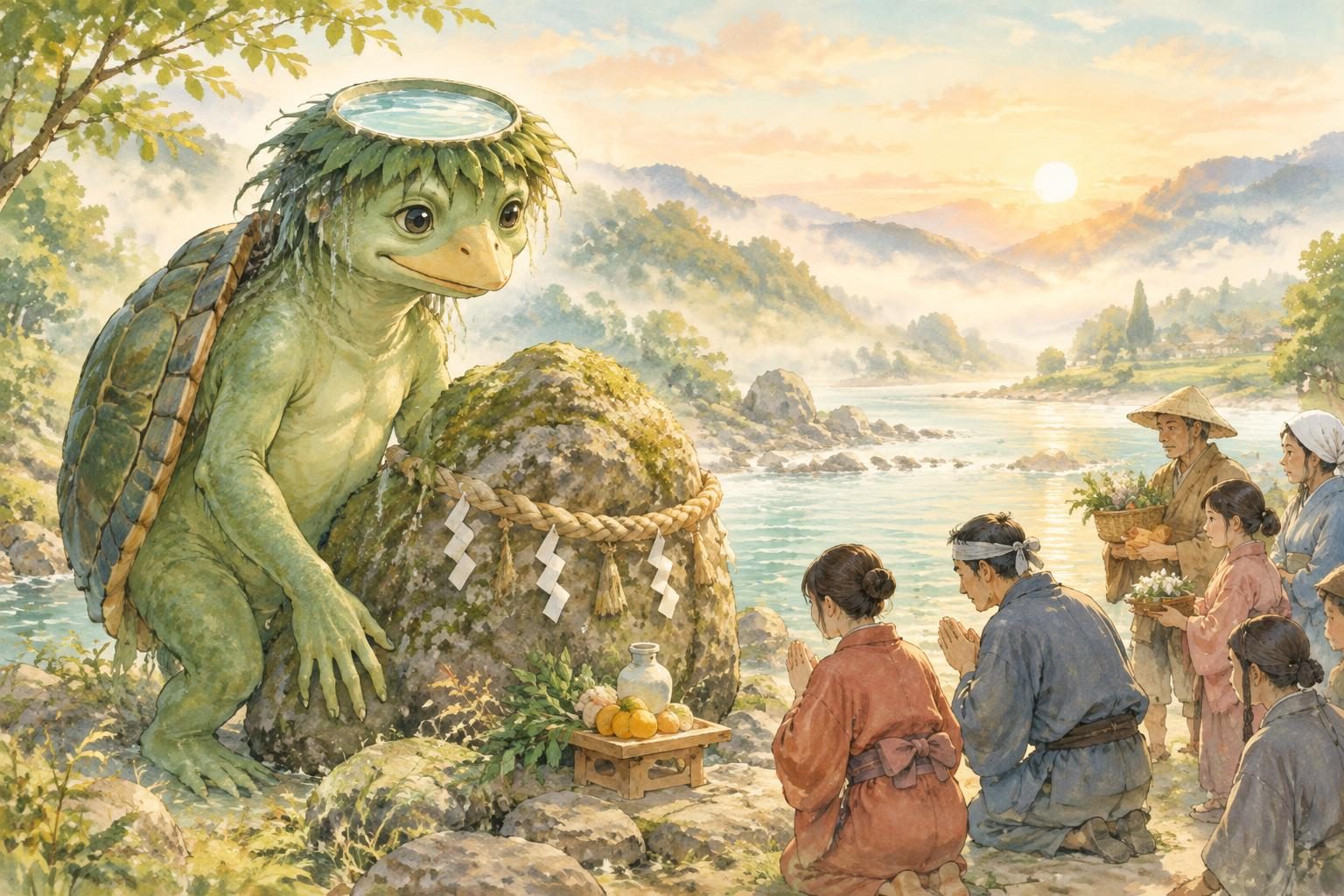
In Hyūga City, Miyazaki Prefecture, the legend of Hiyosunbo, a unique river spirit, weaves a tale that captures the imagination and highlights the rich folklore of Southern Kyushu. This enigmatic figure is said to inhabit the Shiiya and Tsuboya Rivers, offering a glimpse into the region’s deep connection with its waterways.

Who Is Hiyosunbo? The Unique River Spirit of Southern Kyushu
FACT: What the records say
The legend of Hiyosunbo centers around the Shiiya and Tsuboya Rivers in what was once Tōgō Town, now part of Hyūga City in Miyazaki Prefecture. According to sources, Hiyosunbo is a river spirit, often compared to the more widely known kappa, a water-dwelling creature in Japanese folklore. This spirit is said to have a distinct presence in the local culture, particularly influencing rituals and stories passed down through generations. The presence of Hiyosunbo in these narratives underscores the importance of the rivers in the daily lives of the local people, serving both as a source of sustenance and a spiritual entity.
LEGEND: The story of Hiyosunbo
According to local tradition, Hiyosunbo is a guardian of the rivers, known for its protective yet sometimes mischievous nature. The spirit is believed to have the power to control the flow of the river, affecting the lives of those who live nearby. One popular tale speaks of a promise made between Hiyosunbo and the villagers, involving a rock that marks the spirit’s presence. This rock is said to be a sacred site where villagers would offer prayers and gifts to appease the spirit, ensuring the safety and prosperity of their community. The legend suggests that maintaining a harmonious relationship with Hiyosunbo is crucial for the well-being of the village, reflecting a broader cultural belief in the interdependence between humans and nature.
The Legend of the Shiiya River: The Promise and the Rock
FACT: The significance of the river
The Shiiya River, along with the Tsuboya River, plays a crucial role in the local ecosystem and community life. These rivers have been vital for agriculture, providing water for rice paddies and other crops. The rivers’ health directly impacts the livelihood of the residents, making the legend of Hiyosunbo even more significant as a symbol of the delicate balance between nature and human activity. The rivers are not just physical landmarks but are deeply embedded in the social and cultural fabric of the area, influencing local customs and traditions.
LEGEND: The promise and the sacred rock
One account of the legend tells of a promise made by the villagers to Hiyosunbo, which involved maintaining the river’s cleanliness and respecting its natural course. In return, the spirit would ensure bountiful harvests and protect the village from floods. The sacred rock, believed to be the dwelling place of Hiyosunbo, became a site of ritual offerings. Villagers would gather here during festivals to honor the spirit and renew their promise, reinforcing the bond between the community and the river. This practice highlights the reciprocal relationship between the villagers and the river spirit, where mutual respect and care lead to communal prosperity.


Seasonal Migrations and Village Rituals: Appeasing the Water Spirit
FACT: Cultural practices and rituals
In Hyūga City, traditional rituals and festivals are held to honor Hiyosunbo and ensure the community’s prosperity. These events often coincide with the agricultural calendar, marking the changing seasons and the river’s role in sustaining life. The rituals involve offerings of food and drink, as well as performances of traditional music and dance, reflecting the community’s gratitude and reverence for the river spirit. Such practices are integral to the cultural identity of the region, serving as a means of preserving historical narratives and fostering community cohesion.
LEGEND: The sumo ritual
According to local legend, one unique ritual involves a sumo wrestling match performed as a symbolic gesture to entertain and appease Hiyosunbo. This event is said to occur during specific times of the year when the spirit is believed to migrate along the river. The sumo ritual serves as a reminder of the spirit’s presence and the villagers’ commitment to maintaining harmony with the natural world. This tradition not only entertains but also educates the younger generation about the importance of respecting and honoring the natural forces that influence their lives.
Hiyosunbo Versus Kappa: Understanding Southern Kyushu Folklore
FACT: Distinguishing features
While Hiyosunbo shares some characteristics with the kappa, such as its aquatic nature, it is distinct in its role as a guardian spirit rather than a trickster. The kappa is often depicted as mischievous and sometimes malevolent, whereas Hiyosunbo is seen as a protector and benefactor of the community. This distinction highlights the unique cultural identity of Southern Kyushu and its interpretation of river spirits. The contrasting portrayals of these spirits reflect the diverse ways in which different regions of Japan interpret and interact with their natural surroundings.
LEGEND: Local variations and interpretations
Local variations of the Hiyosunbo legend emphasize different aspects of the spirit’s character. Some accounts describe Hiyosunbo as a benevolent figure, while others portray it as more temperamental, requiring careful attention and respect from the villagers. These variations reflect the diverse interpretations of the legend and its adaptability to different cultural contexts within the region. The flexibility of the legend allows it to remain relevant across generations, adapting to the evolving cultural and environmental landscape.


Tracing the Myth: Exploring Hyuga City’s Folklore Landscape
FACT: Visiting the rivers and local sites
Visitors to Hyūga City can explore the Shiiya and Tsuboya Rivers, where the legend of Hiyosunbo is said to originate. These sites offer a glimpse into the natural beauty and cultural heritage of the area. While the sacred rock may not be easily identifiable, the rivers themselves serve as living reminders of the legend and its enduring impact on the community. Exploring these waterways provides an opportunity to connect with the local culture and understand the historical significance of the legend in shaping the identity of the region.
Nearby Guide
Nearby sights
- Shiiba Village (Shiiba Village) — Approximately 90 minutes by car from Hyūga City, Shiiba Village is renowned for its terraced rice paddies and traditional farming practices. The village offers scenic hikes and cultural experiences, including the Shiiba Kagura dance. official site
- Cape Hyūga (Hyūga City) — Cape Hyūga offers panoramic ocean views and is known for its rugged volcanic seascapes. It’s a popular spot for surfing and enjoying the natural coastline. official site
Where to eat
- Mimitsu Port Town (Hyūga City) — A historic port town known for its fresh seafood restaurants, offering a variety of local dishes. details


Related on JAPAN ESSENCE: Uncovering Tokyo’s Giant Lore: The Legend of Daidarabotchi in Setagaya | Tsurube-Otoshi: The Legend of Japan’s Laughing Well-Bucket Yokai
Sources
- ひょうすんぼとは|伝承と正体を出典つきで解説|YOKAI.JP
- 宮崎県の妖怪・神話事典 ── 天孫降臨と日向神話の地 | YOKAI.JP
- 宮崎県観光協会
- Japan National Tourism Organization
- skyticket Travel Guide
To explore further, visit Kawara Kobo (瓦工房) for a hands-on kawara experience and Oni Kobo (鬼工房) for onigawara demon-tile art and charms.
宮崎県日向市では、ユニークな川の精霊である日陽尊坊の伝説が、南九州の豊かな民話を際立たせ、想像力をかき立てる物語を紡いでいます。この謎めいた存在は、椎谷川と坪谷川に住むと言われており、地域の水路との深い結びつきを垣間見ることができます。
日陽尊坊とは?南九州のユニークな川の精霊
事実: 記録が示すもの
日陽尊坊の伝説は、かつて東郷町であった現在の宮崎県日向市の椎谷川と坪谷川を中心に展開されています。資料によると、日陽尊坊は川の精霊であり、日本の民話に登場する水棲生物である河童とよく比較されます。この精霊は、特に儀式や世代を超えて伝えられる物語に影響を与える、地元文化において独特の存在感を持つと言われています。これらの物語における日陽尊坊の存在は、地元の人々の日常生活において川が持つ重要性を強調しており、川は生活の糧であると同時に精神的な存在でもあります。
伝承: 日陽尊坊の物語
地元の言い伝えによると、日陽尊坊は川の守護者であり、その保護的で時にはいたずら好きな性格で知られています。この精霊は川の流れを制御する力を持ち、近くに住む人々の生活に影響を与えると信じられています。ある有名な物語では、日陽尊坊と村人たちの間で交わされた約束が語られ、その存在を示す岩が関与しています。この岩は、村人たちが精霊をなだめるために祈りや贈り物を捧げる聖地とされ、村の安全と繁栄を確保するためのものです。この伝説は、日陽尊坊との調和の取れた関係を維持することが村の幸福にとって重要であることを示唆しており、人間と自然の相互依存に対する広範な文化的信念を反映しています。
椎谷川の伝説: 約束と岩
事実: 川の重要性
椎谷川と坪谷川は、地元の生態系とコミュニティ生活において重要な役割を果たしています。これらの川は農業にとって不可欠であり、稲田や他の作物に水を供給しています。川の健康状態は住民の生活に直接影響を与えるため、日陽尊坊の伝説は自然と人間の活動の微妙なバランスの象徴としてさらに重要です。川は単なる物理的なランドマークではなく、地域の社会的および文化的な織物に深く組み込まれており、地元の習慣や伝統に影響を与えています。
伝承: 約束と聖なる岩
伝説の一つの説では、村人たちが日陽尊坊に対して川の清潔さを保ち、その自然な流れを尊重するという約束をしたと語られています。その見返りに、精霊は豊作を保証し、洪水から村を守るとされています。日陽尊坊の住処と信じられている聖なる岩は、儀式の捧げ物の場となりました。村人たちは祭りの際にここに集まり、精霊を称え、約束を新たにし、コミュニティと川の絆を強化しました。この慣習は、村人と川の精霊の間の相互関係を強調しており、相互の尊重と配慮が共同体の繁栄につながることを示しています。
季節の移動と村の儀式: 水の精霊をなだめる
事実: 文化的慣習と儀式
日向市では、日陽尊坊を称え、コミュニティの繁栄を確保するために伝統的な儀式や祭りが行われています。これらのイベントはしばしば農業カレンダーと一致し、季節の変化と生命を支える川の役割を示しています。儀式には食べ物や飲み物の捧げ物、伝統的な音楽や舞踊の演奏が含まれ、川の精霊に対する感謝と敬意を反映しています。このような慣習は、地域の文化的アイデンティティに不可欠であり、歴史的な物語を保存し、コミュニティの結束を促進する手段として機能しています。
伝承: 相撲の儀式
地元の伝説によると、ユニークな儀式の一つに、日陽尊坊を楽しませ、なだめるための象徴的なジェスチャーとして行われる相撲の試合があります。このイベントは、精霊が川に沿って移動すると信じられている特定の時期に行われると言われています。相撲の儀式は、精霊の存在と自然界との調和を維持する村人たちのコミットメントを思い出させるものです。この伝統は、楽しませるだけでなく、若い世代に自然の力を尊重し、称えることの重要性を教育する役割も果たしています。
日陽尊坊対河童: 南九州の民話を理解する
事実: 区別される特徴
日陽尊坊は河童といくつかの特徴を共有していますが、その水生の性質など、守護霊としての役割が異なります。河童はしばしばいたずら好きで時には悪意のある存在として描かれますが、日陽尊坊はコミュニティの守護者であり恩人として見られています。この違いは、南九州のユニークな文化的アイデンティティと川の精霊の解釈を強調しています。これらの精霊の対照的な描写は、日本の異なる地域が自然環境とどのように解釈し、関わるかの多様な方法を反映しています。
伝承: 地元のバリエーションと解釈
日陽尊坊の伝説の地元のバリエーションは、精霊の性格の異なる側面を強調しています。ある説では、日陽尊坊は慈悲深い存在として描かれていますが、他の説では、より気まぐれで、村人たちからの注意と尊重を必要とする存在として描かれています。これらのバリエーションは、伝説の多様な解釈と地域内の異なる文化的文脈への適応性を反映しています。伝説の柔軟性は、世代を超えて関連性を保ち、進化する文化的および環境的な風景に適応することを可能にしています。
神話をたどる: 日向市の民話の風景を探る
事実: 川と地元の名所を訪れる
日向市を訪れる人々は、日陽尊坊の伝説が発祥したと言われる椎谷川と坪谷川を探索することができます。これらの場所は、地域の自然の美しさと文化遺産を垣間見ることができます。聖なる岩は簡単に識別できないかもしれませんが、川自体が伝説の生きた証であり、コミュニティに与える永続的な影響を示しています。これらの水路を探索することで、地元の文化とつながり、地域のアイデンティティを形成する伝説の歴史的な重要性を理解する機会が得られます。
周辺ガイド
周辺の見どころ
- 椎葉村(椎葉村)— 日向市から車で約90分、椎葉村は棚田と伝統的な農業慣行で知られています。村では、椎葉神楽の舞などの文化体験や風光明媚なハイキングを楽しむことができます。公式サイト
- 日向岬(日向市)— 日向岬は、パノラマの海の眺めを提供し、険しい火山性の海岸線で知られています。サーフィンや自然の海岸線を楽しむのに人気のスポットです。公式サイト
食べる
- 美々津港町(日向市)— 新鮮な海鮮料理のレストランで知られる歴史的な港町で、地元の料理を多彩に楽しめます。詳細
Related on JAPAN ESSENCE: Uncovering Tokyo’s Giant Lore: The Legend of Daidarabotchi in Setagaya | Tsurube-Otoshi: The Legend of Japan’s Laughing Well-Bucket Yokai
Leave a Reply