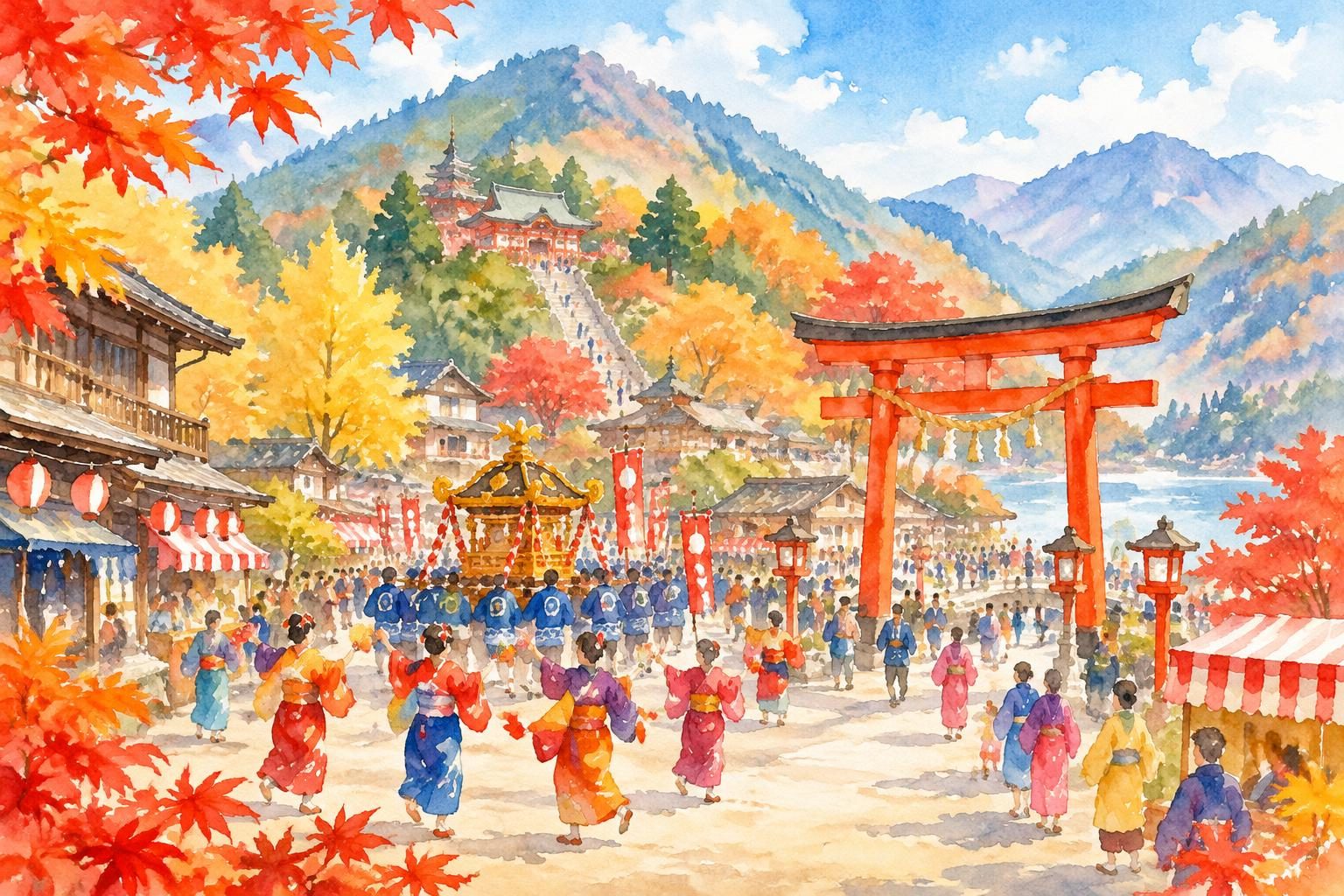
In the picturesque village of Ogimachi in Shirakawa, Gifu Prefecture, the Doburoku Festival is a celebration of tradition, community, and the harvest season. Known for its unfiltered sake and vibrant folk songs, this festival offers a unique glimpse into Japan’s rich cultural tapestry.


What Is the Shirakawa-go Doburoku Festival?
FACT: The Essence of the Festival
The Shirakawa-go Doburoku Festival is held annually in October at the Shirakawa Hachimangu Shrine in Ogimachi. This festival is a significant cultural event, celebrating the autumn harvest with offerings of doburoku, a type of unfiltered sake. The festival is deeply rooted in the agricultural traditions of the region, where rice cultivation has been a way of life for centuries. During the festival, locals and visitors alike gather to enjoy the rich flavors of doburoku, which is brewed specifically for this occasion.
Participants in the festival can expect to experience a vibrant atmosphere filled with the sounds of traditional music and the sight of colorful processions. The event not only highlights the importance of rice cultivation in the area but also serves as a reminder of the community’s reliance on agriculture as a source of sustenance and cultural identity. The shared enjoyment of doburoku among attendees symbolizes the unity and shared history of the people of Shirakawa-go.
FACT: The Role of Shirakawa Hachimangu Shrine
The Shirakawa Hachimangu Shrine serves as the central venue for the Doburoku Festival. The shrine, nestled among the traditional gassho-zukuri farmhouses, is a place of worship and community gathering. During the festival, the shrine becomes a hub of activity, with rituals and performances that honor the gods and give thanks for the bountiful harvest. The shrine’s historical significance and its role in the festival underscore the deep connection between the local community and their spiritual beliefs.
Visitors to the shrine during the festival can observe a variety of traditional ceremonies that reflect the spiritual practices of the region. These rituals are performed with great reverence and are intended to invoke the blessings of the deities for a prosperous future. The shrine’s serene setting, combined with the festive atmosphere, provides a unique opportunity for visitors to immerse themselves in the cultural and spiritual life of Shirakawa-go.
FACT: The Historical Significance of the Shrine
The Shirakawa Hachimangu Shrine is not only a focal point of the festival but also a symbol of the village’s historical and cultural heritage. The shrine has been a place of worship for generations, serving as a spiritual center where the community gathers to express gratitude for the harvest and seek blessings for the future. Its architecture and location amidst the scenic beauty of Shirakawa-go add to the spiritual ambiance, making it a must-visit for those interested in understanding the cultural roots of the region.
The shrine’s architecture, characterized by traditional Japanese design elements, reflects the historical evolution of religious structures in the area. As visitors explore the shrine grounds, they can appreciate the craftsmanship and attention to detail that have preserved this cultural landmark for centuries. The enduring presence of the shrine in the community highlights its role as a custodian of local traditions and a testament to the enduring spirit of Shirakawa-go’s inhabitants.

The Sacred Tradition of Brewing Doburoku Under Snow
FACT: Brewing Process and Cultural Significance
Doburoku is a traditional Japanese sake that is unfiltered, resulting in a cloudy appearance and a rich, full-bodied flavor. The brewing of doburoku is a sacred process, often carried out in small batches by local brewers who adhere to time-honored techniques. This sake is not only a beverage but also a symbol of the region’s agricultural heritage, representing the fruits of labor and the blessings of nature. During the festival, the sharing of doburoku among participants is a gesture of goodwill and communal harmony.
The meticulous care taken in brewing doburoku reflects the community’s respect for their natural resources and agricultural traditions. Each sip of this unique sake offers a taste of the land’s bounty, embodying the essence of the harvest season. The festival provides a rare opportunity for visitors to taste doburoku that is crafted with a deep understanding of local customs and a commitment to preserving this cherished tradition.
FACT: The Symbolism of Doburoku
Beyond its role as a festive drink, doburoku holds deep symbolic meaning. It embodies the essence of the harvest, the culmination of a year’s hard work in the rice fields. The act of brewing and sharing doburoku is a tradition that reinforces community bonds, as villagers and visitors come together to celebrate the fruits of their labor. This communal sharing is a powerful reminder of the interconnectedness of people and nature, a theme that resonates throughout the festival.
As participants gather to share doburoku, they engage in a ritual that transcends mere consumption. This act of communal sharing is imbued with cultural significance, as it represents the unity and resilience of the Shirakawa-go community. The festival thus becomes a celebration not only of the harvest but also of the enduring relationships that sustain the village through the changing seasons.


Festival Schedule and Main Shrine Rituals
FACT: Rituals and Performances
The Doburoku Festival features a series of rituals and performances that are integral to its celebration. These include processions, ceremonial offerings at the shrine, and traditional dances. The festival’s schedule is carefully planned to ensure that each ritual is performed with precision and reverence. Visitors can witness these ceremonies and participate in the communal festivities, gaining insight into the spiritual and cultural practices of the region.
Each ritual is a carefully choreographed event that showcases the community’s dedication to preserving their cultural heritage. The performances, often accompanied by traditional music, provide a dynamic and engaging experience for attendees. By participating in these rituals, visitors can gain a deeper appreciation for the spiritual and cultural dimensions of the festival, as well as the values that underpin the community’s way of life.
FACT: The Procession and Offerings
A highlight of the festival is the procession, where participants dressed in traditional attire carry offerings to the shrine. This ritual symbolizes the community’s collective gratitude and reverence for the gods. The offerings, which include freshly brewed doburoku, are presented at the shrine in a solemn ceremony. This act of devotion is a central element of the festival, reflecting the deep spiritual connection between the people and their land.
The procession is a vibrant and colorful spectacle that draws the entire community together. As participants make their way to the shrine, they are accompanied by the rhythmic sounds of traditional instruments, creating a lively and festive atmosphere. This communal act of offering is a powerful expression of the community’s shared values and their commitment to honoring the deities that protect and sustain them.
Ancestral Folk Songs and Dances of Shirakawa Village
FACT: Preserving Cultural Heritage Through Music
Music and dance play a vital role in the Doburoku Festival, with performances of ancestral folk songs that have been passed down through generations. These songs, often accompanied by traditional instruments, tell stories of the village’s history and the people’s connection to the land. The dances, characterized by graceful movements and vibrant costumes, are a visual representation of the community’s cultural identity. Through these performances, the festival serves as a living museum of Shirakawa’s rich heritage.
The preservation of these folk songs and dances is a testament to the community’s dedication to maintaining their cultural legacy. Each performance is an opportunity for younger generations to learn about their heritage and for older generations to pass on their knowledge and traditions. The festival thus serves as an important cultural bridge, linking the past with the present and ensuring the continuity of Shirakawa-go’s unique cultural identity.
FACT: The Role of Traditional Instruments
Traditional instruments such as the taiko drum and shamisen are integral to the musical performances at the festival. These instruments add a unique auditory dimension to the folk songs, enhancing the storytelling experience. The rhythmic beats of the taiko drum, in particular, resonate with the energy of the festival, drawing participants and spectators into the vibrant celebration. This musical tradition is a testament to the enduring cultural legacy of Shirakawa village.
The use of these instruments not only enriches the musical experience but also serves as a reminder of the village’s cultural roots. The sounds of the taiko drum and shamisen evoke a sense of nostalgia and pride, connecting the community to their ancestors and the traditions they have upheld for generations. The festival’s musical performances are thus an essential component of the cultural tapestry that defines Shirakawa-go.


Visiting Ogimachi Village During the Harvest Celebrations
FACT: Planning Your Visit
Ogimachi Village, part of the Shirakawa-go area, is a UNESCO World Heritage site known for its well-preserved gassho-zukuri farmhouses. Visiting during the Doburoku Festival offers a unique opportunity to experience the village’s cultural and historical significance firsthand. While the festival itself is a major attraction, the surrounding landscape, with its stunning autumn foliage, enhances the overall experience. Travelers are encouraged to check the official website for current hours, fees, and access information to ensure a smooth visit.
The village’s designation as a UNESCO World Heritage site underscores its global cultural significance. Visitors can explore the narrow streets and admire the traditional architecture that has been preserved for centuries. The festival provides a unique backdrop to this exploration, offering a glimpse into the daily life and traditions of the people who call Shirakawa-go home.
FACT: The Gassho-zukuri Farmhouses
The gassho-zukuri farmhouses, with their steep thatched roofs designed to withstand heavy snowfall, are an iconic feature of Ogimachi Village. These architectural marvels provide a glimpse into the traditional lifestyle of the region, offering visitors a chance to step back in time. During the festival, the farmhouses serve as a picturesque backdrop to the celebrations, their rustic charm adding to the village’s enchanting atmosphere.
These farmhouses are not only remarkable for their architectural design but also for their historical significance. As visitors wander through the village, they can learn about the ingenuity and craftsmanship that went into constructing these homes, which have stood the test of time. The gassho-zukuri farmhouses are a testament to the resilience and resourcefulness of the Shirakawa-go community, embodying the spirit of adaptation and harmony with nature.


Related on JAPAN ESSENCE: Experiencing the Winter Solstice Hoshi Matsuri at Shiromine-ji Temple in Kagawa | Oji Fox Parade: Experiencing Tokyo’s Unique New Year’s Eve Kitsune Tradition
Sources
- どぶろく祭/白川郷 | 白川村役場
- ホーム/白川郷 | 白川村役場
- Shirakawa Go Doburoku Matsuri 2027: dates, venue and access (Shirakawa, Gifu) | Wasshoi
- Shirakawa-go Beyond the Snow: A Season Guide | Shirakawa-go Village Guide
To explore further, visit Kawara Kobo (瓦工房) for a hands-on kawara experience and Zenkei (禅景) for Zen-inspired onigawara art.
岐阜県白川村の美しい荻町で開催されるどぶろく祭りは、伝統、コミュニティ、収穫の季節を祝う祭りです。濁り酒と活気ある民謡で知られるこの祭りは、日本の豊かな文化の一端を垣間見ることができるユニークな機会を提供します。
白川郷どぶろく祭りとは?
事実: 祭りの本質
白川郷どぶろく祭りは、毎年10月に荻町の白川八幡宮で開催されます。この祭りは、どぶろくという種類の濁り酒を奉納し、秋の収穫を祝う重要な文化イベントです。祭りは、何世紀にもわたって米作りが生活の一部であった地域の農業伝統に深く根ざしています。祭りの間、地元の人々や訪問者は、この特別な機会のために醸造されたどぶろくの豊かな風味を楽しむために集まります。
祭りの参加者は、伝統音楽の音や色とりどりの行列を楽しむことができます。このイベントは、地域における米作りの重要性を強調するだけでなく、農業が生活の糧と文化的アイデンティティの源であることを思い出させます。参加者の間で共有されるどぶろくの楽しみは、白川郷の人々の団結と共有の歴史を象徴しています。
事実: 白川八幡宮の役割
白川八幡宮は、どぶろく祭りの中心的な会場です。伝統的な合掌造りの農家に囲まれたこの神社は、礼拝と地域の集まりの場です。祭りの間、神社は活動の中心となり、神々を敬い、豊かな収穫に感謝する儀式やパフォーマンスが行われます。神社の歴史的な重要性と祭りでの役割は、地元のコミュニティと彼らの精神的信念との深い結びつきを強調しています。
祭りの間に神社を訪れる人々は、地域の精神的な慣習を反映したさまざまな伝統的な儀式を観察することができます。これらの儀式は非常に敬意を持って行われ、豊かな未来のために神々の祝福を呼び起こすことを目的としています。神社の静かな環境と祭りの雰囲気が相まって、訪問者は白川郷の文化的および精神的な生活に没頭するユニークな機会を提供します。
事実: 神社の歴史的意義
白川八幡宮は、祭りの中心であるだけでなく、村の歴史的および文化的遺産の象徴でもあります。神社は何世代にもわたって礼拝の場であり、コミュニティが収穫に感謝し、未来の祝福を求める精神的な中心地として機能してきました。その建築と白川郷の美しい景観の中に位置することが、精神的な雰囲気を高め、地域の文化的ルーツを理解するために訪れるべき場所となっています。
神社の建築は、地域の宗教的構造の歴史的進化を反映した伝統的な日本のデザイン要素によって特徴付けられています。訪問者が神社の敷地を探索する際には、何世紀にもわたってこの文化的ランドマークを保存してきた職人技と細部へのこだわりを評価することができます。コミュニティにおける神社の永続的な存在は、地元の伝統の保護者としての役割を強調し、白川郷の住民の不屈の精神の証です。
雪の下でのどぶろく醸造の神聖な伝統
事実: 醸造プロセスと文化的意義
どぶろくは、濁った外観と豊かでフルボディの風味を持つ伝統的な日本の酒です。どぶろくの醸造は神聖なプロセスであり、地元の醸造者によって小規模で行われ、古くからの技術が守られています。この酒は飲み物であるだけでなく、地域の農業遺産の象徴でもあり、労働の成果と自然の恵みを表しています。祭りの間、参加者の間でどぶろくを共有することは、善意と共同の調和のジェスチャーです。
どぶろくの醸造における細心の注意は、自然資源と農業伝統に対するコミュニティの敬意を反映しています。このユニークな酒の一口一口が、土地の恵みを味わうことを可能にし、収穫の季節の本質を体現しています。祭りは、地元の習慣を深く理解し、この大切な伝統を守ることにコミットしたどぶろくを味わうための貴重な機会を提供します。
事実: どぶろくの象徴性
祭りの飲み物としての役割を超えて、どぶろくは深い象徴的な意味を持っています。それは収穫の本質、田んぼでの一年間の努力の結晶を体現しています。どぶろくを醸造し、共有する行為は、村人と訪問者が労働の成果を祝うために集まる伝統であり、コミュニティの絆を強化します。この共同の共有は、人々と自然の相互関係を強く思い起こさせるものであり、祭り全体に共鳴するテーマです。
参加者がどぶろくを共有する際、彼らは単なる消費を超えた儀式に参加します。この共同の共有の行為は、白川郷コミュニティの団結と回復力を表す文化的意義を持っています。したがって、祭りは収穫の祝祭だけでなく、季節の変化を通じて村を支える持続的な関係の祝祭でもあります。
祭りのスケジュールと主な神社の儀式
事実: 儀式とパフォーマンス
どぶろく祭りは、その祝祭に不可欠な一連の儀式とパフォーマンスを特徴としています。これには、行列、神社での奉納儀式、伝統的な踊りが含まれます。祭りのスケジュールは、各儀式が正確かつ敬意を持って行われるように慎重に計画されています。訪問者はこれらの儀式を目撃し、地域の精神的および文化的慣習についての洞察を得るために共同の祝祭に参加することができます。
各儀式は、文化遺産を守るためのコミュニティの献身を示す、慎重に振り付けられたイベントです。パフォーマンスは、しばしば伝統音楽を伴い、参加者にとって動的で魅力的な体験を提供します。これらの儀式に参加することで、訪問者は祭りの精神的および文化的側面、そしてコミュニティの生活様式を支える価値観をより深く理解することができます。
事実: 行列と奉納
祭りのハイライトは、伝統的な衣装を着た参加者が神社に奉納物を運ぶ行列です。この儀式は、神々に対するコミュニティの集団的な感謝と敬意を象徴しています。新たに醸造されたどぶろくを含む奉納物は、神社で厳粛な儀式で捧げられます。この献身の行為は、祭りの中心的な要素であり、人々と彼らの土地との深い精神的なつながりを反映しています。
行列は、コミュニティ全体を引きつける活気に満ちた色とりどりのスペクタクルです。参加者が神社に向かう際、伝統的な楽器のリズミカルな音に伴われ、活気に満ちた祝祭の雰囲気を作り出します。この共同の奉納の行為は、コミュニティの共有の価値観と、彼らを守り支える神々を敬うことへのコミットメントの強力な表現です。
白川村の祖先の民謡と踊り
事実: 音楽を通じた文化遺産の保存
音楽と踊りは、どぶろく祭りにおいて重要な役割を果たしており、世代を超えて受け継がれてきた祖先の民謡のパフォーマンスが行われます。これらの歌は、しばしば伝統的な楽器を伴い、村の歴史と土地とのつながりを物語ります。優雅な動きと鮮やかな衣装で特徴付けられる踊りは、コミュニティの文化的アイデンティティの視覚的な表現です。これらのパフォーマンスを通じて、祭りは白川の豊かな遺産の生きた博物館として機能します。
これらの民謡と踊りの保存は、文化的遺産を維持するためのコミュニティの献身の証です。各パフォーマンスは、若い世代が彼らの遺産を学び、年配の世代が知識と伝統を伝える機会です。したがって、祭りは過去と現在を結びつけ、白川郷のユニークな文化的アイデンティティの継続性を確保する重要な文化的橋渡しの役割を果たしています。
事実: 伝統楽器の役割
太鼓や三味線などの伝統楽器は、祭りの音楽パフォーマンスに欠かせない要素です。これらの楽器は、民謡にユニークな聴覚的次元を加え、物語の体験を豊かにします。特に太鼓のリズミカルなビートは、祭りのエネルギーと共鳴し、参加者や観客を活気ある祝祭に引き込みます。この音楽の伝統は、白川村の持続的な文化遺産の証です。
これらの楽器の使用は、音楽体験を豊かにするだけでなく、村の文化的ルーツを思い起こさせるものです。太鼓や三味線の音は、郷愁と誇りを呼び起こし、コミュニティを彼らの祖先と、何世代にもわたって守ってきた伝統に結びつけます。祭りの音楽パフォーマンスは、したがって、白川郷を定義する文化的タペストリーの重要な要素です。
収穫祭の間に荻町村を訪れる
事実: 訪問計画
白川郷地域の一部である荻町村は、よく保存された合掌造りの農家で知られるユネスコ世界遺産です。どぶろく祭りの間に訪れることは、村の文化的および歴史的な重要性を直接体験するユニークな機会を提供します。祭り自体が大きな魅力ですが、周囲の風景と美しい秋の紅葉が全体の体験を高めます。旅行者は、スムーズな訪問を確保するために、最新の営業時間、料金、アクセス情報を公式サイトで確認することをお勧めします。
村がユネスコ世界遺産に指定されていることは、その世界的な文化的重要性を強調しています。訪問者は狭い通りを探索し、何世紀にもわたって保存されてきた伝統的な建築を鑑賞することができます。祭りはこの探索にユニークな背景を提供し、白川郷を故郷とする人々の日常生活と伝統を垣間見ることができます。
事実: 合掌造りの農家
急勾配の茅葺き屋根を持ち、豪雪に耐えるように設計された合掌造りの農家は、荻町村の象徴的な特徴です。これらの建築の驚異は、地域の伝統的な生活様式を垣間見ることができ、訪問者に過去に戻る機会を提供します。祭りの間、農家は祝祭の絵のような背景として機能し、その素朴な魅力が村の魅力的な雰囲気を高めます。
これらの農家は、その建築デザインだけでなく、歴史的な重要性でも注目に値します。訪問者が村を歩き回ると、これらの家を建設するために必要な独創性と職人技について学ぶことができます。合掌造りの農家は、白川郷コミュニティの回復力と資源の豊かさの証であり、自然との調和と適応の精神を体現しています。
Related on JAPAN ESSENCE: Experiencing the Winter Solstice Hoshi Matsuri at Shiromine-ji Temple in Kagawa | Oji Fox Parade: Experiencing Tokyo’s Unique New Year’s Eve Kitsune Tradition
Leave a Reply