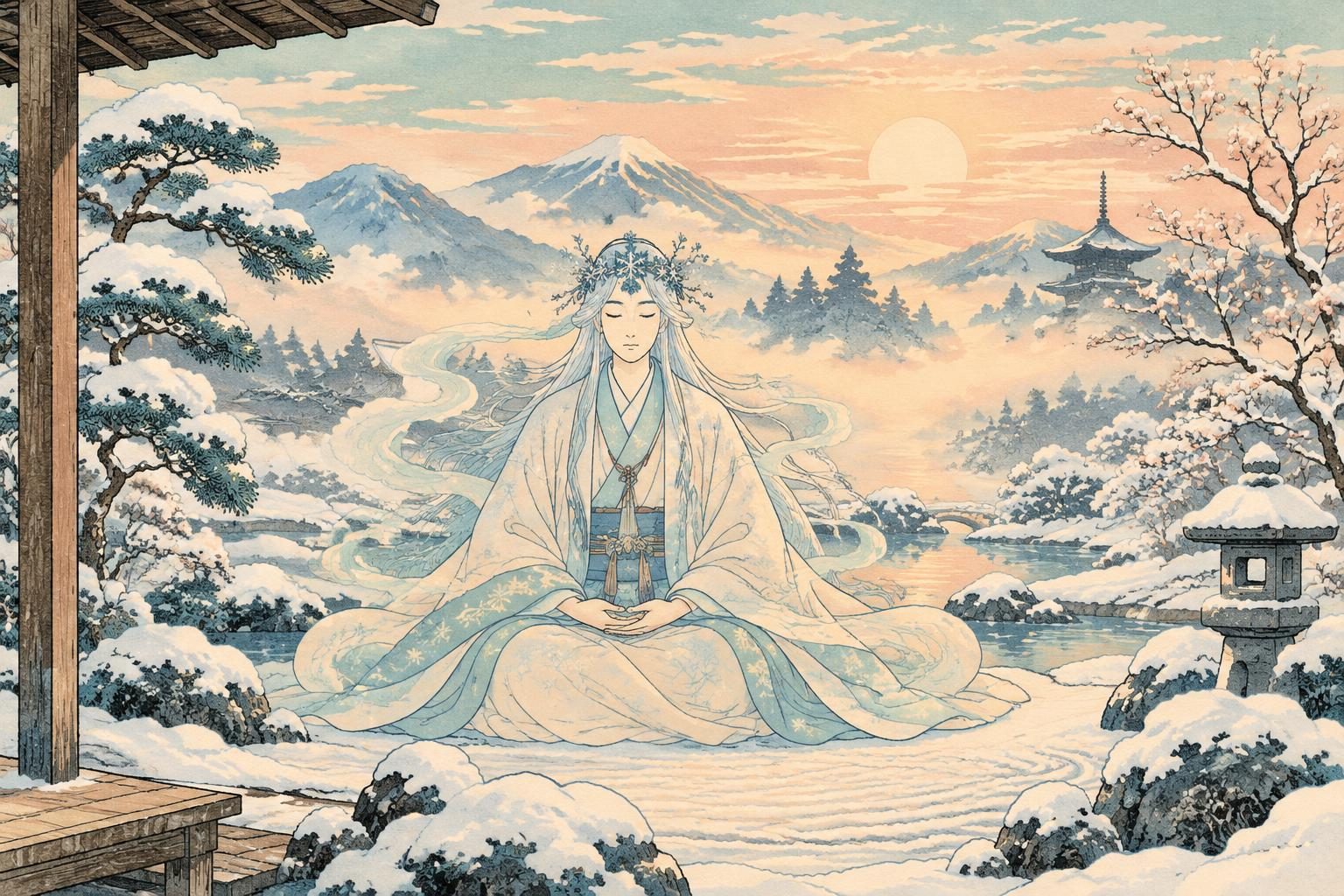
In the serene landscapes of Tohoku, Akita Prefecture offers a unique opportunity to embrace winter Zen meditation at two remarkable temples: Manpukuji in Kakunodate and Dairyuji on the Oga Peninsula. These temples provide a tranquil setting for zazen practice amidst the snow-covered gardens, inviting visitors to experience the meditative stillness of winter.


Embracing Winter Zen in Northern Japan
FACT: Manpukuji Temple in Kakunodate
Manpukuji Temple, located in the picturesque town of Kakunodate, Akita Prefecture, is a Sōtō-Zen Buddhist temple renowned for its zazen meditation sessions. This practice is a cornerstone of Zen Buddhism, focusing on seated meditation to cultivate mindfulness and inner peace. At Manpukuji, visitors are guided by the head monk through this profound experience. Participants receive instruction in posture and the Zen method, ensuring they can fully engage with the practice. The experience includes changing into traditional robes, which adds a layer of authenticity and immersion, and using a small cushion to sit comfortably. This practice allows participants to immerse themselves in the tranquility of Zen amidst the historic ambiance of Kakunodate, often referred to as the ‘Little Kyoto of Michinoku’ due to its well-preserved samurai architecture and scenic beauty.
FACT: The Setting of Manpukuji
Kakunodate itself is a town steeped in history, known for its samurai district and cherry blossom trees. The town’s nickname, ‘Little Kyoto,’ reflects its cultural richness and aesthetic appeal. Visitors to Manpukuji can enjoy the serene environment, which is particularly enchanting in winter when the gardens are blanketed in snow. This setting enhances the meditative experience, providing a sense of stillness and reflection that is central to Zen practice. The temple offers a unique opportunity to step away from the hustle and bustle of modern life and find a moment of peace and introspection.
FACT: Dairyuji Temple on the Oga Peninsula
Dairyuji, a community-based Sōtō-shū Zen Buddhist temple, is situated on the Oga Peninsula in Akita. This temple is open daily, welcoming visitors to a serene environment where snow blankets the garden during winter, creating a picturesque landscape. The temple complex includes the Rakusuitei Garden, a highlight of the site, where a pagoda-style bell tower (tahōtō) offers panoramic views of the Sea of Japan. This bell tower is unique in Japan, serving both as a pagoda and a bell tower, allowing visitors to strike the large bell and partake in a traditional practice that resonates with the spiritual ambiance of the temple.
FACT: The Rakusuitei Room
Within Dairyuji, the Rakusuitei room provides a peaceful space for reflection and relaxation. Meditation cushions are available for visitors, inviting them to engage in zazen amidst the tranquil setting. This room, overlooking the water garden, is an ideal spot for meditation, offering a quiet retreat where one can connect with nature and the essence of Zen. The temple also offers zazen and sutra copying by reservation, allowing visitors to deepen their Zen practice. Sutra copying, or shakyo, involves transcribing Buddhist scriptures, a meditative practice that fosters concentration and spiritual connection.
Reflection: The Spirit of Winter Zen
The quiet of winter can provide a setting for personal reflection and meditation. This is an editorial observation about the atmosphere, not a documented local legend about either temple.

Practicing Zazen and Sutra Copying in Tohoku
FACT: Zazen and Sutra Copying at Dairyuji
At Dairyuji Temple, visitors can engage in zazen meditation and sutra copying, practices that are integral to Zen Buddhism. Zazen, or seated meditation, is a core practice that helps individuals cultivate mindfulness and inner peace. The practice involves sitting in a specific posture, focusing on breathing, and allowing thoughts to pass without attachment. Sutra copying, known as shakyo, involves transcribing Buddhist scriptures as a form of meditation and devotion. This practice is believed to purify the mind and accumulate merit, offering a tangible connection to the teachings of Buddhism. These activities are available by reservation, allowing participants to fully engage with the spiritual practices of Zen in a serene winter landscape.


Planning Your Meditative Winter Journey to Akita
For those planning to visit these temples, it’s important to check the official websites for current hours, fees, and access details. The winter season offers a unique backdrop for meditation, with snow-covered gardens enhancing the stillness and beauty of the temples. The combination of natural beauty and spiritual practice makes a visit to these temples a deeply enriching experience, providing a respite from the demands of everyday life and an opportunity to explore the depths of Zen meditation.
Nearby Guide
Access
- Kakunodate Station (Kakunodate, Akita) — Manpukuji is approximately 10 minutes away by car. The official experience listing asks participants to arrive by taxi; no transfer is provided. official experience information
Nearby sights
- Kakunodate Samurai District (Kakunodate, Akita) — Explore the well-preserved samurai residences and gardens in this historic district, often referred to as the ‘Little Kyoto of Michinoku.’ official site
- Unganji Temple (Kakunodate, Akita) — Visit the oldest temple in Kakunodate, built in 1450, featuring a Sanmon gate designated as a tangible cultural property of Akita Prefecture. details
Where to stay
- Wanoi Kakunodate (Kakunodate, Akita) — Experience staying in renovated traditional storehouses, offering a unique glimpse into the town’s history and culture. official site
Where to eat
- Kosendo (Kakunodate, Akita) — Enjoy local specialties like Inaniwa udon, a type of thin, flat noodle unique to the region, served in a clean, flying-fish broth. details


Regional guide
Location: Kakunodate, Akita Prefecture
- Dairyuji Rakusuitei water-garden and pagoda bell-tower (Ogashi) — source
- Rakusuitei garden room at Dairyuji (Ogashi) — source
Sources
- Travel Logs – Tohoku | JAPAN ADVENTURE
- Rakusui Garden Dauryuji (Oga City, Akita Prefecture)|Search Destinations in Tohoku | TRAVEL TO TOHOKU – The official tourism website of Tohoku, Japan
- Dairyuji Zen Temple, Japan
- Kakunodate Samurai District
- Unganji Temple
- Wanoi Kakunodate
- Kosendo
To explore further, visit Zenkei (禅景) for Zen-inspired onigawara art and Oni Kobo (鬼工房) for onigawara demon-tile art and charms.
東北の静かな風景の中で、秋田県は角館の満福寺と男鹿半島の大龍寺という2つの素晴らしい寺院で冬の禅の瞑想を体験するユニークな機会を提供しています。これらの寺院は、雪に覆われた庭園の中で座禅を行うための静かな環境を提供し、訪問者に冬の瞑想的な静けさを体験するよう招待します。
北日本での冬の禅を受け入れる
事実: 角館の満福寺
秋田県の美しい町、角館に位置する満福寺は、座禅の瞑想セッションで知られる曹洞宗の仏教寺院です。この実践は禅仏教の基盤であり、座った瞑想を通じてマインドフルネスと内なる平和を育むことに焦点を当てています。満福寺では、訪問者は住職の指導のもと、この深遠な体験をします。参加者は姿勢と禅の方法について指導を受け、実践に完全に没頭できるようにします。この体験には、伝統的な衣装に着替えることが含まれ、真実味と没入感が加わり、快適に座るための小さなクッションを使用します。この実践により、参加者は角館の歴史的な雰囲気の中で禅の静けさに没頭することができ、保存状態の良い武家建築と風光明媚な美しさから「みちのくの小京都」とも呼ばれています。
事実: 満福寺の環境
角館自体は歴史に満ちた町で、武家屋敷と桜の木で知られています。この町のニックネーム「小京都」は、その文化的豊かさと美的魅力を反映しています。満福寺を訪れる人々は、特に冬には雪に覆われた庭園が魅力的な静かな環境を楽しむことができます。この環境は瞑想体験を高め、禅の実践において中心的な静けさと反省の感覚を提供します。この寺院は、現代生活の喧騒から離れ、平和と内省のひとときを見つけるユニークな機会を提供します。
事実: 男鹿半島の大龍寺
大龍寺は、秋田の男鹿半島に位置する地域に根ざした曹洞宗の禅仏教寺院で、毎日開放されており、冬には雪が庭を覆い、絵のように美しい風景を作り出す静かな環境で訪問者を歓迎します。寺院の複合施設には、サイトのハイライトである楽水亭庭園が含まれており、鐘楼を兼ねた多宝塔が日本海のパノラマビューを提供します。この鐘楼は日本で唯一のもので、塔と鐘楼の両方として機能し、訪問者が大きな鐘を打ち、寺院の精神的な雰囲気と共鳴する伝統的な実践に参加することができます。
事実: 楽水亭の部屋
大龍寺内の楽水亭の部屋は、反省とリラクゼーションのための静かな空間を提供します。訪問者は瞑想クッションを利用して、静かな環境の中で座禅に参加することができます。この部屋は、水庭を見渡す理想的な瞑想スポットであり、自然と禅の本質に触れる静かな隠れ家を提供します。寺院では、予約制で座禅と写経も提供しており、訪問者が禅の実践を深めることができます。写経は仏教の経典を写すことで、集中力と精神的なつながりを育む瞑想的な実践です。
随想: 冬の禅の精神
冬の静けさは、自分と向き合い、瞑想するための背景となり得ます。これは寺院の雰囲気についての編集部の感想であり、満福寺や大龍寺に伝わる地域の伝承として紹介するものではありません。
東北での座禅と写経の実践
事実: 大龍寺での座禅と写経
大龍寺では、訪問者は座禅瞑想と写経に参加することができ、これらの実践は禅仏教に不可欠です。座禅、つまり座った瞑想は、個人がマインドフルネスと内なる平和を育むのを助ける核心的な実践です。この実践は、特定の姿勢で座り、呼吸に集中し、考えを執着せずに流すことを含みます。写経として知られる写経は、仏教の経典を写すことで、瞑想と献身の形として行われます。この実践は心を浄化し、功徳を積むと信じられており、仏教の教えとの具体的なつながりを提供します。これらの活動は予約制で提供されており、参加者が静かな冬の風景の中で禅の精神的な実践に完全に没頭できるようにします。
秋田への瞑想的な冬の旅を計画する
これらの寺院を訪れる予定の方は、最新情報は公式サイトでご確認ください。冬の季節は、雪に覆われた庭園が寺院の静けさと美しさを高めるユニークな背景を提供します。自然の美しさと精神的な実践の組み合わせは、これらの寺院への訪問を非常に豊かな体験にし、日常生活の要求からの休息と禅の瞑想の深さを探求する機会を提供します。
周辺ガイド
アクセス
- 角館駅(秋田県仙北市)— 満福寺までは車で約10分。公式の体験案内は「送迎なし・タクシーでお越しください」としています。公式体験案内
周辺の見どころ
- 角館武家屋敷(秋田県角館)— 保存状態の良い武家屋敷と庭園を探索し、「みちのくの小京都」とも呼ばれるこの歴史的地区を楽しんでください。公式サイト
- 雲巌寺(秋田県角館)— 1450年に建てられた角館最古の寺院を訪れ、秋田県の有形文化財に指定された山門を特徴としています。詳細
泊まる
- 和のゐ 角館(秋田県角館)— 改装された伝統的な蔵に泊まり、町の歴史と文化を垣間見るユニークな体験を提供します。公式サイト
食べる
- 古泉洞(秋田県角館)— 地域特産の稲庭うどんを楽しみ、あご(飛魚)だしで提供されるこの地域独特の細く平たい麺を味わってください。詳細
地域ガイド
場所: 秋田県角館
Leave a Reply