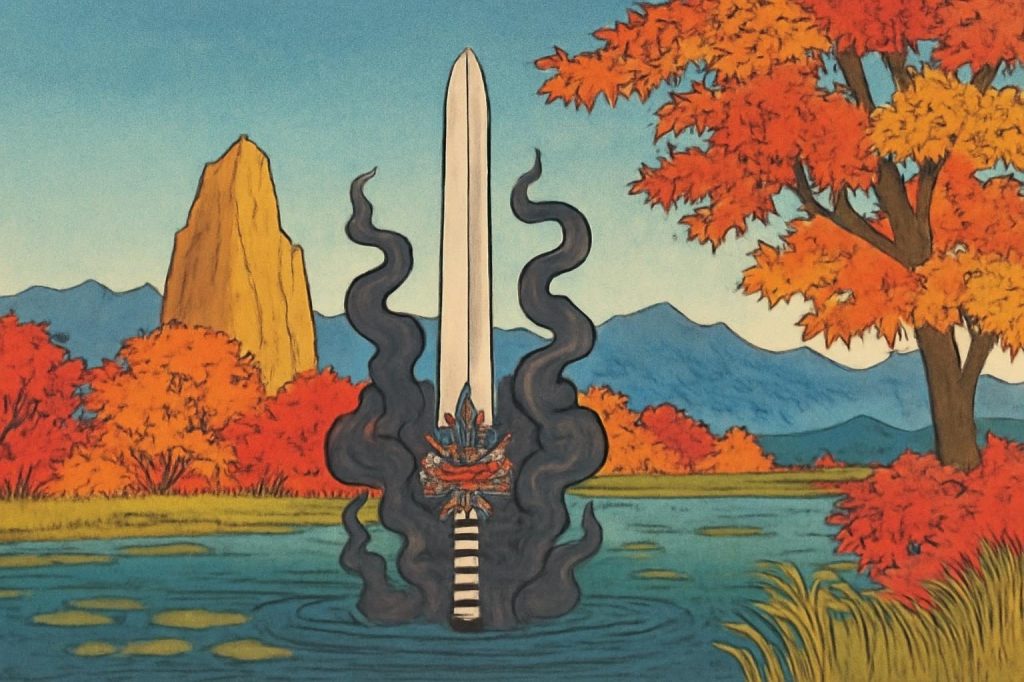
In the heart of Hokkaido, the city of Asahikawa holds a chilling legend of the Ipetam, a demon sword said to possess a terrifying hunger for rocks. This tale, deeply rooted in Ainu folklore, centers around the mysterious Tateiwa Rock in the Kamuikotan area, a place where myth and reality intertwine.
What Is the Ipetam? The Legend of Hokkaido’s Man-Eating Sword
LEGEND: The story of the Ipetam in Asahikawa
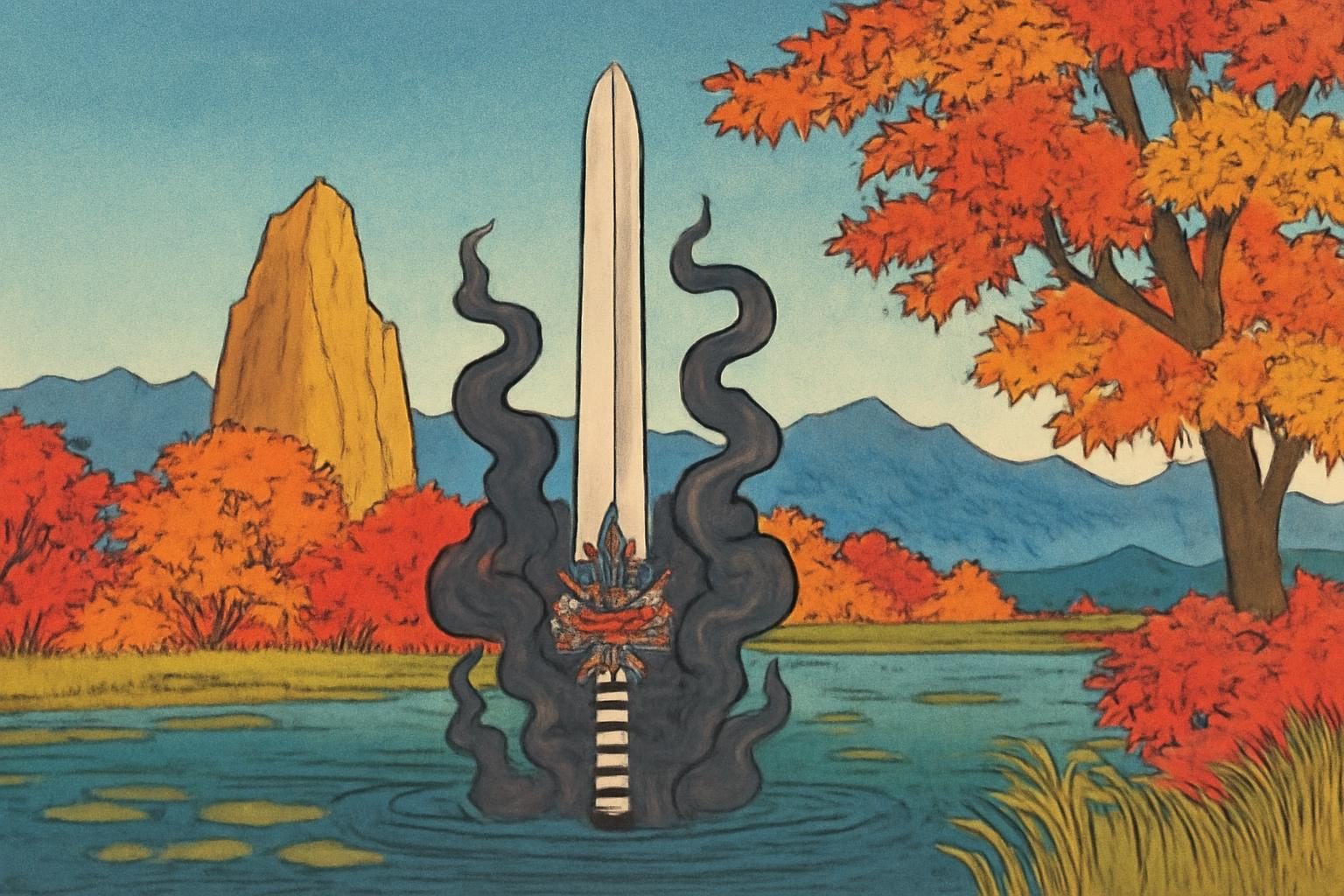
According to local tradition in Asahikawa, the Ipetam is not just any sword but a demon blade with a voracious appetite for stones. The legend speaks of two Ipetam swords that were kept inside a box. The swords were so powerful and restless that they began to rattle and scrape against the stones within the box, creating an unsettling noise. Terrified by the ominous sounds, the owner of the swords decided to cast them into a bottomless swamp to rid himself of their eerie presence. As the swords disappeared into the depths, a rock shaped like a sword emerged on the shore, now known as Tateiwa, or the Man-Eating Sword Rock.
This story is a vivid example of how the Ainu people have used folklore to explain natural phenomena. The emergence of a sword-shaped rock from the swamp is seen as a physical manifestation of the supernatural events described in the legend. The tale is often recounted with a sense of awe and caution, reminding listeners of the mysterious powers that are believed to reside in the natural world.
LEGEND: Variants of the Ipetam legend
While the core story of the Ipetam remains consistent, some variations exist. In certain accounts, the swords are said to have been wrapped in a glowing cloth, adding an element of supernatural light to their already fearsome reputation. Other versions emphasize the terrifying noise of the swords scraping against the rocks, a sound so unsettling that it drove the owner to dispose of them in the swamp. These variations highlight the rich oral tradition surrounding the Ipetam and the creativity with which the Ainu people have passed down their stories.
These variations not only add depth to the legend but also reflect the diverse cultural influences that have shaped Ainu storytelling. The glowing cloth, for instance, could symbolize the spiritual energy believed to be inherent in sacred objects, while the emphasis on sound underscores the sensory experiences that are often central to oral traditions.
The Myth of Kamuikotan: Where Gods and Spirits Meet
LEGEND: Spiritual significance of Kamuikotan
Kamuikotan, the area surrounding Tateiwa Rock, is steeped in spiritual lore. The name itself, derived from Ainu language, means “the place where gods dwell.” This gorge along the Ishikari River is believed to be a sacred site where the spiritual and physical worlds converge. The presence of the Ipetam legend adds to the mystical aura of the region, making it a place of both reverence and caution for those familiar with its stories.
Visitors to Kamuikotan often report a sense of tranquility and respect for the natural surroundings. The area’s spiritual significance is palpable, with the landscape serving as a reminder of the ancient beliefs that continue to influence local culture. The convergence of the Ishikari River and the surrounding mountains creates a dramatic setting that enhances the mystical qualities of the site.
LEGEND: The broader context of Ainu mythology
The legend of the Ipetam is part of a larger tapestry of Ainu folklore that includes epic battles between gods and spirits. The Ishikari River, which flows through Kamuikotan, is often depicted as a battleground for these mythical conflicts. Samaikur, a powerful deity, and Ninnekamui, a fearsome spirit, are among the figures said to have clashed along its banks. These stories enrich the cultural landscape of Hokkaido, offering a glimpse into the spiritual world of the Ainu people.
The Ainu’s rich mythological tradition provides a framework for understanding the natural world and the forces that govern it. By weaving together tales of gods and spirits, the Ainu have created a narrative that explains the origins of the landscape and the events that have shaped it. This mythology continues to be an essential part of the cultural identity of the Ainu people.

Tateiwa Rock: The Physical Manifestation of the Demon Blade
FACT: Tateiwa Rock in Asahikawa
Tateiwa Rock, located in the Kamuikotan area of Asahikawa, stands as a testament to the Ipetam legend. This natural rock formation, resembling a sword, is a popular site for visitors intrigued by the tale of the demon blade. While the rock itself is a natural geological feature, its shape and the stories surrounding it have made it a significant cultural landmark in the region.
Visitors to Tateiwa Rock can explore the site and its surroundings, taking in the breathtaking views and the sense of history that permeates the area. The rock’s unique shape has made it a subject of fascination for both locals and tourists, who often ponder the connection between the legend and the natural world.
FACT: The geological wonder of Tateiwa
Beyond its legendary associations, Tateiwa Rock is a fascinating geological formation. Visitors to the site can appreciate the natural beauty of the rock, which stands prominently against the backdrop of the lush landscape. The rock’s sword-like appearance is an example of how natural formations can inspire and intertwine with human stories and beliefs.
The geological features of Tateiwa Rock are a testament to the power of nature to shape the landscape in ways that capture the human imagination. The rock’s formation is a result of centuries of natural processes, yet its appearance has led to its association with the supernatural, illustrating the enduring impact of folklore on our perception of the world.
Rituals and Terrors: Tales of the Glowing Wrapper and Rattling Stones
LEGEND: Ritual elements in the Ipetam story
In some versions of the Ipetam legend, the swords are not only wrapped in a glowing cloth but are also said to be involved in rituals that enhance their mystical powers. These elements of the story suggest a deep connection between the swords and the spiritual practices of the Ainu people, reflecting their beliefs in the power of objects to hold spiritual significance.
The ritualistic aspects of the legend highlight the importance of ceremony and tradition in Ainu culture. The glowing cloth and the rituals associated with the swords may represent the community’s efforts to harness and control the supernatural forces embodied by the Ipetam, emphasizing the role of ritual in maintaining harmony between the spiritual and physical worlds.

Visiting Kamuikotan: How to Experience Asahikawa’s Mythological Landscape
FACT: Exploring the Kamuikotan area
For those interested in experiencing the mythological landscape of Asahikawa, a visit to Kamuikotan is a must. The area offers stunning natural beauty alongside its rich cultural heritage. Visitors can explore the Ishikari River gorge, where the legend of the Ipetam unfolds, and view Tateiwa Rock, the physical manifestation of the demon sword. While there, it’s important to respect the local customs and the spiritual significance of the site. Check the official website for current hours, fees, and access information.
Exploring Kamuikotan allows visitors to immerse themselves in the history and mythology of the region. The area’s natural beauty and cultural significance make it a unique destination for those seeking to connect with the stories and traditions of the Ainu people. As you wander through the landscape, the legends of the Ipetam and other mythical tales come to life, offering a deeper understanding of the cultural and spiritual heritage of Hokkaido.

Related on JAPAN ESSENCE: Exploring Ainu Legends: The Cursed Ipetam Sword and Kamuy Kotan in Asahikawa | Exploring Kamui Kotan: Geology and Ainu Legend in Asahikawa
Sources
To explore further, visit Onigawara Experience for hands-on onigawara experiences in Japan and Zenkei (禅景) for Zen-inspired onigawara art.


_No._1.JPG)

Leave a Reply