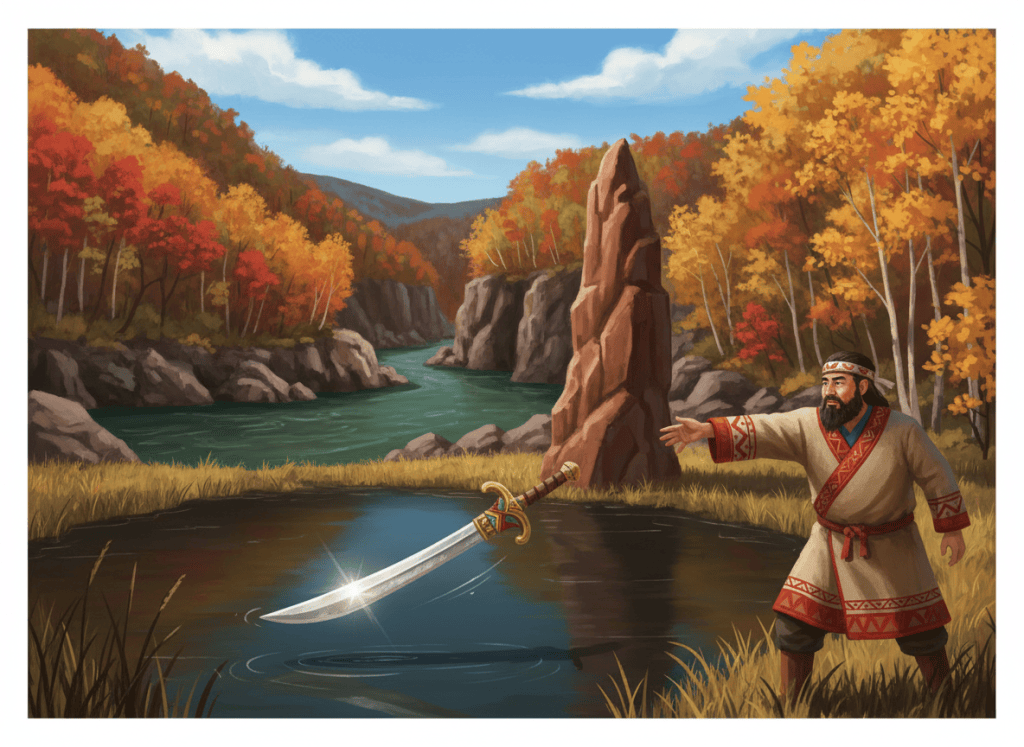
In Asahikawa, Hokkaido Prefecture, lies a captivating tapestry of Ainu legends, where the supernatural Ipetam sword and the sacred gorge of Kamuy Kotan weave a rich narrative of mystery and mythology. These stories, passed down through generations, offer a glimpse into the spiritual world of the Ainu, the indigenous people of Japan, whose traditions and beliefs are deeply intertwined with the natural landscape of the region.
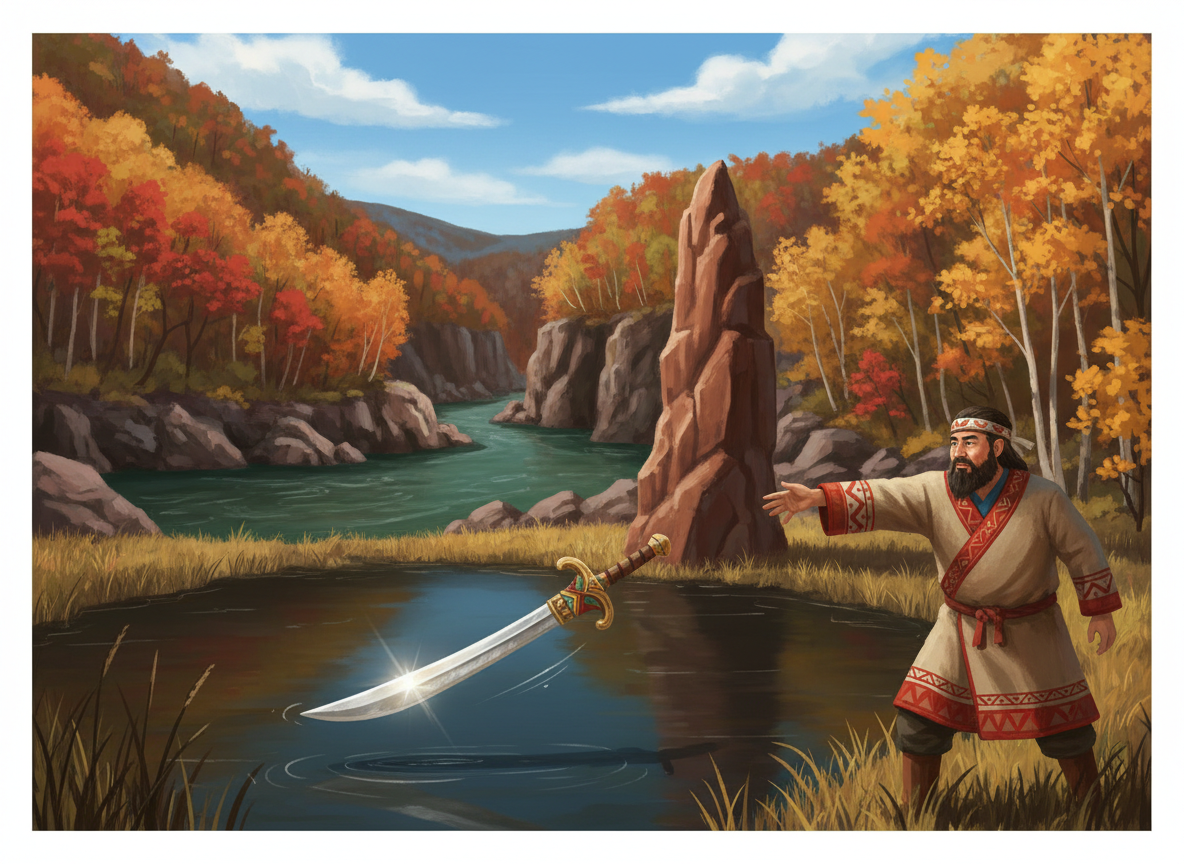
Introduction to Ainu Mythology and Asahikawa’s Folklore
FACT: The Ainu and Their Mythological Heritage
The Ainu, indigenous people of Japan, have a rich cultural heritage steeped in mythology and folklore. Their stories often feature gods, spirits, and supernatural phenomena, reflecting their deep connection with nature and the spiritual world. In Asahikawa, these tales are particularly vivid, with local landmarks serving as reminders of legendary events. The Ainu’s reverence for nature is evident in their mythology, where every element of the natural world is imbued with spiritual significance and often personified in the form of gods or spirits. This deep-seated belief system has been preserved through oral traditions, rituals, and cultural practices that continue to be celebrated today.
Visitors to Asahikawa can experience this rich cultural tapestry through various local festivals and cultural events that showcase Ainu music, dance, and storytelling. These events provide a window into the Ainu’s spiritual world, offering a unique opportunity to engage with their living traditions. The Ainu’s connection to nature is not only a historical aspect but also a vibrant part of their contemporary identity, influencing their art, crafts, and daily life.
The Legend of Ipetam: The Supernatural Man-Eating Sword
FACT: What the Records Say
The Ipetam is a legendary sword in Ainu mythology, known as the ‘man-eating sword’. Its name is derived from the Ainu words ‘ipe’, meaning ‘eat’, and ‘tam’, meaning ‘sword’. This etymology highlights its fearsome reputation. Recorded Ainu tales describe such swords as acting of their own accord: in some accounts an ipetam rattles and, once drawn, cannot be sheathed until it has drawn blood; in others it flies through the air to attack. The notion of a sword that can ‘eat’ speaks to the Ainu’s imaginative storytelling, where inanimate objects are often given life and agency. This concept reflects a broader cultural theme in Ainu mythology, where objects and natural elements are believed to possess spirits, known as kamuy, that can influence the human world.
The Ipetam’s fearsome reputation is further enhanced by its portrayal in various tales and legends, where it is often depicted as an object of immense power and danger. This legendary status has made it a subject of fascination and intrigue, drawing both locals and visitors to explore the myths surrounding this enigmatic weapon. The Ipetam serves as a powerful symbol of the Ainu’s rich narrative tradition, embodying themes of power, danger, and the supernatural.
LEGEND: The Bottomless Swamp and the Man-Eating Sword
The official Japan Heritage site of the Kamikawa Ainu presents the legend Sokonashi Numa to Yōtō (The Bottomless Swamp and the Eerie Sword): where the strange red rock Tateiwa rises about eight metres, there was once a bottomless swamp, and a leader of an Ainu village threw a man-eating sword into it. A sword discovered at the bottom of the swamp is still enshrined as the object of worship at Suijin Ryūō Shrine (the Ryuo Shinto Shrine to the Water God). In Ainu, the swamp is called Asam-sak-to (bottom – lacking – swamp) and Tateiwa is Ipetam-suma (man-eating sword – rock). The rock is said to have been named for its resemblance to a sword, and it is also said to be the very sword that was thrown into the swamp.
Variant: a different version, recorded by the folklorist Sarashina Genzō as told by Ishiyama Akisaburō of Chikabumi, Asahikawa (summarised in the Wikipedia article on Ipetam), tells of an old man who owned two such swords. When he put stones in their box, the swords ate them with a grating noise; fearing that he would be eaten next, he consigned them to the bottomless swamp, after which a rock shaped like a pair of swords stood up from the water at the edge of the swamp. This two-sword version is a variant and differs from the account on the official site, which speaks of a single sword thrown in by a village leader.

Tateiwa Rock: The Physical Manifestation of the Cursed Blade
FACT: Tateiwa Rock Today
Tateiwa is a strange red rock about eight metres high in Asahikawa. It is listed as “Tateiwa Rock, the Man-Eating Sword” among the cultural properties of the Japan Heritage story “Kamikawa Ainu in Coexistence with Kamuy”, alongside Suijin Ryūō Shrine, where the sword from the swamp is enshrined. Its Ainu name, Ipetam-suma, ties the rock directly to the legend.
Asahikawa City has placed a historical marker, “Sokonashi-numa and Tateiwa Legend Site”, in Kamui-chō Chūwa at the entrance to Suijin Ryūō Shrine. The city’s text notes that two stories are attached to the swamp and the rock: the tale of the village’s eerie sword and a separate tale of a tragic love between two young people. The official pages do not describe the rock’s geology, so no geological claims are made here.
LEGEND: The Emergence of Tateiwa
In the official telling, Tateiwa is said to be the very sword that was thrown into the bottomless swamp, and its sword-like shape is what gave it the name Ipetam-suma. In the variant recorded by Sarashina, by contrast, a rock shaped like a pair of swords stood up from the water at the edge of the swamp after the two swords were consigned to it.
Kamuy Kotan: The Sacred Gorge of the Demon and the Hero God
FACT: The Natural Beauty of Kamuy Kotan
Kamuy Kotan, a gorge in Asahikawa, is revered for its stunning natural beauty and spiritual significance. The name ‘Kamuy Kotan’ translates to ‘Village of the Gods’, reflecting its importance in Ainu culture. The gorge is a popular destination for those seeking to experience the serene landscapes and connect with the spiritual heritage of the Ainu people. The Ishikari River runs through the gorge, and its waters here were treacherous: the Ainu prayed to the gods for safe passage each time they travelled through, and the Kotan Festival is held every September to calm the spirit of the demon and pray for safe travel. This natural beauty is complemented by the area’s rich cultural history, making Kamuy Kotan a must-visit destination for those interested in Ainu culture and mythology.
Visitors to Kamuy Kotan can explore the gorge’s scenic trails and enjoy the breathtaking views of the surrounding landscape. The area’s natural beauty is enhanced by its cultural significance, offering a unique opportunity to experience the Ainu’s spiritual connection to the land. Whether hiking along the river or simply taking in the views, visitors can feel the presence of the gods in the tranquil beauty of Kamuy Kotan, making it a place of reflection and inspiration.
LEGEND: The Battle of Gods at Kamuy Kotan
According to the Legend of Samaykur told by the Kamikawa Ainu, the demon Nitnekamuy, who tried to destroy the Kamikawa Ainu, was struck down by the sword of the hero god Samaykur and turned to stone. The potholes along the river are said to be the demon’s footprints, a rock just upstream bears the marks of Samaykur’s sword, and rocks on opposite banks are said to be the demon’s head (Nitnekamuy Sapa) and body (Nitnekamuy Netopake). The story of this divine conflict is etched into the landscape, with the boulders and rocky formations serving as silent witnesses to the legendary struggle. This legend underscores the Ainu’s belief in the power of the gods to shape the natural world, reflecting their deep reverence for the divine forces that govern the landscape.
The tale of the battle at Kamuy Kotan is more than just a story; it is a cultural narrative that explains the origins of the landscape and the forces that shaped it. This legend provides insight into the Ainu’s worldview, where natural phenomena are often attributed to the actions of gods and spirits. By visiting Kamuy Kotan, one can appreciate the intricate relationship between myth and geography, gaining a deeper understanding of the cultural significance of this sacred site.

Visiting Asahikawa’s Ainu Cultural and Natural Landmarks
Visitors to Asahikawa can explore these legendary sites and immerse themselves in the rich tapestry of Ainu mythology. Tateiwa Rock and Kamuy Kotan offer a unique opportunity to experience the intersection of natural beauty and cultural heritage, making them must-visit destinations for anyone interested in Japan’s indigenous folklore. As you walk through these sacred sites, you can feel the weight of history and legend, a reminder of the enduring power of Ainu culture and its stories. These landmarks not only offer a glimpse into the past but also serve as a testament to the resilience and vitality of Ainu traditions in the present day.
For those planning a visit, engaging with local guides and cultural interpreters can enhance the experience, providing valuable insights into the stories and significance of these sites. By learning about the legends and the cultural context behind them, visitors can gain a deeper appreciation for the Ainu’s rich heritage and the landscapes that have inspired their stories for generations.

Related on JAPAN ESSENCE: Exploring Kamui Kotan: Geology and Ainu Legend in Asahikawa | Exploring Japanese Folklore: The Yōkai Legends of Kameoka and Nantan
Sources
- Ipetam – Wikipedia
- Hokkaido Yokai and Kamui Encyclopedia — Koropokkuru, Ipetam, Onikuma, and Ainu Anomalies | YOKAI.JP
- Tateiwa Rock, the Man-Eating Sword | Kamikawa Ainu in Coexistence with Kamuy~ Traditional World of the Gods at the Foot of Mt. Daisetsu ~
- 立岩・人喰い刀岩 | カムイと共に生きる上川アイヌ(日本遺産)
- The Ryuo Shinto Shrine to the Water God | Kamikawa Ainu in Coexistence with Kamuy
- Kamuy Kotan – the Battle Between Demon and God | Kamikawa Ainu in Coexistence with Kamuy
- 史跡等表示板 底無沼・立岩伝説の地 | 旭川市
To explore further, visit Oni Kobo (鬼工房) for onigawara demon-tile art and charms and Zenkei (禅景) for Zen-inspired onigawara art.


Leave a Reply