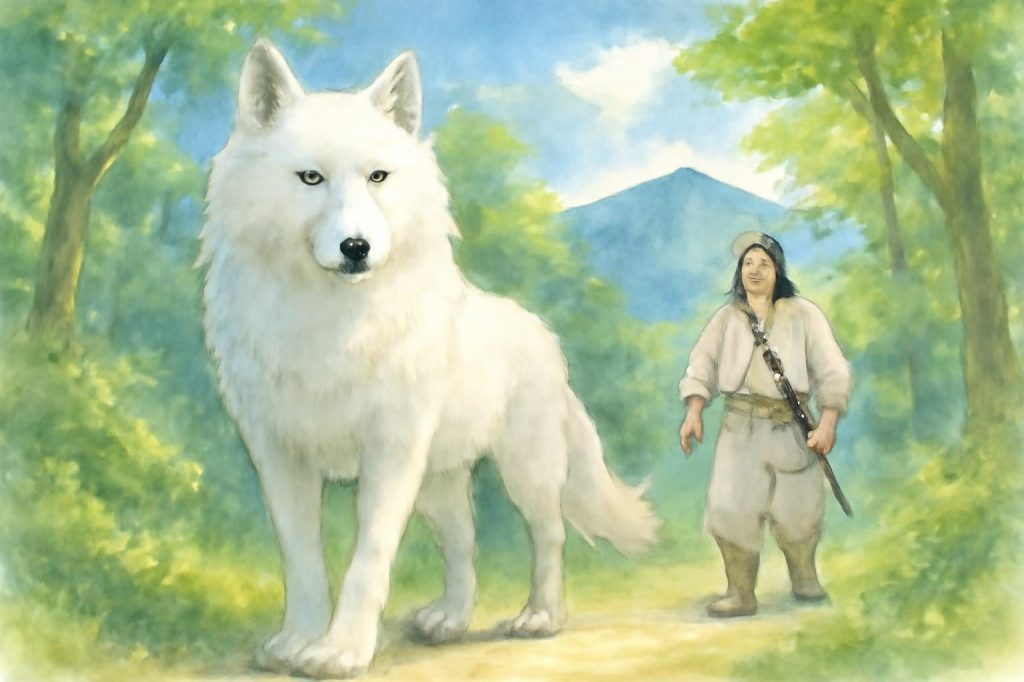
High above the bustling metropolis of Tokyo, Mount Mitake in Ōme City offers a serene escape into the spiritual world of ancient Japan. At its summit lies Musashi Mitake Jinja, a shrine dedicated to the wolf deity Okuchi-no-Magami, also known as O-inu-sama, revered as a guardian spirit. This sacred site is a place where history, legend, and nature intertwine, providing visitors with a unique glimpse into Japan’s rich cultural tapestry.
Introduction to Mount Mitake and Musashi Mitake Jinja
FACT: The Shrine’s Location and Deity
Musashi Mitake Jinja is located near the summit of Mount Mitake, which stands at approximately 929 meters in Ōme, Tokyo. The shrine enshrines the wolf deity Okuchi-no-Magami, affectionately known as O-inu-sama, who is worshiped as a guardian god. This sacred site attracts visitors seeking spiritual solace and connection with nature. The shrine’s location, high in the mountains, adds to its mystical allure, offering panoramic views of the surrounding landscape and a sense of peace and tranquility.
Visitors to the shrine can experience the serene environment that has been a place of worship and pilgrimage for centuries. The path leading to the shrine is lined with towering trees, creating a natural canopy that enhances the mystical atmosphere. The journey itself is part of the spiritual experience, inviting introspection and a deeper connection with the natural world.
The Legend of Yamato-takeru and the White Wolf
LEGEND: The Story of the White Wolf
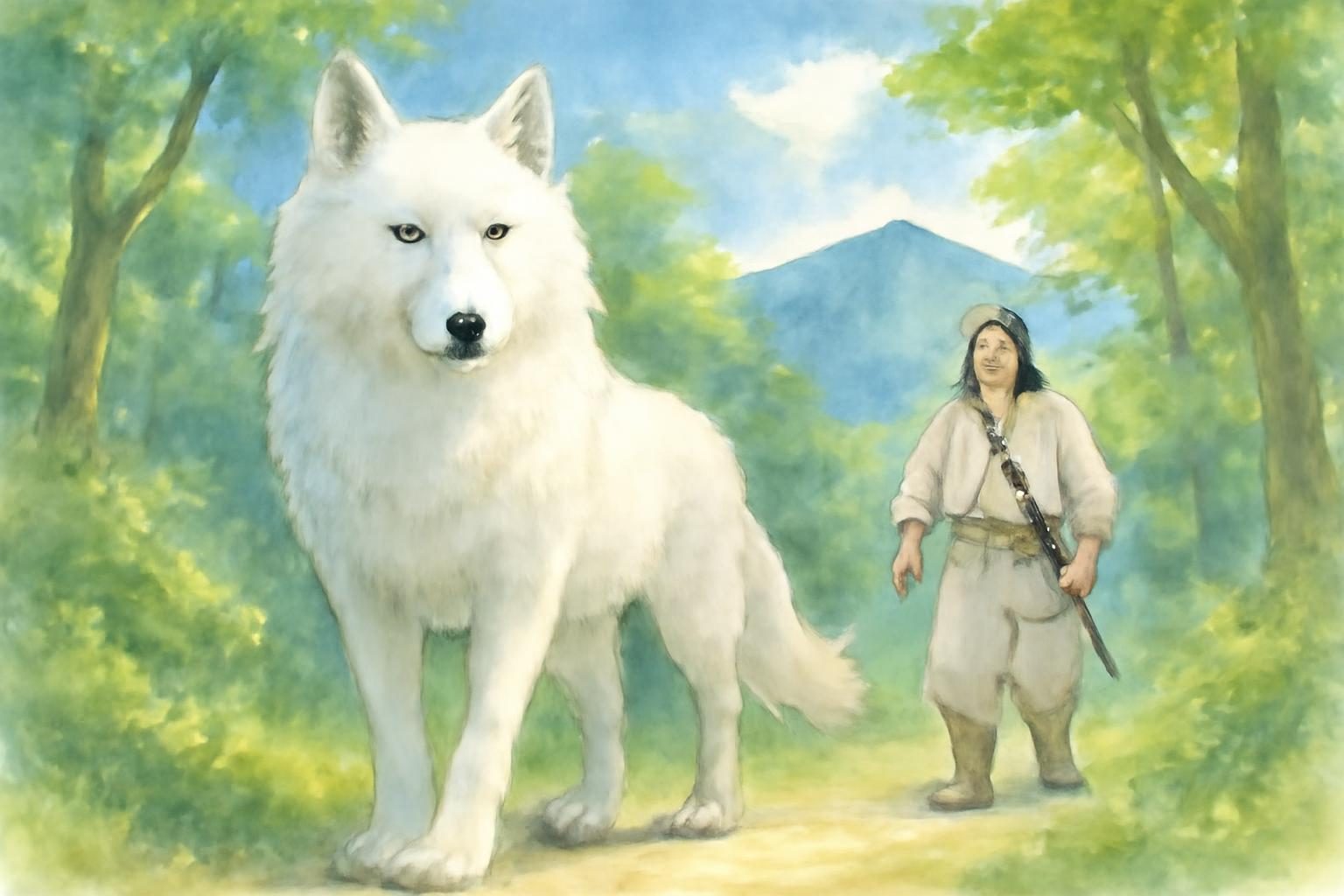
According to local legend, the warrior Yamato-takeru became lost during his eastern expedition on Mount Mitake. A white wolf appeared, guiding him to safety through the dense forest. In gratitude, Yamato-takeru deified the wolf as Okuchi-no-Magami, establishing the foundation for the shrine’s spiritual significance. This tale is a testament to the deep respect and reverence for nature and animals that is woven into the fabric of Japanese culture.
This legend is not just a story of survival but also a reflection of the symbiotic relationship between humans and nature. The wolf, as a guide and protector, symbolizes the harmony that can exist between the natural and human worlds. It is a reminder of the spiritual beliefs that see animals as messengers and protectors, bridging the gap between the earthly and the divine.
LEGEND: The Deer-Demon Variant
Another version of the legend recounts that before the white wolf’s guidance, Yamato-takeru encountered an evil deity disguised as a giant white deer. This malevolent spirit blocked his path, causing him to lose his way in a fog. It was after this encounter that the white wolf appeared to lead him to safety, further solidifying the wolf’s revered status. This variant of the legend adds a layer of drama and intrigue, highlighting the challenges and supernatural elements that are often present in Japanese folklore.
The presence of the deer-demon in this variant underscores the theme of overcoming obstacles with the help of divine intervention. It emphasizes the belief in supernatural forces at play in the natural world, where deities and spirits can influence human fate. This narrative variation enriches the cultural tapestry of the region, offering multiple layers of meaning and interpretation.

Understanding Okuchi-no-Magami: The Wolf as a Guardian Deity
FACT: The Cultural Role of O-inu-sama
Okuchi-no-Magami, or O-inu-sama, is venerated not only as a protector of travelers but also as a guardian of homes. During the Edo period, the O-inu-sama cult spread throughout the Kantō region, with Oshi priests distributing protective woodblock talismans bearing the wolf’s image. These talismans were believed to ward off evil and bring good fortune. The image of the wolf as a guardian reflects the broader cultural symbolism of wolves in Japan, where they are often seen as protectors and guides.
The talismans served as a tangible connection to the divine, allowing individuals to invite the protective presence of O-inu-sama into their homes. This practice illustrates the integration of spiritual beliefs into daily life, where the divine is not distant but actively engaged in the well-being of the community. The widespread distribution of these talismans highlights the popularity and influence of the wolf deity during this period.
Edo Period Traditions: The Spread of O-inu-sama Talismans
FACT: Talismans and Their Significance
In the Edo period, the image of O-inu-sama was widely disseminated through woodblock prints. These talismans were placed at house entrances as apotropaic charms, believed to protect the inhabitants from harm. The spread of these talismans helped to solidify the cult of O-inu-sama across the region. The practice of using talismans as protective charms is deeply rooted in Japanese tradition, reflecting a belief in the power of symbols to influence the spiritual realm.
These talismans were more than just protective symbols; they were a testament to the community’s shared beliefs and values. By placing them at their doorways, families expressed their trust in the protective power of O-inu-sama, reinforcing communal ties through a shared spiritual practice. This tradition exemplifies the enduring nature of cultural practices that adapt over time while maintaining their core significance.

Mount Mitake and Chichibu Mitsumine: A Kantō Mountain-Cult Pair
FACT: The Connection Between Shrines
Musashi Mitake Jinja and Mitsumine Shrine in Chichibu form a pair within the Kantō region’s mountain-cult tradition centered on wolf-worship. This pairing highlights the cultural significance of mountain shrines and the enduring reverence for the wolf deity. The relationship between these two shrines underscores a shared spiritual heritage and a common cultural identity centered on the veneration of nature and its guardians.
The duality of these shrines represents a broader cultural narrative where sacred sites are linked through shared deities and traditions. Pilgrims visiting these shrines participate in a spiritual journey that connects them to the ancient past, fostering a sense of continuity and belonging. The pairing of these shrines is a testament to the regional integration of spiritual practices, reflecting a unified cultural landscape.
Modern Pilgrimages: Dog-Loving Worshippers at Mount Mitake
FACT: Contemporary Worship Practices
Today, Musashi Mitake Jinja continues to attract worshippers, particularly those with a fondness for dogs. The shrine features dog-friendly water basins, where visitors can bless their canine companions, reflecting the enduring connection between the shrine’s wolf deity and modern pet culture. This contemporary practice is a testament to the adaptability of traditional beliefs, allowing them to remain relevant in a modern context.
The inclusion of dogs in the shrine’s rituals is a modern adaptation that resonates with today’s pet-loving society. It highlights the shrine’s ability to evolve and incorporate contemporary values while maintaining its historical roots. This practice not only honors the wolf deity but also strengthens the bond between humans and animals, echoing the ancient legends of guidance and protection.
Planning Your Visit to Mount Mitake from Tokyo
FACT: Access and Visitor Information
To visit Musashi Mitake Jinja, travelers can take a train from central Tokyo to Ōme, followed by a bus or cable car to the mountain. The journey offers a scenic escape from the city, with opportunities for hiking and exploring the natural beauty of Mount Mitake. Visitors can immerse themselves in the tranquil surroundings and experience the spiritual ambiance that has drawn pilgrims for centuries. Check the official website for current hours, fees, and access details.
The journey to Mount Mitake is as much a part of the experience as the destination itself. As visitors ascend the mountain, they are invited to leave behind the hustle of urban life and enter a realm of peace and reflection. The path to the shrine is an opportunity to engage with the landscape, offering moments of quiet contemplation and a deeper appreciation for the natural world.

Related on JAPAN ESSENCE: The Sacred Deer of Nara: Messengers of Kasuga Taisha Shrine | Discovering Hyōsube: The Hairy Water Spirits of Takeo’s Shiomi Shrine
Sources
- Musashi-Mitake-jinja Shrine
- Musashi Mitake-san O-inu-sama Legend|Legend from 寺社縁起・社寺由緒資料|IZANORA
- Musashi Mitake Shrine | Search Details | Japan Tourism Agency
To explore further, visit Oni Kobo (鬼工房) for onigawara demon-tile art and charms and Zenkei (禅景) for Zen-inspired onigawara art.


.jpg)
.jpg)

Leave a Reply