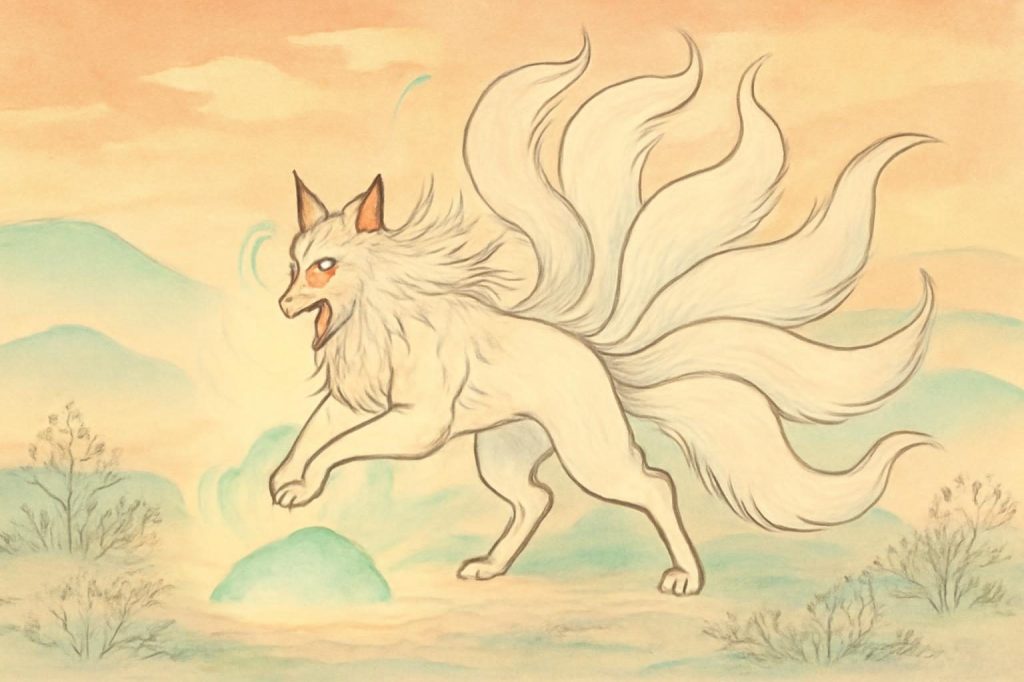
In Nasu, Tochigi Prefecture, lies the infamous Sesshō-seki, or Killing Stone, a site where legend and volcanic reality intertwine. This stone, steeped in myth and natural phenomena, draws visitors intrigued by its mysterious past and geological significance.

What Is the Sesshō-seki (Killing Stone)?
FACT: The Stone’s Location and Features
The Sesshō-seki is located about 200 meters north of Nasu Onsen Shrine in the sulfurous area above Nasu Yumoto Onsen. This volcanic region is renowned for its hot springs and sulfur emissions, which have historically contributed to the stone’s deadly reputation. The stone itself is a large volcanic rock, notable not only for its geological properties but also for its central role in local folklore. Visitors to the area are often captivated by the stark contrast between the serene beauty of the landscape and the ominous tales associated with the stone.
Surrounded by a landscape of geothermal activity, the stone sits in an area where the earth’s natural forces are visibly at work. The sulfurous fumes that rise from the ground create an otherworldly atmosphere, enhancing the stone’s mysterious allure. The site is accessible to visitors, who can walk along paths that offer views of both the stone and the surrounding natural beauty. The juxtaposition of tranquility and danger is a compelling aspect of the Sesshō-seki, drawing those interested in both natural wonders and cultural myths.
The Legend of Tamamo-no-Mae and the Nine-Tailed Fox
LEGEND: The Story of the Nine-Tailed Fox
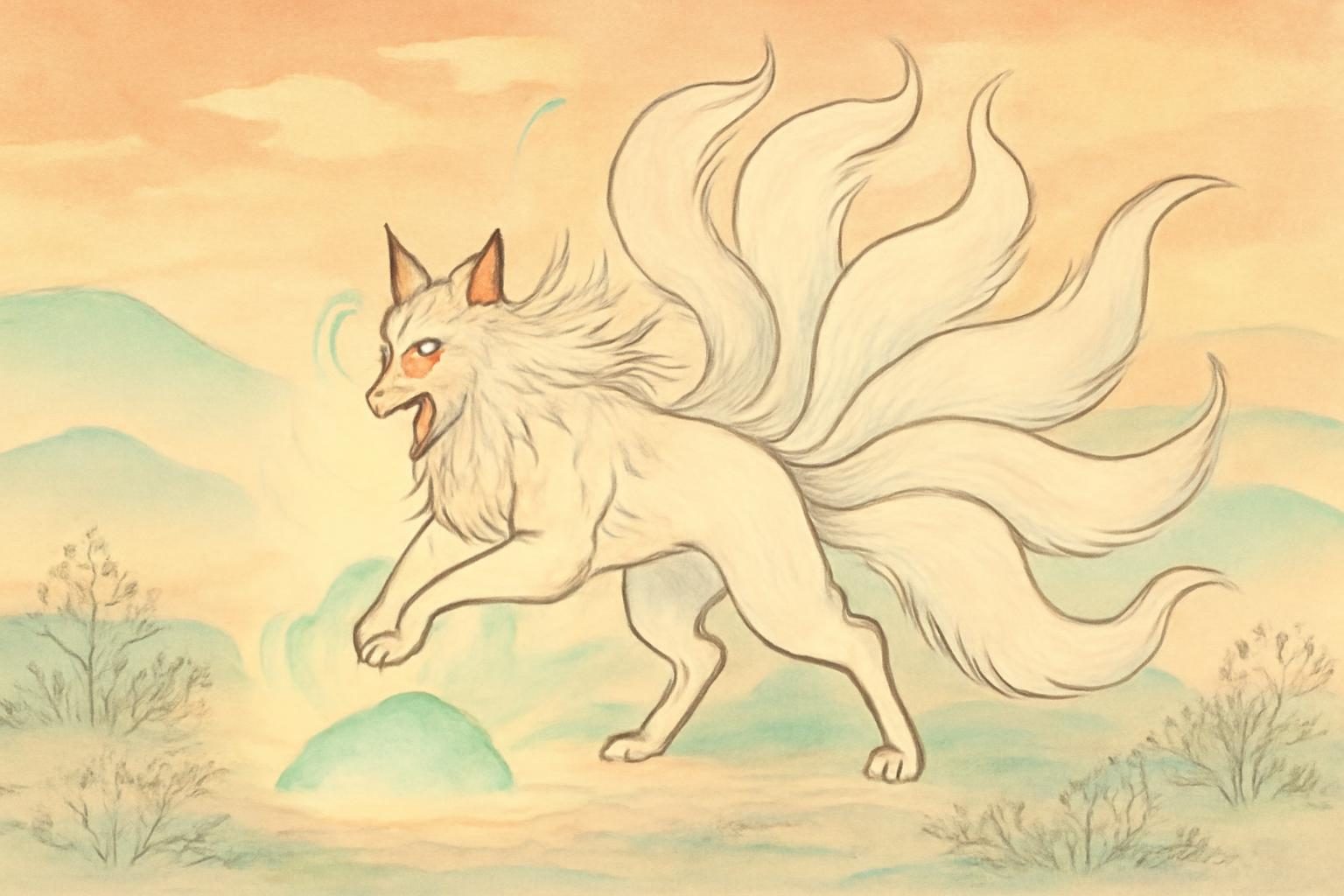
According to local legend, the Sesshō-seki is the transformed body of Tamamo-no-Mae, a beautiful woman who was actually a nine-tailed fox in disguise. This fox spirit is said to have served as a consort to Emperor Toba in the 12th century, bringing chaos and misfortune to the court. When her true identity was discovered, she fled and was eventually hunted down in Nasu, where she turned into the Sesshō-seki. The stone was believed to emanate a poisonous gas that killed anyone who approached it, hence its name, the Killing Stone. The tale of Tamamo-no-Mae is a classic example of the kitsune, or fox spirit, in Japanese folklore, representing both beauty and danger.
LEGEND: Variants and Local Accounts
While the core elements of the legend remain consistent, variations exist in different accounts. Some stories suggest that the stone’s deadly nature was due to the spirit of the fox, while others integrate the natural sulfur emissions as part of the legend itself. This blending of myth and reality is a testament to the enduring power of folklore in the region. According to some versions, the gases are seen as the lingering malevolence of the fox spirit, a supernatural explanation that intertwines with the scientific understanding of the area’s geothermal activity.
In some local narratives, the transformation of Tamamo-no-Mae into the stone is depicted as a dramatic event, with the fox spirit’s cries echoing through the hills of Nasu. These stories often emphasize the cunning and intelligence of the kitsune, traits that are both revered and feared in Japanese culture. The persistence of these tales in local storytelling highlights the cultural significance of the Sesshō-seki as a symbol of the mysterious and the unknown.

Volcanic Reality: Why the Stones Emitted Toxic Gases
FACT: Geological Explanation
The Sesshō-seki is situated in a volcanic area known for its geothermal activity. The sulfurous gases emitted from the ground are a natural occurrence in such regions, contributing to the stone’s lethal reputation. These gases, primarily hydrogen sulfide, are indeed toxic and have historically posed a danger to those who ventured too close. This natural phenomenon likely fueled the legend of the stone’s deadly power. The presence of these gases adds a layer of tangible danger to the mythical narrative, making the legend of the Sesshō-seki all the more compelling.
Geologists studying the area have noted that the volcanic activity is part of a larger geothermal system that includes the famous hot springs of Nasu. The emissions from the ground are a visible reminder of the earth’s dynamic processes, which have shaped both the landscape and the legends of the region. For visitors, the experience of standing near the Sesshō-seki is a visceral reminder of the power of nature, as the smell of sulfur and the sight of steam rising from the ground create a vivid sensory experience.
Monk Gennō and the Pacification of the Stone
LEGEND: The Monk’s Intervention
Legend tells of a monk named Gennō who, upon visiting Nasu, performed rituals to pacify the spirit of the nine-tailed fox. It is said that through his prayers and spiritual efforts, he was able to neutralize the stone’s deadly aura, allowing people to approach it safely. This story highlights the cultural significance of spiritual practices in addressing natural and supernatural threats in Japanese folklore. The intervention of Monk Gennō is often seen as a symbol of the triumph of human spirituality over malevolent forces, reflecting a common theme in many Japanese legends where spiritual purity and dedication can overcome evil.
The tale of Monk Gennō is celebrated in local folklore as an example of the power of faith and ritual. According to tradition, Gennō’s actions not only made the area safe for travelers and locals but also served as a reminder of the importance of harmony between humans and the spiritual world. This narrative reinforces the idea that spiritual intervention can bring peace and balance to places where natural and supernatural elements converge.

Literary History: Matsuo Bashō and the Oku no Hosomichi
FACT: Bashō’s Journey and the Stone
The famous haiku poet Matsuo Bashō visited the Sesshō-seki during his travels, as documented in his work “Oku no Hosomichi” (The Narrow Road to the Deep North). Bashō’s writings provide a historical account of the stone’s significance and its place in the cultural landscape of the Edo period. His observations add a literary dimension to the stone’s storied past, blending poetry with the natural and mythical elements of Nasu. Bashō’s visit underscores the stone’s importance not only as a geological feature but also as a cultural and literary landmark that continues to inspire artists and writers.
Bashō’s reflections on the Sesshō-seki capture the essence of the stone’s mystique, as he weaves together the natural splendor of the landscape with the haunting legends that surround it. His work serves as a testament to the enduring allure of the Sesshō-seki, which has captivated the imaginations of poets and travelers for centuries. For those interested in Japanese literature and history, Bashō’s account offers a glimpse into the cultural significance of the site during his time.
Recent Events: The Splitting of the Killing Stone
FACT: Natural Changes and Cultural Impact
In recent years, the Sesshō-seki has drawn attention due to natural changes in its structure. Reports of the stone splitting have sparked renewed interest and discussions about its cultural and geological significance. Such events remind us of the dynamic nature of geological formations and their ongoing influence on local traditions and beliefs. The splitting of the stone has been interpreted by some as a sign of the fox spirit’s release, adding a new chapter to the legend and reigniting public fascination with this mysterious site.
The event of the stone splitting has been a topic of both scientific and cultural discourse. Geologists view it as a natural occurrence, while local communities have embraced it as a continuation of the stone’s legendary narrative. This dual perspective highlights the complex relationship between natural phenomena and cultural storytelling, where each informs and enriches the other. The renewed interest in the Sesshō-seki following this event illustrates the stone’s enduring place in the cultural consciousness of Nasu.
How to Visit Sesshō-seki and Nasu Yumoto Onsen Safely
FACT: Visiting Tips and Safety Precautions
Visitors to the Sesshō-seki should exercise caution due to the area’s volcanic activity. It is advisable to stay on designated paths and heed any safety warnings regarding gas emissions. The nearby Nasu Yumoto Onsen offers a chance to experience the region’s geothermal wonders while enjoying the therapeutic benefits of its hot springs. Check the official website for current hours, fees, and access information. As with any natural site, respecting the environment and following safety guidelines ensures a safe and enriching visit.
For those planning a visit, understanding the balance between enjoying the natural beauty and respecting the potential hazards is key. The area provides an opportunity to witness the intersection of nature’s raw power and cultural heritage, offering a unique experience that is both educational and awe-inspiring. Visitors are encouraged to immerse themselves in the local culture and history, gaining a deeper appreciation for the legends and realities that define this remarkable location.

Related on JAPAN ESSENCE: Uncovering the Legend of Urashima Tarō at Ine’s Urashima Shrine | Yatagarasu Kumano Hongu Taisha: The Guiding Crow of Japan’s Sacred Path
Sources
To explore further, visit Onigawara Experience for hands-on onigawara experiences in Japan and Kawara Kobo (瓦工房) for a hands-on kawara experience.


Leave a Reply