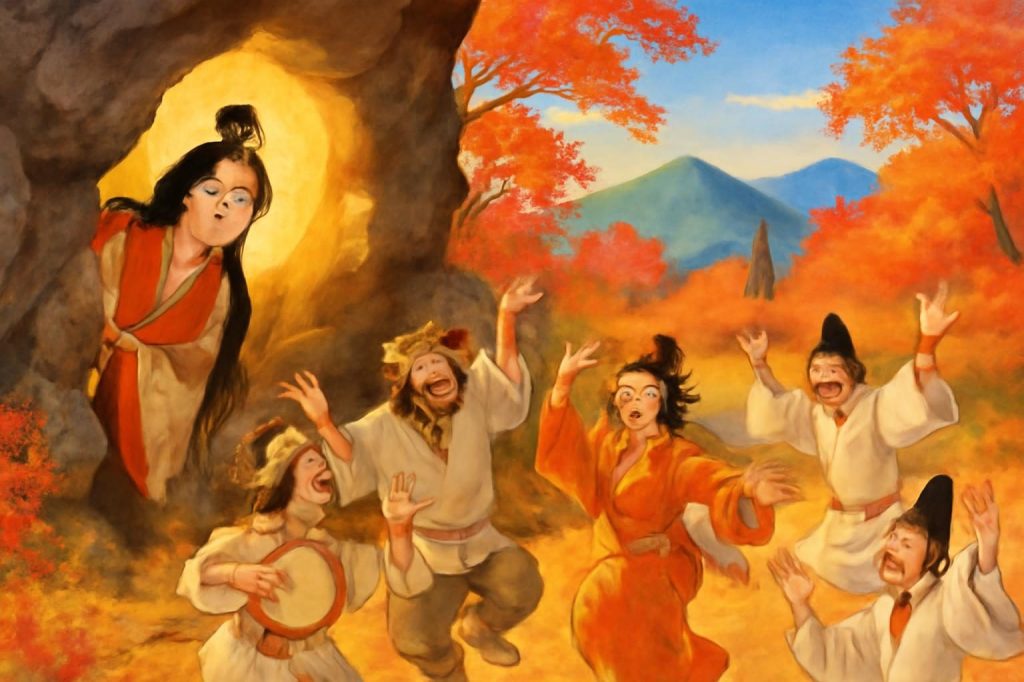
In the scenic town of Takachiho, Miyazaki Prefecture, lies Amano Iwato Shrine, a place steeped in myth and natural beauty. Known as the site where the sun goddess Amaterasu once hid, this shrine offers visitors a glimpse into Japan’s rich tapestry of mythology and spirituality.

Introduction to Takachiho and the Legend of the Heavenly Rock Cave
FACT: What the records say
Amano Iwato Shrine is located in Takachiho, a town renowned for its connection to Japanese mythology. The shrine is dedicated to the sun goddess Amaterasu, one of the most important deities in Shinto belief. According to historical records, the shrine has been a place of worship for centuries, drawing pilgrims and tourists alike to its sacred grounds. The shrine’s significance is not only spiritual but also cultural, as it embodies the essence of Shinto traditions and the reverence for nature and deities.
The shrine’s historical importance is also reflected in its architecture and layout, which are designed to harmonize with the natural landscape. Visitors to the shrine can experience a sense of tranquility and spiritual connection, as the serene environment encourages reflection and reverence. The presence of ancient trees and the gentle flow of the nearby river enhance the sacred atmosphere, making it a place where one can feel the enduring presence of the divine.
LEGEND: The story of Amaterasu’s hiding
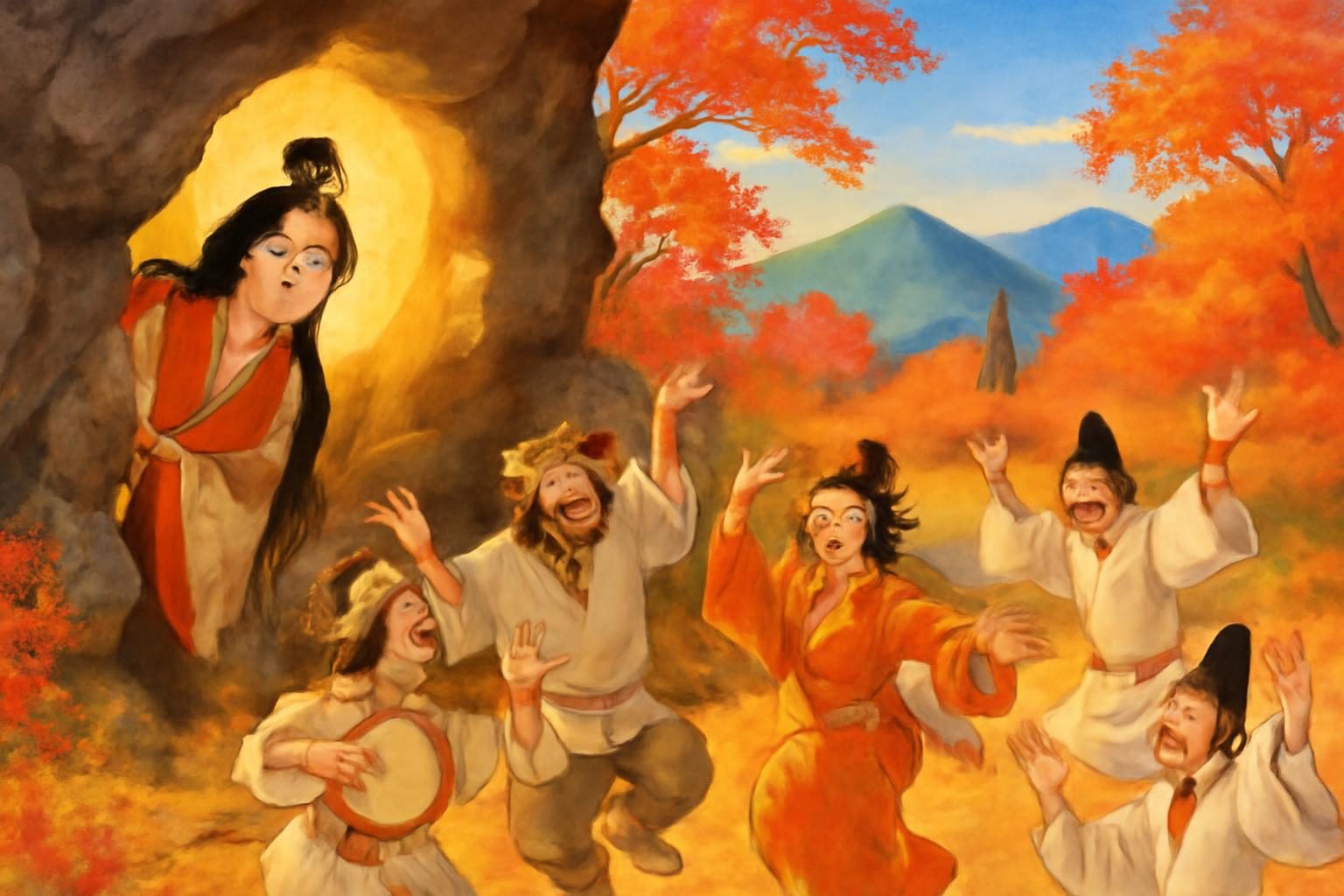
According to legend, Amaterasu hid herself in a cave called Amano Iwato after a dispute with her brother, Susanoo. Her withdrawal plunged the world into darkness, causing chaos among the gods. To lure her out, the other deities gathered outside the cave, performing dances and making noise. Intrigued by the commotion, Amaterasu peeked out, allowing light to return to the world. This story underscores the shrine’s significance as a symbol of light and renewal. The tale is a vivid illustration of the interplay between light and darkness, a theme that resonates deeply within Shinto mythology.
This legend is celebrated in various forms, including traditional dances and festivals that reenact the divine events. The story of Amaterasu’s seclusion and return is a powerful metaphor for the cycles of nature and the resilience of life. It serves as a reminder of the importance of harmony and balance, both in the natural world and in human relationships. Visitors to the shrine can feel the weight of this ancient story, as it continues to influence the cultural and spiritual life of the region.
Amano Iwato Shrine: The Two Sanctuaries and the Sun Goddess Amaterasu
FACT: The shrine’s layout and significance
Amano Iwato Shrine consists of two main sanctuaries: the West Shrine and the East Shrine. The West Shrine is situated near the cave where Amaterasu is said to have hidden. Visitors can view the cave from a designated observation point within the shrine grounds. This vantage point allows guests to connect with the legend and imagine the divine events that are said to have taken place there. The East Shrine, located nearby, serves as a place for worship and rituals dedicated to Amaterasu. These sanctuaries are not only places of reverence but also architectural marvels that reflect the harmony between human craftsmanship and natural surroundings.
The sanctuaries are carefully maintained to preserve their historical and spiritual significance. Visitors are encouraged to participate in the rituals and ceremonies held at the shrines, which provide an opportunity to engage with the local culture and deepen their understanding of Shinto beliefs. The shrine’s layout, with its carefully arranged pathways and sacred spaces, invites contemplation and a sense of connection to the divine. This thoughtful design enhances the spiritual experience, making a visit to Amano Iwato Shrine a journey into the heart of Japanese mythology.
LEGEND: The role of the deities
Local tradition holds that the deities who gathered to coax Amaterasu out of hiding played crucial roles in the myth. Among them was Ame-no-Uzume, the goddess of dawn and revelry, whose dance was pivotal in drawing Amaterasu’s attention. This legend highlights the collaborative efforts of the kami (gods) to restore balance to the world. The story of Ame-no-Uzume’s dance is celebrated as a testament to the power of joy and community in overcoming adversity, a theme that continues to inspire cultural practices in the region.
The dance of Ame-no-Uzume is often depicted in local festivals and performances, where her joyous and spirited movements symbolize the triumph of light over darkness. This celebration of life and renewal is a central theme in many cultural events in Takachiho, where the community comes together to honor their shared heritage. The legend of the deities’ collaboration serves as a reminder of the strength found in unity and the enduring power of hope and perseverance.

Journey to Amano Yasukawara: The Riverbed Cave of the Kami
FACT: Visiting Amano Yasukawara
A short walk from Amano Iwato Shrine leads to Amano Yasukawara, a cave along the Iwato River. This site is believed to be where the gods gathered to discuss how to bring Amaterasu out of hiding. The cave is marked by countless stone stacks, left by pilgrims as offerings and prayers for guidance and protection. The serene environment of Amano Yasukawara provides a contemplative space for visitors, inviting them to reflect on the legends and their own personal journeys.
As visitors approach the cave, they are greeted by the tranquil sound of the river and the sight of lush greenery surrounding the area. The path to the cave is lined with these stone stacks, each one representing a personal wish or prayer. This tradition of leaving stone offerings is a way for visitors to connect with the divine and participate in a ritual that has been practiced for generations. The peaceful ambiance of Amano Yasukawara encourages introspection and a sense of connection to the myths that have shaped the region’s cultural identity.
LEGEND: The gathering of the gods
According to local lore, Amano Yasukawara was the meeting place for the deities who devised the plan to coax Amaterasu from her seclusion. The stones stacked within the cave are said to represent the prayers and hopes of those who visit, echoing the divine assembly’s efforts to restore light to the world. This tradition of stone stacking serves as a tangible connection to the past, allowing modern visitors to participate in an age-old practice that symbolizes hope and unity.
This gathering of the gods is a central theme in the local storytelling tradition, where it is often recounted as a moment of divine intervention and cooperation. The story emphasizes the importance of collective action and the power of faith in overcoming challenges. The stone stacks at Amano Yasukawara are a testament to this enduring belief, offering a physical representation of the community’s shared hopes and aspirations. Visitors can feel the presence of the past as they contribute their own stones to this living tradition.
The Sacred Stone Stacks: Pilgrim Offerings Along the River
FACT: The tradition of stone stacking
The practice of stacking stones at Amano Yasukawara is a long-standing tradition. Pilgrims and visitors create these stacks as a form of prayer or wish, each stone representing a personal hope or plea. This custom connects modern visitors to the ancient myths that define the region. The act of stacking stones is both a meditative practice and a communal activity, fostering a sense of continuity and shared purpose among those who partake in it.
Stone stacking is seen as a way to communicate with the divine, offering a tangible expression of one’s desires and intentions. The simplicity of the act belies its profound significance, as each stone represents a connection to the spiritual world. This practice is an integral part of the pilgrimage experience, allowing visitors to leave a lasting mark on the sacred landscape and to participate in a tradition that transcends time and cultural boundaries.

Takachiho Yokagura: Reenacting the Ancient Myth Through Dance
FACT: The Yokagura dance performances
Takachiho is also famous for its Yokagura dances, which reenact the story of Amaterasu and the other deities. These performances take place annually from November to February, showcasing traditional music, dance, and costumes. The Yokagura serves as both entertainment and a cultural ritual, preserving the myths of Takachiho for future generations. The dances are a vibrant expression of the community’s cultural heritage, bringing the ancient legends to life through dynamic performances that engage both participants and spectators.
The Yokagura performances are a highlight of the cultural calendar in Takachiho, attracting visitors from across Japan and beyond. Each dance tells a part of the myth, with performers donning elaborate costumes and masks to portray the gods and goddesses. The rhythmic music and expressive movements capture the essence of the story, allowing audiences to experience the drama and emotion of the ancient tales. These performances are not only a celebration of the region’s rich history but also a testament to the enduring power of storytelling in preserving cultural identity.
Practical Tips for Visiting Amano Iwato Shrine in Miyazaki
FACT: Planning your visit
Visitors to Amano Iwato Shrine should check the official website for current hours, fees, and access information. The shrine is accessible by car or local bus services, and the surrounding area offers various amenities for travelers, including restaurants and souvenir shops. Respectful behavior is encouraged, as the site holds deep spiritual significance. Engaging with the local culture and traditions can enrich the experience, providing deeper insights into the spiritual and historical context of this revered site.
When planning a visit, it is important to consider the cultural norms and practices associated with visiting a sacred site. Visitors are encouraged to approach the shrine with a sense of reverence and mindfulness, participating in the rituals and ceremonies if possible. The local community is welcoming to those who wish to learn about their traditions, offering a unique opportunity to experience the living culture of Takachiho. By respecting the customs and engaging with the local heritage, visitors can gain a deeper appreciation for the spiritual and cultural significance of Amano Iwato Shrine.

Related on JAPAN ESSENCE: Uncovering the Legend of Urashima Tarō at Ine’s Urashima Shrine | Tracing the Momotaro Legend at Kibitsu Shrine in Okayama
Sources
- Amanoiwato Shrine – Wikipedia
- Amano Iwato Shrine | Search Details | Japan Tourism Agency
- Amano Iwato-jinja Shrine | Travel Japan – Japan National Tourism Organization (Official Site)
- Amano Iwato Shrine – Takachiho Travel
- Yokai and Myth Encyclopedia of Miyazaki Prefecture ── The Land of Heavenly Descent and Hyuga Myths | YOKAI.JP
- 【公式】天岩戸神社(あまのいわとじんじゃ)|天岩戸神話|宮崎県|高千穂町
To explore further, visit Onigawara Experience for hands-on onigawara experiences in Japan and Zenkei (禅景) for Zen-inspired onigawara art.


.jpg)
.jpg)


Leave a Reply