Category: Samurai & Warlords

Warlords, samurai and castles — the history of Japan’s warrior age, place by place. 武将・侍・城をめぐる歴史。

  • Tracing Samurai History: The Legend of Kusunoki Masashige at Sakurai Post Station

    Tracing Samurai History: The Legend of Kusunoki Masashige at Sakurai Post Station

    In the heart of Shimamoto, Osaka Prefecture, lies a site steeped in samurai history and legend: the Sakurai Post Station Site, where the poignant farewell of Kusunoki Masashige to his son is said to have taken place. This location serves as a powerful reminder of the loyalty and sacrifice that characterized the samurai spirit.

    Stele dedicated to Kusunoki Masashige, a 14th century hero, with calligraphy by Nogi Maresuke inscribed. Located in "Sakurai-
    “Sign of Maresuke Nogi in Sakurai DSCN2176 20110507” by Ogiyoshisan, Public domain, via Wikimedia Commons

    Introduction to Kusunoki Masashige and the Legend of Sakurai

    FACT: The Historical Setting

    The Sakurai Post Station Site, known as “Sakurai‑no‑eki Ato,” is a designated National Historic Site in Shimamoto Town. This designation was made on March 3, 1921, acknowledging its significance in Japanese history. The site is located immediately outside the east exit of JR Shimamoto Station, across a plaza, and is maintained as a small park adorned with monuments and camphor trees. These trees, often associated with strength and endurance, add a serene atmosphere to the site, inviting visitors to reflect on the past.

    The park’s layout is designed to offer a tranquil space for contemplation, with the camphor trees providing shade and a sense of continuity with nature. Visitors can stroll through the park, taking in the historical markers that narrate the story of Kusunoki Masashige and the legendary farewell. The proximity to the station makes it an accessible destination for both locals and tourists interested in Japan’s rich historical tapestry.

    LEGEND: The Tale of Farewell

    According to the 14th-century chronicle Taiheiki, Kusunoki Masashige, a loyal samurai of the Southern Court, parted with his son Masatsura at Sakurai Post Station. The story recounts how Masashige, aware of the impending defeat, sent his son home to continue the family cause. This moment, known as the ‘Farewell at Sakurai,’ has been immortalized in Japanese cultural memory. The tale is not just a story of parting but a testament to the enduring values of duty and honor that defined the samurai ethos.

    The Taiheiki, a historical epic, provides a dramatic account of this farewell, emphasizing the emotional weight of the decision Masashige had to make. By sending his son away, Masashige ensured that the family’s legacy would endure, even in the face of personal sacrifice. This narrative has been passed down through generations, highlighting the profound sense of duty that samurai like Masashige embodied.

    Samurai Kusunoki Masashige bidding farewell to his son under a pine tree in a vivid summer landscape.
    AI生成イメージ / AI-generated illustration (not a photograph of the actual place)

    Visiting the Sakurai Post Station Site in Shimamoto Town

    FACT: Monuments and Memorials

    Within the park, visitors can find several monuments commemorating this historical and legendary event. A stele inscribed by General Nogi Maresuke in 1913 stands as a tribute to Masashige’s valor. Nearby, a monument with a waka poem by Emperor Meiji, inscribed by Admiral Tōgō Heihachirō in 1931, further anchors the site in Japan’s rich historical tapestry. The statue of Masashige and his son, with an inscription by Konoe Fumimaro, captures the emotional gravity of their farewell, offering a poignant visual narrative for visitors to ponder.

    These monuments serve not only as historical markers but also as artistic expressions of the values and emotions associated with the story of Masashige. The inscriptions and artistic details invite visitors to engage with the past in a meaningful way, providing insight into the cultural significance of the site. The presence of these memorials underscores the importance of the Sakurai Post Station Site as a place of remembrance and reflection.

    LEGEND: The Parting Pine

    Local lore speaks of a pine tree known as the ‘parting pine’ or ‘standard-raising pine,’ where Masashige reportedly propped his banner during the farewell. According to the Japan Heritage database, the original tree withered toward the end of the nineteenth century, and only a fragment of it is preserved.

    Kita Osaka Shinkin Bank Shimamoto Branch - Kita Osaka Shinkin Bank, Buildings in Shimamoto, Osaka
    “Kita Osaka Shinkin Bank Shimamoto Branch” (Kita Osaka Shinkin Bank, Buildings in Shimamoto, Osaka) by Suikotei, CC BY-SA 4.0, source, via Wikimedia Commons

    The Tale of the Taiheiki: The Heartbreaking Father-Son Farewell

    LEGEND: A Story of Loyalty and Sacrifice

    The Taiheiki, a historical epic, provides the narrative framework for the legend of Kusunoki Masashige’s farewell. This chronicle portrays Masashige as a paragon of loyalty, choosing to part with his son to ensure the continuation of their cause. The story has inspired countless retellings and remains a poignant symbol of samurai virtue. The Taiheiki itself is a rich source of medieval Japanese history, blending fact with fiction to create a compelling narrative that continues to captivate audiences today.

    The enduring appeal of the Taiheiki lies in its ability to convey complex themes of loyalty, sacrifice, and honor through compelling storytelling. By weaving together historical events and legendary elements, the chronicle offers a multifaceted view of the samurai era, providing readers with a deeper understanding of the cultural and historical context of Masashige’s time.

    Kanshinji Temple: The Kusunoki Clan’s Family Temple in Kawachinagano (A Separate Trip)

    Note: Kanshinji is not near Shimamoto. It lies in Kawachinagano in southern Osaka Prefecture, on the opposite side of the Osaka area from Sakurai, so plan it as a separate outing.

    FACT: Historical Significance

    Kanshinji Temple in Kawachinagano is deeply connected to the Kusunoki clan. It serves as the family temple (bodaiji) and houses the tomb of Kusunoki Masashige’s severed head, known as the kubizuka. The temple is a significant site for those interested in the history of the Kusunoki family.

    LEGEND: The Young Masashige

    According to temple tradition, young Masashige, known as Tamonmaru, studied Buddhism at Kanshinji and learned military tactics from Oe Tokichika in Kagata. This early education laid the foundation for his later achievements as a samurai leader. The temple’s role in nurturing Masashige’s talents highlights the importance of spiritual and martial education in shaping the samurai’s character.

    The story of Masashige’s youth at Kanshinji Temple illustrates the blend of spiritual and martial influences that shaped his character. The temple’s teachings provided him with the moral and strategic foundation necessary for his future role as a leader, emphasizing the holistic approach to samurai education that balanced intellectual, spiritual, and physical development.

    Suwa Shimamoto 01 - Shrines in Shimamoto, Osaka
    “Suwa Shimamoto 01” (Shrines in Shimamoto, Osaka) by Bittercup, CC BY-SA 3.0, source, via Wikimedia Commons

    Practical Travel Tips for Exploring Osaka’s Samurai Heritage

    Visitors to Shimamoto can easily access the Sakurai Post Station Site, located just outside JR Shimamoto Station. The park is open at any time and free of charge, making it a convenient stop for travelers interested in Japan’s samurai history. Nearby, Minase Jingu Shrine is within walking distance. If you want to follow Kusunoki Masashige further, Kanshinji Temple in Kawachinagano is worth a separate trip, as it is far from Shimamoto in southern Osaka Prefecture.

    Nearby Guide

    Access

    • JR Shimamoto Station (Shimamoto, Osaka) — Directly outside the east exit of JR Shimamoto Station on the JR Kyoto Line; about 500 meters from Hankyū Minase Station. official site

    Nearby sights

    • Minase Jingu Shrine (Shimamoto, Osaka) — A shrine associated with the retired Emperor Go-Toba, known for its spring water, counted among Japan’s notable waters. official site
    • Suntory Yamazaki Distillery (Shimamoto, Osaka) — Japan’s well-known whisky distillery at the foot of Mt. Tennozan, about one train stop from Shimamoto. Check the official site for visit details. official site (access map)
    Locator map of Japan: Shimamoto, Osaka
    Legend site: Shimamoto, Osaka — Source: Map of Japan with highlight on 27 Osaka prefecture.svg; Map: Lincun, CC BY-SA 3.0, via Wikimedia Commons

    Regional guide

    Location: Shimamoto, Osaka Prefecture

    • Kanshin‑ji Temple (Kawachinagano; southern Osaka, a separate trip from Shimamoto) — source
    • Sakurai Post Station Site Park (Shimamoto) — source

    Sources

    About the author

    JAPAN ESSENCE Editorial Team
    Our mission is to bring you Japan’s legends, myths, festivals and living traditions, through both historical fact and the stories passed down over generations.

  • 武士の歴史をたどる:桜井駅跡での楠木正成の伝説

    武士の歴史をたどる:桜井駅跡での楠木正成の伝説

    大阪府島本町の中心に、武士の歴史と伝説に彩られた場所があります。それが桜井駅跡で、楠木正成が息子に別れを告げたとされる感動的な場所です。この場所は、武士の精神を象徴する忠誠と犠牲を思い起こさせる力強い記念碑となっています。

    Stele dedicated to Kusunoki Masashige, a 14th century hero, with calligraphy by Nogi Maresuke inscribed. Located in "Sakurai-
    “Sign of Maresuke Nogi in Sakurai DSCN2176 20110507” by Ogiyoshisan, Public domain, via Wikimedia Commons

    楠木正成と桜井の伝説の紹介

    事実: 歴史的背景

    桜井駅跡、通称「桜井の駅跡」は、島本町にある国指定の史跡です。この指定は1921年3月3日に行われ、日本の歴史におけるその重要性を認められました。この場所はJR島本駅の東出口を出てすぐの広場を越えたところにあり、記念碑やクスノキが飾られた小さな公園として整備されています。これらの木々は、しばしば強さと忍耐力に関連付けられ、訪れる人々に過去を振り返る静かな雰囲気を提供します。

    公園のレイアウトは、クスノキが日陰を提供し、自然との連続性を感じさせる静かな空間を提供するように設計されています。訪問者は公園を散策し、楠木正成の物語と伝説の別れを語る歴史的な標識を楽しむことができます。駅に近いため、日本の豊かな歴史に興味を持つ地元の人々や観光客にとってアクセスしやすい目的地となっています。

    伝承: 別れの物語

    14世紀の年代記『太平記』によると、南朝の忠実な武士である楠木正成は、桜井駅で息子の正行と別れました。この物語は、正成が敗北を予感し、息子を家に帰して家の大義を続けさせた様子を描いています。この瞬間は「桜井の別れ」として日本の文化的記憶に刻まれています。この物語は単なる別れの話ではなく、武士道を定義する義務と名誉の永続的な価値を証明するものです。

    『太平記』は、この別れの劇的な描写を提供し、正成が下さなければならなかった決断の感情的な重みを強調しています。息子を送り出すことで、正成は家族の遺産が個人的な犠牲にもかかわらず続くことを確実にしました。この物語は世代を超えて伝えられ、正成のような武士が体現した深い義務感を強調しています。

    Samurai Kusunoki Masashige bidding farewell to his son under a pine tree in a vivid summer landscape.
    AI生成イメージ / AI-generated illustration (not a photograph of the actual place)

    島本町の桜井駅跡を訪れる

    事実: 記念碑と記念物

    公園内には、この歴史的かつ伝説的な出来事を記念するいくつかの記念碑があります。1913年に乃木希典将軍によって刻まれた石碑は、正成の勇気に対する賛辞として立っています。近くには、1931年に東郷平八郎元帥によって刻まれた明治天皇の和歌が刻まれた記念碑があり、日本の豊かな歴史の中でこの場所をさらに強固にしています。正成とその息子の像は、近衛文麿による碑文とともに、彼らの別れの感情的な重みを捉え、訪問者に考えさせる感動的な視覚的物語を提供しています。

    これらの記念碑は、歴史的な標識としてだけでなく、正成の物語に関連する価値観と感情の芸術的表現としても機能しています。碑文や芸術的な詳細は、訪問者に過去と意味のある形で関わるよう促し、この場所の文化的意義についての洞察を提供します。これらの記念物の存在は、桜井駅跡が記憶と反省の場としての重要性を強調しています。

    伝承: 別れの松

    地元の伝承では、正成が別れの際に旗を立てたとされる「別れの松」または「旗立ての松」として知られる松の木が語られています。Japan Heritageのデータベースによると、元の木は19世紀末頃に枯れ、現在はその一部のみが保存されています。

    Kita Osaka Shinkin Bank Shimamoto Branch - Kita Osaka Shinkin Bank, Buildings in Shimamoto, Osaka
    “Kita Osaka Shinkin Bank Shimamoto Branch” (Kita Osaka Shinkin Bank, Buildings in Shimamoto, Osaka) by Suikotei, CC BY-SA 4.0, source, via Wikimedia Commons

    太平記の物語: 胸を打つ父と子の別れ

    伝承: 忠誠と犠牲の物語

    『太平記』は、楠木正成の別れの伝説の物語の枠組みを提供する歴史的な叙事詩です。この年代記は、彼らの大義を続けるために息子と別れることを選んだ忠誠の模範として正成を描いています。この物語は無数の再話を刺激し、武士の美徳の感動的な象徴として残っています。『太平記』自体は、中世日本の歴史の豊かな源であり、事実とフィクションを組み合わせて、今日でも観客を魅了し続ける説得力のある物語を作り出しています。

    『太平記』の永続的な魅力は、忠誠、犠牲、名誉といった複雑なテーマを説得力のあるストーリーテリングを通じて伝える能力にあります。歴史的な出来事と伝説的な要素を組み合わせることで、この年代記は武士時代の多面的な視点を提供し、正成の時代の文化的および歴史的な文脈をより深く理解することができます。

    観心寺: 河内長野にある楠木一族の菩提寺(別行程)

    ※観心寺は島本町の近くではありません。大阪府南部の河内長野市にあり、桜井駅跡とは大阪を挟んで反対側に位置するため、別の日程・行程でお訪ねください。

    事実: 歴史的意義

    河内長野にある観心寺は、楠木一族と深く結びついています。それは家族の菩提寺として機能し、楠木正成の首塚として知られる墓を収めています。この寺は、楠木家の歴史に興味のある人々にとって重要な場所です。

    伝承: 若き日の正成

    寺の伝統によれば、若き日の正成、通称多聞丸は、観心寺で仏教を学び、加賀田で大江時親から軍事戦術を学びました。この初期の教育が、彼の後の武士指導者としての業績の基礎を築きました。寺の役割は、正成の才能を育むことにおいて、武士の性格を形成する精神的および武術的教育の重要性を強調しています。

    観心寺での正成の若き日の物語は、彼の性格を形成した精神的および武術的影響の融合を示しています。寺の教えは、彼の将来の指導者としての役割に必要な道徳的および戦略的基盤を提供し、知的、精神的、身体的発展をバランスよく行う武士教育の全体的なアプローチを強調しています。

    Suwa Shimamoto 01 - Shrines in Shimamoto, Osaka
    “Suwa Shimamoto 01” (Shrines in Shimamoto, Osaka) by Bittercup, CC BY-SA 3.0, source, via Wikimedia Commons

    大阪の武士遺産を探索するための実用的な旅行のヒント

    島本町を訪れる人々は、JR島本駅のすぐ外にある桜井駅跡に簡単にアクセスできます。公園はいつでも開いており、無料で利用できるため、日本の武士の歴史に興味のある旅行者にとって便利な立ち寄り先となっています。近くでは水無瀬神宮が徒歩圏内です。楠木正成ゆかりの地をさらにたどるなら、河内長野市の観心寺がおすすめですが、島本町からは遠い大阪府南部にあるため、別の行程として計画してください。

    周辺ガイド

    アクセス

    • JR島本駅(大阪府島本町)— JR京都線のJR島本駅東出口のすぐ外に位置し、阪急水無瀬駅から約500メートルです。公式サイト

    周辺の見どころ

    • 水無瀬神宮(大阪府島本町)— 後鳥羽上皇に関連する神社で、その湧水は日本の名水に数えられています。公式サイト
    • サントリー山崎蒸溜所(大阪府島本町)— 天王山のふもとにある日本有数のウイスキー蒸溜所で、島本駅から電車で約1駅です。見学の詳細は公式サイトでご確認ください。公式サイト(アクセスマップ)
    Locator map of Japan: Shimamoto, Osaka
    Legend site: Shimamoto, Osaka — Source: Map of Japan with highlight on 27 Osaka prefecture.svg; Map: Lincun, CC BY-SA 3.0, via Wikimedia Commons

    地域ガイド

    所在地: 大阪府島本町

    • 観心寺(河内長野市・大阪府南部。島本町とは別行程)— source
    • 桜井駅跡公園(島本町)— source

    Sources

    執筆者

    JAPAN ESSENCE 編集部
    日本各地の伝説や神話、祭り、受け継がれてきた文化を、史実と言い伝えを皆様にお届けするのを使命としています。

  • 仙台城の鬼瓦:金箔瓦と失われた大手門をたどる

    宮城県の仙台城を知る手がかりは、屋根の小さな装飾にも残されています。発掘された破片と旧大手門の写真を見比べると、完全な姿では残っていない城の屋根に、少しずつ目を向けることができます。

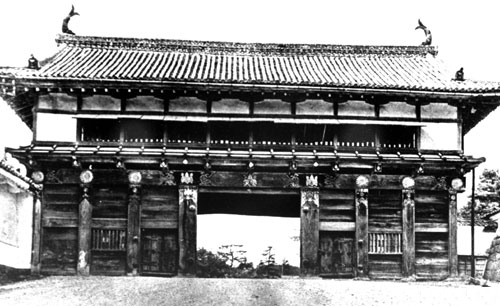
    1938年7月に撮影された仙台城の旧大手門
    1938年7月の仙台城旧大手門。発掘された鬼瓦そのものではなく、往時の門を写した写真。 Mainichi Shimbun; public domain, via Wikimedia Commons.

    発掘資料に残る金箔と屋根飾り

    仙台市の解説では、菊花の鬼瓦を含む金箔瓦56点と、本丸跡から出土した200点以上の鯱瓦片が紹介されています。鬼瓦と鯱瓦は異なる屋根飾りです。同市は、両者に装飾の役割と火伏せの意味があると説明する一方、江戸時代初期の仙台城で金箔瓦が使われた目的については、今後の研究が必要としています。

    発掘からたどる大手門

    2023〜2024年の調査を扱う仙台市の報告には、大手門周辺から見つかった鬼瓦が記されています。また、1945年の空襲によって赤く変色した瓦も紹介されています。こうした出土品は、建築の歴史と、門が失われた時の物的な痕跡とを結びつけています。

    破片を建物の姿へ結びつける

    市の発掘調査パンフレットによると、大手門は藩主の通行や儀式の際に開かれる特別な入口で、高さ約12.5メートル、幅約20メートルありました。2024年に出土した鬼瓦は、戦前の屋根の姿を考えるための資料として位置づけられています。

    2007年3月25日の仙台城跡の石垣。城跡の景観を紹介する参考写真。
    2007年3月25日の仙台城跡の石垣。城跡の景観を紹介する参考写真。 Photo: Yamaguchi Yoshiaki, CC BY-SA 2.0, via Wikimedia Commons.

    火伏せの意味をどう読むか

    屋根飾りに託された火伏せの願いは、歴史的な象徴として受け止めることが大切です。出土品は、装飾が使われた場所や残された痕跡を伝えますが、超自然的な力を実証するものではありません。また、金箔があるというだけで、建物の政治的な意味が確定するわけでもありません。破片、解説、古写真を照らし合わせるところから、仙台城の屋根の歴史が見えてきます。

    参考資料

    執筆者:JAPAN ESSENCE 編集部

    日本各地の伝説や神話、祭り、受け継がれてきた文化をお届けします。

  • Sendai Castle’s Onigawara: Roof Tiles, Gold and the Lost Ōtemon

    Roof ornaments offer a small-scale way into the history of Sendai Castle in Miyagi. Fragments recovered by archaeologists, together with photographs of the former Ōtemon gate, invite us to look closely at a roofscape that no longer survives intact.

    The former Ōtemon gate of Sendai Castle photographed in July 1938
    Sendai Castle’s former Ōtemon, July 1938. A historic view of the gate, not a photograph of an excavated onigawara. Mainichi Shimbun; public domain, via Wikimedia Commons.

    Excavated evidence: gold and roof ornaments

    Sendai City records 56 gilded tile pieces, including a chrysanthemum onigawara, and more than 200 shachi-tile fragments from the main enclosure. These are different kinds of roof ornament. The city associates onigawara and shachi with decoration and fire-averting symbolism. It also cautions that the purpose of gilded tiles at early-Edo Sendai Castle requires further research.

    A gate recovered through archaeology

    The city’s report on investigations in 2023–2024 records an onigawara from the Ōtemon area. It also describes tiles reddened by the 1945 air raid. Such finds connect architectural history with the physical traces of the gate’s destruction.

    Putting the fragments in context

    A municipal excavation leaflet describes Ōtemon as a special entrance used for the lord and ceremonial occasions. The gate measured approximately 12.5 metres high and 20 metres wide. The leaflet identifies the onigawara discovered in 2024 as evidence for understanding the roof before the war.

    Sendai Castle stone walls, 25 March 2007. A contextual photograph of the castle ruins.
    Sendai Castle stone walls, 25 March 2007. A contextual photograph of the castle ruins. Photo: Yamaguchi Yoshiaki, CC BY-SA 2.0, via Wikimedia Commons.

    How to read a protective ornament

    The historical belief that a roof ornament could avert fire should be understood as symbolism. Archaeological objects can document where ornament was used and what survived; they cannot demonstrate supernatural protection. Likewise, a gold surface alone does not settle the political meaning of a building. Here, the most revealing story lies in the relationship between the excavated fragments, the written interpretation and the surviving photograph.

    Sources

    JAPAN ESSENCE Editorial Team

    Stories of Japan’s legends, myths, festivals and cultural heritage.

  • Exploring Sekkei-ji: Temple No. 33 on the Shikoku Pilgrimage

    Exploring Sekkei-ji: Temple No. 33 on the Shikoku Pilgrimage

    In Kochi City, Kochi Prefecture, lies Sekkei-ji, a temple steeped in history and spiritual significance as Temple No. 33 on the famous Shikoku Pilgrimage. This revered site offers a profound connection to Japan’s rich religious heritage and serves as a vital spiritual waypoint for pilgrims from around the world.

    Layout of Sekkei-ji temple at Kôchi, Japan
    “Sekkei-ji Plan” by Fraxinus2, CC BY-SA 4.0, via Wikimedia Commons

    Introduction to Sekkei-ji: Temple No. 33 of the Shikoku Pilgrimage

    FACT: Historical Background and Significance

    Sekkei-ji, located in Kochi City, is an integral part of the Shikoku Pilgrimage, a revered journey encompassing 88 temples across the island of Shikoku. This pilgrimage is more than a physical journey; it is a spiritual quest for many, attracting both local and international visitors seeking enlightenment and reflection. Each temple on this path holds unique significance, and Sekkei-ji, as the 33rd temple, offers pilgrims a place of respite and contemplation. The pilgrimage itself is rooted in the teachings of Kūkai, the founder of Shingon Buddhism, and serves as a means for practitioners to deepen their faith and understanding.

    The Shikoku Pilgrimage is not just a test of physical endurance but a journey of spiritual awakening. Pilgrims, known as “ohenro,” often wear traditional white clothing and carry a staff, symbolizing their commitment to the path. Along the way, they engage in rituals such as chanting sutras and offering prayers at each temple. Sekkei-ji, with its serene environment, provides a perfect setting for such spiritual practices, allowing pilgrims to connect with the divine and reflect on their personal journeys.

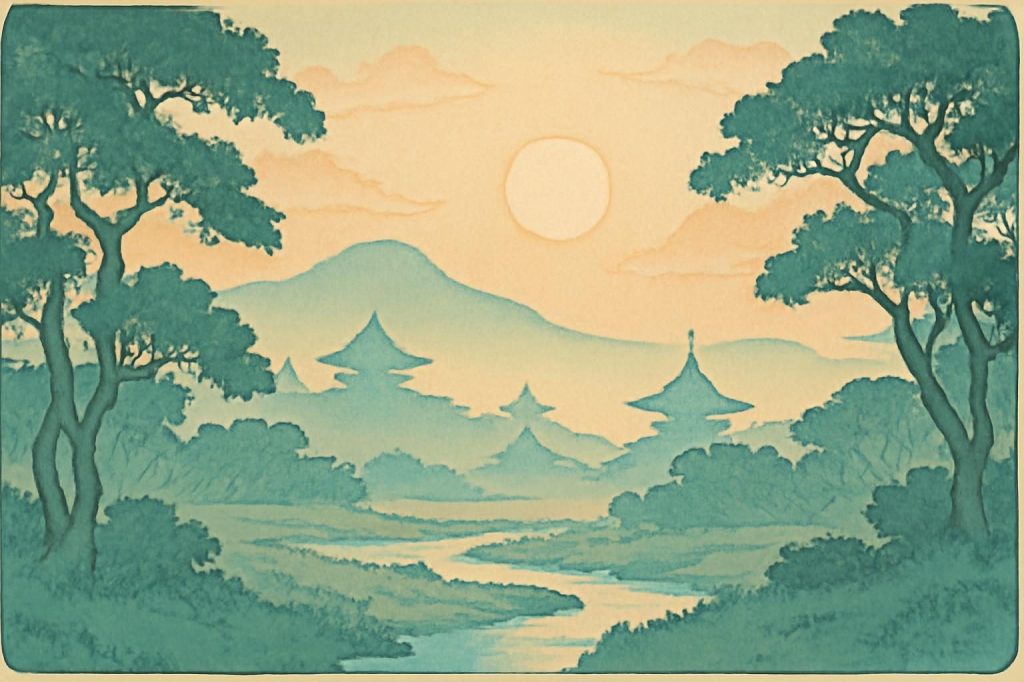
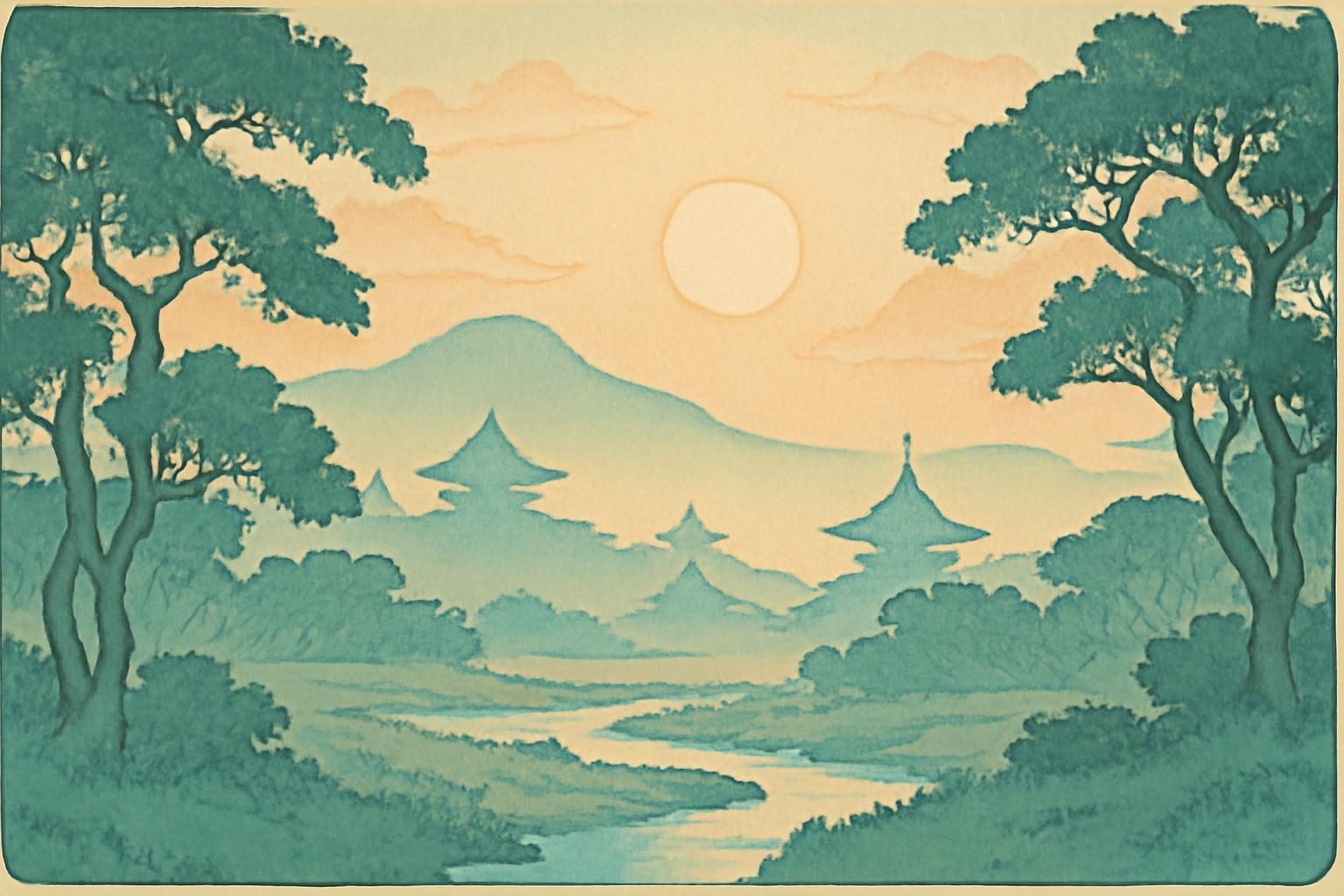
    Ukiyo-e style print of a temple landscape at sunrise with mist, mountains, stream, and trees in pastel colors.
    AI生成イメージ / AI-generated illustration (not a photograph of the actual place)

    From Shingon Origins to Rinzai Zen Revival

    Temple Tradition and Later History

    The Shikoku Pilgrimage Association records a temple tradition that Kūkai founded Kōfuku-ji in 815. It describes Chōsokabe Motochika’s revival of the temple as a Rinzai establishment and his son Morichika’s later renaming of it as Sekkei-ji, after his father’s Buddhist name.

    The evolution of Sekkei-ji from its Shingon roots to a Rinzai Zen temple is emblematic of the dynamic nature of Japanese Buddhism. This shift reflects broader historical trends, including the adaptation and integration of different Buddhist practices. The Rinzai Zen tradition, known for its emphasis on meditation and direct insight into one’s nature, brought a new dimension to the temple’s spiritual offerings, attracting practitioners seeking a more introspective path.

    Sekkeiji 02 - Sekkei-ji
    “Sekkeiji 02” (Sekkei-ji) by Reggaeman, CC BY-SA 3.0, source, via Wikimedia Commons

    The Chosokabe Clan Legacy and Sekkei-ji

    FACT: Influence of Chōsokabe Motochika

    Chōsokabe Motochika, a powerful daimyo of the Sengoku period, is intricately linked to the history of Sekkei-ji. His patronage and influence were instrumental in the temple’s development and prominence. Motochika’s legacy is not only etched in the temple’s name but also in its enduring cultural and historical significance within the region. The Chosokabe clan, under Motochika’s leadership, played a crucial role in shaping the political and cultural landscape of Kochi, and their support of religious institutions like Sekkei-ji highlights the intersection of faith and governance during this tumultuous period in Japanese history.

    The Chosokabe clan’s involvement with Sekkei-ji underscores the importance of religious patronage in medieval Japan. Temples served not only as spiritual centers but also as places of cultural and political influence. Motochika’s support helped Sekkei-ji flourish, enabling it to become a hub of religious activity and a repository of cultural treasures. This relationship between the temple and the Chosokabe clan is a testament to the symbiotic ties between religion and politics in the era.

    Treasures in Wood: Unkei and Tankei Sculptures

    FACT: Artistic Heritage of Sekkei-ji

    Sekkei-ji is renowned for its artistic treasures, particularly the sculptures attributed to the master sculptor Unkei and his son Tankei. These wooden statues are considered masterpieces of Buddhist art, reflecting the high level of craftsmanship and spiritual devotion of the period. Unkei and Tankei were part of the Kei school of sculpture, known for its dynamic and realistic representations of Buddhist deities. Visitors to the temple can admire these exquisite works, which continue to inspire awe and reverence. The presence of such art at Sekkei-ji underscores the temple’s role not only as a spiritual center but also as a custodian of cultural heritage.

    The sculptures of Unkei and Tankei are celebrated for their lifelike expressions and intricate details, capturing the essence of Buddhist deities with remarkable skill. These works are not only artistic achievements but also serve as spiritual icons, inviting contemplation and devotion. The Kei school’s influence is evident in the sculptures’ powerful presence and the way they convey a sense of movement and vitality, making them enduring symbols of the temple’s artistic legacy.

    Chosokabe Nobuchika grave - Graves in Kōchi prefecture, Sekkei-ji
    “Chosokabe Nobuchika grave” (Graves in Kōchi prefecture, Sekkei-ji) by Reggaeman, CC BY-SA 3.0, source, via Wikimedia Commons

    Turbulence and Restoration: The Meiji Era to Modern Revival

    FACT: Challenges and Resilience

    The Meiji Restoration brought significant challenges to many religious institutions, including Sekkei-ji. The era was marked by the separation of Shinto and Buddhism, leading to the dismantling of many Buddhist temples and the loss of their lands and resources. Despite these difficulties, Sekkei-ji has managed to preserve its cultural and spiritual heritage through dedicated restoration efforts. These efforts were crucial in maintaining the temple’s historical structures and spiritual practices. Today, Sekkei-ji stands as a testament to resilience and revival, continuing to serve as a place of worship and reflection for pilgrims and visitors alike. The temple’s survival and ongoing vitality are a tribute to the dedication of its caretakers and the enduring faith of its community.

    During the Meiji era, the government’s policy of separating Shinto and Buddhism, known as “shinbutsu bunri,” posed existential threats to many Buddhist institutions. Sekkei-ji’s ability to withstand these changes and emerge as a vibrant center of worship is a reflection of the resilience of its community and the importance of cultural preservation. The temple’s restoration not only safeguarded its physical structures but also ensured the continuity of its spiritual traditions, allowing it to remain a beacon of faith and history.

    Planning Your Visit to Sekkei-ji in Kochi City

    FACT: Visitor Information

    Sekkei-ji is at 857-3 Nagahama, Kochi City. The Shikoku Pilgrimage Association specifies that viewing the Buddhist statues requires a reservation. Consult its Sekkei-ji listing and contact the temple before planning to view them.

    As you walk through the temple grounds, the tranquil environment and the beauty of the surrounding nature enhance the spiritual experience. The temple’s architecture and its artworks offer a glimpse into the past, allowing visitors to connect with the rich tapestry of Japanese religious and cultural history. Sekkei-ji’s enduring appeal lies in its ability to offer both a historical journey and a spiritual retreat, making it a must-visit destination for those exploring Kochi.

    Locator map of Japan: Kōchi, Kochi
    Legend site: Kōchi, Kochi — Source: Map of Japan with highlight on 39 Kochi prefecture.svg; Map: Lincun, CC BY-SA 3.0, via Wikimedia Commons

    Sources

    About the author

    JAPAN ESSENCE Editorial Team
    Our mission is to bring you Japan’s legends, myths, festivals and living traditions, through both historical fact and the stories passed down over generations.

  • 四国遍路第33番札所・雪蹊寺を探訪

    四国遍路第33番札所・雪蹊寺を探訪

    高知県高知市にある雪蹊寺は、四国遍路の第33番札所として歴史と精神的な重要性を持つ寺院です。この尊敬される場所は、日本の豊かな宗教遺産との深い結びつきを提供し、世界中の巡礼者にとって重要な精神的な中継地点となっています。

    Layout of Sekkei-ji temple at Kôchi, Japan
    “Sekkei-ji Plan” by Fraxinus2, CC BY-SA 4.0, via Wikimedia Commons

    四国遍路第33番札所・雪蹊寺の紹介

    事実: 歴史的背景と意義

    高知市に位置する雪蹊寺は、四国の島全体にわたる88の寺院を巡る尊敬される旅である四国遍路の重要な一部です。この巡礼は単なる物理的な旅ではなく、多くの人々にとって啓蒙と内省を求める精神的な探求です。この道の各寺院は独自の意義を持ち、第33番札所である雪蹊寺は巡礼者に休息と瞑想の場を提供します。巡礼自体は真言宗の開祖である空海の教えに根ざしており、信仰と理解を深める手段として機能しています。

    四国遍路は、肉体的な耐久力の試練だけでなく、精神的な覚醒の旅でもあります。「お遍路」として知られる巡礼者は、伝統的な白衣を着用し、杖を持ち、道への献身を象徴します。道中、彼らは各寺院で経を唱えたり祈りを捧げたりする儀式を行います。雪蹊寺はその静かな環境で、こうした精神的な実践に最適な場を提供し、巡礼者が神聖とつながり、個人の旅を振り返ることを可能にします。

    Ukiyo-e style print of a temple landscape at sunrise with mist, mountains, stream, and trees in pastel colors.
    AI生成イメージ / AI-generated illustration (not a photograph of the actual place)

    真言宗の起源から臨済禅の復興へ

    寺伝とその後の歴史

    四国八十八ヶ所霊場会が紹介する寺伝では、弘仁6年(815)に弘法大師が「高福寺」を開創したとされています。長宗我部元親が再興し、臨済宗の寺となりました。元親の死後、盛親が菩提寺として整え、父の法号にちなんで雪蹊寺と改称したと説明されています。

    雪蹊寺の真言宗から臨済禅への進化は、日本仏教の動的な性質を象徴しています。この変化は、異なる仏教の実践の適応と統合を含む広範な歴史的傾向を反映しています。瞑想と自己の本質への直接的な洞察を重視する臨済禅の伝統は、寺院の精神的提供に新たな次元をもたらし、より内省的な道を求める修行者を引き付けました。

    Sekkeiji 02 - Sekkei-ji
    “Sekkeiji 02” (Sekkei-ji) by Reggaeman, CC BY-SA 3.0, source, via Wikimedia Commons

    長宗我部氏の遺産と雪蹊寺

    事実: 長宗我部元親の影響

    戦国時代の強力な大名である長宗我部元親は、雪蹊寺の歴史と密接に結びついています。彼の後援と影響力は、寺院の発展と名声において重要な役割を果たしました。元親の遺産は寺院の名前に刻まれているだけでなく、地域内でのその持続的な文化的および歴史的意義にも刻まれています。長宗我部氏は、元親の指導の下で、高知の政治的および文化的な風景を形作る上で重要な役割を果たし、雪蹊寺のような宗教施設の支援は、この激動の時代における信仰と統治の交差点を強調しています。

    長宗我部氏の雪蹊寺への関与は、中世日本における宗教的後援の重要性を強調しています。寺院は精神的な中心地であるだけでなく、文化的および政治的影響の場でもありました。元親の支援は雪蹊寺の繁栄を助け、宗教活動の中心地となり、文化的宝物の貯蔵庫となることを可能にしました。この寺院と長宗我部氏の関係は、その時代における宗教と政治の共生的な結びつきの証です。

    木の宝物: 運慶と湛慶の彫刻

    事実: 雪蹊寺の芸術的遺産

    雪蹊寺は、特に名匠運慶とその息子湛慶に帰属する彫刻で知られています。これらの木彫りの像は、仏教美術の傑作とされ、その時代の高い職人技と精神的献身を反映しています。運慶と湛慶は、仏教の神々の動的でリアルな表現で知られる慶派の彫刻家であり、寺院を訪れる人々はこれらの精巧な作品を鑑賞し、畏敬の念と敬意を抱き続けています。雪蹊寺におけるこのような芸術の存在は、寺院が精神的な中心地であるだけでなく、文化遺産の守護者としての役割を強調しています。

    運慶と湛慶の彫刻は、その生き生きとした表情と精緻な細部で称賛され、仏教の神々の本質を見事な技術で捉えています。これらの作品は、芸術的な成果であるだけでなく、精神的な象徴としても機能し、瞑想と献身を招きます。慶派の影響は、彫刻の力強い存在感と、動きと生命力を伝える方法に明らかであり、寺院の芸術的遺産の永続的な象徴となっています。

    Chosokabe Nobuchika grave - Graves in Kōchi prefecture, Sekkei-ji
    “Chosokabe Nobuchika grave” (Graves in Kōchi prefecture, Sekkei-ji) by Reggaeman, CC BY-SA 3.0, source, via Wikimedia Commons

    動乱と復興: 明治時代から現代の復活へ

    事実: 挑戦と回復力

    明治維新は、多くの宗教施設に重大な挑戦をもたらし、雪蹊寺も例外ではありませんでした。この時代は神仏分離によって特徴づけられ、多くの仏教寺院の解体とその土地や資源の喪失を招きました。これらの困難にもかかわらず、雪蹊寺はその文化的および精神的遺産を保存するための献身的な復元努力を通じて維持されてきました。これらの努力は、寺院の歴史的構造と精神的実践を維持する上で重要でした。今日、雪蹊寺は回復力と復活の証として立ち続け、巡礼者や訪問者にとって礼拝と内省の場として機能しています。寺院の生存と継続的な活力は、その管理者の献身とそのコミュニティの持続的な信仰への賛辞です。

    明治時代には、神仏分離政策である「神仏分離令」が多くの仏教施設に存在の危機をもたらしました。雪蹊寺がこれらの変化に耐え、活気ある礼拝の中心地として浮上することができたのは、そのコミュニティの回復力と文化保存の重要性を反映しています。寺院の復元は、その物理的構造を保護するだけでなく、その精神的伝統の継続性を確保し、信仰と歴史の灯台として残ることを可能にしました。

    高知市の雪蹊寺訪問計画

    事実: 訪問者情報

    雪蹊寺の所在地は高知県高知市長浜857-3です。四国八十八ヶ所霊場会は、仏像の拝観には予約が必要と案内しています。拝観を希望する場合は、同会の雪蹊寺の案内を確認し、事前に寺へお問い合わせください。

    寺院の敷地を歩くと、静かな環境と周囲の自然の美しさが精神的な体験を高めます。寺院の建築とその芸術作品は過去を垣間見る機会を提供し、訪問者が日本の宗教的および文化的歴史の豊かなタペストリーとつながることを可能にします。雪蹊寺の持続的な魅力は、歴史的な旅と精神的な隠れ家の両方を提供する能力にあり、高知を探索する人々にとって必見の目的地となっています。

    Locator map of Japan: Kōchi, Kochi
    Legend site: Kōchi, Kochi — Source: Map of Japan with highlight on 39 Kochi prefecture.svg; Map: Lincun, CC BY-SA 3.0, via Wikimedia Commons

    Sources

    執筆者

    JAPAN ESSENCE 編集部
    日本各地の伝説や神話、祭り、受け継がれてきた文化を、史実と言い伝えを皆様にお届けするのを使命としています。