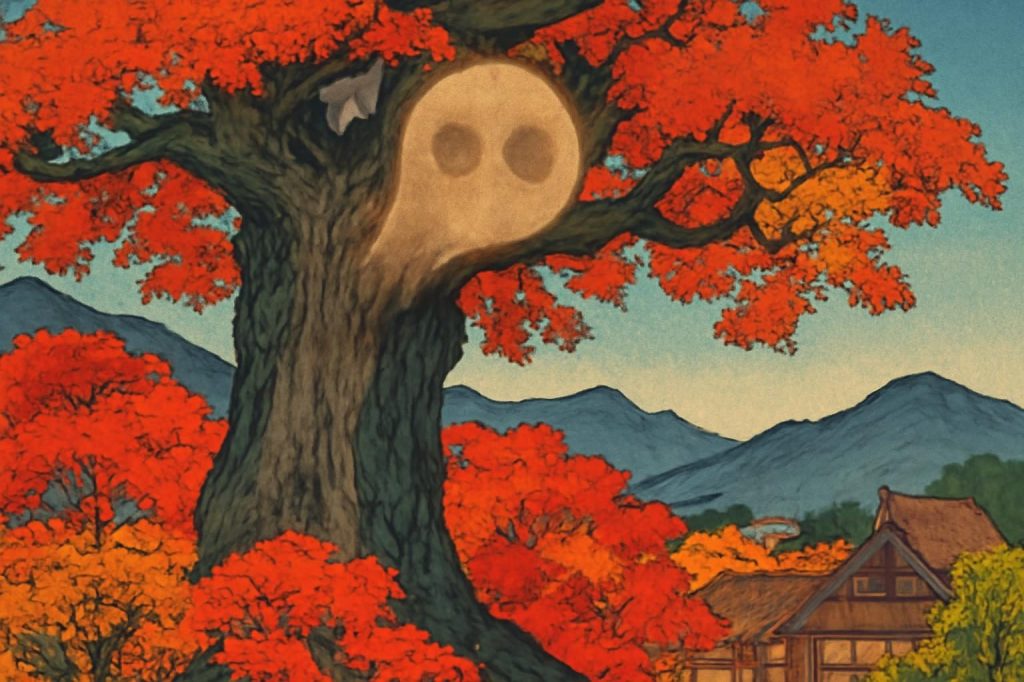
The Tsurube-otoshi is a fascinating yokai from Japanese folklore, particularly associated with the Tanba region, now part of northern Kyoto Prefecture. Known for its eerie antics of dropping from trees, this legendary creature has captured the imagination of many with its unique and unsettling behavior.
Introduction to Tsurube-otoshi and Japanese Yokai Folklore
Yokai are supernatural creatures in Japanese folklore, often depicted as mysterious and sometimes malevolent entities. The Tsurube-otoshi, or “bucket-dropping” yokai, is one such entity, primarily known in the Kansai and Tōkai regions of Japan. This yokai is part of a broader tapestry of myths and legends that continue to intrigue and inspire both locals and visitors.
The Legend of the Bucket-Dropping Spirit in Tanba
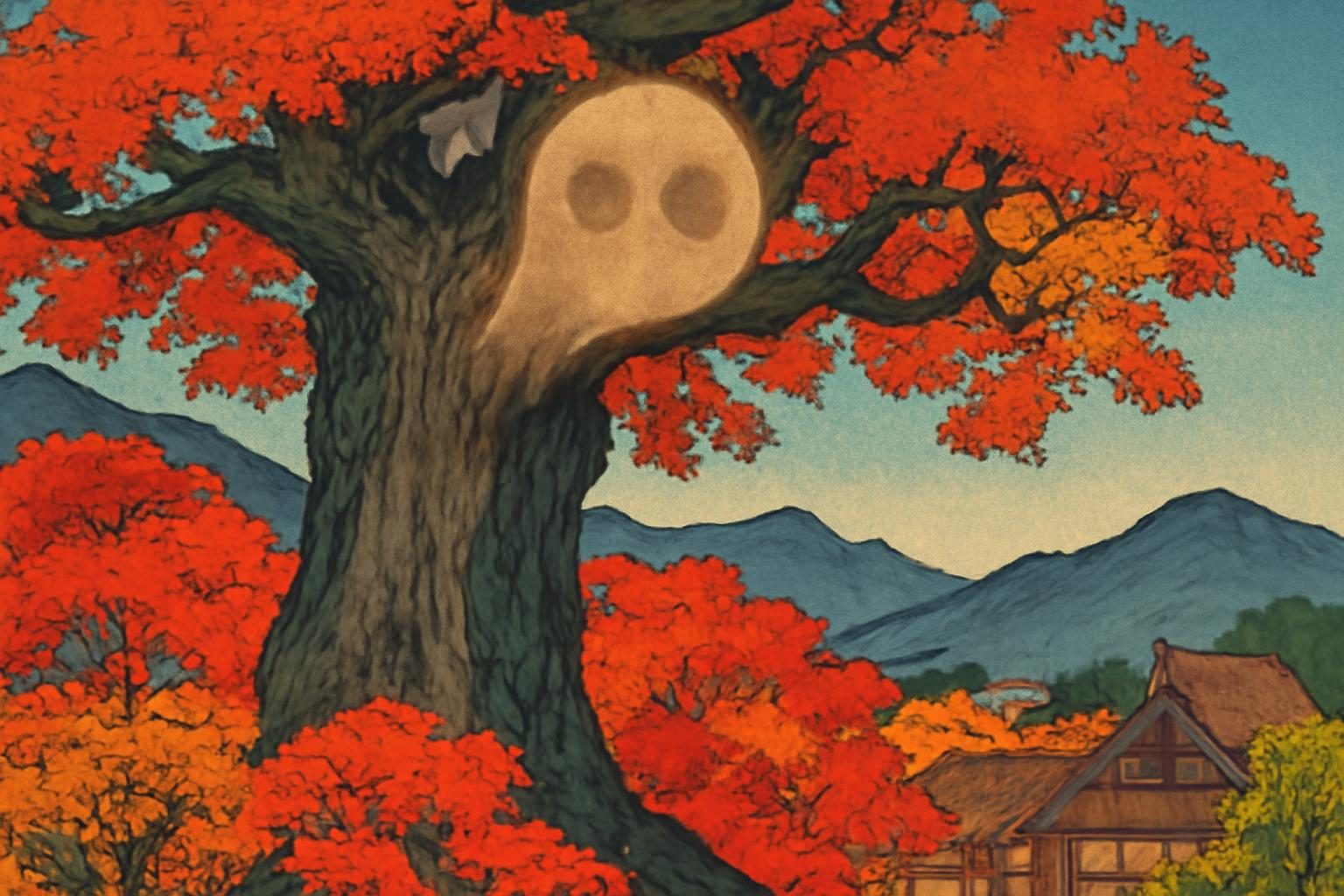
The Tsurube-otoshi legend is particularly prevalent in the former Sogabe village area, now part of Kameoka in Kyoto Prefecture. According to the legend, this yokai drops from a tree, often a kaya tree, and then rises back up. In Hōki, a part of the former Sogabe village, the Tsurube-otoshi is said to drop from a kaya tree, uttering the words, “Yagyō sunda ka? Tsurube oroso ka? gii-gii” (“Has your night work ended? Shall I lower the bucket? Creak, creak”), followed by a laugh as it ascends back into the tree.
Variations of the Legend
In another version from the Tera section of Sogabe, the Tsurube-otoshi is depicted as a severed head that falls from an old pine tree. This version of the legend describes the head as devouring humans before disappearing for two to three days, only to reappear again. Such variations highlight the rich oral tradition and the diverse interpretations of this yokai across different localities.
Regional Variations: From Kyoto to Shiga and Aichi
The Tsurube-otoshi legend is not confined to Kyoto alone. It appears in multiple prefectures, including Shiga, Gifu, Aichi, and Wakayama, taking various forms such as severed heads, buckets, fireballs, and eerie lights. However, the motif of buckets dropping from trees is primarily associated with the Kansai and Tōkai regions, while other areas might feature different phenomena like falling fireballs or pans.
Oral Traditions and the Kuchitanba Kohi Shu
The primary source for the Tsurube-otoshi legend in the Tanba region is the Taishō period local research documentation known as “Kuchitanba Kōhi Shū” (“Collection of Oral Legends about Kuchitanba”). This collection provides valuable insights into the oral traditions and cultural heritage of the region, preserving the stories and myths that have been passed down through generations.
Exploring the Landscapes of Kameoka and Northern Kyoto
Kameoka, where the Tsurube-otoshi legend is most prominently featured, offers a picturesque landscape that complements its rich folklore. The natural beauty of the area, with its dense forests and ancient trees, provides an ideal setting for tales of mysterious yokai and supernatural occurrences. Visitors to Kameoka can explore these landscapes, immersing themselves in the atmosphere that has inspired such captivating legends.
Why Yokai Legends Still Fascinate Travelers in Japan
The enduring appeal of yokai legends like Tsurube-otoshi lies in their ability to evoke a sense of wonder and mystery. These stories offer a glimpse into the cultural psyche of Japan, reflecting the fears, beliefs, and imaginations of past generations. For travelers, exploring these legends provides a unique opportunity to connect with Japan’s rich cultural heritage and experience the enchanting world of yokai firsthand.


Leave a comment