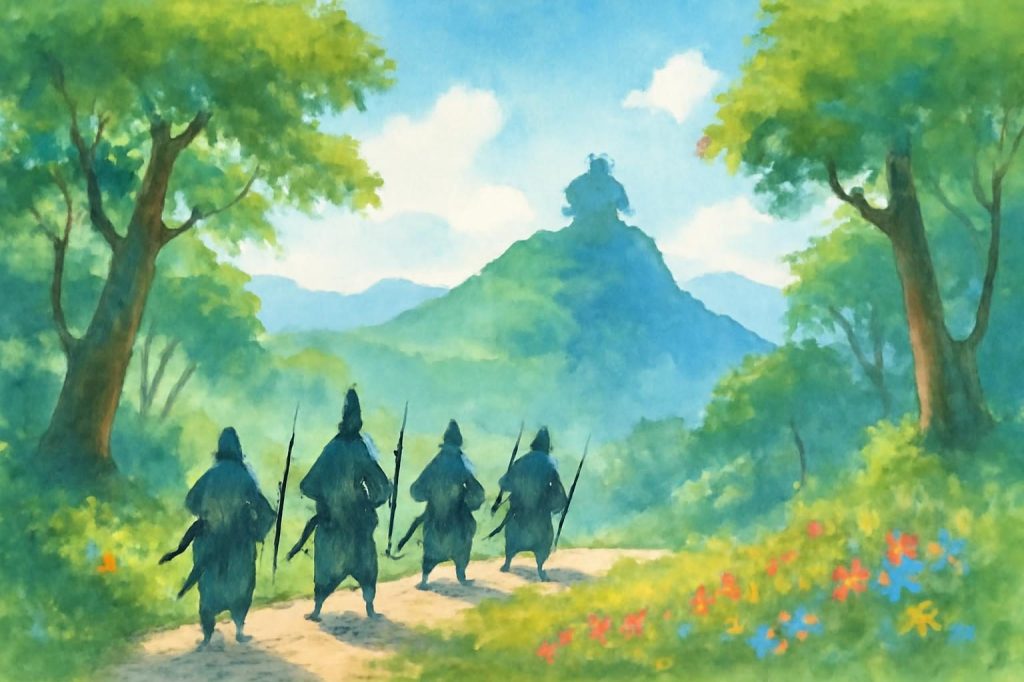
In the heart of Kyoto Prefecture, the city of Fukuchiyama holds the mystical allure of the Oeyama Oni legends, where myth and nature intertwine. This region, rich in folklore, invites adventurers and history enthusiasts alike to explore its storied landscapes.
Introduction to Oeyama and the Legend of Shuten-doji
FACT: The Oeyama Mountain Range
Oeyama, a mountain range that stretches across the municipalities of Fukuchiyama, Yosano, Miyazu, and Maizuru, is renowned for its seven peaks, including the tallest, Mt. Senjogatake, which rises to 832 meters. This range forms part of a quasi-national park, offering breathtaking views and diverse hiking opportunities. The area is not only a natural wonder but also a cultural treasure trove, deeply embedded in Japanese folklore. Visitors to Oeyama can enjoy a variety of outdoor activities, from hiking to bird watching, all while soaking in the rich history that permeates the region. The mountain’s lush greenery and diverse wildlife make it a haven for nature lovers.
LEGEND: The Tale of Shuten-doji
According to local legend, Shuten-doji was a fearsome oni (demon) who abducted people and brought them to his lair in Oeyama. The tale recounts how Minamoto no Yorimitsu, also known as Raiko, was tasked with defeating this demon. With the help of his loyal retainers, Raiko infiltrated Shuten-doji’s fortress, ultimately slaying the demon and freeing the captives. This story is celebrated in local folklore and prominently featured in the Japan Oni Exchange Museum. The legend of Shuten-doji is not just a tale of heroism but also a reflection of the cultural and moral values of the time, emphasizing themes of bravery, loyalty, and justice.
Hiking the Historic Oeyama Oni Trail
FACT: The Oni Trail
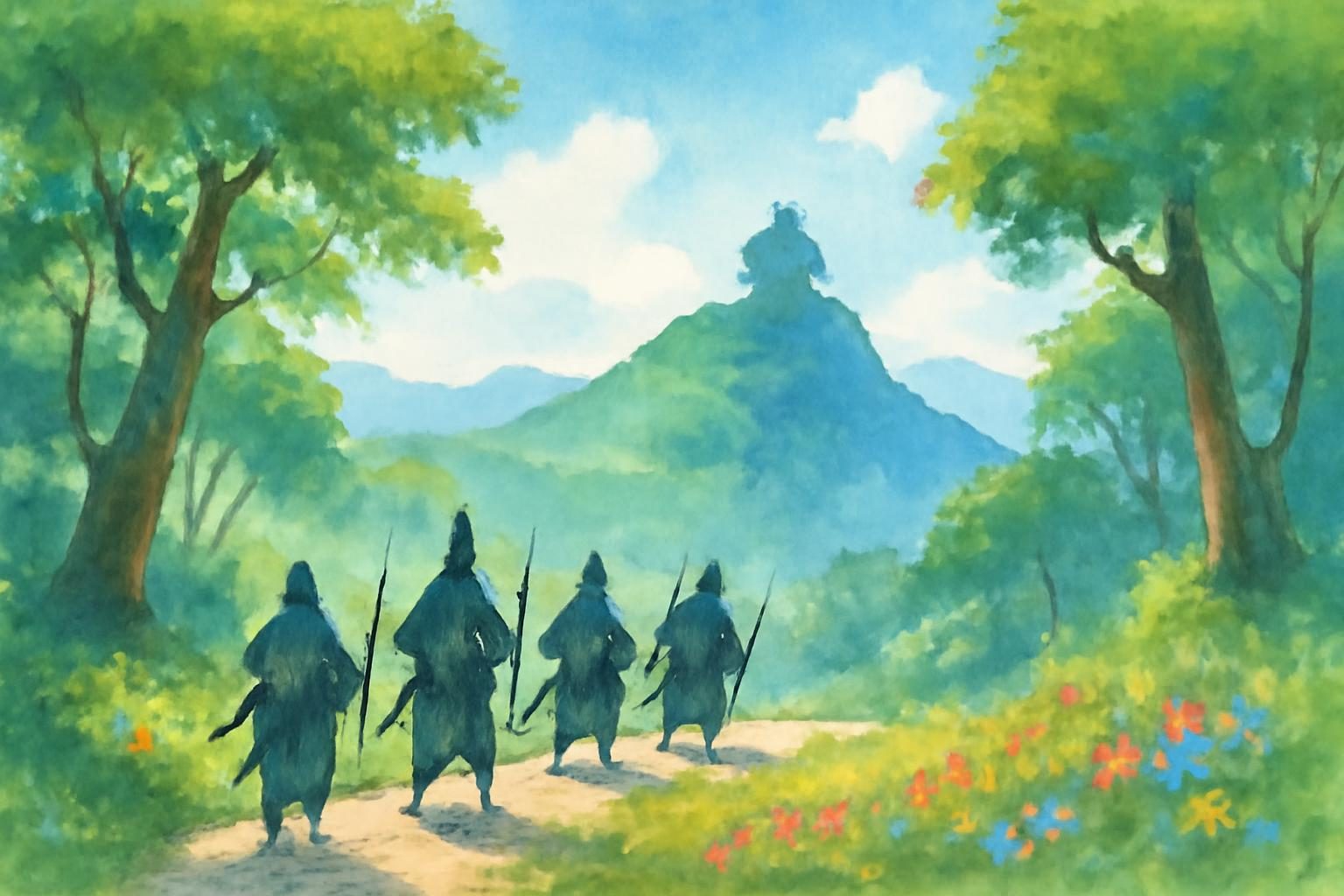
The Oeyama ‘Oni Trail’ is a captivating route that follows ancient paths, forest trails, and pilgrimage routes. This trail offers hikers a chance to immerse themselves in the region’s natural beauty and historical significance. Along the way, visitors can enjoy the scenic Futasegawa Gorge and cross the Shindōji suspension bridge, which spans the gorge and provides stunning views of the surrounding landscape. The trail is well-marked, making it accessible for both seasoned hikers and casual walkers. As you traverse the path, you’ll encounter various landmarks that are steeped in legend, each telling a part of the story of Shuten-doji and Raiko.
LEGEND: Raiko’s Journey
As the legend goes, Raiko and his men traveled through these very paths on their quest to defeat Shuten-doji. The trail is said to be the same route they took to reach the demon’s lair, adding an element of adventure and mystery to the hiking experience. Visitors can imagine themselves following in the footsteps of these legendary warriors as they explore the trail. The journey is not just a physical trek but also a spiritual one, allowing hikers to connect with the past and the enduring legacy of the legends that define this region.

Futasegawa Gorge and Demon-Related Landmarks
FACT: Landmarks Along the Gorge
Futasegawa Gorge is not only a natural marvel but also a site of cultural and historical importance. Near the gorge, visitors will find Raikō-no-Koshikake Iwa, or ‘Raiko’s resting rock,’ where the legendary warrior is said to have paused during his quest. Additionally, the area features ‘Oni’s Footprint’ stones and multiple oni statues, further connecting the landscape to the local legends. These landmarks provide a tangible connection to the stories that have been passed down through generations, offering a unique opportunity to explore the intersection of history and myth.
LEGEND: The Significance of the Rocks
According to legend, these rocks and footprints are remnants of the battle between Raiko and Shuten-doji. The stones are believed to bear the marks of the oni’s presence, serving as a tangible reminder of the epic confrontation that took place in this region. These features enhance the mystical atmosphere of the gorge, inviting visitors to ponder the ancient stories that have shaped the area’s identity. The presence of these landmarks adds a layer of depth to the hiking experience, allowing visitors to engage with the rich tapestry of folklore that defines Oeyama.
Inside the Japan Oni Exchange Museum
FACT: Exhibits and Artifacts
The Japan Oni Exchange Museum, located at the foot of the Oeyama range in Fukuchiyama, offers a fascinating glimpse into the world of oni mythology. Established on the site of a former mine in 1993, the museum houses a collection of oni masks, onigawara (decorative roof tiles featuring oni faces), and exhibits dedicated to the Shuten-doji legend. It serves as a hub for cultural exchange and education, drawing visitors interested in Japan’s rich folklore. The museum’s exhibits provide insight into the cultural significance of oni, exploring their role in Japanese art, literature, and religion.
LEGEND: Preserving the Oni Heritage
The museum plays a crucial role in preserving and promoting the legends of Shuten-doji and the oni. Through its exhibits and events, the museum keeps these stories alive, ensuring that they continue to captivate and inspire future generations. Visitors can learn about the cultural significance of oni in Japanese history and explore the various interpretations of these mythical creatures. The museum also hosts workshops and lectures, offering a deeper understanding of the folklore and its impact on Japanese culture.

Exploring Ancient Paths and Local Temples
FACT: Historical Cobblestone Paths
The region around Oeyama is home to ancient cobblestone paths that date back over 1300 years. These paths were once vital transportation routes through the mountains, and parts of them remain visible today. They offer a tangible connection to the past, allowing visitors to walk the same routes that have been traveled for centuries. The preservation of these paths is a testament to the region’s commitment to maintaining its historical heritage, providing a unique glimpse into the transportation and trade practices of ancient Japan.
LEGEND: Raiko’s Prayer at Raidō-ji Temple
Before embarking on his quest to defeat Shuten-doji, Raiko is said to have prayed at Raidō-ji (Raikō-ji) Temple in Fukuchiyama. The temple is a site of historical and spiritual significance, featuring the ‘nan-jamon-ja’ tree, which blooms in May. According to legend, Raiko’s prayers at this temple played a crucial role in his success against the demon. The temple remains a place of pilgrimage for those seeking to connect with the spiritual aspects of the legend, offering a peaceful retreat for reflection and meditation.


Leave a comment