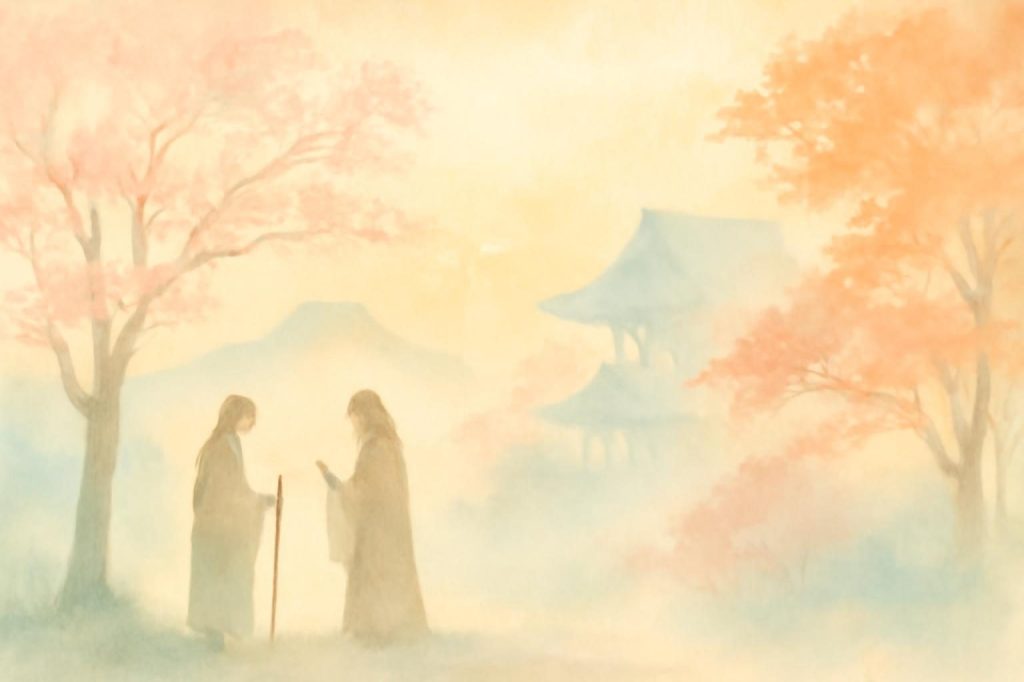
Kiyomizu-dera, located in the Higashiyama Ward of Kyoto Prefecture, is a temple steeped in history and legend, drawing visitors from around the world to its sacred grounds and the enigmatic Otowa Waterfall. This temple is not only a spiritual haven but also a cultural icon, embodying the rich tapestry of Kyoto’s historical and religious heritage.

Introduction to Kiyomizu-dera and Higashiyama Ward
FACT: A Historic Temple in Kyoto
Kiyomizu-dera, officially known as Otowa-san Kiyomizu-dera, is one of Kyoto’s most celebrated temples. Founded in 778, it stands as a testament to the city’s rich cultural heritage. The temple is renowned for its wooden stage that juts out from the main hall, offering breathtaking views of the cherry and maple trees below. This stage is particularly famous during the spring and autumn months when the surrounding landscape transforms into a vibrant tapestry of colors. The architectural design of the temple reflects the ingenuity of traditional Japanese craftsmanship, which has been preserved through centuries, making it a must-see for visitors interested in historical architecture.
FACT: The Cultural Significance of Kiyomizu-dera
Kiyomizu-dera is not merely a religious site but a cultural treasure that has been recognized worldwide. Its inclusion in the UNESCO World Heritage list as part of the Historic Monuments of Ancient Kyoto underscores its global significance. Visitors to Kiyomizu-dera can immerse themselves in a unique blend of natural beauty and architectural wonder, making it a must-visit destination for anyone exploring Kyoto. The temple’s cultural activities and festivals provide a window into the traditional practices that have been part of Japanese life for centuries, offering a rich, immersive experience for all who visit.
The Founding Legend: Monk Enchin and Mount Otowa
LEGEND: The Divine Dream of Enchin
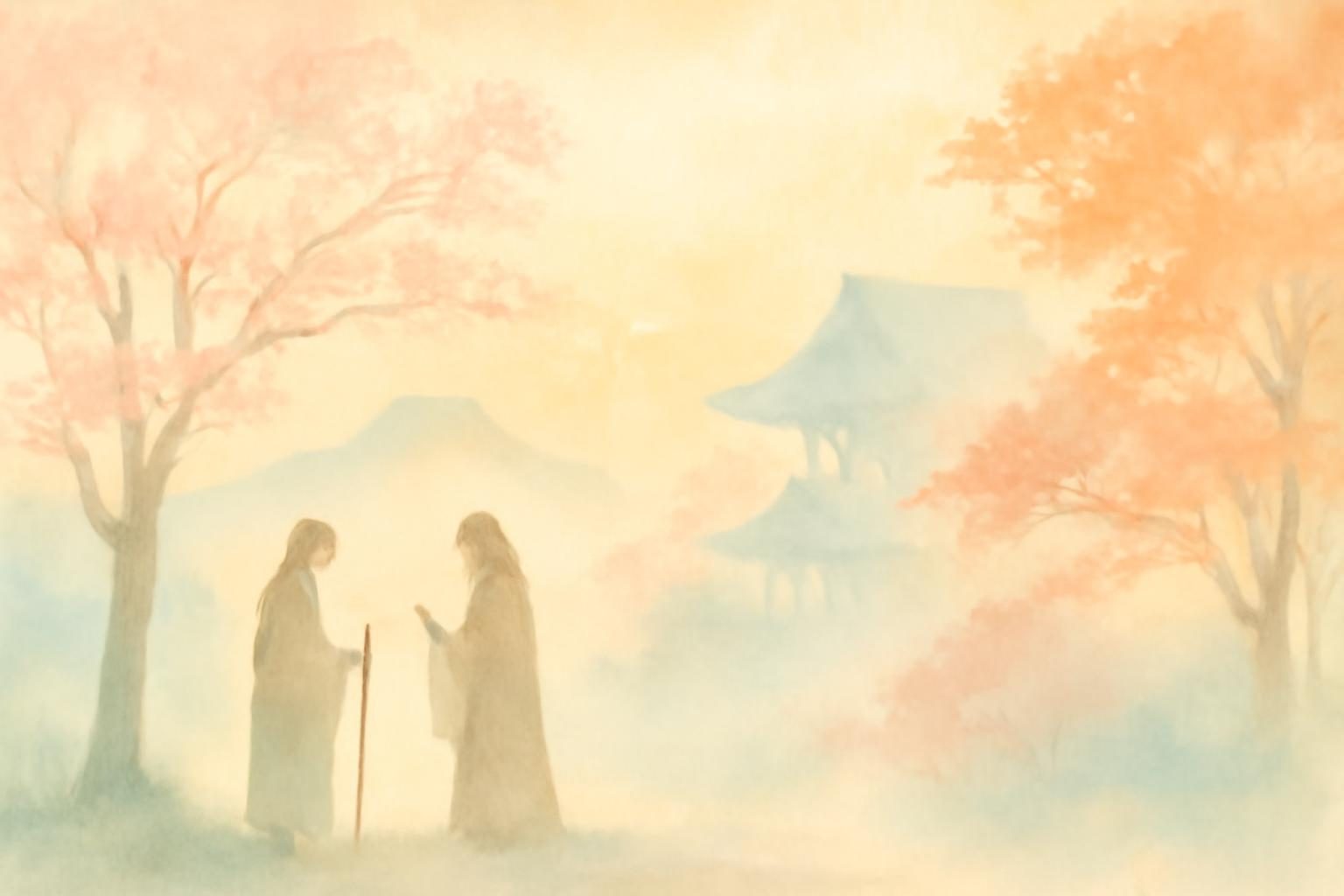
According to legend, the temple’s founding is attributed to the monk Kenshin, later known as Enchin. Guided by a divine dream, he traveled to Mount Otowa, where he encountered the ascetic Gyōei-kōji. The ascetic entrusted him with a sacred tree, from which Enchin carved a statue of Kannon, the Buddhist goddess of mercy. This statue became the central icon of Kiyomizu-dera. The story of Enchin’s divine guidance and the subsequent creation of the Kannon statue is a testament to the deep spiritual roots and mystical allure that Kiyomizu-dera holds. This legend is celebrated in various forms, such as storytelling and reenactments during temple festivals, allowing visitors to engage with the rich spiritual history of the site.
FACT: The Role of Otowa Waterfall
The Otowa Waterfall, located within the temple grounds, played a significant role in this legend. It is said that Gyōei-kōji practiced asceticism at this very site. The waterfall’s pure waters are believed to have inspired the temple’s name, ‘Kiyomizu,’ which means ‘pure water.’ Visitors today can still partake in the ritual of drinking from the waterfall, a practice that connects them to the ancient traditions and spiritual essence of the site. The waterfall is a focal point of the temple visit, where the sound of cascading water adds to the serene atmosphere, inviting reflection and meditation.

The Meaning Behind Otowa Waterfall’s Three Streams
FACT: Blessings of Longevity, Academic Success, and Love
Otowa Waterfall is famous for its three separate streams, each believed to bestow a different blessing: longevity, academic success, and a successful love match. Visitors often drink from one stream to receive their desired blessing, as drinking from all three is considered greedy. This practice is a reflection of the waterfall’s enduring spiritual significance and the belief in its miraculous powers, which continue to draw pilgrims and tourists alike. The tradition of choosing a stream is a symbolic act that reflects personal aspirations and desires, offering a moment of introspection and hope for the future.
General Sakanoue no Tamuramaro and the Temple’s Patronage
LEGEND: Conversion and Patronage
Legend tells of General Sakanoue no Tamuramaro, who encountered Enchin at the waterfall. Moved by the monk’s devotion, the general converted to Buddhism and became a principal patron of the temple, aiding in the construction of the main hall. This story highlights the historical importance of patronage in the development of religious sites and the role of influential figures in promoting Buddhism in Japan. The general’s support is commemorated in temple lore and serves as a reminder of the interconnectedness of faith and leadership in Japanese history.

Masterpiece Architecture: The Nail-Free Kakezukuri Veranda
FACT: An Architectural Marvel
The main hall of Kiyomizu-dera is renowned for its kakezukuri architecture, a technique that allows the structure to extend over the hillside without the use of nails. This engineering marvel provides a stunning vantage point over the Otowa Waterfall and the surrounding landscape. The veranda’s construction is a testament to the ingenuity and craftsmanship of ancient Japanese builders, offering a glimpse into the sophisticated architectural techniques of the time. This style of construction not only demonstrates technical prowess but also reflects a deep respect for the natural environment, as it harmonizes with the landscape rather than altering it.
FACT: The Experience of Visiting Kiyomizu-dera
Visitors to Kiyomizu-dera can walk along the temple’s expansive veranda, taking in panoramic views of Kyoto. The experience is both awe-inspiring and serene, allowing visitors to connect with the natural beauty and spiritual tranquility that the temple offers. The kakezukuri design not only enhances the aesthetic appeal of the temple but also provides a unique perspective on the harmonious relationship between architecture and nature. This blend of human artistry and natural beauty creates a space where visitors can reflect on the balance between human endeavors and the natural world.
Exploring Surrounding Grounds: Jishu Shrine and Okunoin
FACT: Jishu Shrine and Love-Matching Tradition
Within the temple grounds lies Jishu Shrine, dedicated to the deity of love and matchmaking. This shrine echoes the love-match blessing of Otowa’s streams, attracting couples and hopeful romantics. Visitors can participate in traditional rituals, such as walking between two stones with their eyes closed, to test their romantic fortune. The shrine’s popularity highlights the enduring appeal of love and romance in Japanese culture and the spiritual significance of matchmaking. The rituals performed here offer a playful yet meaningful way for visitors to engage with the cultural traditions surrounding love and relationships.
FACT: Okunoin and Koyasu Pagoda
Visitors can also explore Okunoin, the temple’s secondary hall, and the nearby Koyasu Pagoda. These sites, while not directly tied to the founding legend, contribute to the spiritual ambiance of Kiyomizu-dera. The pagoda is particularly associated with prayers for safe childbirth, adding another layer of spiritual significance to the temple grounds. Exploring these areas allows visitors to appreciate the diverse religious practices and beliefs that have been part of Kiyomizu-dera’s history for centuries. The presence of these structures enhances the temple’s role as a multifaceted spiritual center, offering solace and blessings for various aspects of life.


.jpg)


Leave a comment