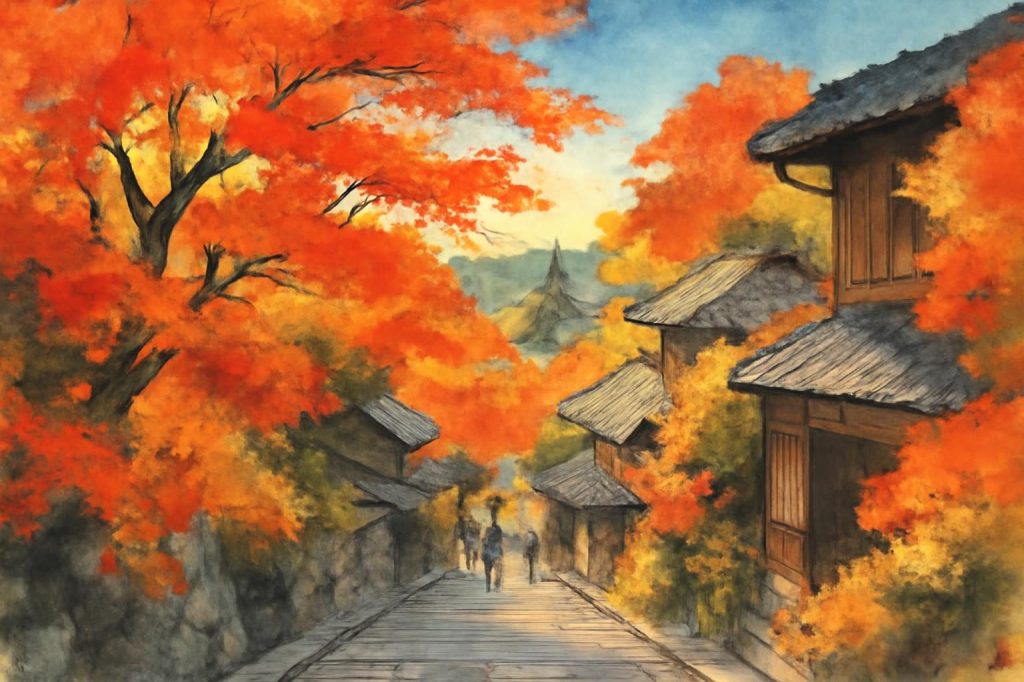
In Kyoto City, Kyoto Prefecture, the historic slopes of Sannenzaka and Ninenzaka have long captured the imagination of locals and visitors alike. These stone-paved lanes, descending from the renowned Kiyomizu-dera Temple, are steeped in both history and legend. The allure of these paths lies not only in their picturesque beauty but also in the rich tapestry of stories and traditions that have been woven around them over the centuries.

Introduction to Sannenzaka and Ninenzaka
FACT: Historical significance of the slopes
Sannenzaka (‘Three-Year Slope’) and Ninenzaka (‘Two-Year Slope’) are two iconic stone-paved lanes located in Higashiyama, Kyoto City. These lanes form a continuous pedestrian route that is lined with traditional machiya-style shops, offering a glimpse into the architectural beauty of old Kyoto. The charm of these slopes is accentuated by the preservation of their historical essence, having been designated as Kyoto’s first historic preservation district in 1972. This recognition was later elevated to a nationally important preservation area for groups of traditional buildings, underscoring their cultural and architectural value.
The preservation status not only protects the physical structures but also the intangible cultural heritage that these streets represent. Walking down these lanes, visitors can feel the pulse of history in the well-preserved architecture and the stories that echo through the narrow alleys. The designation as a preservation district ensures that the unique character of these streets is maintained, allowing future generations to experience the timeless beauty of Kyoto’s traditional urban landscape.
FACT: Origins and meaning of the names
The name ‘Sannenzaka’ appears in historical texts such as the 1762 Kyō-Machi Kagami, where it is interpreted as ‘Third Year Hill’. According to records, it was allegedly created in the third year of Daidō (808). An alternate name, ‘Sanneizaka’, is associated with a childbirth pagoda, indicating its historical connection to prayers for safe childbirth. This duality in naming reflects the multifaceted history and cultural significance embedded in the slopes, intertwining themes of life, birth, and the passage of time.
The historical context of these names provides insight into the cultural practices of the time. The reference to childbirth and safe birth prayers suggests that the slopes may have been a site of pilgrimage for expectant mothers seeking divine protection. This aspect of the slopes’ history adds a layer of spiritual significance, highlighting the role of these paths not just as thoroughfares, but as places of hope and reverence.
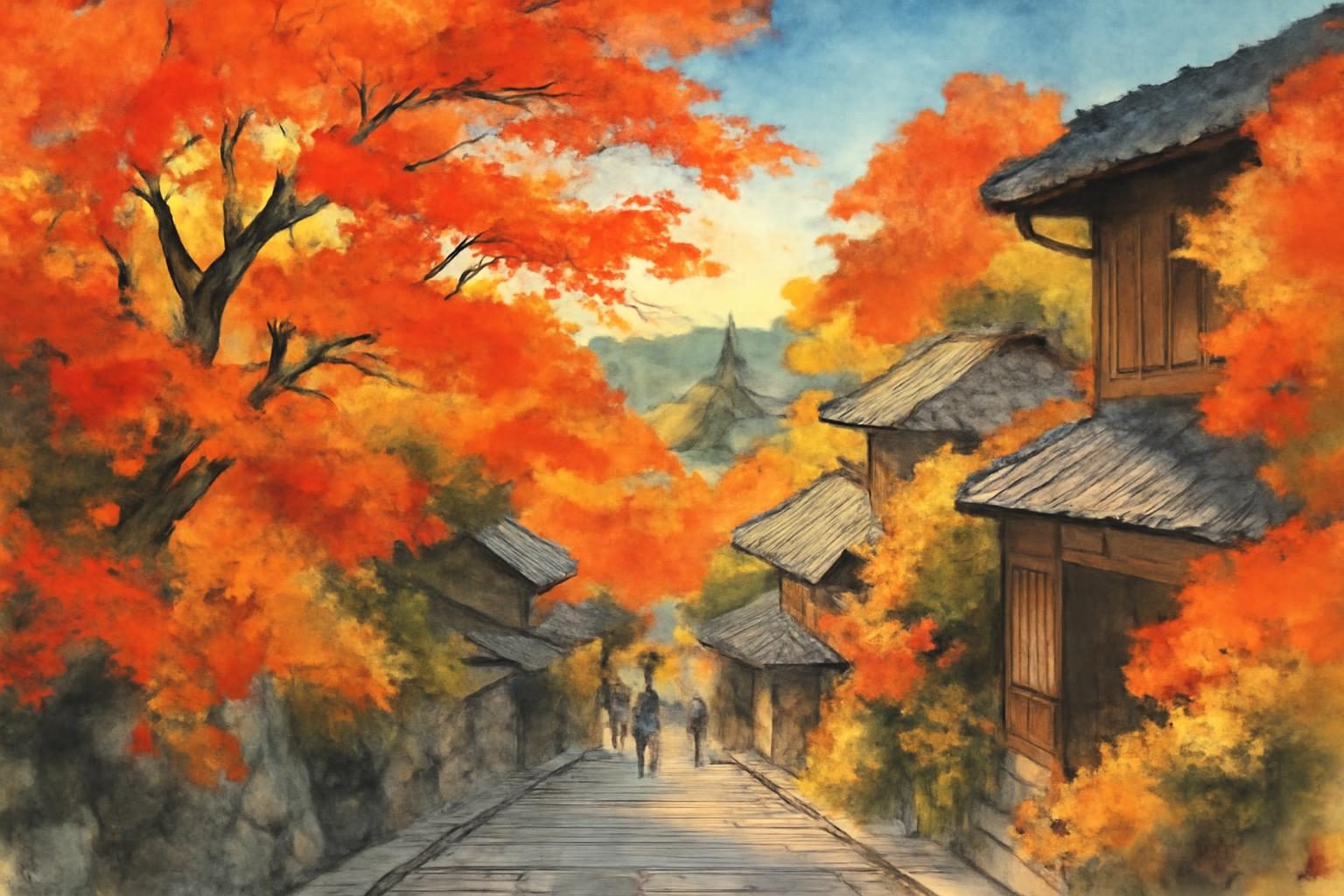
The Legend: What Happens if You Fall?
LEGEND: The curse of falling on Sannenzaka
According to local legend, a fall on Sannenzaka could have dire consequences. It is said that if you fall on this slope, you will die within three years. This superstition has been part of Kyoto’s folklore for centuries, with records such as the 1679 Keishi Junranshu indicating that falling on Sannenzaka was believed to shorten one’s life by three years. A similar legend surrounds Ninenzaka, where falling is said to bring death within two years. These tales, passed down through generations, add an element of mystique and caution to the otherwise serene setting.
The persistence of this legend in local folklore underscores the deep-rooted cultural beliefs surrounding these slopes. It serves as a reminder of the power of oral tradition in preserving cultural narratives and the ways in which these stories can shape the behavior and perceptions of those who visit. The legend’s endurance is a testament to its impact on the collective consciousness of the community, offering a fascinating glimpse into the intersection of myth and reality.
FACT: Practical advice behind the legend
While the legend of Sannenzaka’s curse may sound ominous, it also serves a practical purpose. The steep, worn, and often slippery stone surface of the slopes necessitates careful walking. The legend functions as a cautionary tale, reminding pedestrians to tread carefully and avoid accidents on these historic paths. This practical advice is woven seamlessly into the folklore, offering both a warning and a narrative that enhances the visitor experience.
The cautionary aspect of the legend is particularly relevant given the high volume of foot traffic these slopes receive. By embedding safety advice within the context of a compelling story, the legend ensures that visitors remain mindful of their surroundings, thereby preserving both their well-being and the integrity of the historic site.

History and Origins of Kyoto’s Famous Slopes
FACT: Preservation of traditional architecture
The preservation of Sannenzaka and Ninenzaka as historic districts highlights the cultural and architectural significance of these areas. The machiya-style buildings that line the slopes are quintessential examples of traditional Japanese architecture, offering a window into the past and maintaining the historical ambiance of Kyoto. These structures, with their wooden facades and intricate designs, are not only aesthetically pleasing but also serve as a testament to the craftsmanship and architectural ingenuity of bygone eras.
The meticulous maintenance of these buildings involves traditional techniques passed down through generations, ensuring that the authenticity of the architecture is preserved. This commitment to preservation allows visitors to experience the charm of Kyoto as it was centuries ago, fostering a deeper appreciation for the city’s cultural heritage.
Preserving Kyoto’s Traditional Machiya Architecture
FACT: Machiya-style shops and their charm
The lanes of Sannenzaka and Ninenzaka are renowned for their charming machiya-style shops. These traditional wooden townhouses have been preserved to maintain the historical integrity of the area, providing visitors with an authentic experience of Kyoto’s architectural heritage. As you stroll down these slopes, you can explore an array of shops selling local crafts, souvenirs, and Kiyomizu-yaki pottery, offering a tangible connection to the region’s cultural legacy.
The machiya shops are more than just commercial establishments; they are cultural landmarks that embody the spirit of Kyoto. Each shop tells a story, from the carefully curated goods on display to the architectural details that reflect the city’s rich history. Visitors are invited to engage with the living history of the area, making each visit a unique and enriching experience.

Tips for Walking Safely on the Slopes
FACT: Navigating the steep stone paths
Visitors to Sannenzaka and Ninenzaka are advised to wear comfortable shoes with good grip, especially during wet weather when the stones can become particularly slippery. Taking your time and enjoying the scenery can also help prevent falls and allow you to fully appreciate the historic surroundings. The gentle pace encouraged by these precautions enhances the experience, allowing you to absorb the tranquil beauty and historical resonance of the area.
Walking these slopes is not just a physical journey but a cultural one. By taking the time to navigate the paths carefully, visitors can immerse themselves in the ambiance of the area, discovering hidden details and stories that might otherwise go unnoticed. This mindful approach to exploration enriches the overall experience, fostering a deeper connection to the history and culture of Kyoto.
Exploring Nearby Kiyomizu-dera and Higashiyama
FACT: The role of Kiyomizu-dera in the legend
Kiyomizu-dera Temple, from which Sannenzaka and Ninenzaka descend, is an integral part of the legend and the cultural landscape of Kyoto. This iconic temple attracts millions of visitors each year, who often include a walk down these historic slopes as part of their pilgrimage. The temple itself is a marvel of traditional Japanese architecture, and its proximity to the slopes adds a layer of spiritual and historical depth to the journey, making it a must-visit for those exploring Kyoto’s rich heritage.
The connection between Kiyomizu-dera and the slopes is emblematic of the harmonious relationship between natural landscapes and human-made structures in Japanese culture. This synergy enhances the spiritual experience of visiting the temple, as the journey down the slopes becomes an extension of the pilgrimage, offering moments of reflection and appreciation for the enduring beauty of Kyoto.


.jpg)

.jpg)

Leave a comment