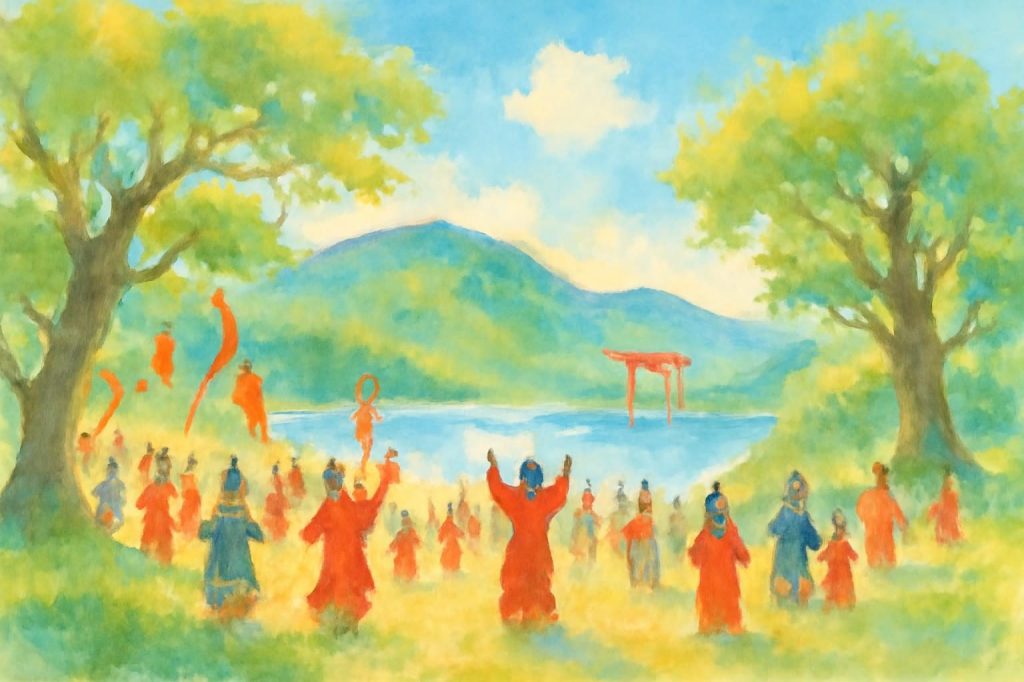
In Hokkaido’s Akan (Kushiro), the Marimo Festival at Lake Akan offers a unique glimpse into the cultural heritage of the Ainu people and their efforts to preserve the marimo algae balls, a natural wonder of the region.

Introduction to Lake Akan and the Marimo Festival
FACT: The Origins and Purpose of the Marimo Festival
The Marimo Festival at Lake Akan was established in 1950 by local residents with a dual purpose: to promote the conservation of marimo and to celebrate the cultural heritage of the Ainu people. These velvety green algae balls are unique to Lake Akan, an environment shaped by volcanic activity approximately 6,000 years ago. The festival was conceived as a way to encourage the return of marimo to their natural habitat, and it has been held every autumn since, drawing attention to both ecological preservation and cultural celebration.
Over the decades, the festival has grown into a significant event that not only highlights the ecological importance of marimo but also serves as a vibrant showcase of Ainu culture. The festival’s inception was a community-driven effort to address environmental concerns and foster a sense of pride and identity among the Ainu people, ensuring that both the natural and cultural heritage of the region are preserved for future generations.
LEGEND: The Ainu Connection to Marimo
According to Ainu tradition, marimo are more than just algae; they are considered symbols of good luck and longevity. The Ainu people, who have lived in harmony with nature for centuries, view marimo as sacred entities that embody the spirit of the lake and its surrounding environment. This belief underscores the spiritual relationship the Ainu have with the natural world, where every element is interwoven with cultural and spiritual significance.
The Ainu’s reverence for marimo is reflected in their folklore and rituals, which often portray these algae balls as mystical beings with protective qualities. This deep spiritual connection is celebrated during the festival, where marimo are honored through various ceremonies and performances that emphasize the Ainu’s respect for nature and their ancestral traditions.
What Are Marimo? The Unique Algae Balls of Lake Akan
FACT: Characteristics of Marimo
Marimo are spherical, velvety green algae balls that can grow to a diameter of over 30 cm. Recognized as a national Special Natural Monument in Japan, they hold both ecological and cultural significance. The unique conditions of Lake Akan, including its clear water and gentle currents, allow marimo to thrive and maintain their distinctive spherical shape. This natural wonder attracts both scientists and tourists, eager to observe these fascinating formations.
The marimo’s growth and formation are influenced by the lake’s environment, which provides the perfect balance of light and nutrients. This delicate ecosystem supports the marimo’s development, making Lake Akan one of the few places in the world where such large marimo can be found. Their preservation is crucial not only for maintaining biodiversity but also for sustaining the cultural heritage that they represent.

The Origins and Conservation Mission of the Marimo Festival
FACT: Conservation Efforts and Cultural Significance
The Marimo Festival serves not only as a cultural celebration but also as a platform for raising awareness about conservation. The festival includes various activities aimed at educating the public about the importance of preserving marimo and their habitat. This event underscores the Ainu people’s deep connection to nature and their commitment to environmental stewardship, highlighting the balance between cultural practices and ecological responsibility.
Conservation efforts during the festival are complemented by educational programs that inform visitors about the ecological challenges faced by marimo. These initiatives aim to inspire a sense of responsibility and encourage sustainable practices that protect the lake’s delicate ecosystem. The festival’s conservation message is a testament to the Ainu’s enduring commitment to preserving their natural heritage.
Ainu Folk Songs, Rituals, and Torchlight Ceremonies
FACT: Ainu Rituals and Performances
The festival features a range of traditional Ainu rituals, such as kamuy nomi (prayers to the gods), torchlight processions, and canoe ceremonies. These rituals are accompanied by traditional folk songs and dances performed by Ainu communities from across Hokkaido. Ainu folk songs, including upopo (sitting songs) and ritual chants, are preserved as oral traditions and play a vital role in the festival’s cultural expression. These performances are not only a showcase of cultural heritage but also a living tradition that connects the past with the present.
The music and dance performances are integral to the festival, providing a vibrant expression of Ainu identity. Each song and dance carries historical and spiritual meanings, offering insights into the Ainu’s worldview and their relationship with nature. The festival thus becomes a platform for cultural exchange, where visitors can experience the richness of Ainu traditions firsthand.
LEGEND: The Spiritual Significance of Ainu Ceremonies
According to legend, the Ainu ceremonies performed during the festival are deeply spiritual practices that honor the marimo and the spirits of the lake. The torchlight processions and canoe ceremonies symbolize the Ainu people’s reverence for the natural world and their ancestors. These ceremonies are seen as a way to communicate with the spiritual realm, ensuring the protection and prosperity of the natural environment.
The spiritual aspect of the festival is a profound reminder of the Ainu’s belief in the interconnectedness of all living things. Through their ceremonies, the Ainu express gratitude and seek blessings for the continued health of the lake and its inhabitants. This spiritual dimension adds depth to the festival, making it a meaningful celebration of both life and cultural continuity.

Experiencing Lake Akan Year-Round: Sightseeing and Exhibitions
FACT: Visiting the Lake Akan Marimo Exhibition and Observation Centre
Outside of the festival period, visitors can explore the Lake Akan Marimo Exhibition and Observation Centre on Chūrui Island. This facility offers an opportunity to view marimo up close and learn about their ecological importance. The centre provides educational exhibits that delve into the biology and conservation of marimo, making it an informative destination for those interested in natural history. Sightseeing cruises on Lake Akan also provide a chance to appreciate the natural beauty of the area and the unique marimo habitat, offering panoramic views of the serene landscape.
The exhibition centre serves as a hub for marimo research and education, featuring interactive displays and guided tours that enhance visitor understanding. By offering insights into the life cycle of marimo and the environmental factors that influence their growth, the centre plays a crucial role in fostering appreciation and support for conservation efforts.
Local Flavors: Discovering Marimo Yokan and Regional Specialties
FACT: Marimo Yokan – A Sweet Tribute to Marimo
A popular local confection tied to Lake Akan’s marimo is the marimo yokan, a green bean-jelly sweet shaped like a marimo sphere. This delicacy not only pays homage to the iconic algae balls but also offers a taste of the region’s culinary creativity. The marimo yokan is a testament to how local culture and natural symbols can inspire unique culinary creations, providing a delicious souvenir for visitors to take home.
The marimo yokan is crafted with care, reflecting the region’s dedication to preserving its cultural identity through food. This sweet treat captures the essence of Lake Akan, allowing visitors to savor a piece of the festival’s spirit long after they have left the shores of the lake.

Related on JAPAN ESSENCE: Hirose Taisha Shrine Nara: Discover the Unique Sand-Throwing Festival | Namahage: The Masked Gods Who Knock on Doors in Akita on New Year’s Eve (and the 999 Steps the Oni Built)
Regional guide
Location: Akan (Kushiro), Hokkaido Prefecture
- Lake Akan Marimo Exhibition and Observation Centre (Akan (Kushiro)) — source
- Ainu rituals & dances during Marimo Festival (Akan (Kushiro)) — source
- Marimo yokan (Akan (Kushiro)) — source
Sources
- Ainu folk music – Wikipedia
- Marimo: Introduction | Search Details | Japan Tourism Agency,Japan Tourism Agency
- Marimo Festival | Travel Japan – Japan National Tourism Organization (Official Site)
Want to see Japanese roof tiles up close? Try a hands-on tile workshop at Kawara Koubou. For centuries, onigawara (demon roof tiles) have guarded Japanese rooftops from evil. You can find onigawara pieces at Oni Koubou.


Leave a comment