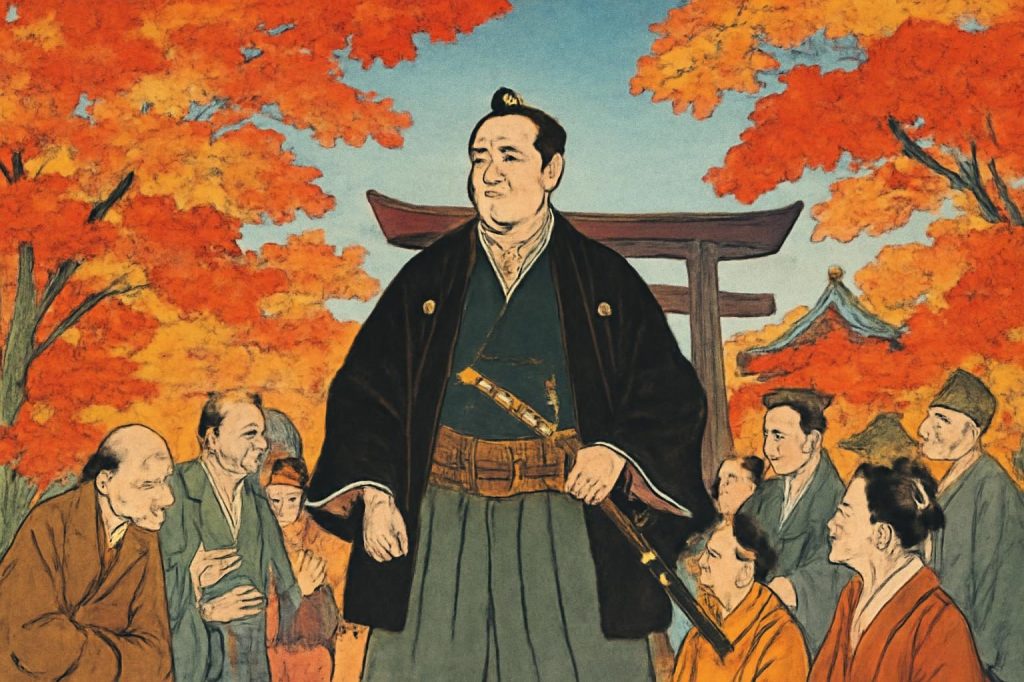
Shichi-Go-San is a Japanese family observance giving thanks for children’s growth. Nikko, in Tochigi Prefecture, is one place to encounter this living tradition: Nikko Toshogu has announced Shichi-Go-San prayers for 2026. This guide distinguishes the nationwide custom and its origin stories from places that families can visit in Nikko today.

What Is Shichi-Go-San? Japan’s November Rite of Passage
FACT: The tradition and its significance
The name Shichi-Go-San means seven, five and three. Jinja Honcho describes shrine visits around November 15 as an occasion to celebrate children’s growth and pray for their continued well-being. The familiar age pattern comes from older childhood observances. Families’ customs vary; Meiji Jingu also notes that children need not be restricted to the traditional gender-and-age combinations. Ask the shrine about its current arrangements rather than assuming that every family follows one fixed pattern.
HISTORY: Accounts of earlier customs
Jinja Honcho relates the celebration to kamioki, beginning to grow a child’s hair at three; hakamagi, a boy’s first hakama at five; and obitoki, a girl’s change to an obi at seven. Meiji Jingu describes earlier courtly customs and later development in the Edo period. These are modern institutional explanations of a changing tradition, not evidence that today’s complete celebration began at one precise time or place.
Visiting for Shichi-Go-San Today
FACT: Evolution of the celebration
November 15 is the traditional reference date, but visits also take place on surrounding days. Nikko Toshogu’s notice dated September 28, 2026, confirms that it receives Shichi-Go-San prayers and includes chitose-ame among the items given to participating families. The notice also distinguishes traditional counted age from the use of completed years of age today. Confirm prayer and photography arrangements with the shrine before your visit.
Why November 15? The Legend and Evolution of the Date
LEGEND: The story of Tokugawa Tsunayoshi
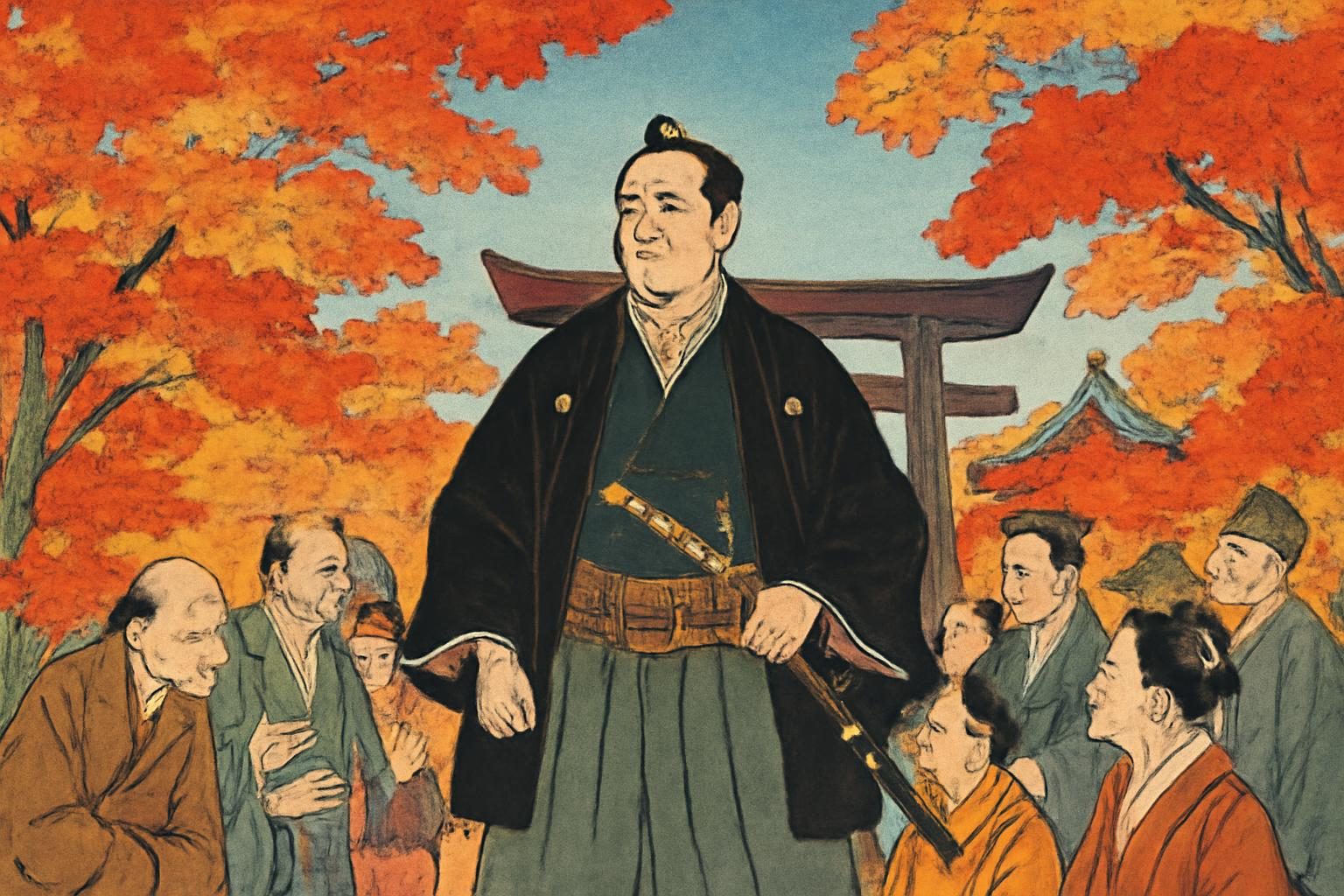
Meiji Jingu’s explanation links the date to a celebration for Tokugawa Tsunayoshi’s son Tokumatsu on November 15, 1681. Jinja Honcho also recounts the Tsunayoshi connection, using wording that presents it as a transmitted explanation. Meiji Jingu additionally discusses older seasonal and auspicious-day associations. These accounts describe more than one strand in the custom’s development. They do not establish that the 1681 celebration took place in Nikko. Nikko appears here as a present-day place of worship, not as the proven birthplace of Shichi-Go-San.
Chitose-Ame: The Symbolic Candy of Longevity
FACT: The meaning behind chitose-ame
Chitose-ame is closely associated with Shichi-Go-San. Meiji Jingu discusses the candy in its explanation of the custom, while Nikko Toshogu’s current notice lists it among the gifts for prayer participants. It is a useful reminder that this is a family celebration of growing up, rather than simply a sightseeing spectacle. Visitors should give worshipping families space and ask before photographing them.

Experiencing Autumn Traditions in Historic Nikko
FACT: Nikko’s cultural and natural attractions
Nikko Toshogu enshrines Tokugawa Ieyasu and belongs to the Shrines and Temples of Nikko World Heritage site. JNTO describes its Grand Autumn Festival as a separate observance honoring Ieyasu, with an armored procession and traditional demonstrations. It should not be confused with a family’s Shichi-Go-San visit. The city tourism association lists the autumn festival for October 16–17; check the current programme before making plans around a particular event.
Combining Shichi-Go-San Season with Nikko’s Fall Foliage
FACT: The beauty of Nikko’s autumn leaves
An autumn visit can combine the shrine area with Nikko’s seasonal scenery. Rather than promising peak foliage on a fixed date, check local conditions close to departure. The city tourism association also lists a Shoyoen garden light-up at Rinnoji on selected autumn evenings in 2026. This is a separate optional outing, not part of the Shichi-Go-San prayer ceremony; opening dates and hours should be checked on the linked official event listing.

Related on JAPAN ESSENCE: Hirose Taisha Shrine Nara: Discover the Unique Sand-Throwing Festival | Namahage: The Masked Gods Who Knock on Doors in Akita on New Year’s Eve (and the 999 Steps the Oni Built)
Regional guide
Current visiting area: Nikko City, Tochigi Prefecture. Nikko Toshogu: 2301 Sannai.
Access: JNTO describes a World Heritage sightseeing bus from Nikko or Tobu-Nikko station, with about 15 minutes to the shrine area. The walk from Nikko Station is about 45 minutes. Allow extra time for the family and check current services.
Sources
- Jinja Honcho: Shichi-Go-San
- Meiji Jingu: Shinto questions, Q1–Q8
- Nikko Toshogu: Shichi-Go-San prayer notice, 28 September 2026
- JNTO: Nikko Toshogu Shrine and access
- JNTO: Toshogu Grand Autumn Festival
- Nikko City Tourism Association: Festivals & Events
Source note: shrine and institutional explanations are secondary accounts of the older custom; the 2026 prayer notice is direct evidence of Toshogu’s current offering. The origin accounts were compared, but the original seventeenth-century records were not consulted. Nikko’s current tourism information does not prove the location of the 1681 celebration.
For a separate craft outing: To explore further, visit Kawara Kobo (瓦工房) for a hands-on kawara experience.


.jpg)


Leave a comment