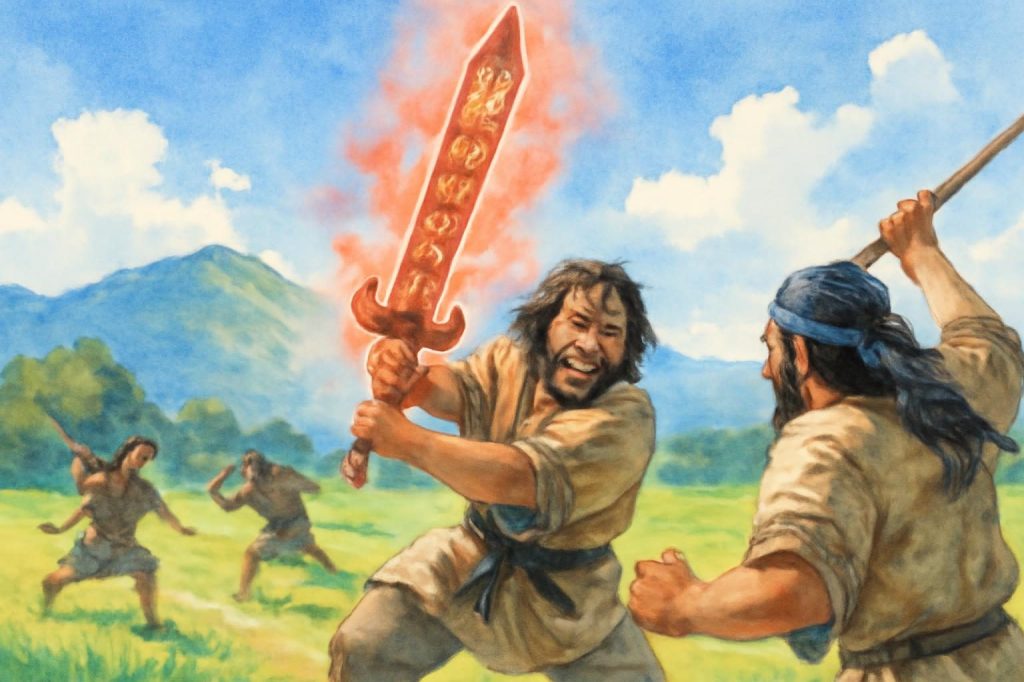
In the heart of Hokkaido, the city of Asahikawa is steeped in folklore, with tales that have been passed down through generations. Among these, the legend of the Ipetam, a demon sword, and the mysterious red rock known as Tateiwa, captivate both locals and visitors alike.
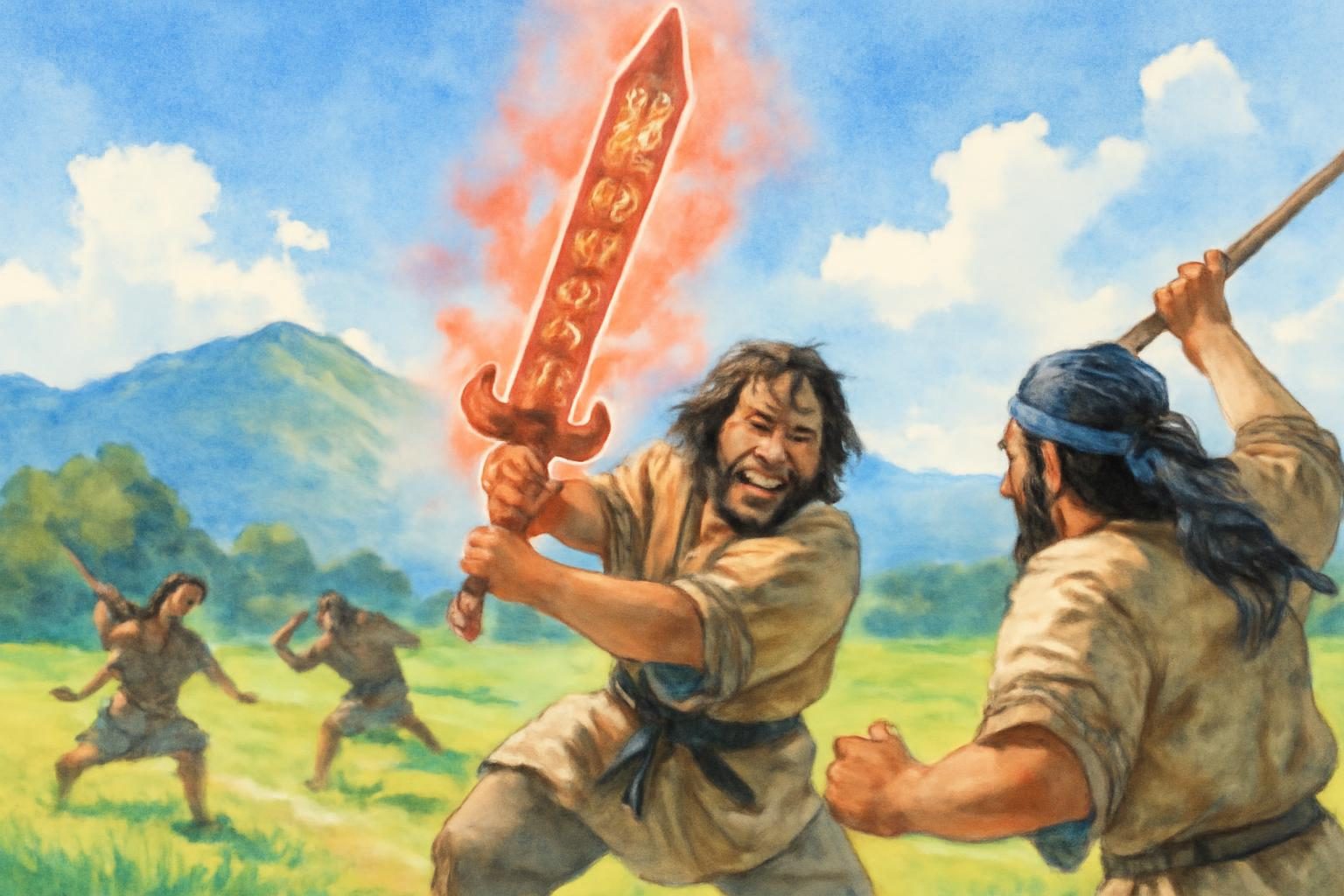
Introduction to Asahikawa’s Hidden Folklore
FACT: The Cultural Landscape of Asahikawa
Asahikawa, located in Hokkaido Prefecture, is a city known for its rich cultural heritage and natural beauty. The area is home to the indigenous Ainu people, whose traditions and stories form a significant part of the local folklore. The Ainu have a profound connection to their environment, and their legends often reflect this relationship. The legends of Ipetam and Tateiwa are deeply rooted in the Ainu’s spiritual beliefs and their connection to the land, illustrating the importance of harmony with nature in their culture.
The city itself is a blend of modernity and tradition, with cultural sites that offer a glimpse into the Ainu way of life. Visitors to Asahikawa can experience this unique cultural landscape through various museums and cultural centers dedicated to preserving and showcasing Ainu heritage. These institutions provide valuable insights into the customs, art, and history of the Ainu people, enriching the understanding of their timeless legends.
The Legend of the Ipetam: Man-Eating Swords
LEGEND: The Story of the Ipetam
According to local Ainu legend, the Ipetam is a demon sword with a voracious appetite for human flesh. It is said that this sword was once wielded by a fearsome warrior who used it to conquer his enemies. However, the sword’s insatiable hunger eventually drove the warrior to madness, leading to his demise. The Ipetam is believed to still exist, hidden away, waiting for its next victim. This story serves as a cautionary tale about the dangers of unchecked power and the consequences of succumbing to dark desires.
The narrative of the Ipetam is often shared during storytelling sessions in Ainu communities, where elders recount the tale to younger generations. This oral tradition keeps the legend alive, ensuring that its moral lessons continue to resonate. The story’s themes of power and madness are universal, allowing it to transcend cultural boundaries and capture the imagination of all who hear it.
FACT: The Ipetam in Ainu Culture
The Ipetam is not just a tale of horror but also a reflection of the Ainu’s reverence for nature and the spiritual world. The Ainu believe that all objects, living or inanimate, possess a spirit or ‘kamuy’. This belief underscores the interconnectedness of all things and the respect that must be accorded to the natural world. The legend of the Ipetam highlights the potential dangers of wielding power without respect for the spirits, a theme prevalent in many Ainu stories. It serves as a reminder of the balance that must be maintained between human ambition and the spiritual forces that govern the world.
In Ainu culture, the concept of ‘kamuy’ is central to understanding the spiritual dimensions of their legends. The Ipetam, as an embodiment of unchecked ambition, serves as a powerful symbol of the consequences that arise when the natural order is disrupted. This belief system is reflected in various cultural practices, including rituals and ceremonies that seek to honor and appease the spirits.

Tateiwa: The 8-Meter Red Sword-Shaped Rock
LEGEND: The Origin of Tateiwa
Local tradition holds that Tateiwa, an 8-meter tall rock formation in Asahikawa, is the petrified form of the Ipetam. The rock’s striking resemblance to a sword has fueled this belief. It is said that the sword was transformed into stone by the gods to prevent its malevolent power from causing further harm. This transformation is seen as an act of divine intervention, a way to neutralize the threat posed by the sword and restore peace to the land.
Visitors to Tateiwa can feel the weight of its legend as they stand before the imposing rock formation. The story of the sword’s petrification is often recounted by local guides, adding a layer of mystique to the site. The tale of divine intervention serves as a reminder of the gods’ role in maintaining balance and harmony in the world, a theme that resonates deeply within Ainu spirituality.
FACT: Visiting Tateiwa Today
Visitors to Asahikawa can explore the Tateiwa site, which is considered a sacred place. The rock is located near the Bottomless Marsh, another site shrouded in mystery. While the rock itself is a natural formation, its association with the legend of the Ipetam makes it a popular destination for those interested in folklore and history. The site offers a unique opportunity to experience the blend of natural beauty and myth that characterizes the region. Visitors are encouraged to respect the site, as it holds cultural significance for the local Ainu community.
Exploring Tateiwa provides a chance to connect with the natural world and the spiritual narratives that have shaped the region. The site is accessible year-round, though visitors should check the official website for current hours, fees, and access information. Respectful behavior is encouraged, as the site is not only a tourist attraction but also a place of cultural and spiritual importance.
Kamikawa Ainu Oral Traditions and Rituals
FACT: The Ainu’s Spiritual Practices
The Ainu people have a rich oral tradition that includes rituals and ceremonies to honor their deities and spirits. These practices are integral to their cultural identity and are often performed at significant sites like Tateiwa. The Ainu’s respect for the spiritual world is evident in their stories, which often serve as moral lessons or warnings. These rituals not only preserve the cultural heritage of the Ainu but also reinforce the values and beliefs that have sustained their community for generations.
Rituals such as the ‘iyomante’, a bear-sending ceremony, exemplify the Ainu’s spiritual practices. These ceremonies are not merely cultural events but are seen as essential acts of communication with the spiritual realm. Through these practices, the Ainu maintain a living connection with their ancestors and the natural world, ensuring the continuity of their traditions and beliefs.

Suijin Ryuo Shrine and the Sacred Discovered Artifact
LEGEND: The Shrine’s Connection to the Ipetam
According to legend, the Suijin Ryuo Shrine in Asahikawa is linked to the Ipetam. It is said that the shrine was built to appease the spirits associated with the sword and to protect the community from its curse. The shrine remains a place of worship and is visited by those seeking blessings and protection. This connection to the Ipetam legend adds a layer of mystique to the shrine, making it an intriguing site for both spiritual seekers and folklore enthusiasts.
The shrine’s architecture and surroundings reflect its spiritual significance, offering a serene environment for contemplation and prayer. Visitors often leave offerings or participate in rituals to seek the shrine’s protection, reinforcing the community’s ties to the legend and its spiritual heritage.
FACT: The Shrine’s Role in Local Culture
The Suijin Ryuo Shrine is an important cultural site in Asahikawa. It hosts various festivals and events throughout the year, celebrating the region’s heritage. These events provide an opportunity for locals and tourists alike to engage with the cultural traditions of the area. The shrine’s connection to the Ipetam legend adds a layer of mystique to its history, drawing both locals and tourists. Visitors can participate in the festivals and experience the vibrant cultural life of Asahikawa.
Festivals at the shrine often include traditional music, dance, and food, offering a vibrant display of local culture. These events are not only celebrations but also serve as a means of preserving and passing on cultural knowledge to future generations. The shrine stands as a testament to the enduring legacy of the Ainu and their stories, providing a living link to the past.
Visiting the Bottomless Marsh and Tateiwa Legend Site
FACT: Exploring the Natural Wonders
The Bottomless Marsh, located near Tateiwa, is another site of intrigue. While its name suggests a mysterious depth, the marsh is a natural wetland area that supports diverse wildlife. Visitors can explore the area through guided tours, which often include stories of the Ipetam and the surrounding legends. These tours offer a chance to learn about the local ecology and the cultural significance of the marsh, providing a holistic experience that combines nature and folklore.
The marsh’s ecosystem is home to a variety of plant and animal species, making it a fascinating destination for nature enthusiasts. Guided tours provide insights into the marsh’s ecological importance and its role in local folklore, offering a comprehensive understanding of the area’s natural and cultural heritage.
LEGEND: The Mysteries of the Marsh
Local folklore suggests that the Bottomless Marsh is connected to the Ipetam. Some believe that the marsh’s depths hide the sword’s original resting place. This legend adds an air of mystery to the site, making it a fascinating destination for those interested in the supernatural. The marsh’s enigmatic reputation enhances its allure, inviting visitors to ponder the secrets it may hold beneath its tranquil surface.
The story of the marsh and its connection to the Ipetam is often shared by local storytellers, who weave tales of mystery and intrigue. These narratives captivate listeners, drawing them into a world where the boundaries between reality and legend blur, leaving them with a sense of wonder and curiosity.

Related on JAPAN ESSENCE: The Ipetam Demon Sword of Hokkaido: A Tale from Asahikawa | Exploring Ainu Legends: The Cursed Ipetam Sword and Kamuy Kotan in Asahikawa
Sources
- 史跡等表示板 底無沼・立岩伝説の地 | 旭川市
- Hokkaido Yokai and Kamui Encyclopedia — Koropokkuru, Ipetam, Onikuma, and Ainu Anomalies | YOKAI.JP
- Ipetam – Wikipedia
- 立岩・人喰い刀岩 | カムイと共に生きる上川アイヌ〜大雪山のふところに伝承される神々の世界〜
- Ipetam (The “Eating Blade”) – Yokai Encyclopedia | YOKAI.JP
To explore further, visit Kawara Kobo (瓦工房) for a hands-on kawara experience and Onigawara Experience for hands-on onigawara experiences in Japan.


Leave a Reply