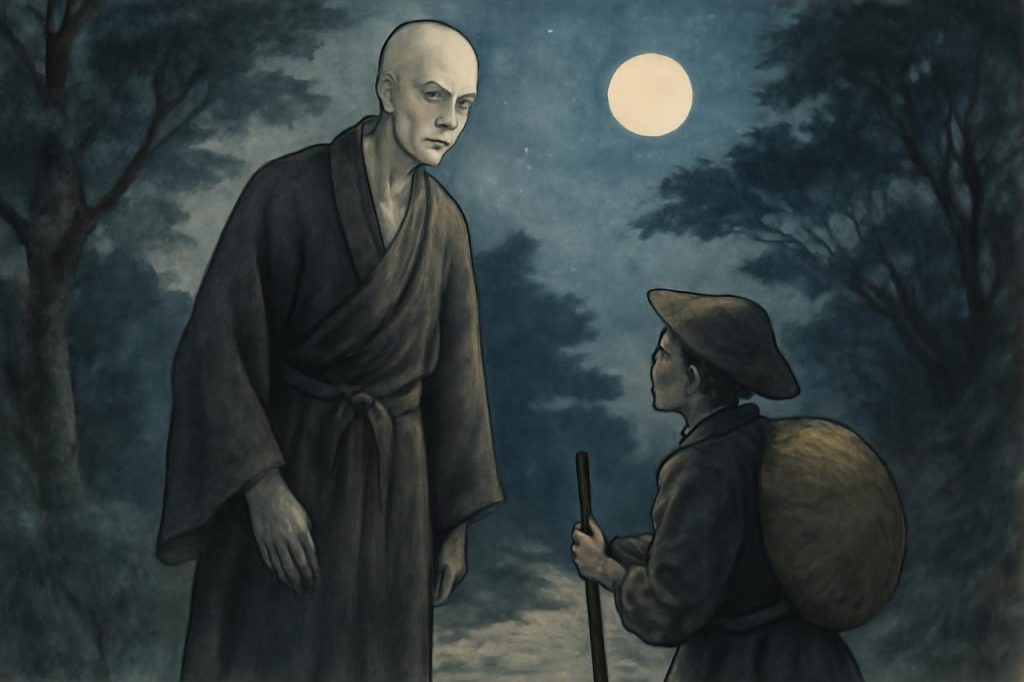
The Nyudo-Bozu, a mysterious shape-shifting yokai, is a captivating figure in Japanese folklore, particularly associated with the region of Shinshiro in Aichi Prefecture. This enigmatic spirit is known for its ability to alter its height and frighten those who encounter it.
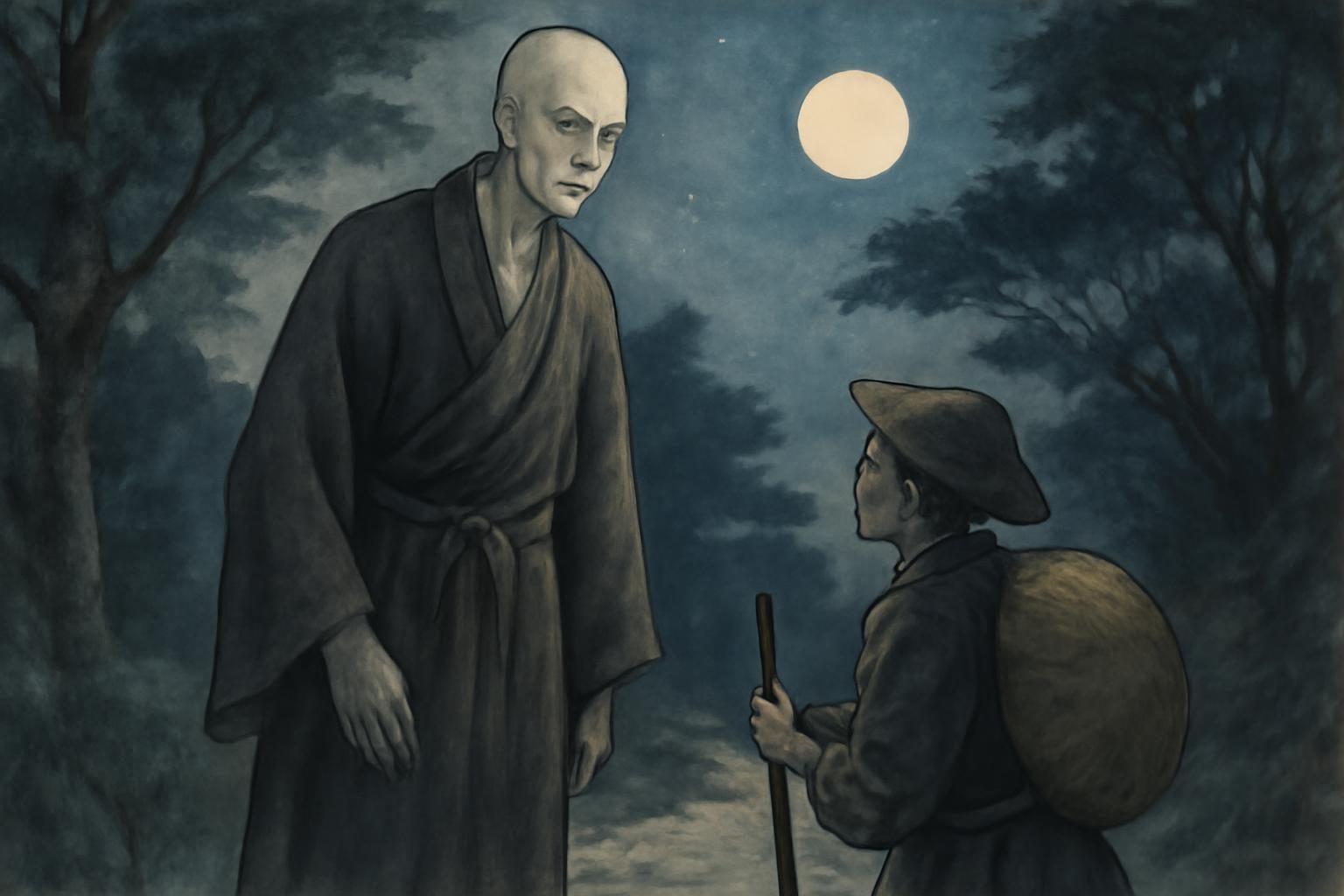
Introduction to the Nyudo-Bozu and Japanese Yokai Folklore
FACT: What the Nyudo-Bozu Represents
The Nyudo-Bozu is a type of yokai, or supernatural entity, in Japanese folklore. Yokai are often depicted as creatures with spiritual or supernatural powers, and they have been a part of Japanese culture for centuries. The Nyudo-Bozu, specifically, is known for its ability to appear as a monk and change its height, growing taller when looked upon. This characteristic has made it a subject of fear and fascination in various regions, particularly in Shinshiro.
Yokai like the Nyudo-Bozu serve as cultural symbols, embodying the mysterious and often inexplicable aspects of life. They are not merely ghost stories but are woven into the fabric of Japanese cultural and spiritual life, reflecting societal values, fears, and the human condition.
LEGEND: The Story of the Nyudo-Bozu in Shinshiro
According to local tradition in Shinshiro, the Nyudo-Bozu is said to haunt the area of Tsukude, a former village now part of Shinshiro City. The legend describes how this yokai would appear at night, often on dark roads, and confront travelers with its unsettling ability to grow taller as they looked at it. The encounter would typically leave the person frightened or bewildered, as the yokai’s sudden change in size was both unexpected and eerie.
These encounters are often described in vivid detail in local stories, emphasizing the eerie silence of the night, the rustling of leaves, and the sudden, inexplicable growth of the yokai. Such tales are shared among locals, keeping the legend alive through oral tradition.
Origins in Tsukude: Where the Legend Began in Shinshiro
FACT: Historical Context of Tsukude
Tsukude, now part of Shinshiro City, has a rich history that contributes to the legend of the Nyudo-Bozu. Historically, Tsukude was a rural area with dense forests and winding paths, providing an ideal setting for tales of supernatural encounters. The isolation and natural environment of the region likely fueled the imagination of its inhabitants, giving rise to stories of yokai like the Nyudo-Bozu.
The landscape of Tsukude, with its rugged terrain and secluded paths, created an atmosphere ripe for the imagination. This environment, coupled with the oral traditions of the community, allowed the story of the Nyudo-Bozu to flourish and become an integral part of local folklore.
LEGEND: The Nyudo-Bozu’s Haunting Grounds
Local accounts suggest that the Nyudo-Bozu specifically haunted the area around Tamazaka, a notorious slope in the region. Travelers passing through this area at night were said to be particularly vulnerable to encounters with the yokai. The legend holds that the Nyudo-Bozu would block the path, growing taller with each glance, until the traveler was forced to turn away or flee in terror.
According to the stories, Tamazaka was a place where the natural and supernatural worlds seemed to intersect. The slope’s steepness and the dense forest surrounding it added to the sense of danger and mystery, making it a perfect setting for the Nyudo-Bozu’s appearances.

The Terror of Tamazaka: Classic Encounters with the Shape-Shifting Monk
FACT: Documented Sightings and Reports
While there are no documented historical records of the Nyudo-Bozu, the legend has been passed down through generations as an oral tradition. The consistency of the stories across different accounts suggests a strong cultural memory of the yokai’s presence in the region, even if it lacks historical documentation.
Oral traditions often serve as a community’s way of preserving history and culture, and the Nyudo-Bozu’s tale is no exception. The repeated telling of these stories helps maintain a connection to the past and reinforces the cultural identity of the region.
LEGEND: Anecdotes from Local Folklore
One popular anecdote tells of a traveler who, upon encountering the Nyudo-Bozu, remembered the advice to say “I’ve seen it” to break the yokai’s spell. Upon uttering these words, the Nyudo-Bozu reportedly vanished, leaving the traveler unharmed. This story is a common motif in yokai tales, where a simple phrase or action can dispel the supernatural threat.
Such anecdotes highlight the interplay between fear and courage, suggesting that knowledge and presence of mind can overcome even the most daunting of supernatural challenges.
Traits of the Mikoshi-Nyudo: Growing Taller in the Dark
FACT: Characteristics of the Nyudo-Bozu
The Nyudo-Bozu is often classified as a Mikoshi-Nyudo, a type of yokai known for its height-changing ability. This trait is central to its identity and is what primarily distinguishes it from other yokai in Japanese folklore. The Mikoshi-Nyudo’s ability to grow taller is said to symbolize the overwhelming nature of fear and how it can amplify perceived threats.
In Japanese folklore, the Mikoshi-Nyudo’s transformation is not just a physical change but also a psychological one. It represents the way fear can distort reality, making challenges seem insurmountable.
LEGEND: Symbolism and Interpretation
In local interpretations, the Nyudo-Bozu’s height-changing ability is seen as a metaphor for the unpredictability of fear and the unknown. The yokai’s presence serves as a reminder of the dangers that lurk in the shadows and the importance of courage and wit in overcoming them.
This symbolism resonates with the broader themes in Japanese folklore, where yokai often embody natural forces and human emotions, serving as cautionary tales and moral lessons.

How to Defeat a Nyudo-Bozu: The Power of ‘I’ve Seen It’
FACT: Traditional Methods of Dispelling the Yokai
According to folklore, the most effective way to defeat a Nyudo-Bozu is to acknowledge its presence by saying “I’ve seen it.” This phrase is believed to break the yokai’s power over the observer, causing it to disappear. This method reflects a common theme in Japanese folklore, where knowledge and awareness are key to overcoming supernatural challenges.
The phrase “I’ve seen it” symbolizes the power of recognition and understanding, suggesting that confronting one’s fears directly can diminish their power.
LEGEND: Variations in the Defeat of the Nyudo-Bozu
Different versions of the legend offer slight variations in how the Nyudo-Bozu can be defeated. Some accounts suggest that simply ignoring the yokai or closing one’s eyes can also dispel its presence. These variations highlight the adaptability of folklore and how it evolves to suit different cultural contexts and audiences.
These variations reflect the dynamic nature of folklore, where stories are adapted to reflect the values and experiences of different communities.
Folklorist Perspectives: Yanagita Kunio and the Study of Mikoshi-Nyudo
FACT: Contributions of Yanagita Kunio
Yanagita Kunio, a prominent Japanese folklorist, played a significant role in documenting and studying yokai, including the Mikoshi-Nyudo. His work has been instrumental in preserving these stories and providing insights into their cultural significance. Yanagita’s studies emphasize the importance of yokai in understanding Japanese cultural history and the collective psyche.
Through his research, Yanagita highlighted how yokai like the Nyudo-Bozu serve as cultural mirrors, reflecting societal fears and values. His work continues to influence the study of folklore and the understanding of Japanese cultural heritage.
LEGEND: The Enduring Legacy of the Nyudo-Bozu
The Nyudo-Bozu continues to be a subject of fascination in both academic and popular contexts. Its enduring legacy is a testament to the power of folklore in shaping cultural identity and providing a lens through which to explore human fears and beliefs.
The story of the Nyudo-Bozu, like many yokai legends, persists because it speaks to universal themes of fear, mystery, and the unknown, resonating with audiences across generations.

Related on JAPAN ESSENCE: Exploring Oboke’s Yokai Village: Shikoku’s Hidden Valley of Japanese Folklore | Exploring the Killing Stone of Nasu: The Legend of Tamamo-no-Mae
Sources
To explore further, visit Kawara Kobo (瓦工房) for a hands-on kawara experience and Oni Kobo (鬼工房) for onigawara demon-tile art and charms.


.jpg)

Leave a Reply