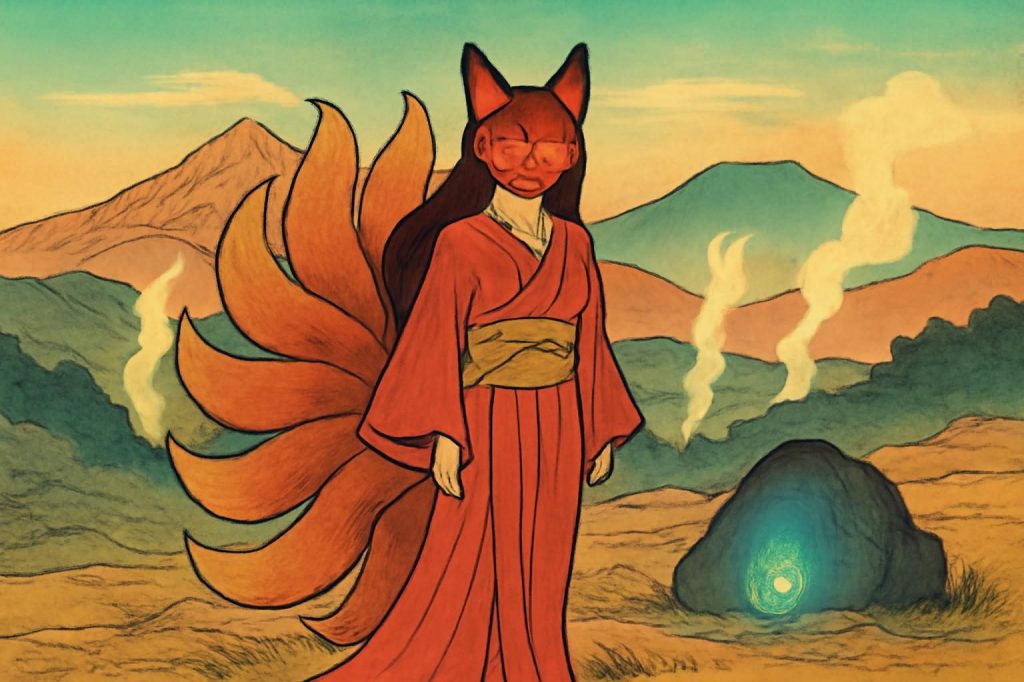
In the heart of Nasu, Tochigi Prefecture, lies the enigmatic Killing Stone (Sesshō-seki), a place where the boundaries between history and legend blur amidst a stunning volcanic landscape. This site is not only a natural wonder but also a cultural landmark steeped in myth and mystery, drawing visitors from all over Japan and beyond.

Introduction to the Killing Stone of Nasu
FACT: A National Place of Scenic Beauty
The Killing Stone, known as Sesshō-seki, is a lava boulder located near Nasu Yumoto Onsen in Nasu Town. It was designated a national Place of Scenic Beauty on March 18, 2014. This designation underscores its importance as both a cultural and natural treasure. The stone’s unique geological formation and the surrounding landscape make it a captivating destination for those interested in the intersection of natural beauty and cultural heritage. Visitors can explore the area and appreciate the scenic views that have been preserved for their historical and aesthetic value.
The designation as a Place of Scenic Beauty also highlights the stone’s role in preserving the cultural narratives associated with it. It serves as a reminder of the deep connection between Japan’s natural landscapes and its mythological past, inviting contemplation and respect for the stories that have shaped the region.
FACT: Volcanic Gases and Their Deadly Effect
The stone’s ominous name, ‘Killing Stone,’ is derived from the poisonous volcanic gases emitted in its vicinity. These gases have historically been lethal to animals that ventured too close, leading to tales of death and danger surrounding the stone. The area around Sesshō-seki is known for its geothermal activity, contributing to the stone’s deadly reputation. Visitors to the site can often smell the sulfurous gases that hint at the volcanic forces at work beneath the earth’s surface.
This natural phenomenon has fascinated scientists and tourists alike, offering a glimpse into the powerful forces that shape the earth. The presence of these gases is a reminder of the delicate balance between life and death in nature, a theme that resonates deeply with the legend of the Killing Stone.
The Legend of Tamamo-no-Mae and the Nine-Tailed Fox
LEGEND: The Spirit of Tamamo-no-Mae
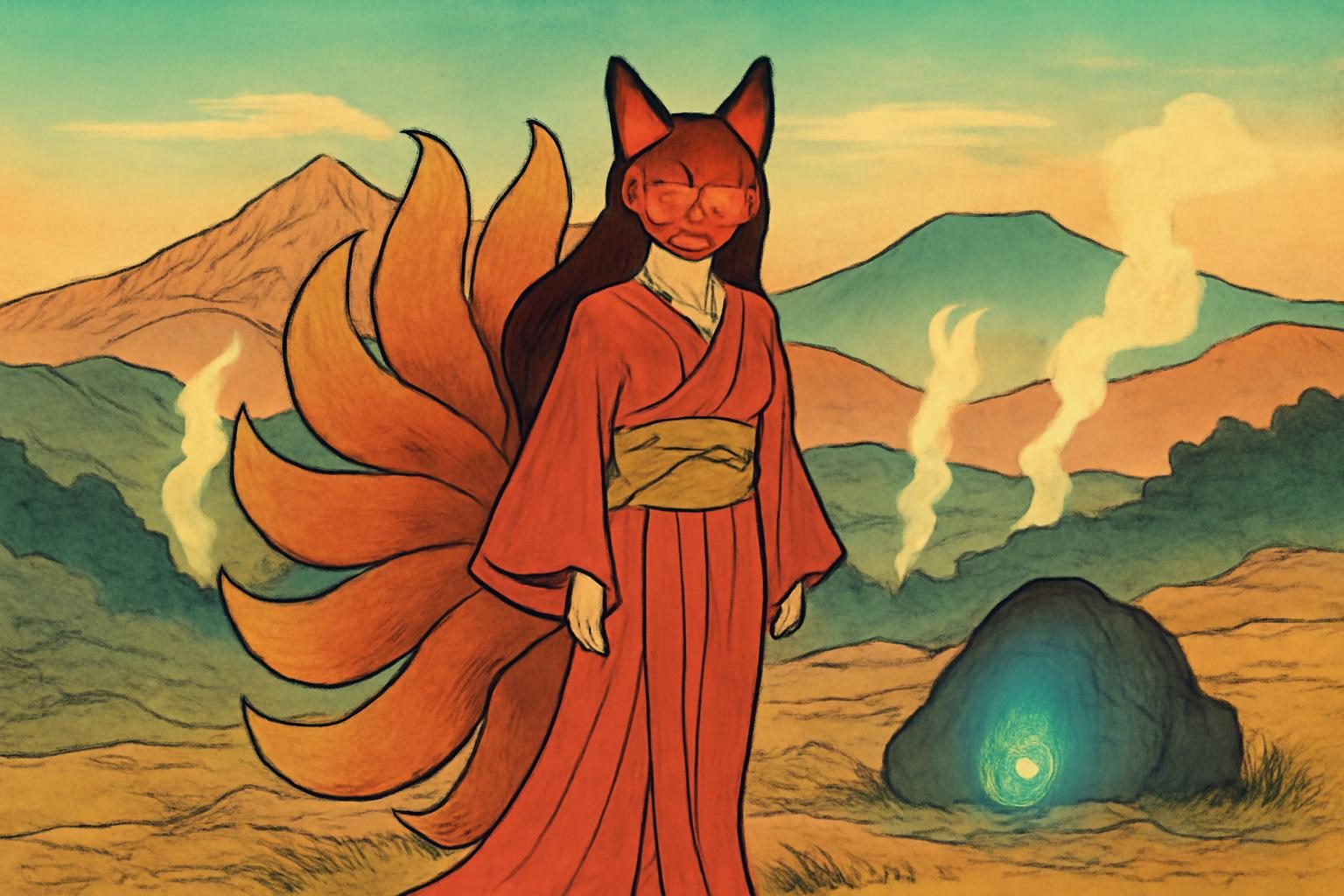
According to legend, Sesshō-seki is intrinsically linked to the story of Tamamo-no-Mae, a mythical nine-tailed fox spirit. This fox spirit, known for its cunning and shape-shifting abilities, transformed into a beautiful woman and served as a courtesan to Emperor Toba. Her true identity was eventually discovered, leading to her spirit being sealed within the stone, where it continued to exude a poisonous aura, killing any living creature that came near. This tale of deception and supernatural power is a staple of Japanese folklore, illustrating themes of transformation and the hidden dangers of beauty.
The story of Tamamo-no-Mae is often recounted with a sense of intrigue and caution, serving as a moral tale about the perils of deceit and the potential for danger lurking beneath a beautiful facade. The legend has been passed down through generations, adding layers of meaning to the already mysterious Killing Stone.
LEGEND: The Nine-Tailed Fox’s Curse
The legend further narrates that the spirit of Tamamo-no-Mae, trapped within the stone, continued to harbor malevolence. Her vengeful spirit was believed to be responsible for the death of countless creatures, thus cementing the stone’s fearsome reputation and its place in Japanese folklore. The story of the nine-tailed fox is often told with a sense of awe and caution, reminding listeners of the mysterious and often dangerous forces that lie just beyond the veil of the visible world.
This enduring legend serves as a cultural touchstone, reflecting the complex relationship between humans and the supernatural. It invites reflection on the nature of power and the consequences of its misuse, themes that are as relevant today as they were in ancient times.

Volcanic Reality: Why the Stone Emits Poisonous Gases
FACT: Geological Activity in Nasu
The area surrounding Sesshō-seki is part of a larger volcanic region, characterized by geothermal vents and hot springs. This geological activity is responsible for the emission of toxic gases, which have contributed to the stone’s deadly reputation. Nasu Yumoto Onsen, a nearby hot spring, is a popular destination for visitors seeking to experience the region’s natural wonders. The hot springs offer a stark contrast to the deadly gases, providing a place of relaxation and healing amidst the rugged volcanic terrain.
For those visiting the area, the juxtaposition of danger and tranquility is a compelling draw. The hot springs, known for their therapeutic properties, invite guests to unwind and reflect on the natural beauty that surrounds them, while the Killing Stone stands as a reminder of the earth’s untamed power.
In the Footsteps of Matsuo Bashō
FACT: Bashō’s Visit and Observations
The famous haiku poet Matsuo Bashō visited Sesshō-seki in 1689 during his journey chronicled in ‘Oku no Hosomichi.’ He wrote about the stone, observing that dead bees and butterflies lay so thick around it that the sand could scarcely be seen. Bashō’s account adds a historical layer to the stone’s already rich tapestry of stories. His observations highlight the stark beauty and eerie atmosphere of the site, capturing the imagination of those who read his words and inspiring a deeper appreciation for the natural and supernatural elements at play.
Bashō’s visit underscores the cultural significance of the site, as his poetic reflections continue to resonate with readers today. His writings offer a lens through which to view the Killing Stone, inviting visitors to engage with the site not only as a natural wonder but also as a source of artistic inspiration.

The Split Stone: Recent Events and Preservation
FACT: The 2022 Split and Rituals
On March 5, 2022, Sesshō-seki was observed to have split into two. Local authorities attributed this to natural deterioration. In response, a peace-prayer ritual was held to honor the stone’s cultural significance and to appease any lingering spirits. This event drew attention to the ongoing preservation efforts for this historic site. The splitting of the stone was seen by some as a symbolic event, perhaps indicating a change in the spiritual energy associated with the site.
The ritual held in response to the stone’s splitting reflects the community’s deep respect for the legend and its commitment to preserving the site’s cultural heritage. Such events highlight the importance of maintaining a connection to the past while navigating the changes brought about by time and nature.
Nasu Onsen Shrine and the Gojinka Festival
FACT: Annual Rituals and Celebrations
Each May, the Gojinka (Sacred Fire) Festival is held with a torch procession from Nasu Onsen Shrine to Sesshō-seki. Participants don white robes and fox masks, and the event features a drum performance known as ‘White-Faced Golden Nine-Tailed Fox Taiko.’ This festival is a vibrant celebration of the legend, drawing visitors who wish to partake in the cultural festivities. The festival serves as a reminder of the enduring power of the legend and the community’s connection to the spiritual and natural world.
The Gojinka Festival is not only a celebration of the legend but also a testament to the community’s efforts to keep their cultural traditions alive. The participation of locals and visitors alike in the festivities fosters a sense of unity and shared heritage, making it a memorable experience for all who attend.

Related on JAPAN ESSENCE: Exploring Tōno: The Heart of Japanese Folklore and Yokai Legends | Exploring Iso-onna: The Shore-Woman Yokai of Kakara Island in Saga
Regional guide
Location: Nasu, Tochigi Prefecture
- Nasu Seshoseki Gojinka Festival (Nasu) — source
For centuries, onigawara (demon roof tiles) have guarded Japanese rooftops from evil. You can find onigawara pieces at Oni Koubou. To meet these guardian faces in person, try a hands-on onigawara experience with Onigawara Experience.


Leave a comment