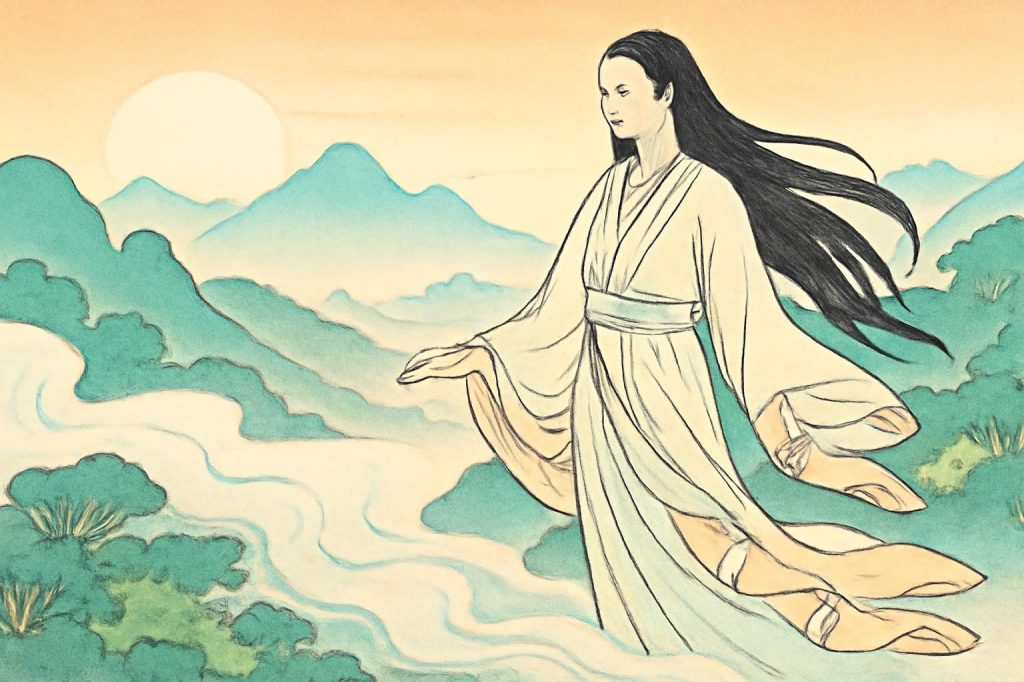
In Nanjo, Okinawa Prefecture, lies Sefa-Utaki, a revered sacred site deeply intertwined with the Ryukyu creation myth. As a UNESCO World Heritage site, it offers a glimpse into the spiritual origins of the Ryukyu Kingdom and the mystical tales that surround it.

Introduction to Sefa-Utaki and the Ryukyu Kingdom
FACT: Historical Significance and UNESCO Recognition
Sefa-Utaki, located on the Chinen Peninsula in Nanjo City, is considered the most sacred site of the Ryukyu Kingdom. It was designated as a UNESCO World Heritage site in 2000, recognized for its cultural significance and its role in the religious practices of the Ryukyu people. The site is a part of the “Gusuku Sites and Related Properties of the Kingdom of Ryukyu,” highlighting its importance in the region’s history and culture. The designation underscores its value not only as a historical landmark but also as a living testament to the spiritual traditions that continue to influence Okinawan culture today.
Visitors to Sefa-Utaki can explore its unique natural formations, which have been preserved to maintain their historical integrity. The site’s recognition as a UNESCO World Heritage site ensures that these sacred groves are protected, allowing future generations to appreciate the spiritual and cultural heritage of the Ryukyu Kingdom. The careful preservation of Sefa-Utaki reflects a broader commitment to maintaining the cultural landscapes that define Okinawa’s identity.
LEGEND: The Creation Myth of Amamikiyo
According to local tradition, Sefa-Utaki is where the goddess Amamikiyo descended to earth, marking the beginning of the Ryukyu Kingdom. This myth tells of Amamikiyo creating the islands and establishing the first Ryukyu people. The site is believed to be a direct link to the divine, where rituals and prayers were conducted to honor the goddess and seek her blessings. The legend of Amamikiyo is central to the identity of the Ryukyu people, reflecting their deep connection to the land and the sea, which are seen as gifts from the goddess herself.
The story of Amamikiyo is not only a creation myth but also a narrative that reinforces the cultural values and social structures of the Ryukyu people. It highlights the importance of harmony with nature and the reverence for the divine, which are key aspects of Ryukyu spirituality. The myth is celebrated through various cultural practices and festivals, where the community comes together to honor their ancestral heritage and the goddess who is believed to have bestowed life upon their lands.
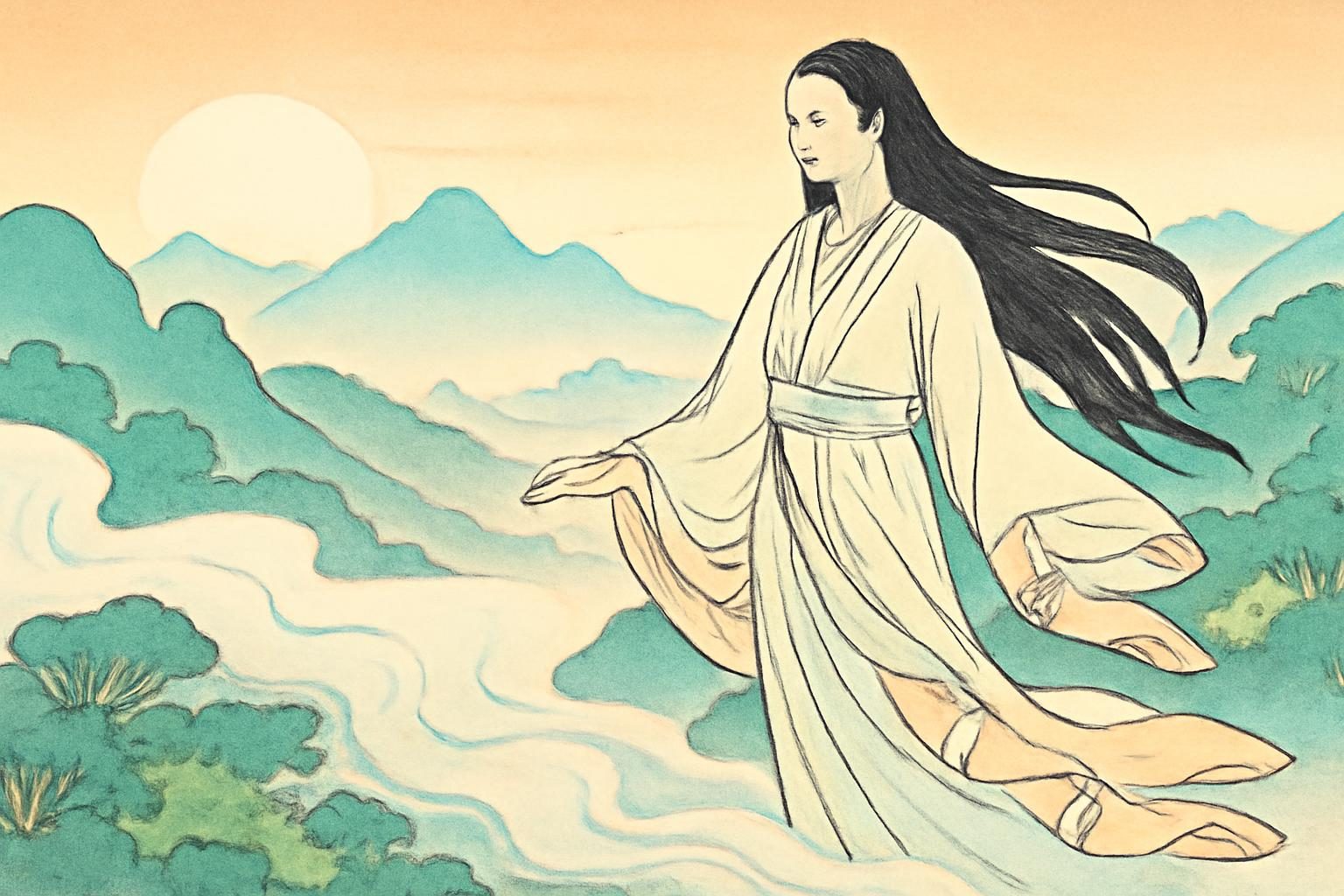
The Creation Myth: Amamikiyo’s Descent and Kudaka Island
FACT: Kudaka Island’s Role
Kudaka Island, visible from Sefa-Utaki, is considered a sacred place in its own right. It is traditionally viewed as the “Island of the Gods,” where the Ryukyu people believed the gods resided. Pilgrimages to Kudaka Island were an essential part of the religious practices associated with Sefa-Utaki. The island’s role in these practices highlights its importance as a spiritual focal point, where the divine presence is thought to be especially potent.
The island’s sacred status is reinforced by its natural beauty and isolation, which contribute to its aura of mystery and reverence. Visitors to Kudaka Island can experience the tranquility and spiritual significance that have made it a site of pilgrimage for centuries. The island’s landscapes serve as a reminder of the deep spiritual connection that the Ryukyu people have with their environment, emphasizing the belief that the divine is present in all aspects of nature.
LEGEND: The Divine Descent
Local lore holds that Amamikiyo descended to Kudaka Island before establishing the sacred groves of Sefa-Utaki. This narrative underscores the island’s spiritual significance and its connection to the divine origins of the Ryukyu Kingdom. According to this tradition, Kudaka Island served as the initial point of contact between the divine and the earthly realms, making it a place of profound spiritual resonance for the Ryukyu people.
The descent of Amamikiyo is a story that continues to be passed down through generations, illustrating the enduring nature of Ryukyu myths and their role in shaping cultural identity. This legend is celebrated in local storytelling and ceremonies, where the community reaffirms its ties to the divine and to the land that sustains them. The narrative of Amamikiyo’s descent serves as a powerful symbol of the Ryukyu people’s origins and their ongoing relationship with the spiritual world.

Understanding the Sacred Groves and Sanctuaries (Ibi)
FACT: Structure and Layout of Sefa-Utaki
Sefa-Utaki comprises several sacred groves and sanctuaries known as “Ibi.” These natural formations are integral to the site’s spiritual ambiance. The groves are carefully preserved, offering visitors a serene environment for reflection and connection with nature. The layout of Sefa-Utaki is designed to harmonize with the natural landscape, creating a seamless blend of spirituality and the natural world.
The sanctuaries within Sefa-Utaki are arranged in a manner that reflects the spiritual hierarchy and significance of each site. Visitors can explore these areas, gaining insight into the rituals and practices that have been conducted here for centuries. The design and preservation of the Ibi highlight the Ryukyu people’s respect for nature and their belief in the sacredness of the land.
LEGEND: Rituals and Offerings
Traditionally, Sefa-Utaki was the site of numerous rituals and offerings. The Ryukyu people believed that the spirits of their ancestors and gods resided within the groves. Rituals conducted here were meant to honor these spirits and seek their guidance and protection. These practices reflect a deep reverence for the spiritual world and a belief in the interconnectedness of all living things, a theme that is central to Ryukyu spirituality.
The rituals at Sefa-Utaki are characterized by their simplicity and focus on natural elements, emphasizing the Ryukyu people’s connection to the earth and the divine. Offerings typically include natural items such as fruits and grains, symbolizing gratitude and respect for the gifts of nature. These practices continue to be an important part of local cultural heritage, preserving the spiritual traditions that have defined the Ryukyu Kingdom for generations.
The Triangular Rock Formation of Sangui and Eastern Prayers
FACT: The Sangui Formation
One of the most distinctive features of Sefa-Utaki is the Sangui, a triangular rock formation that serves as a focal point for prayers directed towards the east. This natural structure is a testament to the site’s unique geological and spiritual characteristics. The Sangui’s shape and orientation are believed to enhance the spiritual energy of the site, making it a powerful place for prayer and meditation.
The Sangui formation is not only a geological marvel but also a symbol of the Ryukyu people’s spiritual beliefs. Its orientation towards the east aligns with the traditional practice of greeting the rising sun, which is seen as a source of life and renewal. This alignment reinforces the connection between the natural world and the spiritual practices of the Ryukyu people, highlighting the importance of harmony with the environment.
LEGEND: Eastern Prayers
According to tradition, prayers at the Sangui were directed towards Kudaka Island and the rising sun, symbolizing renewal and divine favor. This practice highlights the interconnectedness of the natural and spiritual worlds in Ryukyu beliefs. The act of praying towards the east is seen as a way to align oneself with the cycles of nature and the divine will, reinforcing the belief that human life is part of a larger cosmic order.
The tradition of eastern prayers at the Sangui is a reflection of the Ryukyu people’s deep respect for the natural world and their desire to live in harmony with it. This practice is a reminder of the cyclical nature of life and the importance of renewal and growth, themes that are central to Ryukyu spirituality and cultural identity.

Royal Rituals and the Role of the Kikoe-Okimi Priestess
FACT: The Kikoe-Okimi’s Role
The Kikoe-Okimi, or high priestess, played a crucial role in the religious ceremonies at Sefa-Utaki. She was responsible for conducting rituals that ensured the prosperity and protection of the Ryukyu Kingdom. Her position underscored the matrilineal aspects of Ryukyu spiritual leadership. The Kikoe-Okimi’s authority and influence were central to the spiritual governance of the kingdom, reflecting the importance of female leadership in Ryukyu society.
The role of the Kikoe-Okimi highlights the unique aspects of Ryukyu spiritual and social structures, where women held significant religious authority. Her leadership was integral to maintaining the spiritual balance of the kingdom, ensuring that the divine will was respected and followed. This matrilineal tradition underscores the Ryukyu people’s respect for female leadership and the vital role women played in their cultural and spiritual life.
LEGEND: Royal Inaugurations
Legend holds that the Kikoe-Okimi conducted inaugural ceremonies for Ryukyu kings at Sefa-Utaki. These rituals were believed to confer divine legitimacy and protection upon the rulers, linking them directly to the goddess Amamikiyo. This connection between the monarchy and the divine was seen as essential for maintaining the kingdom’s stability and prosperity, ensuring that the king ruled with the blessing of the gods.
The inaugural ceremonies conducted by the Kikoe-Okimi were elaborate events that reinforced the sacred bond between the monarchy and the divine. These rituals symbolized the king’s role as a mediator between the earthly and spiritual realms, a position that was essential for the well-being of the Ryukyu Kingdom. The ceremonies served as a powerful reminder of the divine origins of the kingdom and the responsibilities of its rulers to uphold the spiritual and cultural values of their people.
Practical Tips for Visiting Sefa-Utaki in Nanjo City
FACT: Visiting Information
Visitors to Sefa-Utaki can explore the sacred groves and enjoy the serene natural surroundings. It is recommended to check the official website for current hours, fees, and access information. The site is accessible from Cape Chinen Park, where parking is available. This practical information ensures that visitors can plan their trip effectively and experience the spiritual and historical richness of Sefa-Utaki.
For those planning a visit, it’s important to respect the site’s cultural and spiritual significance. Visitors are encouraged to approach the site with reverence and mindfulness, taking the time to appreciate the natural beauty and historical importance of Sefa-Utaki. The experience offers a unique opportunity to connect with the spiritual heritage of the Ryukyu Kingdom and to reflect on the enduring legacy of its cultural traditions.

Related on JAPAN ESSENCE: Exploring the Tengu Legends of Mount Takao | Exploring Kamui Kotan: Geology and Ainu Legend in Asahikawa
Regional guide
Location: Nanjo, Okinawa Prefecture
Sources
To explore further, visit Zenkei (禅景) for Zen-inspired onigawara art and Onigawara Experience for hands-on onigawara experiences in Japan.


Leave a Reply