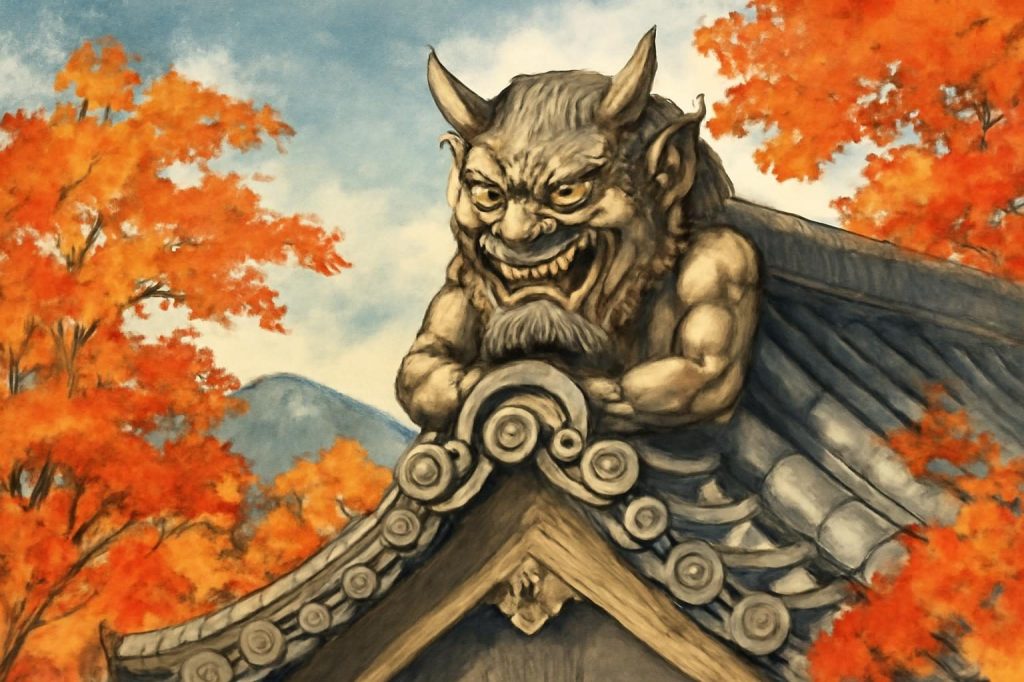
In the heart of Ōmihachiman, Shiga Prefecture, lies a unique cultural treasure: the onigawara, or demon-faced roof tiles, which have captivated both locals and visitors with their intricate designs and historical significance. These iconic tiles are a testament to Japan’s rich architectural heritage and can be explored in depth at the Kawara Museum.
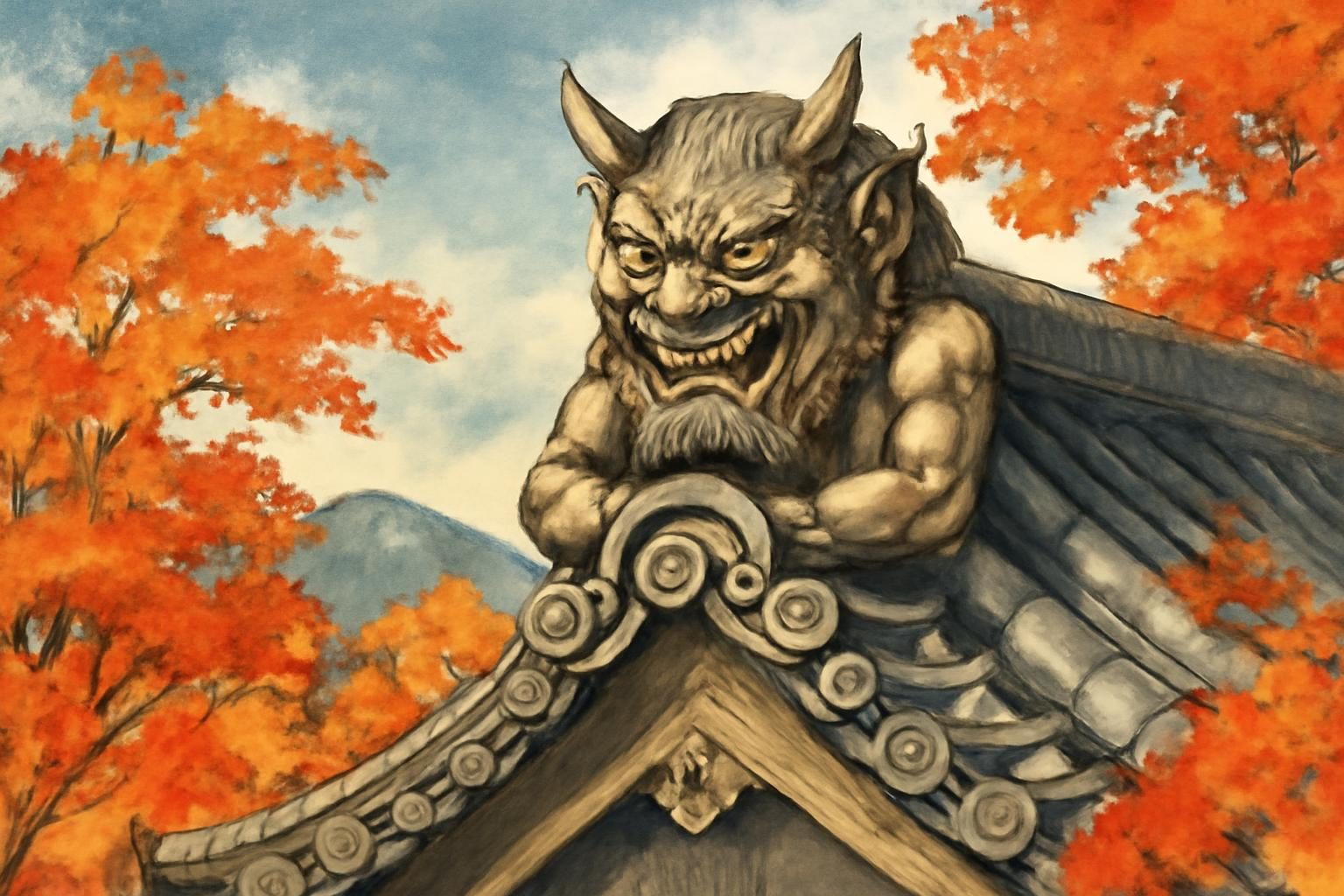
What Are Onigawara? The Iconic Demon-Face Tiles of Japan
FACT: The Origins and Purpose of Onigawara
Onigawara are decorative roof tiles that traditionally feature the face of an oni, or demon. These tiles are typically placed at the ends of roof ridges and are believed to ward off evil spirits and protect the structures they adorn. The practice of using onigawara dates back to the Nara period (710-794 AD), when they were first introduced as part of Buddhist temple architecture. During this era, the influence of Chinese architectural styles was prominent, and the use of protective motifs was a common practice.
The introduction of onigawara into Japanese architecture marked a significant cultural exchange between Japan and China. As Buddhism spread throughout Japan, so did the architectural elements associated with it, including the protective symbolism embodied by onigawara. These tiles served not only a decorative function but also a spiritual one, as they were believed to embody the power to repel negative energies.
FACT: The Evolution of Onigawara Design
Originally, onigawara designs were simple and floral, reflecting the aesthetic preferences of early Japanese architecture. However, over time, these designs evolved into more elaborate and fearsome depictions of demons. This transformation was influenced by various cultural and religious factors, including the syncretism of Shinto and Buddhist beliefs. By the Edo period (1603-1868), onigawara had become a common feature not only in temples but also in samurai residences and other important buildings. This evolution reflects a broader trend in Japanese art and architecture, where the merging of different cultural influences led to unique and distinct styles.
The shift from floral to demon motifs in onigawara design also mirrored societal changes. As Japan moved through different historical periods, the role of demons in folklore and religion became more pronounced, influencing the artistic representation of these figures. The demon faces on onigawara became more exaggerated and expressive, embodying the dual role of beauty and protection.
The Evolution of Onigawara: From Floral Ornaments to Ogre Masks
FACT: Changes in Artistic Styles
The artistic styles of onigawara have varied significantly over the centuries. Early designs were influenced by Chinese floral motifs, but as Japanese culture developed its own identity, the tiles began to feature more indigenous themes, such as mythical creatures and legendary figures. The demon faces became more pronounced, reflecting a shift towards using these tiles as protective talismans. This change in style can be seen as a reflection of the evolving spiritual beliefs in Japan, where the concept of demons and protective spirits played a significant role in everyday life.
As the designs became more complex, the craftsmanship required to produce onigawara also advanced. Artisans began to experiment with different expressions and styles, creating a wide variety of demon faces that could convey different emotions and levels of ferocity. This artistic diversity allowed onigawara to be tailored to the specific needs and beliefs of the building owners, making each piece a unique work of art.
FACT: Cultural and Religious Influences
Throughout Japanese history, the design of onigawara has been shaped by the interplay of cultural and religious influences. The integration of Shinto and Buddhist elements is evident in the motifs used in these tiles. While Shintoism emphasizes the presence of kami, or spirits, in natural elements, Buddhism brought with it the concept of protective deities. Onigawara, therefore, serve as a physical manifestation of these beliefs, combining the protective aspects of both religions into a single artistic expression.
This blend of religious symbolism in onigawara highlights the syncretic nature of Japanese spirituality. The tiles not only serve as a protective measure but also as a reminder of the interconnectedness of different belief systems within Japanese culture. By incorporating elements from both Shinto and Buddhism, onigawara became a symbol of cultural harmony and spiritual protection.

Exploring Omihachiman: A Hub of Traditional Tile Manufacture
FACT: Ōmihachiman’s Historical Significance
Ōmihachiman, located in Shiga Prefecture, has a long history of roof tile production, making it an ideal place to explore the art of onigawara. The town’s strategic location along the Hachiman-bori Canal facilitated trade and cultural exchange, contributing to the development of its tile-making industry. The canal itself is a historic waterway that played a crucial role in the economic and cultural development of the region. Today, visitors can explore the town’s historic architecture and see onigawara adorning many traditional buildings. Walking through Ōmihachiman offers a glimpse into the past, where the craftsmanship of onigawara is still visible on the rooftops of preserved structures.
The town’s rich history is reflected in its well-preserved streets and buildings. As visitors stroll through Ōmihachiman, they can observe how the art of tile-making has been passed down through generations, with each onigawara reflecting the skill and artistry of its creator. The presence of these tiles on historic buildings serves as a testament to the enduring legacy of traditional Japanese craftsmanship.
Inside the Kawara Museum: The Ultimate Destination for Roof Tile Enthusiasts
FACT: What to See at the Kawara Museum
The Kawara Museum in Ōmihachiman offers an in-depth look at the history and craftsmanship of Japanese roof tiles, including onigawara. The museum’s exhibits showcase a wide range of tiles from different periods and regions, highlighting the diversity of styles and techniques used in their creation. Visitors can also learn about the cultural significance of these tiles and their role in Japanese architecture. The museum provides educational displays that explain the evolution of onigawara and their symbolic meanings, making it a valuable resource for anyone interested in traditional Japanese art and architecture.
In addition to static displays, the museum offers interactive elements that allow visitors to engage more deeply with the history of onigawara. Through multimedia presentations and hands-on activities, guests can gain a better understanding of the cultural and historical context of these fascinating tiles. This interactive approach helps to bring the history of onigawara to life, making the museum experience both educational and enjoyable.
FACT: Engaging with History
At the Kawara Museum, visitors have the opportunity to engage with the history of onigawara through interactive exhibits and detailed displays. The museum not only focuses on the aesthetic aspects of these tiles but also delves into the techniques used by craftsmen over the centuries. Although specific manufacturing methods are not detailed, the museum provides insights into the skill and artistry required to create these intricate pieces. This engagement with history allows visitors to appreciate the cultural and historical context of onigawara, enhancing their understanding of this unique art form.
The museum’s commitment to preserving and sharing the history of onigawara is evident in its comprehensive collection and educational programs. Visitors leave with a deeper appreciation for the craftsmanship and cultural significance of these tiles, as well as a greater understanding of their role in Japanese architectural history.

Architecture and Aesthetics: Viewing Historic Rooftops in Shiga
FACT: Notable Buildings Featuring Onigawara
In addition to the Kawara Museum, Ōmihachiman is home to several historic buildings where visitors can see onigawara in situ. These include traditional merchant houses and temples that have been preserved to showcase the architectural styles of past eras. The town’s commitment to preserving its cultural heritage makes it a prime destination for those interested in traditional Japanese architecture. Walking through the streets of Ōmihachiman, visitors can admire the craftsmanship of onigawara on the rooftops, each tile telling a story of protection and artistry.
The presence of onigawara on these historic structures offers a unique opportunity to see how these tiles have been integrated into the architectural fabric of the town. Each building provides insight into the historical and cultural context in which it was constructed, with onigawara serving as a visual link to the past. This architectural heritage is a key aspect of Ōmihachiman’s charm and appeal.
Plan Your Visit: Practical Tips for Exploring Omihachiman’s Tile Heritage
FACT: Visiting the Kawara Museum
For those planning a visit to the Kawara Museum, it is advisable to check the official website for current hours, fees, and access information. The museum is conveniently located beside the Hachiman-bori Canal, making it easily accessible for visitors exploring the area. Ōmihachiman itself offers a charming blend of historical sites and scenic beauty, providing a comprehensive cultural experience. The town’s picturesque setting, combined with its rich history, makes it an ideal destination for those looking to immerse themselves in Japan’s architectural heritage.
Whether you are a history enthusiast, an architecture aficionado, or simply curious about Japanese culture, a visit to Ōmihachiman and the Kawara Museum promises a rewarding experience. The town’s unique combination of natural beauty and historical significance ensures that visitors will leave with lasting memories and a deeper appreciation for Japan’s rich cultural tapestry.

Related on JAPAN ESSENCE: Jojima Onigawara: Exploring Kyushu’s Lustrous Demon Tiles in Fukuoka | Sendai Castle’s Onigawara: Roof Tiles, Gold and the Lost Ōtemon
Sources
To explore further, visit Onigawara Experience for hands-on onigawara experiences in Japan and Oni Kobo (鬼工房) for onigawara demon-tile art and charms.


.jpg)
.jpg)

Leave a Reply