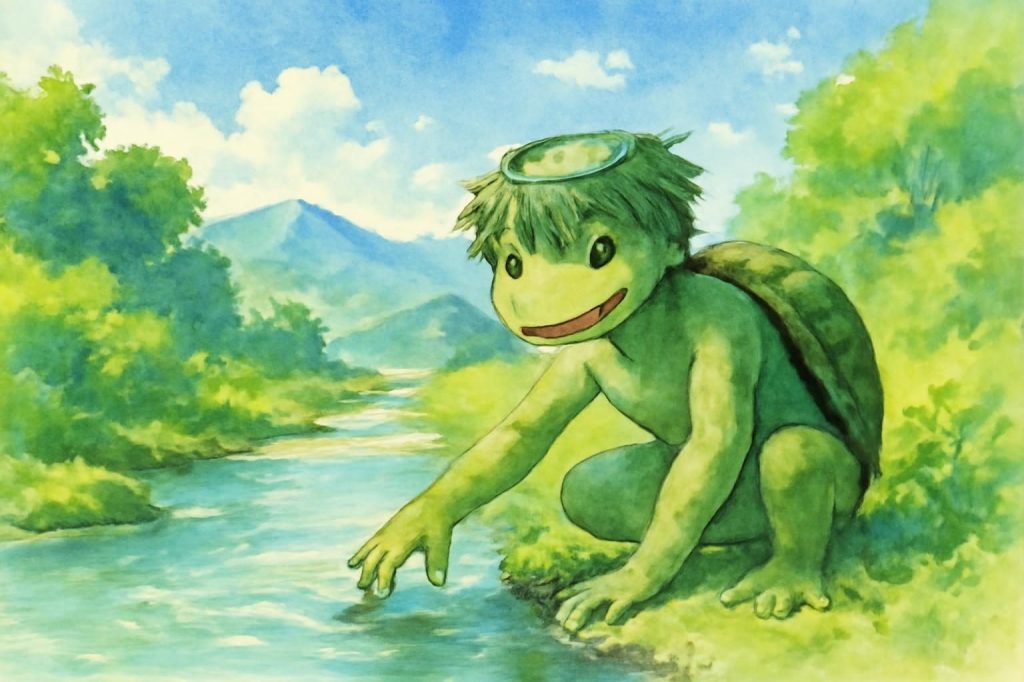
In Tono, Iwate Prefecture, lies a mystical site steeped in folklore and legend: the Kappa-buchi Pool behind Jokenji Temple. This serene location is famed for its connection to the kappa, a mythical water creature that has captured the imagination of locals and visitors alike.

Introduction to Tono and Japanese Kappa Lore
FACT: Tono’s Rich Folklore Heritage
Tono is renowned for its rich tapestry of folklore, prominently featuring in Kunio Yanagita’s “Tono Monogatari,” a seminal work that documents the region’s legends and traditions. The town is a treasure trove of tales, with the kappa being one of the most intriguing mythical creatures associated with it. Yanagita’s collection of stories has preserved the oral traditions of Tono, providing a glimpse into the cultural landscape of the area. The kappa, in particular, stands out as a symbol of the region’s vibrant storytelling tradition.
Yanagita’s work is pivotal in bringing these stories to a broader audience, ensuring that the unique cultural identity of Tono is recognized and appreciated beyond its borders. The tales encapsulated in “Tono Monogatari” not only entertain but also serve as cultural artifacts that offer insights into the values, beliefs, and fears of the people of Tono. Through these stories, the kappa emerges as a multifaceted character, embodying both the playful and the perilous aspects of nature.
LEGEND: The Kappa of Tono
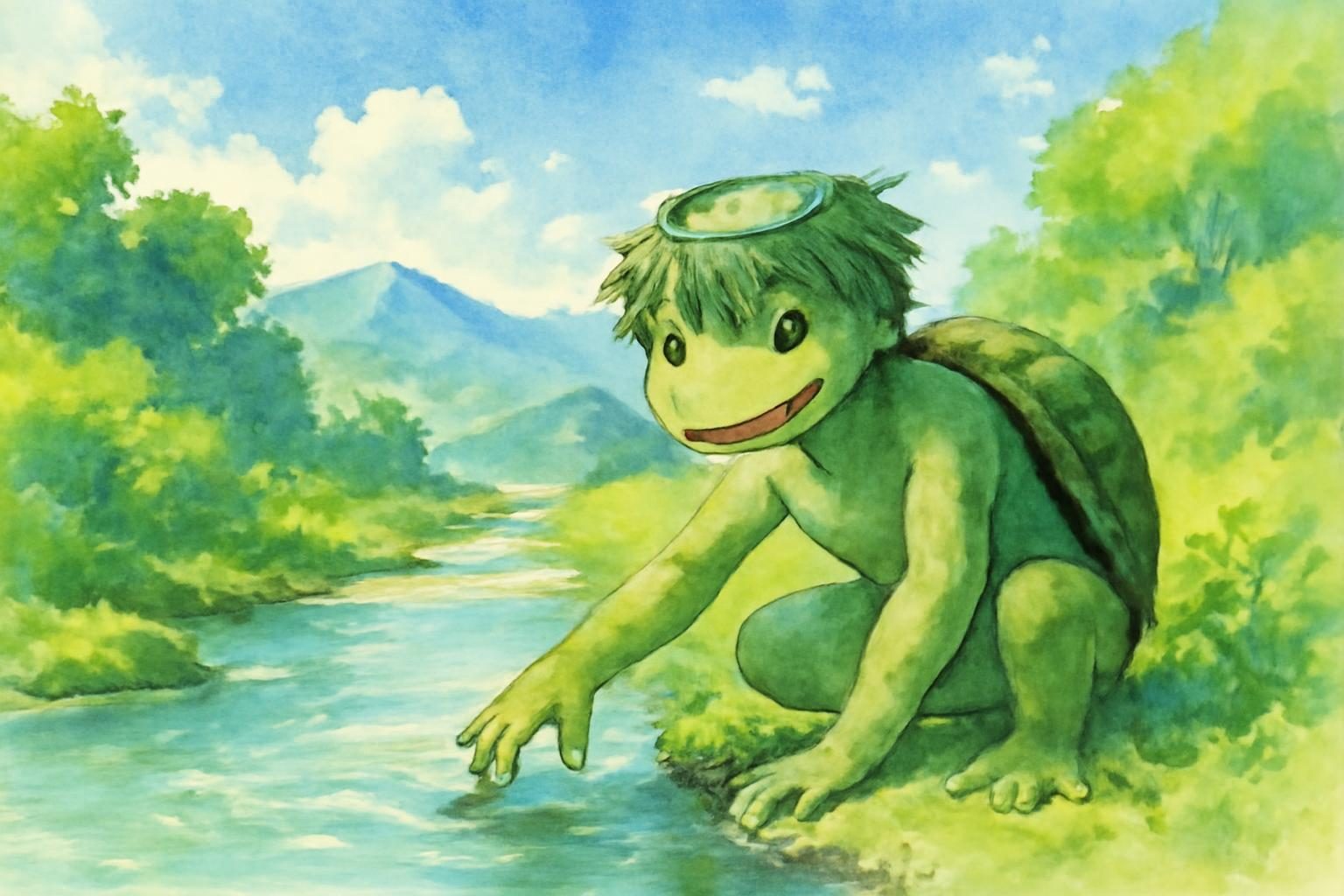
According to local tradition, kappa are mischievous water spirits known for their playful yet sometimes troublesome antics. They are said to inhabit rivers and ponds, with Kappa-buchi Pool being one of their favored haunts. These creatures are often depicted as having a humanoid form with features of a turtle and a beak-like mouth. The kappa’s mischievous nature is a recurring theme in Japanese folklore, where they are often portrayed as tricksters who delight in playing pranks on humans. Despite this, they are also considered to be benevolent if treated with respect, reflecting the dual nature of many mythical beings in Japanese culture.
The kappa’s dual nature is a reflection of the broader theme in Japanese folklore where creatures and spirits can be both friend and foe. This duality is often a metaphor for the unpredictability of nature itself, which can be both nurturing and destructive. In Tono, the kappa is not just a mythical creature but a symbol of the relationship between humans and nature, emphasizing the importance of respect and harmony with the natural world.
The Mystery of Kappabuchi Pool Behind Jokenji Temple
FACT: Location and Access
Kappa-buchi Pool is situated behind Jokenji Temple in Tono, Iwate Prefecture. Visitors can reach this enchanting spot by following a footpath from Denshoen Park, approximately 6 kilometers from Tono Station. The area is well-signposted, making it accessible for those interested in exploring this legendary site. The journey to the pool offers a scenic walk through the picturesque landscapes of Tono, enhancing the mystical experience of visiting a place so deeply connected to local legend.
As visitors make their way to Kappa-buchi Pool, they are greeted with the serene beauty of the surrounding nature, which sets the stage for the mystical tales associated with the site. The path to the pool is not just a physical journey but also a metaphorical one, inviting visitors to step into a world where folklore and reality intertwine. The tranquility of the area offers a moment of reflection and connection with the stories that have been passed down through generations.
LEGEND: The Kappa and the Fire
A popular legend tells of a kappa that once saved Jokenji Temple from a devastating fire. As the story goes, the kappa extinguished the flames by dousing them with water from the pool, earning the gratitude of the temple’s monks and solidifying its place in local lore. This tale highlights the kappa’s role as a protector, showcasing their potential for good deeds despite their mischievous reputation. Such stories are a testament to the deep cultural significance of the kappa in Tono, where they are seen as both tricksters and guardians.
This legend is often recounted during local festivals and gatherings, where the community comes together to celebrate the kappa’s protective role. The story serves as a reminder of the interconnectedness of the community and the natural world, with the kappa acting as a guardian spirit that watches over the temple and its surroundings. The tale is a cherished part of Tono’s cultural heritage, illustrating the enduring bond between the people and their folklore.

Unique Guardians: The Kappa Statues of Jokenji
FACT: Statues and Their Significance
Visitors to Jokenji Temple will encounter statues of kappa near the pool. These statues serve as guardians and are a testament to the enduring cultural significance of the kappa in Tono. They are often adorned with offerings, reflecting the locals’ respect and reverence for these mythical beings. The presence of these statues underscores the importance of the kappa in local spiritual practices, where they are revered as protectors and symbols of the community’s rich folklore.
The statues are crafted with attention to detail, capturing the unique features of the kappa as described in local legends. They stand as silent sentinels, watching over the pool and the temple, embodying the spirit of the kappa as both a trickster and a guardian. The offerings placed at the statues’ feet are tokens of gratitude and respect, a way for the community to honor the kappa’s place in their cultural narrative.
Traditions and Shrines: The Breast-Milk Deity at Kappabuchi
LEGEND: The Nursing Shrine
Adjacent to Kappa-buchi Pool is a small shrine dedicated to a deity associated with breast milk, believed to protect nursing mothers and their children. According to tradition, the kappa play a role in safeguarding this shrine, further intertwining their legend with the spiritual practices of the area. The shrine is a place of solace and protection, where visitors can offer prayers for the health and well-being of mothers and infants, highlighting the nurturing aspect of the kappa’s legend.
This shrine is an integral part of the local community’s spiritual life, serving as a sanctuary for those seeking comfort and protection. The association of the kappa with the shrine reinforces their role as guardians, not only of the temple but also of the families who come to seek blessings. The shrine’s peaceful atmosphere provides a space for reflection and prayer, inviting visitors to connect with the nurturing spirit of the kappa and the protective deity.

Try Your Hand at Catching a Kappa with a Whimsical Permit
FACT: Kappa Fishing Permits
In a playful nod to the legend, visitors can obtain a “kappa fishing permit” from local shops in Tono. While the permits are more of a novelty, they offer a unique way for tourists to engage with the folklore and add a touch of whimsy to their visit. This activity allows visitors to immerse themselves in the local culture, providing a fun and interactive way to connect with the stories of the kappa and the spirit of Tono.
The permits are a popular souvenir, serving as a tangible reminder of the visitor’s encounter with Tono’s rich folklore. Engaging in this playful activity allows tourists to experience the lighter side of the kappa legend, where imagination and tradition come together in a delightful blend. The permits encourage visitors to explore the area with a sense of curiosity and wonder, embodying the playful spirit of the kappa themselves.
Connecting with Folklore: Kunio Yanagita’s Tono Monogatari
FACT: A Literary Connection
Kunio Yanagita’s “Tono Monogatari” is a pivotal work that brought the legends of Tono, including the tales of the kappa, to a wider audience. The book remains a key resource for understanding the cultural and historical context of these stories, making it a must-read for anyone interested in Japanese folklore. Yanagita’s work not only preserves the oral traditions of Tono but also invites readers to explore the rich tapestry of myths and legends that define the region’s cultural identity.
Through “Tono Monogatari,” readers are transported into a world where the boundaries between reality and myth blur, offering a unique perspective on the cultural heritage of Tono. The book serves as both a historical document and a literary masterpiece, capturing the essence of the region’s folklore and the enduring allure of its mythical creatures. For those who delve into its pages, “Tono Monogatari” offers a deeper understanding of the stories that continue to shape the identity of Tono and its people.

Related on JAPAN ESSENCE: Exploring Oboke’s Yokai Village: Shikoku’s Hidden Valley of Japanese Folklore | Kyusenbo Kappa Legend in Yatsushiro, Kumamoto
Sources
- Tono’s Yokai Spot "Kappa Pond" – Can you get a kappa fishing permit and go kappa fishing? [Tono City, Iwate Prefecture]
- Folklore Seeker | Tohoku Colors | Japan Travel
- The Complete Guide to the Mysterious Things of Tono, Iwate – Yokai Legends and Unknown Trivia
To explore further, visit Onigawara Experience for hands-on onigawara experiences in Japan and Kawara Kobo (瓦工房) for a hands-on kawara experience.


.jpg)

Leave a Reply