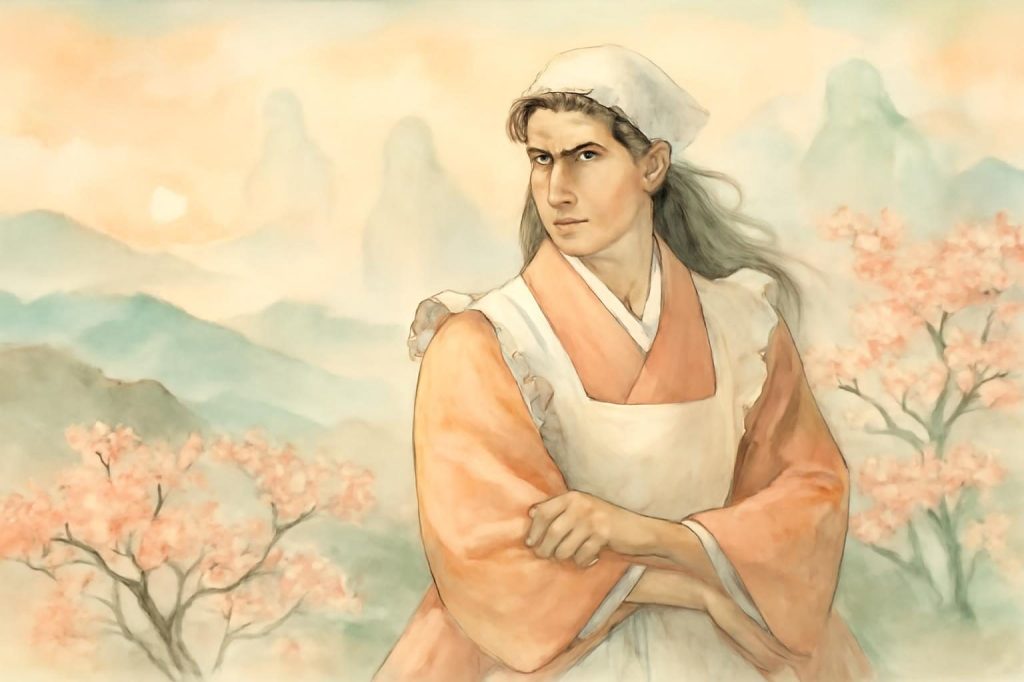
In Kamakura, Kanagawa Prefecture, Kumano Shrine in Ofuna enshrines Yamato Takeru no Mikoto, the legendary prince of the Kojiki and Nihon Shoki. It stands at the foot of Rokkokukenzan, next to Tamon-in temple.
Introduction to Yamato Takeru
FACT: Yamato Takeru in the ancient chronicles
Yamato Takeru is a semi-legendary prince whose story is told in Japan’s oldest chronicles, the Kojiki (712) and the Nihon Shoki (720). According to these texts, he was sent first on a western campaign against the Kumaso of Kyushu, and later on an eastern campaign through the Kanto region.
LEGEND (言い伝え): Two separate campaigns
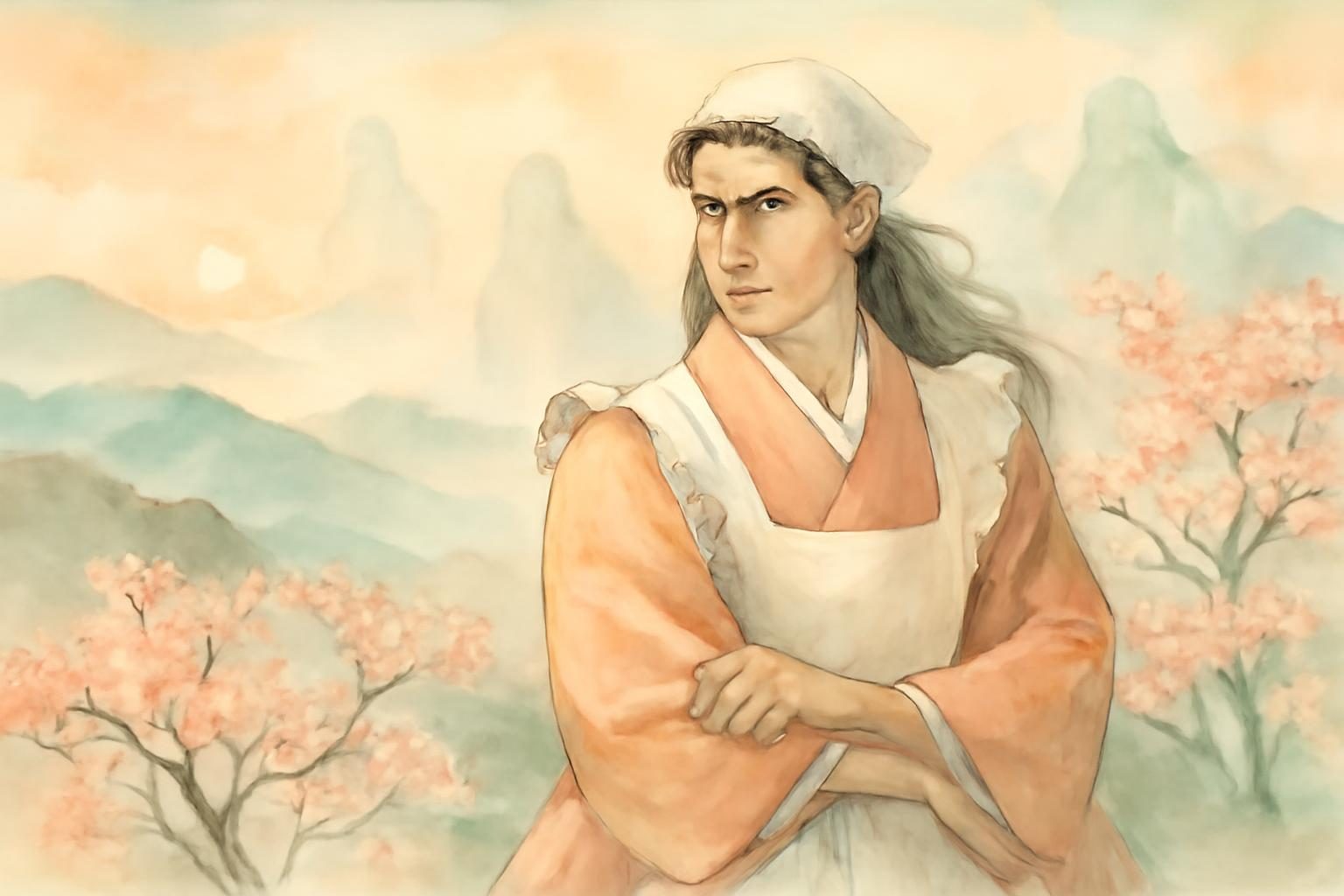
According to the Kojiki, the famous episode where he disguised himself as a young woman took place on the western campaign: dressed in clothes from his aunt Yamatohime, he got into a banquet held by the Kumaso Takeru brothers and struck them down. It is not part of the eastern campaign. On the eastern campaign, the chronicles tell of the grass-fire trap, which he escaped using the sword later called Kusanagi. The Kojiki places this in Sagami and the Nihon Shoki in Suruga.
Kumano Shrine (Ofuna, Kamakura)
FACT: The shrine’s history
Kumano Shrine in Ofuna enshrines Yamato Takeru no Mikoto. Kamakura Time (鎌倉タイム) says it was enshrined in 1579 (Tenshō 7) by Amakasu Nagatoshi, a local samurai serving the Later Hōjō clan. Tamon-in was founded at the same time as its bettō-ji (the temple that managed the shrine). The Kamakura Citizen Net history guide dates the shrine to the middle of the Muromachi period and also credits the Amakasu family. Both sources say the main hall holds a wooden statue in sokutai court dress. Kamakura Time reports that Amakasu enshrined it at the founding; neither source says whom it depicts. The worship hall also serves as a kagura hall. The sources we checked mention no local legend of Yamato Takeru praying or climbing here, no statues depicting his life and no seasonal re-enactment event, so this article does not claim any.

Rokkokukenzan: The Hill of the Six-Province View
FACT: Where the name comes from
Kamakura City explains that Rokkokukenzan (六国見山) is named because six provinces (Sagami, Musashi, Izu, Kazusa, Shimōsa and Awa) could once be seen from its summit. The name means “a hill from which six provinces can be seen,” not a place where six provinces meet. Part of its slopes is now Rokkokukenzan Forest Park, with an observation deck and walking paths. The city notes there are no toilets or car park. A Fujizuka mound and stone monuments linked to Mt Fuji worship stand at the summit. An old cutting behind Kumano Shrine leads towards the hill.
Visiting
Kamakura Time gives access as a bus from Ofuna Station to the Jōrakuji stop, then about a 5-minute walk. Please check current information before you go.

Related on JAPAN ESSENCE: Tracing the Momotaro Legend at Kibitsu Shrine in Okayama | Unzen Jigoku Shrine: The Legend of the Oshimen Deities
Sources
- ヤマトタケル – Wikipedia
- 熊野神社(大船) – 鎌倉タイム
- Ofuna East Area
- The Legend of Yamato Takeru: Hero Mythology of Atsuta Shrine and the Eastern/Western Campaigns | Toku
- 六国見山森林公園の紹介 – 鎌倉市
To explore further, visit Oni Kobo (鬼工房) for onigawara demon-tile art and charms and Kawara Kobo (瓦工房) for a hands-on kawara experience.


Leave a Reply