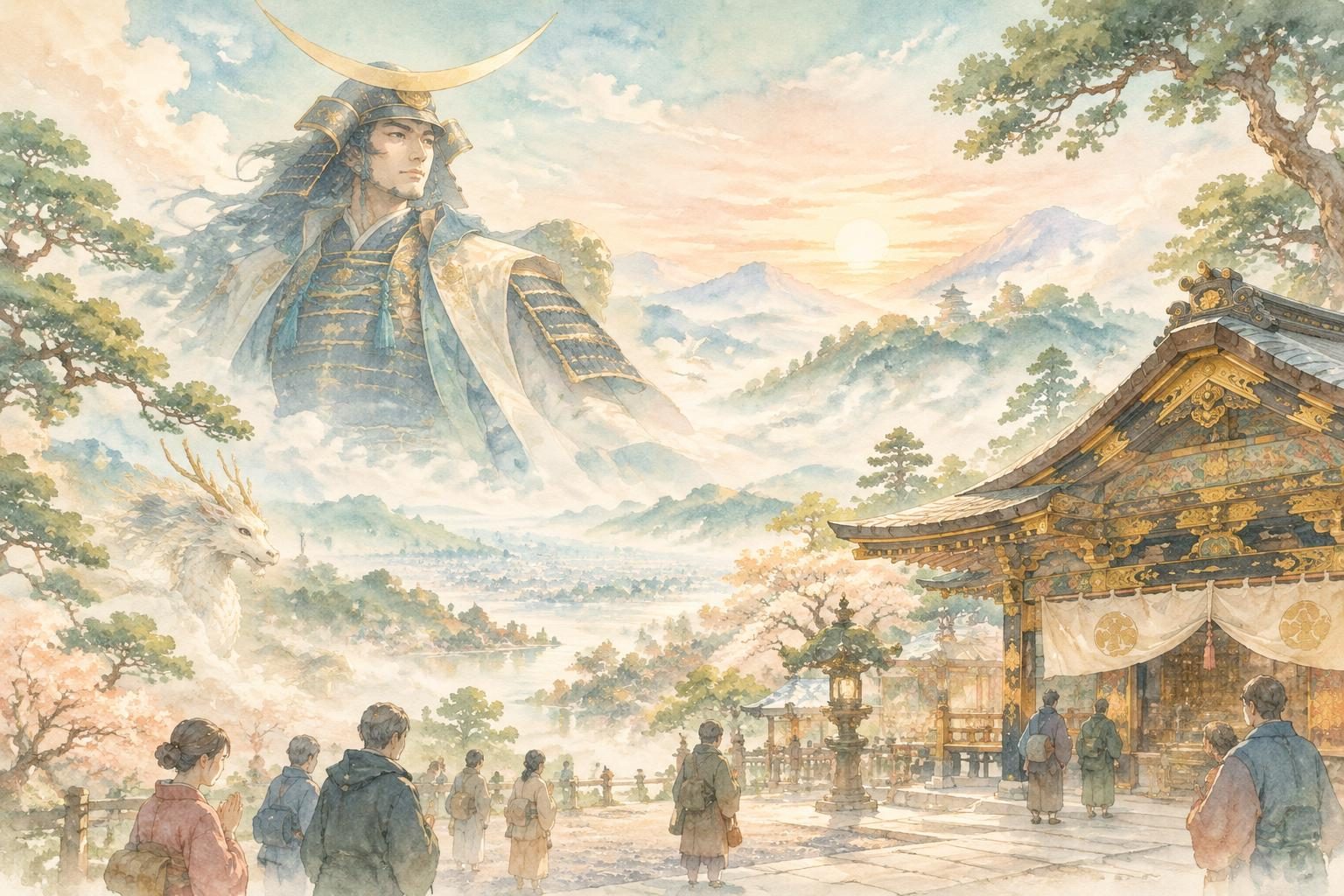
In Sendai, Miyagi Prefecture, the legacy of the legendary samurai Date Masamune, known as the One-Eyed Dragon, is immortalized in the stunning Zuihoden Mausoleum and Aoba Shrine. These historical sites offer a glimpse into the rich samurai heritage and architectural beauty of the Momoyama period.


Introduction to Date Masamune and Sendai’s Samurai Heritage
FACT: The Life and Influence of Date Masamune
Date Masamune, a prominent daimyo of the late Azuchi-Momoyama and early Edo periods, is celebrated for his role in the development of Sendai. Born in 1567, Masamune was known for his strategic acumen and ambition, which earned him the moniker ‘One-Eyed Dragon’ due to the loss of his right eye. His leadership and vision were instrumental in transforming Sendai into a thriving city. Masamune’s influence extended beyond military prowess; he was a patron of the arts and encouraged cultural development, which has left a lasting impact on the region.
FACT: The Establishment of Sendai
Under Masamune’s rule, Sendai became a significant political and cultural hub. He was responsible for the city’s urban planning and the construction of Sendai Castle, which served as the center of his domain. His efforts laid the foundation for Sendai’s prosperity and cultural richness, which continues to be celebrated today. The city was meticulously planned with wide streets and strategic fortifications, reflecting Masamune’s forward-thinking approach to governance and urban development.

Zuihōden: The Magnificent Momoyama Mausoleum
FACT: Architectural Splendor of Zuihoden
Zuihoden, the mausoleum of Date Masamune, is a masterpiece of Momoyama architecture, characterized by its vibrant colors and intricate woodwork. Nestled in a serene cedar forest in Sendai, the mausoleum reflects the grandeur and artistry of the period. Visitors can explore the beautifully preserved structures and learn about the craftsmanship that went into their creation. The site is adorned with elaborate carvings and vibrant lacquerwork, showcasing the skill of artisans from the Momoyama era.
LEGEND: The Spirit of Masamune at Zuihoden
According to local tradition, the spirit of Date Masamune is said to reside at Zuihoden, watching over the city of Sendai. This belief is reflected in the reverence shown by visitors, particularly during the year-end ceremonies when locals pay homage to their ancestral leader. The mausoleum is not only a resting place but also a symbol of Masamune’s enduring presence and protection over the city.
FACT: Exploring Zuihoden’s Grounds
The grounds of Zuihoden are meticulously maintained, offering a peaceful environment for reflection and appreciation of history. The pathways are lined with towering cedar trees, creating a tranquil setting that enhances the spiritual atmosphere of the site. Visitors can also find smaller mausoleums dedicated to Masamune’s descendants, each with its own unique architectural features.
FACT: Historical Artifacts at Zuihoden
The grounds of Zuihoden house several important artifacts related to the Date family, including personal items and historical documents. These artifacts offer insights into the life and times of Masamune and his descendants, providing a tangible connection to the past. The collection includes samurai armor, swords, and personal effects that belonged to the Date family, offering a glimpse into the daily life and legacy of this influential clan.


Aoba Shrine: Deifying the One-Eyed Dragon
FACT: The Significance of Aoba Shrine
Aoba Shrine, located in Sendai, is dedicated to Date Masamune. It serves as a place of worship and a testament to Masamune’s enduring legacy. The shrine is a popular destination for those wishing to pay their respects and learn more about the historical figure who shaped the region. The architecture of Aoba Shrine reflects traditional Shinto design, with its simple yet elegant structures harmonizing with the natural surroundings.
LEGEND: Masamune’s Divine Status
Local tradition holds that Date Masamune is revered as a deity at Aoba Shrine. This belief underscores the deep respect and admiration the people of Sendai have for their historical leader, who is seen as a protector and benefactor of the city. The shrine hosts annual festivals where locals and visitors alike participate in ceremonies honoring Masamune’s spirit, reinforcing his divine status among the community.
Legends of the Date Clan: From Odawara to Sendai
LEGEND: The Journey of the One-Eyed Dragon
One popular legend recounts how Date Masamune, after losing his eye in childhood, rose to power and led his clan from Odawara to Sendai. This journey is celebrated in local stories and festivals, highlighting Masamune’s resilience and strategic prowess. The tale of his journey is often depicted in local art and performances, serving as an inspirational story of overcoming adversity and achieving greatness.


Practical Guide to Visiting Zuihoden and Sendai in Winter
Visitors to Sendai can explore the historical sites of Zuihoden and Aoba Shrine year-round. During winter, the serene atmosphere and snow-covered landscapes add a unique charm to these locations. The snow accentuates the vibrant colors of the mausoleum and shrine, creating a picturesque scene that attracts photographers and tourists alike. Check the official websites for current hours, fees, and access details.
Nearby Guide
Access
- Zuihoden Mausoleum Bus Stop (Sendai) — Take the Loople Sendai bus from Sendai Station and alight at the Zuihoden Mausoleum bus stop. The bus fare is 260 yen per ride or 630 yen for a 1-day pass. The mausoleum is a short walk from the bus stop. official site
- Omachi-Nishikoen Station (Sendai) — Take the Tozai Subway Line from Sendai Station to Omachi-Nishikoen Station. From there, it’s a 15–20 minute walk to Zuihoden Mausoleum. official site
- Zuihoden Mausoleum Parking Lot (Sendai) — If driving, use the parking lot near Zuihoden Mausoleum. Present your admission ticket upon departure to receive free parking. official site
Nearby sights
- Zuihoden Mausoleum (Sendai) — The ornate mausoleum of Date Masamune, featuring intricate woodwork and vivid colors, set amidst a serene cedar forest. Open from 9:00 AM to 4:50 PM (last admission at 4:30 PM) from February 1 to November 30, and from 9:00 AM to 4:20 PM (last admission at 4:00 PM) from December 1 to January 31. Clos official site
- Matsushima Bay (Matsushima) — Renowned for its picturesque bay dotted with numerous small islands, offering scenic views and boat tours. Accessible via a 40-minute train ride from Sendai Station to Matsushima-Kaigan Station, followed by a short walk. details
- Fukuurajima Island (Matsushima) — An island connected to the mainland by a red bridge, offering walking trails and panoramic views of Matsushima Bay. Accessible by a short walk from Matsushima-Kaigan Station. details


Related on JAPAN ESSENCE: The Fall of the Late Hojo: Samurai Legacy and Legends in Kanto | Exploring Musashi Mitake Shrine: The Legend of Tokyo’s Guardian Wolf
Sources
- Aoba Shrine – Wikipedia
- Date Masamune – Wikipedia
- Zuihoden Mausoleum Official Site
- Matsushima Travel Guide – JEEPE
To explore further, visit Zenkei (禅景) for Zen-inspired onigawara art and Kawara Kobo (瓦工房) for a hands-on kawara experience.
宮城県仙台市では、「独眼竜」として知られる伝説の侍、伊達政宗の遺産が、華麗な瑞鳳殿と青葉神社に刻まれています。これらの歴史的名所は、豊かな侍の遺産と桃山時代の建築美を垣間見ることができます。
伊達政宗と仙台の侍の遺産の紹介
事実: 伊達政宗の生涯と影響
伊達政宗は、安土桃山時代末期から江戸時代初期にかけての著名な大名であり、仙台の発展において重要な役割を果たしました。1567年に生まれた政宗は、戦略的な才覚と野心で知られ、右目を失ったことから「独眼竜」の異名を得ました。彼の指導力とビジョンは、仙台を繁栄する都市へと変貌させる上で重要でした。政宗の影響は軍事的な力量を超え、芸術の後援者として文化の発展を奨励し、地域に永続的な影響を与えました。
事実: 仙台の設立
政宗の統治下で、仙台は重要な政治的および文化的中心地となりました。彼は都市計画と仙台城の建設を担当し、彼の領地の中心として機能しました。彼の努力は、仙台の繁栄と文化的豊かさの基盤を築き、今日でも称賛されています。都市は広い通りと戦略的な要塞で綿密に計画され、政宗の先見性のある統治と都市開発へのアプローチを反映しています。
瑞鳳殿: 華麗な桃山の霊廟
事実: 瑞鳳殿の建築の壮麗さ
瑞鳳殿は、伊達政宗の霊廟であり、鮮やかな色彩と精巧な木工細工で特徴づけられる桃山建築の傑作です。仙台の静かな杉林に囲まれたこの霊廟は、当時の壮麗さと芸術性を反映しています。訪問者は、美しく保存された建物を探索し、その創造に込められた職人技を学ぶことができます。敷地は精巧な彫刻と鮮やかな漆塗りで飾られ、桃山時代の職人の技を示しています。
伝承: 瑞鳳殿における政宗の霊
地元の言い伝えによると、伊達政宗の霊は瑞鳳殿に宿り、仙台の街を見守っていると言われています。この信仰は、特に年末の儀式の際に訪問者が示す敬意に反映されています。霊廟は単なる安息の地ではなく、政宗の永続的な存在と市への保護の象徴でもあります。
事実: 瑞鳳殿の敷地を探索
瑞鳳殿の敷地は丁寧に管理され、歴史の反映と感謝のための静かな環境を提供しています。道は高い杉の木で囲まれ、サイトの精神的な雰囲気を高める静かな環境を作り出しています。訪問者はまた、政宗の子孫に捧げられた小さな霊廟を見つけることができ、それぞれが独自の建築的特徴を持っています。
事実: 瑞鳳殿の歴史的遺物
瑞鳳殿の敷地には、伊達家に関連するいくつかの重要な遺物が収められており、個人のアイテムや歴史的文書が含まれています。これらの遺物は、政宗とその子孫の生活と時代についての洞察を提供し、過去との具体的なつながりを提供します。コレクションには、侍の鎧、刀剣、伊達家に属していた個人の品々が含まれ、この影響力のある一族の日常生活と遺産を垣間見ることができます。
青葉神社: 独眼竜を神格化
事実: 青葉神社の重要性
仙台にある青葉神社は、伊達政宗に捧げられています。それは、礼拝の場であり、政宗の永続的な遺産の証です。神社は、敬意を表し、地域を形作った歴史的人物についてもっと知りたいと願う人々にとって人気のある目的地です。青葉神社の建築は、自然環境と調和するシンプルで優雅な構造を持つ伝統的な神道デザインを反映しています。
伝承: 政宗の神格化
地元の伝承では、伊達政宗は青葉神社で神として崇められているとされています。この信仰は、仙台の人々が歴史的指導者に対して抱く深い敬意と賞賛を強調しています。神社では、地元の人々と訪問者が政宗の霊を称える儀式に参加する年次祭りが開催され、彼の神格化が地域社会の中で強化されています。
伊達家の伝承: 小田原から仙台へ
伝承: 独眼竜の旅
人気のある伝説の一つには、子供の頃に目を失った後、伊達政宗が権力を握り、小田原から仙台へと一族を導いたという話があります。この旅は地元の物語や祭りで祝われ、政宗の回復力と戦略的な力量を強調しています。彼の旅の物語は、地元の芸術やパフォーマンスでしばしば描かれ、逆境を乗り越え、偉業を成し遂げるというインスピレーションを与える物語として伝えられています。
冬の瑞鳳殿と仙台訪問の実用ガイド
仙台を訪れる人々は、年間を通じて瑞鳳殿と青葉神社の歴史的名所を探索することができます。冬の間、静かな雰囲気と雪に覆われた風景がこれらの場所に独特の魅力を加えます。雪は霊廟と神社の鮮やかな色を引き立て、写真家や観光客を魅了する絵のようなシーンを作り出します。最新情報は公式サイトでご確認ください。
周辺ガイド
アクセス
- 瑞鳳殿前バス停(仙台)— 仙台駅からるーぷる仙台バスに乗り、瑞鳳殿前バス停で下車。バス料金は1回260円、1日乗車券は630円です。霊廟はバス停から徒歩ですぐです。公式サイト
- 大町西公園駅(仙台)— 仙台駅から地下鉄東西線に乗り、大町西公園駅で下車。そこから瑞鳳殿まで徒歩15〜20分です。公式サイト
- 瑞鳳殿駐車場(仙台)— 車でお越しの場合は、瑞鳳殿近くの駐車場をご利用ください。出発時に入場券を提示すると無料駐車が受けられます。公式サイト
周辺の見どころ
- 瑞鳳殿(仙台)— 精巧な木工細工と鮮やかな色彩が特徴の伊達政宗の華麗な霊廟で、静かな杉林に囲まれています。2月1日から11月30日までは午前9時から午後4時50分まで(最終入場は午後4時30分)、12月1日から1月31日までは午前9時から午後4時20分まで(最終入場は午後4時)開館。公式サイト
- 松島湾(松島)— 多数の小島が点在する絵のように美しい湾で、景色を楽しむボートツアーが提供されています。仙台駅から松島海岸駅まで電車で40分、そこから徒歩ですぐです。詳細
- 福浦島(松島)— 赤い橋で本土とつながっている島で、散策路と松島湾のパノラマビューを提供しています。松島海岸駅から徒歩ですぐです。詳細
Related on JAPAN ESSENCE: The Fall of the Late Hojo: Samurai Legacy and Legends in Kanto | Exploring Musashi Mitake Shrine: The Legend of Tokyo’s Guardian Wolf
Leave a Reply