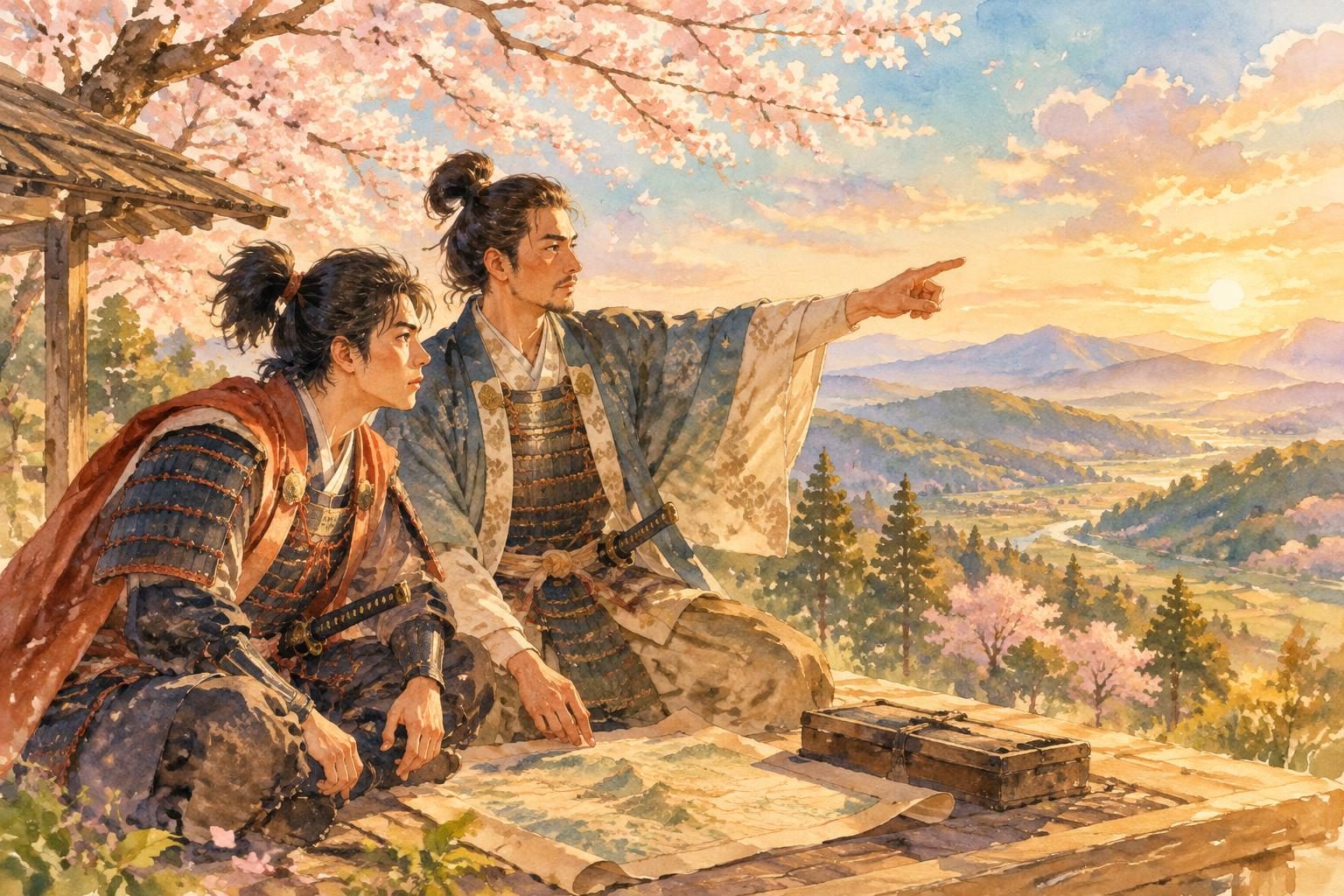
In Kawachinagano, Osaka Prefecture, lies a historical treasure trove where the legendary samurai Kusunoki Masashige is said to have spent his formative years. This area, steeped in medieval history, offers visitors a glimpse into the past through its temples and legends.


Introduction to Kawachinagano and Medieval Osaka
Kawachinagano, located in Osaka Prefecture, is a city rich in history and cultural heritage. It is renowned for its association with Kusunoki Masashige, a revered samurai known for his loyalty and strategic prowess during Japan’s Kamakura period. The city’s historical sites, particularly Kanshinji Temple, offer a window into the life and times of this legendary figure. Visitors to Kawachinagano can immerse themselves in the stories and structures that have withstood the test of time, reflecting the city’s importance as a cultural and historical hub.

Kusunoki Masashige: Childhood Studies at Kanshinji’s Chuin Sub-Temple
FACT: Academic and Religious Education
According to historical records, Kusunoki Masashige is said to have pursued his early education at Kanshinji’s Chuin sub-temple in Kawachinagano. From the ages of 8 to 15, he studied Buddhism and various academic disciplines, laying the foundation for his future as a strategic military leader. Kanshinji Temple, located at 475 Teramoto, remains a significant site for those interested in the samurai’s early life. The temple complex offers a serene environment where visitors can reflect on the intellectual and spiritual training that shaped Masashige’s character and destiny.
The education Masashige received at Kanshinji was not merely academic; it was deeply intertwined with the spiritual teachings of Buddhism. This blend of intellectual and spiritual growth is believed to have instilled in him a profound sense of duty and honor, which later defined his actions on the battlefield. The temple’s tranquil setting, with its traditional architecture and peaceful gardens, provides a backdrop that allows visitors to imagine the young Masashige in his formative years, absorbing the teachings that would guide him throughout his life.
FACT: The Significance of Kanshinji Temple
Kanshinji Temple is not only a place of religious importance but also a cultural landmark that embodies the spirit of the era. The temple’s architecture and layout provide a glimpse into the design aesthetics of the time, characterized by simplicity and harmony with nature. As a family shrine for the Kusunoki lineage, Kanshinji serves as a living testament to the enduring legacy of one of Japan’s most celebrated samurai. Visitors can explore the temple grounds, which house several historical relics and offer a tangible connection to the past.
The temple’s role as a family shrine underscores its importance in the narrative of Kusunoki Masashige. It serves as a reminder of the deep familial ties and the sense of lineage that were integral to the samurai identity. The relics housed within the temple, including artifacts and documents, provide insights into the life and times of Masashige, allowing visitors to engage with history on a personal level. The serene atmosphere of Kanshinji invites reflection and offers a space for contemplation, making it a meaningful stop for those interested in Japan’s rich cultural tapestry.


Mastering Military Strategy at the Oe Tokichika Residence Site
LEGEND: Training Under a Master Tactician
Local legend holds that during his childhood, Kusunoki Masashige honed his military strategy skills under the guidance of Oe Tokichika, a famed tactician who resided in the Kagata area of Kawachinagano. This mentorship is said to have played a crucial role in shaping Masashige’s tactical acumen, which would later become legendary in battles against the Kamakura shogunate. According to the stories, Oe Tokichika’s teachings were instrumental in developing Masashige’s strategic mind, allowing him to devise innovative tactics that would eventually challenge and outsmart his adversaries.
The stories of Masashige’s training with Tokichika emphasize the importance of mentorship in the samurai tradition. Tokichika’s influence is portrayed as pivotal, providing Masashige with not only the technical skills of warfare but also the strategic thinking necessary to outmaneuver opponents. The Kagata area, where these teachings are said to have occurred, remains a point of interest for those exploring the rich tapestry of Kawachinagano’s history. This narrative highlights the blend of intellect and martial skill that defined the samurai ethos.
LEGEND: The Influence of Oe Tokichika
The influence of Oe Tokichika on Masashige’s military education is a narrative that underscores the importance of mentorship in the samurai tradition. According to legend, Tokichika imparted not only strategic knowledge but also the values of loyalty and honor that Masashige would carry throughout his life. The Kagata area, where these teachings are said to have taken place, remains a point of interest for those exploring the rich tapestry of Kawachinagano’s history.
These legends suggest that Tokichika’s teachings went beyond mere tactics, embedding in Masashige a code of ethics that would guide his decisions and actions. The emphasis on loyalty and honor reflects the broader cultural values of the samurai class, which prized these traits above all else. Visitors interested in the samurai legacy can explore the Kagata area, imagining the young Masashige absorbing these lessons that would later define his legendary status.
Exploring Kanshinji Temple: Family Shrine and Historical Relics
Kanshinji Temple, a key site in Kawachinagano, serves as a family shrine for the Kusunoki lineage. Visitors can explore the temple grounds, which house several historical relics and offer a serene environment for reflection. The temple’s architectural style reflects the period’s design, providing a tangible connection to the past. The temple complex invites visitors to wander through its peaceful gardens and halls, where the echoes of history are palpable in every corner.
The temple’s gardens and halls are designed to evoke a sense of tranquility and introspection. The layout and design elements are intentionally crafted to harmonize with the natural surroundings, a hallmark of traditional Japanese architecture. As visitors walk through the temple grounds, they can sense the historical significance of the site and its role in the narrative of Kusunoki Masashige. The presence of historical relics further enriches the experience, offering a direct link to the past and the enduring legacy of the samurai era.


The Unfinished Tatekake-no-to Pagoda and Kubizuka Burial Mound
Within the Kanshinji Temple complex, the Tatekake-no-to Pagoda stands as an unfinished testament to the area’s historical significance. This pagoda, although never completed, symbolizes the ambitions and challenges of the era. Nearby, the Kubizuka burial mound is said to hold the remains of Kusunoki Masashige, adding a layer of mystery and reverence to the site. These landmarks invite contemplation on the enduring legacy of the samurai era, offering a poignant reminder of the impermanence and resilience of human endeavors.
The unfinished pagoda and the burial mound serve as powerful symbols of the historical and cultural narratives that define Kawachinagano. The pagoda’s incomplete state invites reflection on the ambitions and struggles of the past, while the burial mound connects visitors to the legendary figure of Masashige. These sites offer a unique opportunity to engage with the history and legends of the region, providing a deeper understanding of the samurai legacy and its impact on Japanese culture.
Planning Your Visit to Kawachinagano’s Japan Heritage Sites
Visitors to Kawachinagano can explore its rich history by visiting Kanshinji Temple and other nearby historical sites. While specific visiting hours and fees are not detailed in the current sources, it is advisable to check the official website for up-to-date information on access and any special events. The journey to Kawachinagano is not just a trip through space but a voyage through time, where the stories of the past come alive against the backdrop of the present.
Nearby Guide
Nearby sights
- Nagano Park (Kawachinagano) — A park located at the foot of the Kongo mountain range, offering natural landscapes and recreational areas. details
Where to stay
- Natural Hot Spring Ikoi no Yado Kawachinaganoso (Kawachinagano) — A historic hot spring inn offering natural magnesium and sodium chloride spring baths, seasonal kaiseki cuisine, and various facilities for relaxation. official site
Where to eat
- Kawachinagano City Tourist Information Center (Kawachinagano) — Offers local products and information about local eateries and specialties. Bicycle rentals are also available for exploring the city. official site


Related on JAPAN ESSENCE: Tokyo Winter Craft Traditions: Kumade Rakes & Edo Treasures | Winter Foods and Traditions of Hida Takayama: Hanamochi and Goheimochi
Sources
- Person|Step Back into Japan’s Middle Ages Kawachinagano
- Natural Hot Spring Ikoi no Yado Kawachinaganoso
- Kawachinagano City Tourist Information Center
- Nagano Park
To explore further, visit Kawara Kobo (瓦工房) for a hands-on kawara experience and Onigawara Experience for hands-on onigawara experiences in Japan.
大阪府河内長野市には、伝説の武士楠木正成がその若き日々を過ごしたとされる歴史の宝庫があります。この地域は中世の歴史に満ちており、訪れる人々に寺院や伝承を通じて過去の一端を垣間見せてくれます。
河内長野と中世大阪の紹介
大阪府に位置する河内長野市は、歴史と文化遺産が豊富な都市です。楠木正成との関係で知られ、鎌倉時代の日本で忠誠心と戦略的な才覚で名を馳せた武士です。特に観心寺は、この伝説的な人物の生活と時代を垣間見ることができる歴史的な場所です。河内長野を訪れる人々は、時の試練に耐えてきた物語や構造物に浸ることができ、この都市が文化的および歴史的な中心地としての重要性を反映しています。
楠木正成: 観心寺の中院での幼少期の学び
事実: 学問と宗教教育
歴史的記録によると、楠木正成は河内長野の観心寺の中院で幼少期の教育を受けたとされています。8歳から15歳まで、彼は仏教やさまざまな学問を学び、将来の戦略的な軍事指導者としての基盤を築きました。観心寺は、正成の幼少期に興味を持つ人々にとって重要な場所であり、寺院の複合施設は、正成の人格と運命を形作った知的および精神的な訓練を反映する静かな環境を提供しています。
観心寺での正成の教育は単なる学問にとどまらず、仏教の精神的な教えと深く結びついていました。この知的および精神的成長の融合が、彼に深い義務感と名誉感を植え付け、後に戦場での行動を定義することになったと考えられています。伝統的な建築と静かな庭園を備えた寺院の静かな環境は、訪れる人々が若き日の正成を想像し、彼の人生を導いた教えを吸収する様子を思い描くことを可能にします。
事実: 観心寺の重要性
観心寺は宗教的な重要性を持つだけでなく、その時代の精神を体現する文化的なランドマークでもあります。寺院の建築とレイアウトは、自然との調和を特徴とする時代のデザイン美学を垣間見ることができます。楠木家の家族の祠として、観心寺は日本で最も称賛される武士の一人の持続的な遺産の生きた証です。訪問者は、いくつかの歴史的遺物を収容する寺院の敷地を探索し、過去との具体的なつながりを提供します。
家族の祠としての寺院の役割は、楠木正成の物語におけるその重要性を強調しています。それは、武士のアイデンティティに不可欠な深い家族の絆と系譜の感覚を思い起こさせます。寺院内に収容されている遺物には、正成の生活と時代に関する洞察を提供するアーティファクトや文書が含まれており、訪問者が個人的なレベルで歴史と関わることを可能にします。観心寺の静かな雰囲気は、反省を促し、日本の豊かな文化の織物に興味を持つ人々にとって意味のある訪問地となっています。
大江時親邸跡での軍事戦略の習得
伝承: 名将の下での訓練
地元の伝承によると、楠木正成は幼少期に河内長野の加賀田地区に住んでいた名将大江時親の指導の下で軍事戦略のスキルを磨いたとされています。この指導は、後に鎌倉幕府との戦いで伝説的な戦術的な才覚を形成する上で重要な役割を果たしたとされています。物語によれば、大江時親の教えは、正成の戦略的な思考を発展させ、最終的には敵を出し抜く革新的な戦術を考案することを可能にしました。
正成が時親と共に訓練を受けた物語は、武士の伝統における指導の重要性を強調しています。時親の影響は、戦争の技術的スキルだけでなく、対戦相手を出し抜くために必要な戦略的思考を正成に提供したとされています。これらの教えが行われたとされる加賀田地区は、河内長野の豊かな歴史の織物を探求する人々にとっての興味のある場所です。この物語は、知性と武術の融合が武士の精神を定義したことを強調しています。
伝承: 大江時親の影響
大江時親が正成の軍事教育に与えた影響は、武士の伝統における指導の重要性を強調する物語です。伝承によれば、時親は戦略的な知識だけでなく、正成が生涯を通じて持ち続ける忠誠心と名誉の価値観も伝えたとされています。これらの教えが行われたとされる加賀田地区は、河内長野の豊かな歴史の織物を探求する人々にとっての興味のある場所です。
これらの伝承は、時親の教えが単なる戦術を超えて、正成に彼の決断と行動を導く倫理規範を埋め込んだことを示唆しています。忠誠心と名誉の強調は、武士階級の文化的価値観を反映しており、これらの特性を何よりも重んじています。武士の遺産に興味を持つ訪問者は、加賀田地区を探索し、後に彼の伝説的な地位を定義するこれらの教えを吸収する若き日の正成を想像することができます。
観心寺を探訪: 家族の祠と歴史的遺物
河内長野の主要な場所である観心寺は、楠木家の家族の祠として機能しています。訪問者は、いくつかの歴史的遺物を収容する寺院の敷地を探索し、反省のための静かな環境を提供します。寺院の建築様式は、その時代のデザインを反映しており、過去との具体的なつながりを提供します。寺院の複合施設は、訪問者がその静かな庭園やホールを歩き回り、歴史の響きがあらゆる角に感じられる場所です。
寺院の庭園やホールは、静けさと内省を呼び起こすように設計されています。レイアウトとデザイン要素は、自然環境と調和するように意図的に作られており、伝統的な日本建築の特徴です。訪問者が寺院の敷地を歩くと、サイトの歴史的な重要性と楠木正成の物語におけるその役割を感じることができます。歴史的遺物の存在は、体験をさらに豊かにし、過去と武士時代の持続的な遺産への直接的なつながりを提供します。
未完成の建掛塔と首塚
観心寺の複合施設内には、建掛塔がその地域の歴史的重要性の未完成の証として立っています。この塔は完成しなかったものの、その時代の野心と挑戦を象徴しています。近くには、楠木正成の遺骨が埋葬されているとされる首塚があり、サイトに神秘と敬意の層を加えています。これらのランドマークは、武士時代の持続的な遺産についての考察を促し、人間の努力の無常と回復力を思い起こさせる感動的な記念碑です。
未完成の塔と首塚は、河内長野を定義する歴史的および文化的な物語の強力なシンボルとして機能しています。塔の未完成の状態は、過去の野心と闘争についての考察を促し、首塚は正成の伝説的な人物に訪問者を結びつけます。これらのサイトは、地域の歴史と伝承に関与し、武士の遺産とその日本文化への影響をより深く理解するためのユニークな機会を提供します。
河内長野の日本遺産サイトを訪れる計画
河内長野を訪れる人々は、観心寺や他の近くの歴史的な場所を訪れることで、その豊かな歴史を探求できます。具体的な訪問時間や料金は現在の情報源には詳しく記載されていないため、アクセスや特別なイベントについての最新情報は公式サイトでご確認ください。河内長野への旅は、単なる空間の旅ではなく、過去の物語が現在の背景に対して生き生きと蘇る時間の旅です。
周辺ガイド
周辺の見どころ
- 長野公園(河内長野)— 金剛山系の麓に位置する公園で、自然の風景とレクリエーションエリアを提供しています。詳細
泊まる
- 天然温泉 いこいの宿 河内長野荘(河内長野)— 天然のマグネシウムと塩化ナトリウムの温泉浴、季節の会席料理、リラクゼーションのためのさまざまな施設を提供する歴史ある温泉宿。公式サイト
食べる
- 河内長野市観光案内所(河内長野)— 地元の製品や地元の飲食店や特産品に関する情報を提供しています。市内を探索するための自転車レンタルも利用可能です。公式サイト
Related on JAPAN ESSENCE: Tokyo Winter Craft Traditions: Kumade Rakes & Edo Treasures | Winter Foods and Traditions of Hida Takayama: Hanamochi and Goheimochi
Sources
- Person|Step Back into Japan’s Middle Ages Kawachinagano
- Natural Hot Spring Ikoi no Yado Kawachinaganoso
- Kawachinagano City Tourist Information Center
- Nagano Park
さらに楽しみたい方は、瓦にふれる体験ができる瓦工房や、鬼瓦づくりを体験できるOnigawara Experienceもご覧ください。
Leave a Reply