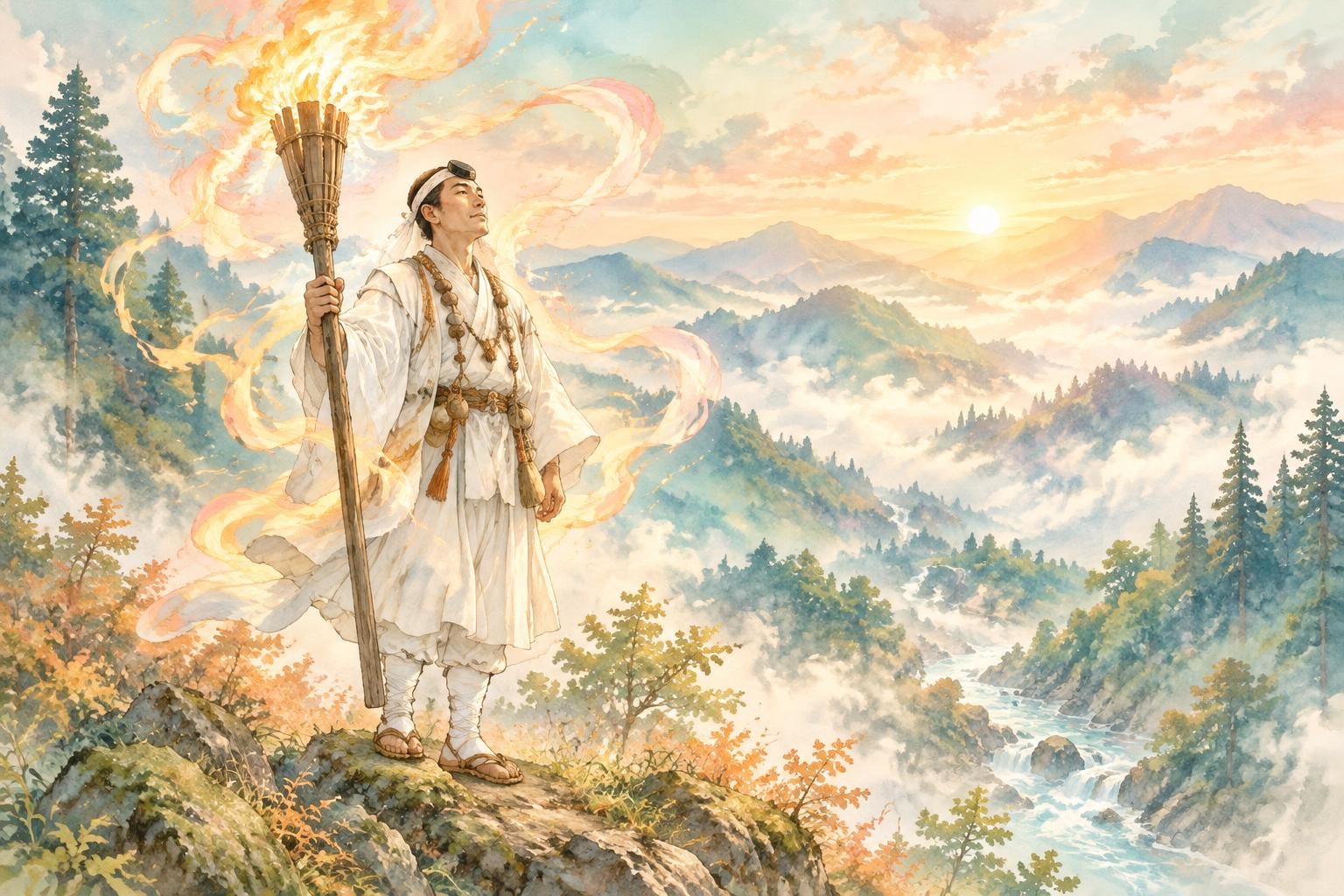
Mount Haguro in Tsuruoka, Yamagata Prefecture, hosts one of Japan’s most dramatic New Year’s Eve traditions: the Shoreisai fire rite. This annual event, held from December 31 to January 1, is a captivating blend of spiritual ritual and cultural spectacle.

What Is the Shoreisai Fire Rite on Mount Haguro?
FACT: The Annual Tradition
The Shoreisai is a New Year’s Eve fire rite that takes place annually atop Mount Haguro in Tsuruoka, Yamagata. This event has been a staple of local tradition since the Meiji era, marking the end of the year with a spectacular display of fire and spiritual contests. The rite is open to all visitors, who can participate in various ceremonies held in the main hall, courtyard, and the Matsuhijiri hall (kariya). This openness allows attendees to immerse themselves in the rich cultural and spiritual heritage of the region, offering a unique opportunity to witness and partake in age-old traditions.
The event is not just a visual spectacle but a deeply spiritual experience, reflecting the community’s connection to the land and its history. The participation of visitors in the rituals symbolizes a shared hope for renewal and prosperity in the coming year, fostering a sense of unity and continuity.
The Legend and History Behind Mount Haguro’s New Year Festival
LEGEND: Origins of the Shoreisai
According to local tradition, the Shoreisai’s origins are deeply rooted in the spiritual practices of the yamabushi, the mountain ascetics of Dewa Sanzan. The festival is said to embody the spiritual renewal and purification necessary for the coming year, with its rituals designed to cleanse participants and the community. These practices reflect the yamabushi’s deep connection to nature and their belief in the spiritual power of the mountains. The yamabushi’s lifestyle and beliefs are integral to the festival, as they emphasize harmony with nature and the pursuit of spiritual enlightenment.
The legend holds that the festival’s rituals are a manifestation of the yamabushi’s spiritual journey, symbolizing the eternal cycle of death and rebirth. This connection to the natural world and the cycle of seasons is a recurring theme in the festival, underscoring the importance of maintaining balance and harmony in life.


Yamabushi Asceticism and the 100-Day Winter Retreat
FACT: The Rigorous Preparation
The Shoreisai is the culmination of a 100-day winter ascetic retreat known as “Fuyu-no-Mine,” undertaken by two senior yamabushi, called Matsuhijiri. These ascetics, Ijō and Sendo, undergo rigorous spiritual training, staying secluded for ninety-nine days. This period of isolation is marked by intense meditation and physical endurance, aimed at strengthening their spiritual resolve. On the hundredth day, New Year’s Eve, they emerge to demonstrate their spiritual power in a contest that is central to the festival. This retreat is a testament to the dedication and discipline required to attain spiritual enlightenment, reflecting the core values of the yamabushi tradition.
FACT: The Role of the Matsuhijiri
The Matsuhijiri, as senior yamabushi, hold a revered position within the spiritual hierarchy of the Dewa Sanzan. Their role in the Shoreisai is not only to lead the rituals but also to embody the spiritual ideals of the yamabushi. Their emergence from the retreat is a symbolic act, representing the transition from the old year to the new, and their contest is a demonstration of the spiritual power they have cultivated. This role highlights the importance of leadership and spiritual guidance within the community, as the Matsuhijiri serve as both mentors and symbols of spiritual strength.
The Spectacular Otaimatsu Giant Torch Race and Kenkurabe Contest
FACT: The Dramatic Events
The Shoreisai features a series of dramatic events, including the Ōtaimatsu-biki, a giant torch race. Local young men drag and burn large torches, with the manner in which they burn believed to foretell the next year’s harvest and catch. This is preceded by the kenkurabe, a contest where the two Matsuhijiri, cast as crow and hare, match their spiritual powers. The crow and hare are symbolic representations, with the contest highlighting the balance of opposing forces and the harmony required for a prosperous year. These events are not only thrilling to watch but also serve as a reminder of the community’s dependence on the natural world for sustenance and prosperity.
FACT: The Symbolism of the Torch Race
The Ōtaimatsu-biki is more than just a physical spectacle; it is a deeply symbolic act. The torches, massive in size and weight, represent the burdens and challenges of the past year. As they are dragged and eventually set ablaze, the flames symbolize purification and renewal. The outcome of the race, determined by how the torches burn, is believed to predict the fortunes of the community, particularly in terms of agricultural and fishing yields. This ritual underscores the interconnectedness of the community’s spiritual beliefs and their daily lives, as the predictions made during the festival guide their hopes and efforts for the coming year.


Protective Talismans and the Torches’ Prophetic Flames
FACT: The Significance of the Torches
In the afternoon of December 31, pieces cut from the great torch are distributed among the crowd. These pieces, when hung from the eaves of homes, are said to act as talismans, providing protection from evil throughout the year. The burning of the torches not only serves as a spectacle but also carries spiritual significance, as the flames are believed to hold prophetic powers regarding the future. The community’s participation in this ritual underscores its collective hope for protection and prosperity. This practice of distributing torch pieces reflects the communal aspect of the festival, as each household becomes a part of the larger spiritual narrative.
How Travelers Can Experience Shoreisai on Mount Haguro Safely
FACT: Visitor Information
Visitors to the Shoreisai can participate in the festival’s various rites and enjoy the vibrant atmosphere atop Mount Haguro. The event is accessible to all, with activities taking place in the main hall, courtyard, and Matsuhijiri hall. For current hours, fees, and access details, it’s best to check the official website. Attendees are encouraged to dress warmly and prepare for the mountain’s winter conditions, ensuring a safe and enjoyable experience. The festival offers a rare glimpse into the spiritual life of the yamabushi and the cultural traditions of the region, making it a must-see for anyone interested in Japan’s rich cultural heritage.
Nearby Guide
Access
- Tsuruoka Station (Tsuruoka) — Tsuruoka Station is the main railway station in Tsuruoka, providing access to various parts of the city and surrounding areas. official site
Nearby sights
- Kamo Aquarium (Tsuruoka) — Kamo Aquarium is renowned for its extensive collection of jellyfish species and features the world’s largest jellyfish display. official site
- Dewa Sanzan (Mounts Haguro, Gassan, and Yudono) (Tsuruoka) — Dewa Sanzan comprises three sacred mountains, each representing different stages of life, offering spiritual experiences and scenic beauty. official site
Where to stay
- Shonai Hotel Suiden Terrasse (Tsuruoka) — Shonai Hotel Suiden Terrasse offers eco-friendly accommodations with natural hot springs and scenic views. official site
Where to eat
- Shonai Fish Market Sakaba Shiosai (Tsuruoka) — Shonai Fish Market Sakaba Shiosai is a Japanese-style izakaya offering fresh, locally sourced seafood and vegetables. details


Related on JAPAN ESSENCE: Oji Inari Fox Procession: Tokyo’s Mystical New Year’s Eve Tradition | Winter Foods and Traditions of Hida Takayama: Hanamochi and Goheimochi
Sources
- Shōreisai, Mount Haguro 2026 & 2027 dates — Matsuri
- Tsuruoka City Access
- Shonai Fish Market Sakaba Shiosai
To explore further, visit Zenkei (禅景) for Zen-inspired onigawara art and Kawara Kobo (瓦工房) for a hands-on kawara experience.
山形県鶴岡市の羽黒山では、日本で最も壮大な大晦日の伝統の一つである松例祭の火祭りが開催されます。この毎年恒例のイベントは、12月31日から1月1日にかけて行われ、精神的な儀式と文化的なスペクタクルが魅力的に融合しています。
羽黒山の松例祭の火祭りとは?
事実: 年次の伝統
松例祭は、山形県鶴岡市の羽黒山で毎年行われる大晦日の火祭りです。このイベントは明治時代から地元の伝統の一部となっており、年末を壮大な火と精神的な競技で締めくくります。この儀式はすべての訪問者に開放されており、本堂、中庭、松聖堂(仮屋)で行われるさまざまな儀式に参加できます。この開放性により、参加者は地域の豊かな文化的および精神的遺産に浸ることができ、古くからの伝統を目の当たりにし、参加するユニークな機会を提供します。
このイベントは視覚的なスペクタクルだけでなく、地域の土地と歴史とのつながりを反映した深い精神的な体験でもあります。儀式への訪問者の参加は、新年の再生と繁栄への共通の希望を象徴し、団結と継続性の感覚を育みます。
羽黒山の新年祭の伝承と歴史
伝承: 松例祭の起源
地元の言い伝えによると、松例祭の起源は出羽三山の山伏、すなわち山岳修行者の精神的な実践に深く根ざしています。この祭りは、来る年に必要な精神的な再生と浄化を具現化していると言われており、その儀式は参加者と地域社会を浄化するために設計されています。これらの実践は、自然との深いつながりと山の精神的な力への信仰を反映しています。山伏の生活様式と信念は祭りに不可欠であり、自然との調和と精神的な啓蒙の追求を強調しています。
伝説によれば、祭りの儀式は山伏の精神的な旅の具現化であり、死と再生の永遠のサイクルを象徴しています。この自然界とのつながりと季節のサイクルは祭りの中で繰り返されるテーマであり、人生におけるバランスと調和を維持することの重要性を強調しています。
山伏の修行と100日間の冬の修行
事実: 厳しい準備
松例祭は、「冬の峰」として知られる100日間の冬の修行の集大成であり、松聖と呼ばれる2人の上級山伏によって行われます。これらの修行者、伊常と仙道は、精神的な決意を強化するために、99日間の厳しい精神的訓練を行い、孤立して過ごします。この孤立の期間は、激しい瞑想と身体的な耐久力を特徴としており、精神的な啓蒙を達成するために必要な献身と規律を証明しています。100日目の大晦日に、彼らは祭りの中心となる精神的な力を示すために現れます。この修行は、山伏の伝統の核心的な価値観を反映しており、精神的な啓蒙を達成するために必要な献身と規律を証明しています。
事実: 松聖の役割
松聖は、出羽三山の精神的な階層の中で尊敬される地位を持っています。彼らの松例祭での役割は、儀式を導くだけでなく、山伏の精神的な理想を体現することです。修行からの出現は象徴的な行為であり、旧年から新年への移行を表しています。彼らの競技は、彼らが培った精神的な力のデモンストレーションです。この役割は、地域社会におけるリーダーシップと精神的な指導の重要性を強調しており、松聖はメンターとして、また精神的な強さの象徴としての役割を果たしています。
壮大な御松明の競走と剣比べの競技
事実: 劇的なイベント
松例祭は、御松明引きという巨大な松明の競走を含む一連の劇的なイベントを特徴としています。地元の若者たちが大きな松明を引きずり、燃やします。その燃え方が来年の収穫と漁獲を予言すると信じられています。これに先立ち、松聖の2人がカラスとウサギとして精神的な力を競う剣比べが行われます。カラスとウサギは象徴的な表現であり、競技は対立する力のバランスと繁栄のために必要な調和を強調しています。これらのイベントは観るだけでなく、地域社会が自然界に依存していることを思い出させるものでもあります。
事実: 松明競走の象徴性
御松明引きは単なる物理的なスペクタクルではなく、深い象徴的な行為です。巨大なサイズと重さの松明は、過去1年間の重荷と挑戦を表しています。それらが引きずられ、最終的に燃やされるとき、炎は浄化と再生を象徴します。競走の結果は、松明の燃え方によって決まり、特に農業と漁業の収穫に関して地域社会の運命を予測すると信じられています。この儀式は、地域社会の精神的な信念と日常生活の相互関係を強調しており、祭りの間に行われる予測が来年の希望と努力を導くものとなります。
護符と松明の予言的な炎
事実: 松明の重要性
12月31日の午後、大きな松明から切り取られた部分が群衆に配られます。これらの部分は家の軒先に吊るすと、一年間の悪を防ぐ護符として機能すると言われています。松明の燃焼は単なるスペクタクルではなく、未来に関する予言的な力を持つと信じられています。この儀式への地域社会の参加は、保護と繁栄への集団的な希望を強調しています。松明の部分を配布するこの習慣は、各家庭がより大きな精神的な物語の一部となる祭りの共同体的な側面を反映しています。
羽黒山で松例祭を安全に体験する方法
事実: 訪問者情報
松例祭を訪れる人々は、祭りのさまざまな儀式に参加し、羽黒山の頂上での活気ある雰囲気を楽しむことができます。このイベントはすべての人に開放されており、本堂、中庭、松聖堂で活動が行われます。最新の営業時間、料金、アクセス情報は公式サイトでご確認ください。参加者は暖かい服装をし、山の冬の条件に備えて、安全で楽しい体験を確保することが奨励されています。この祭りは、山伏の精神的な生活と地域の文化的な伝統を垣間見る貴重な機会を提供し、日本の豊かな文化遺産に興味のある人にとって必見です。
周辺ガイド
アクセス
- 鶴岡駅(鶴岡) — 鶴岡駅は鶴岡市の主要な鉄道駅で、市内および周辺地域へのアクセスを提供しています。 公式サイト
周辺の見どころ
- 加茂水族館(鶴岡) — 加茂水族館は、クラゲの種類が豊富で、世界最大のクラゲ展示を特徴としています。 公式サイト
- 出羽三山(羽黒山、月山、湯殿山)(鶴岡) — 出羽三山は、人生の異なる段階を表す3つの神聖な山で、精神的な体験と美しい景観を提供します。 公式サイト
泊まる
- 庄内ホテル スイデンテラス(鶴岡) — 庄内ホテル スイデンテラスは、自然温泉と美しい景色を備えたエコフレンドリーな宿泊施設を提供しています。 公式サイト
食べる
- 庄内魚市場酒場 潮彩(鶴岡) — 庄内魚市場酒場 潮彩は、新鮮で地元産の海産物と野菜を提供する和風居酒屋です。 詳細
Related on JAPAN ESSENCE: Oji Inari Fox Procession: Tokyo’s Mystical New Year’s Eve Tradition | Winter Foods and Traditions of Hida Takayama: Hanamochi and Goheimochi
Leave a Reply