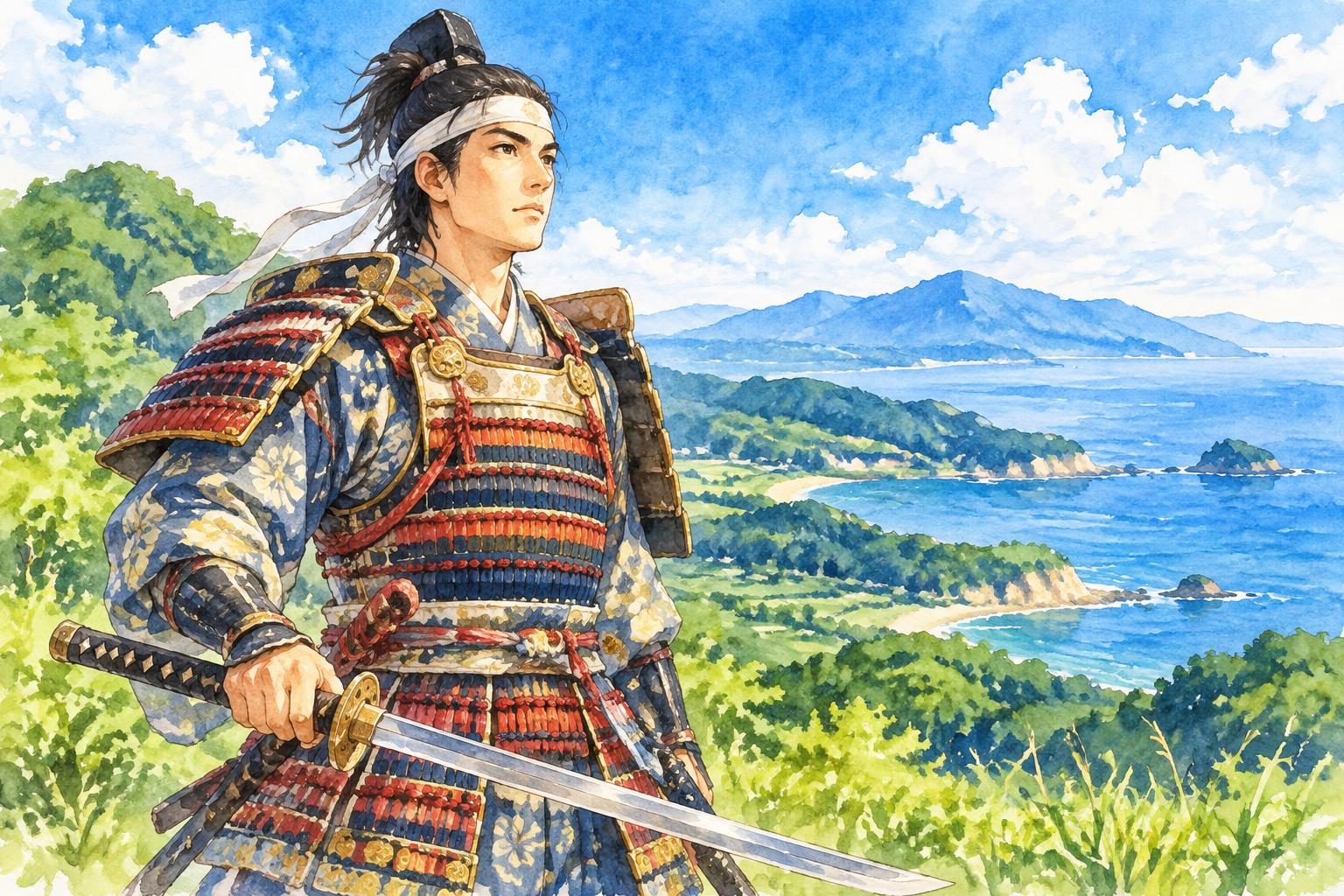
In Hachinohe, Aomori Prefecture, the legend of Minamoto Yoshitsune’s daring escape northward into the Tōhoku region continues to captivate locals and visitors alike. This tale of a fugitive samurai, fleeing from political turmoil, is deeply woven into the cultural fabric of the area, offering a rich tapestry of historic sites and folklore to explore.


The Legend of Yoshitsune’s Secret Flight North
LEGEND: The Story of Yoshitsune’s Escape
According to local tradition, Minamoto Yoshitsune, a celebrated samurai of the late Heian period, fled northward after falling out of favor with his brother, Minamoto no Yoritomo, the first shogun of Japan. Yoshitsune’s journey is said to have taken him through the rugged landscapes of Tōhoku, with Hachinohe playing a significant role in his legendary escape. This narrative of escape and survival has been passed down through generations, highlighting the themes of loyalty, betrayal, and the quest for refuge.
LEGEND: Landing on the Tanesashi Coast
One account of Yoshitsune’s flight suggests that he arrived by boat at the Tanesashi Coast in Hachinohe. It is believed that he sought refuge at Kumano Shrine, a sacred site that provided solace to him and his loyal retainer, Benkei. The shrine remains a place of reverence, where visitors can reflect on the legend of Yoshitsune’s passage. According to the story, the natural beauty of the Tanesashi Coast, with its sweeping views and serene atmosphere, offered a momentary respite from the turmoil that pursued him.

Treasured Relics at Ogami Shrine and Koda Hachiman Shrine
FACT: Historical Significance of Ogami Shrine
Ogami Shrine in Hachinohe is a historical site that holds artifacts and relics associated with the era of Yoshitsune. While not directly linked to the samurai himself, the shrine is a testament to the region’s rich history and its connection to the legendary tales of the past. Visitors to Ogami Shrine can explore its grounds and appreciate the cultural heritage that it preserves, offering a window into the spiritual and historical landscape of the area.
LEGEND: Yoshitsune and Koda Hachiman Shrine
Local tradition says that Yoshitsune and his followers were patrons of Koda Hachiman Shrine. It is believed that they presented a statue of Bishamonten and a copy of the Great Perfection of Wisdom Sutra to the shrine. This act of devotion is said to have been a gesture of gratitude for the protection they received during their perilous journey. The shrine itself, with its ancient architecture and serene surroundings, invites visitors to ponder the stories of those who sought sanctuary within its walls.


Following the Footsteps: Tategoshi and Takadate Residences
FACT: Exploring Historical Residences
While the exact locations of Yoshitsune’s temporary residences in Hachinohe are not documented, the Tategoshi and Takadate areas are often associated with his legendary path. These areas offer a glimpse into the architectural styles and living conditions of the time, providing context to the stories of Yoshitsune’s escape. Walking through these historical neighborhoods, one can imagine the strategic decisions and quiet moments of reflection that might have occurred during Yoshitsune’s flight.
Benkei’s Footprints and Other Folklore Landmarks
LEGEND: Benkei’s Stone
Another element of the Yoshitsune legend involves Benkei, his loyal retainer. According to folklore, Benkei left his mark on a large stone in the region, now known as “Benkei’s Stone.” This site is a popular stop for those tracing the legendary journey, offering a tangible connection to the stories of loyalty and bravery that define Yoshitsune’s tale. Visitors to Benkei’s Stone can reflect on the enduring bond between Yoshitsune and Benkei, a relationship that has become emblematic of unwavering loyalty in Japanese culture.


Planning Your Samurai-Themed Trip to Hachinohe
For those interested in exploring the legendary journey of Minamoto Yoshitsune, Hachinohe offers a variety of sites and experiences. Visitors can immerse themselves in the history and folklore of the region, with each site providing a unique perspective on the samurai’s storied past. From the serene coastal landscapes to the historic shrines and folklore landmarks, each location invites deeper engagement with the narratives that have shaped the cultural identity of Hachinohe.
Nearby Guide
Nearby sights
- Kumano Shrine (Hachinohe) — According to the legend of Yoshitsune’s Flight North, after escaping from Hiraizumi, Yoshitsune fled north by boat, landing on the Tanesashi Coast. He is said to have rested at Kumano Shrine during his journey through Hachinohe. official site
- Koda Hachiman Shrine (Hachinohe) — Built during the Heian Era by Minamoto no Yoriyoshi, the Koda Hachiman Shrine is associated with the legend of Yoshitsune’s Flight North. It is said that Yoshitsune and his party were patrons of this shrine, presenting a statue of Bishamonten and a copy of the Great Perfection of Wisdom Sutra. official site
- Shichinohe Roadside Station (Shichinohe) — Located near Shichinohe-Towada Station, this roadside station offers fresh local produce, souvenirs, and a museum showcasing regional art. It’s an excellent spot to experience local culture and cuisine. details
Where to stay
- Peace One Shichinohe Towada (Shichinohe) — A comfortable accommodation located just a 5-minute walk from Shichinohe-Towada Station, offering stunning views of the Hakkoda Mountain Range. It serves as an ideal base for exploring Aomori, with amenities including a fully equipped kitchen and private dog run. details
- KAMENOI HOTEL AOMORI MAKADO (Noheji) — Located in Noheji, this hotel offers comfortable accommodations with excellent amenities, including hot springs and dining options. It’s a convenient choice for travelers exploring the region. details
Where to eat
- Restaurant Ema (Shichinohe) — Located within the Shichinohe Roadside Station, Restaurant Ema serves local specialties such as horse meat ramen and fresh soba noodles made from local ingredients. It’s a great place to taste authentic regional cuisine. details
- Michi no Eki Shichinohe Keishoku Corner (Shichinohe) — This eatery within the Shichinohe Roadside Station offers a variety of local dishes, including freshly made soba noodles and regional sweets. It’s a convenient spot to enjoy a meal while exploring the area. details


Related on JAPAN ESSENCE: Exploring Kochi Castle: The Samurai History of Chosokabe Motochika in Tosa | Visiting the Battle of Okehazama: Nagoya’s Miraculous Samurai Site
Sources
- Bringing Japan’s Most Famous Samurai Back to Life: Yoshitsune’s Flight North | Visit Hachinohe |The Offical Guide to Hachinohe, Japan
- Tour of prayer sites fostered by life on the coast and in the forests | Visit Hachinohe |The Offical Guide to Hachinohe, Japan
- おがみ神社 | VISIT HACHINOHE | VISITはちのへ観光物産サイト
- The Koda Hachiman Shrine | Visit Hachinohe |The Offical Guide to Hachinohe, Japan
- Ogami-jinja (The Ogami Shrine) | Visit Hachinohe |The Offical Guide to Hachinohe, Japan
- Shichinohe Roadside Station | Michi-no-Eki
- Peace One Shichinohe Towada | Ikyu
- KAMENOI HOTEL AOMORI MAKADO | Expedia
- Michi no Eki Shichinohe Keishoku Corner | Tabelog
To explore further, visit Oni Kobo (鬼工房) for onigawara demon-tile art and charms and Zenkei (禅景) for Zen-inspired onigawara art.
青森県八戸市では、源義経が東北地方へと北へ逃れた伝説が地元の人々や訪問者を魅了し続けています。政治的混乱から逃れる逃亡中の侍の物語は、この地域の文化に深く根付いており、歴史的な場所や民話を探求する豊かな機会を提供しています。
義経の秘密の北への逃避行の伝説
伝承: 義経の逃避行の物語
地元の言い伝えによると、平安時代末期の名高い侍である源義経は、兄である日本初の将軍、源頼朝との不和の後、北へ逃れたとされています。義経の旅は、東北の険しい風景を通り、八戸が彼の伝説的な逃避行において重要な役割を果たしたと言われています。この逃避行と生存の物語は、忠誠、裏切り、避難所を求める探求のテーマを強調しながら、世代を超えて語り継がれています。
伝承: 種差海岸への上陸
義経の逃避行の一説には、彼が八戸の種差海岸に船で到着したとされています。彼は熊野神社で避難所を求めたと信じられており、この神聖な場所は彼と忠実な従者である弁慶に安らぎを提供しました。神社は今でも崇敬の場所であり、訪問者は義経の通過の伝説を振り返ることができます。この物語によれば、種差海岸の自然の美しさは、広がる景色と静かな雰囲気で、彼を追いかける混乱からの一時的な安らぎを提供しました。
大上神社と甲田八幡神社の貴重な遺物
事実: 大上神社の歴史的意義
八戸の大上神社は、義経の時代に関連する遺物や遺品を所蔵する歴史的な場所です。直接的に侍自身と関連しているわけではありませんが、この神社は地域の豊かな歴史と過去の伝説的な物語とのつながりを証明しています。大上神社を訪れる人々は、その敷地を探検し、保存されている文化遺産を鑑賞し、この地域の精神的および歴史的な風景を垣間見ることができます。
伝承: 義経と甲田八幡神社
地元の伝承では、義経とその従者たちは甲田八幡神社の守護者であったと言われています。彼らが毘沙門天の像と大般若経の写本を神社に奉納したと信じられています。この献身の行為は、彼らが危険な旅の間に受けた保護への感謝の意を示すものとされています。神社自体は、古代の建築と静かな環境で、訪問者にその壁の中で避難所を求めた人々の物語を考える機会を提供します。
足跡をたどる: 立腰と高館の住居
事実: 歴史的な住居の探検
八戸における義経の一時的な住居の正確な場所は記録されていませんが、立腰と高館の地域は彼の伝説的な道と関連付けられることがよくあります。これらの地域は、当時の建築様式や生活条件を垣間見ることができ、義経の逃避行の物語に文脈を提供します。これらの歴史的な地域を歩くことで、義経の逃避行中に起こったかもしれない戦略的な決定や静かな反省の瞬間を想像することができます。
弁慶の足跡とその他の民話のランドマーク
伝承: 弁慶の石
義経の伝説のもう一つの要素は、彼の忠実な従者である弁慶に関するものです。民話によれば、弁慶は地域の大きな石に足跡を残したとされ、現在「弁慶の石」として知られています。この場所は、伝説的な旅をたどる人々にとって人気のある立ち寄り先であり、義経の物語を定義する忠誠と勇気の物語に触れることができます。弁慶の石を訪れる人々は、義経と弁慶の間の永続的な絆を振り返ることができ、日本文化における揺るぎない忠誠の象徴となっています。
八戸への侍テーマの旅を計画する
源義経の伝説的な旅を探求したい人々にとって、八戸はさまざまな場所と体験を提供しています。訪問者は、この地域の歴史と民話に浸ることができ、各サイトが侍の物語に対する独自の視点を提供します。静かな海岸の風景から歴史的な神社や民話のランドマークまで、各場所は八戸の文化的アイデンティティを形成した物語に対するより深い関与を招きます。
周辺ガイド
周辺の見どころ
- 熊野神社(八戸) — 義経の北への逃避行の伝説によれば、平泉から逃れた後、義経は船で北へ逃れ、種差海岸に上陸しました。彼は八戸を通る旅の間に熊野神社で休息したと言われています。 公式サイト
- 甲田八幡神社(八戸) — 平安時代に源頼義によって建てられた甲田八幡神社は、義経の北への逃避行の伝説と関連しています。義経とその一行は、この神社の守護者であり、毘沙門天の像と大般若経の写本を奉納したと言われています。 公式サイト
- 道の駅しちのへ(七戸) — 七戸十和田駅の近くに位置するこの道の駅は、新鮮な地元の産物、土産物、地域の芸術を展示する博物館を提供しています。地元の文化と料理を体験するのに最適なスポットです。 詳細
泊まる
- ピースワンしちのへ十和田(七戸) — 七戸十和田駅から徒歩5分の場所にある快適な宿泊施設で、八甲田山脈の美しい景色を楽しめます。青森を探索するのに理想的な拠点で、設備の整ったキッチンやプライベートドッグランなどの設備が整っています。 詳細
- 亀の井ホテル青森まかど(野辺地) — 野辺地に位置するこのホテルは、快適な宿泊施設と温泉や食事のオプションを含む優れた設備を提供しています。地域を探索する旅行者にとって便利な選択肢です。 詳細
食べる
- レストランえま(七戸) — 道の駅しちのへ内に位置するレストランえまでは、馬肉ラーメンや地元の食材を使った新鮮なそばなどの地元の名物料理を提供しています。本格的な地域料理を味わうのに最適な場所です。 詳細
- 道の駅しちのへ軽食コーナー(七戸) — 道の駅しちのへ内にあるこの食堂では、新鮮なそばや地域のスイーツなど、さまざまな地元料理を提供しています。この地域を探索しながら食事を楽しむのに便利なスポットです。 詳細
Related on JAPAN ESSENCE: Exploring Kochi Castle: The Samurai History of Chosokabe Motochika in Tosa | Visiting the Battle of Okehazama: Nagoya’s Miraculous Samurai Site
Sources
- Bringing Japan’s Most Famous Samurai Back to Life: Yoshitsune’s Flight North | Visit Hachinohe |The Offical Guide to Hachinohe, Japan
- Tour of prayer sites fostered by life on the coast and in the forests | Visit Hachinohe |The Offical Guide to Hachinohe, Japan
- おがみ神社 | VISIT HACHINOHE | VISITはちのへ観光物産サイト
- The Koda Hachiman Shrine | Visit Hachinohe |The Offical Guide to Hachinohe, Japan
- Ogami-jinja (The Ogami Shrine) | Visit Hachinohe |The Offical Guide to Hachinohe, Japan
- Shichinohe Roadside Station | Michi-no-Eki
- Peace One Shichinohe Towada | Ikyu
- KAMENOI HOTEL AOMORI MAKADO | Expedia
- Michi no Eki Shichinohe Keishoku Corner | Tabelog
Leave a Reply