English | 日本語
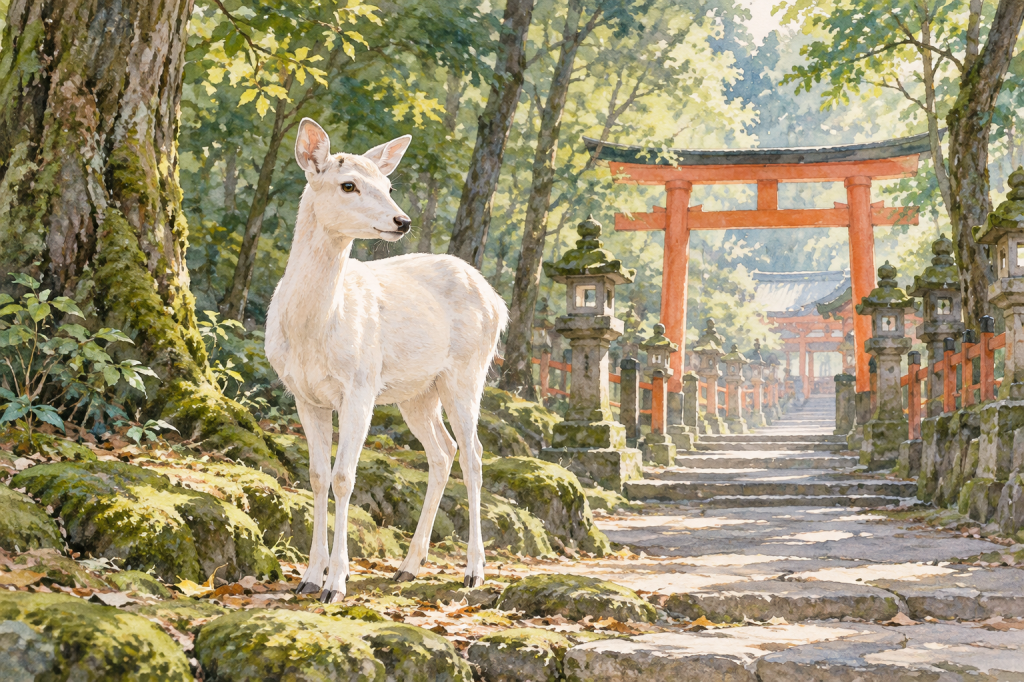
In Nara City, Nara Prefecture, the deer of Nara Park are woven into the city’s landscape and the traditions of Kasuga Taisha Shrine. Their story brings together a white-deer legend, a historic shrine and the everyday responsibility of sharing space with wild animals.
Introduction to the Sacred Deer of Nara
FACT: The Deer of Nara Park
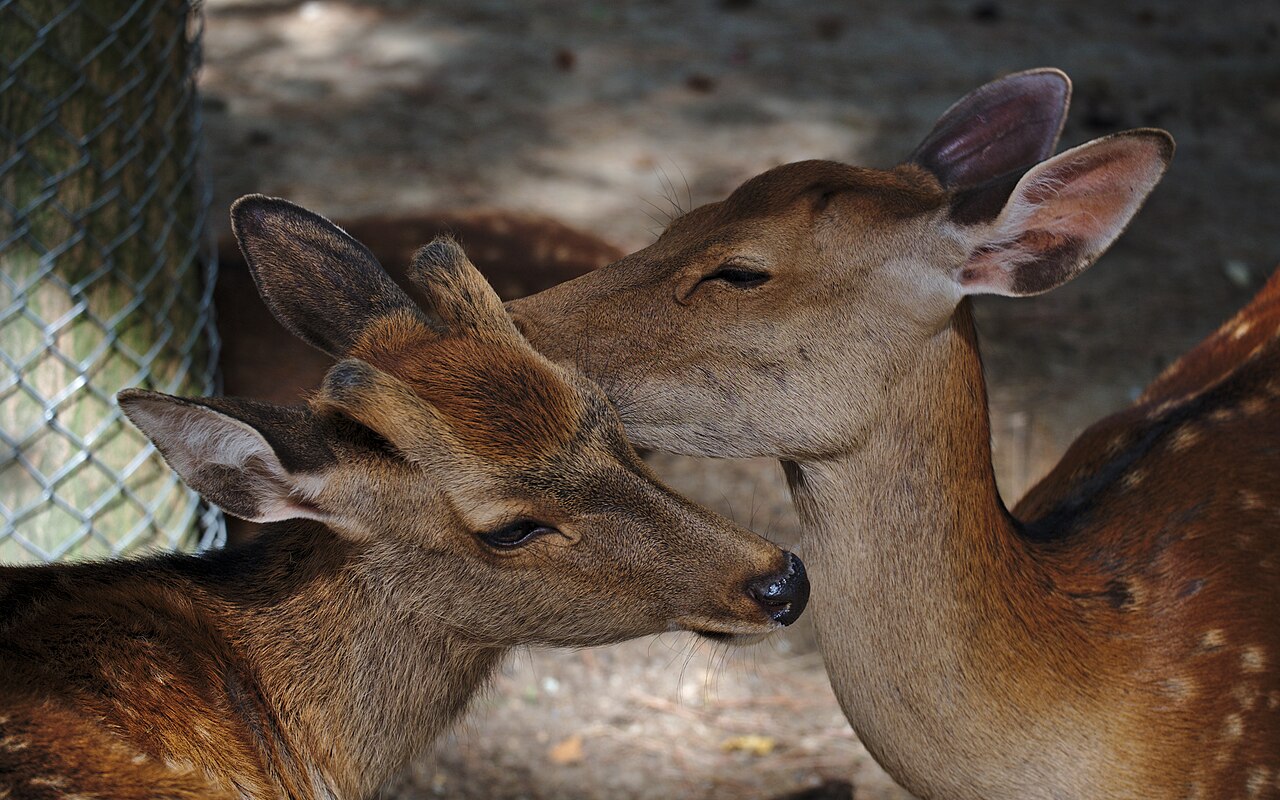
Nara’s free-roaming deer are designated a national natural monument. They are wild animals, even when they approach people. The Nara City Tourism Association explains their protected status and gives guidance for visitors.
LEGEND: The Origin of the Sacred Deer Tradition
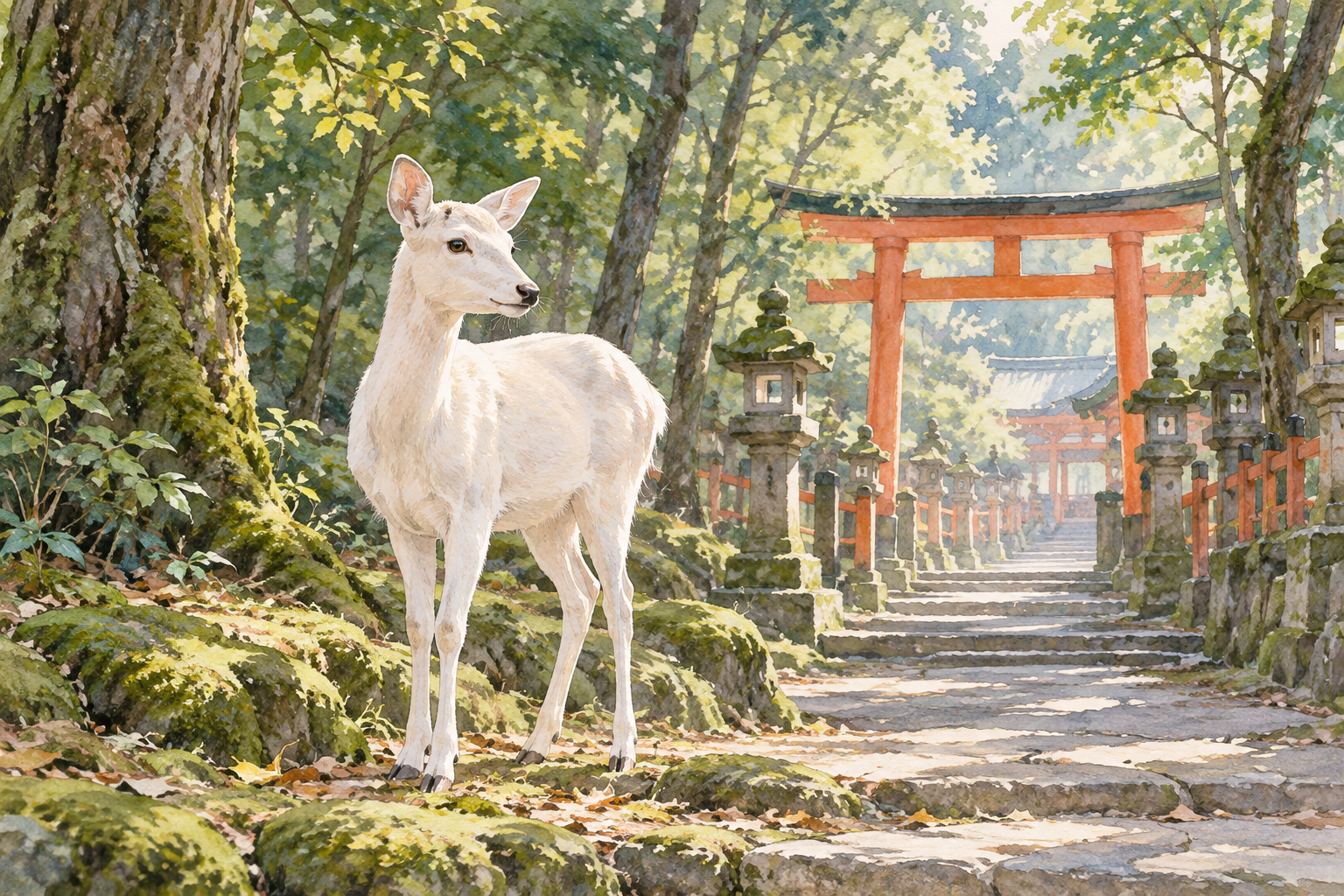
According to the tradition described by the Japan Tourism Agency, Takemikazuchi-no-mikoto came from Kashima Jingu in present-day Ibaraki Prefecture on a white deer and arrived at Mt. Mikasa. The story connects the deer with the protection of the ancient capital. It is a religious tradition, rather than a documented journey.
The Legend of Kasuga Taisha Shrine and Mt. Mikasa
FACT: Establishment of Kasuga Taisha Shrine
Kasuga Taisha dates its foundation to 768, when Fujiwara-no-Nagate established its shrine buildings under Empress Shōtoku’s direction. Its vermilion columns and white walls stand against surrounding woodland. The shrine’s own history distinguishes its foundation from the older account of the deity’s arrival.
LEGEND: Takemikazuchi’s Arrival at the Sacred Mountain
In the shrine’s account, Takemikazuchi dwells on the summit of Mt. Mikasa, called Ukigumo-no-mine. Here, Mt. Mikasa refers to the sacred 御蓋山. Keep that name distinct from the broader Kasugayama Primeval Forest when reading maps and descriptions. Follow posted access restrictions around sacred areas.
Living Treasures: The Deer of Nara Park Today
FACT: Respecting Wild Deer
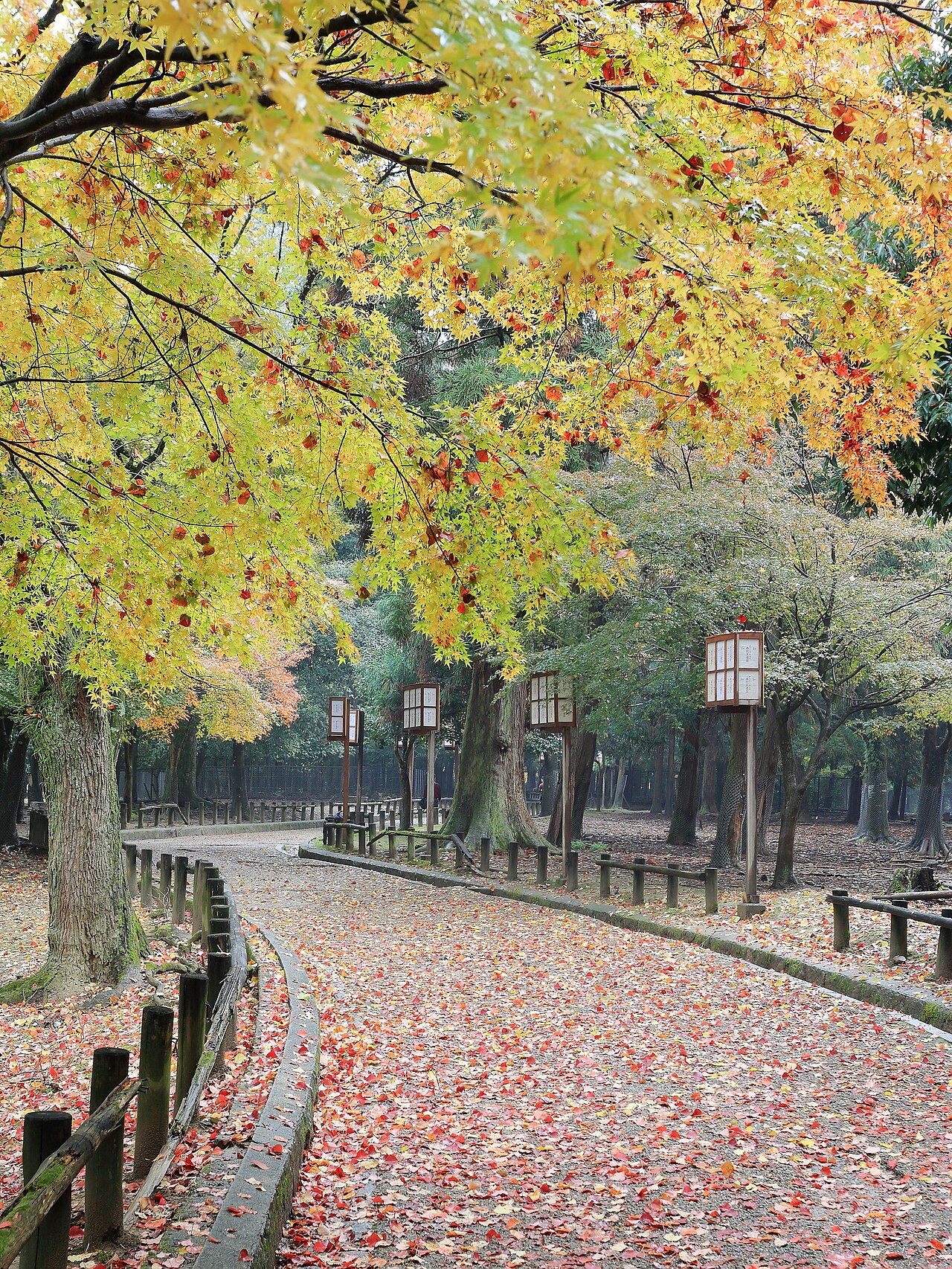
The deer mainly eat plants growing in the park. If you choose to feed them, use only shika senbei, the special deer crackers. Keep paper, maps and plastic bags out of their reach. Looking approachable does not make a deer tame. Read the tourism association’s guidance before your visit.
The Historic Deer Antler-Cutting Ceremony
FACT: The Tradition and the 2026 Dates
The Nara Deer Preservation Foundation dates Shika no Tsunokiri to 1672, when antler cutting began to reduce injuries. The ceremony starts with a prayer for safety. Its schedule moved from October to November in 2025; the announced 2026 dates are November 7 and 8 at the Roku-en antler-cutting grounds within Kasuga Taisha’s precincts. There is no October event in 2026.
Dates and arrangements may change, and severe weather can cause cancellation. Check the organizer’s current notice before making a special trip. The event is one part of Nara’s continuing effort to live alongside its deer.
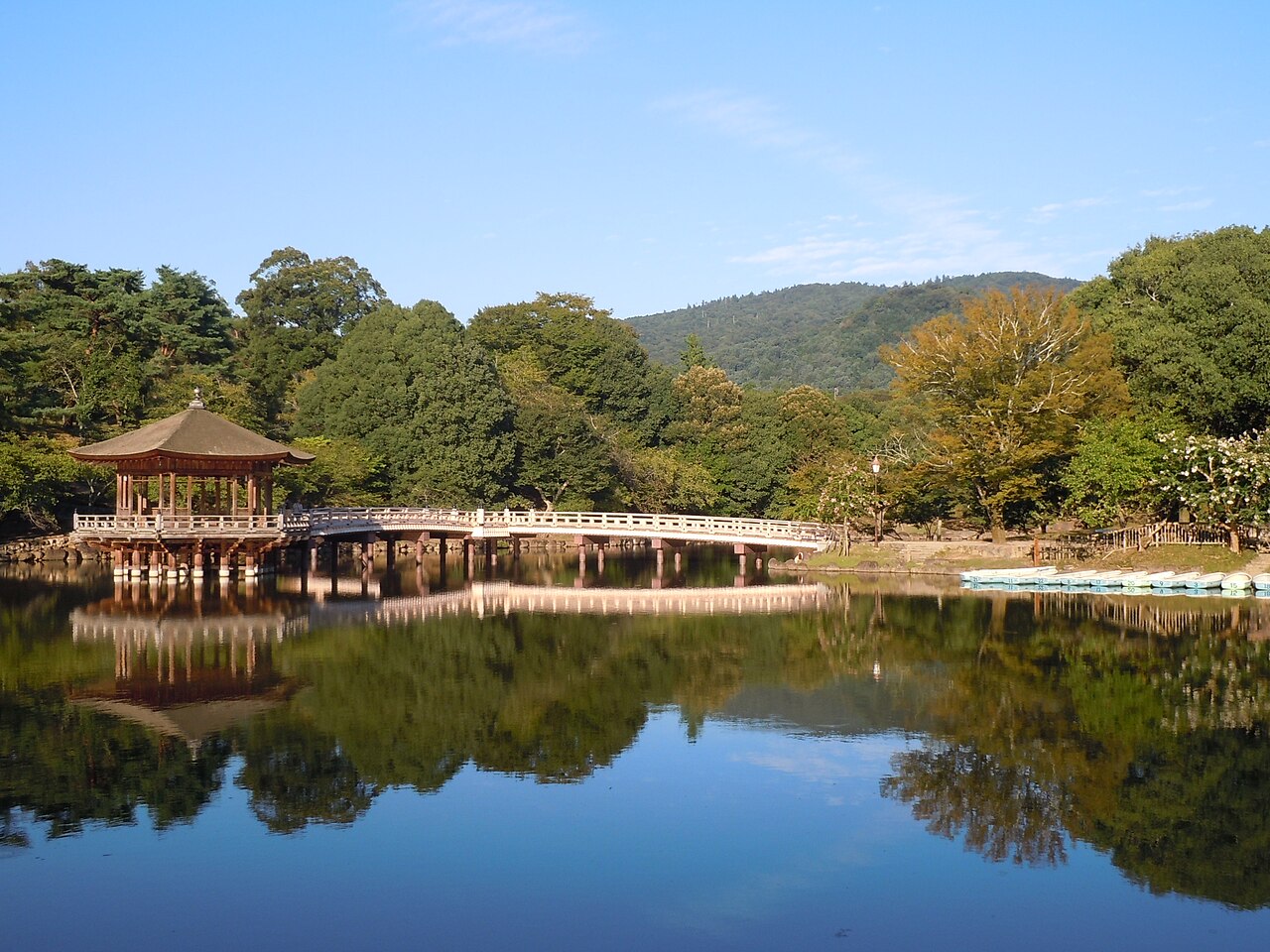
Planning Your Visit to Nara City and Kasuga Taisha
FACT: Visitor Guidelines for Nara Park
Avoid touching or teasing the deer, and take particular care around males in autumn. Adults should supervise children. If you do feed deer, do not keep them waiting with crackers held in front of them; show empty hands when you have finished. Observing from a distance is a good way to enjoy the park too. Visitor guidance.
The path to Kasuga Taisha passes through Nara Park. JNTO’s shrine guide gives approximate walking times of 30 minutes from Kintetsu Nara Station and 45 minutes from JR Nara Station, with buses also available. Allow extra time for stops and check current transport information.
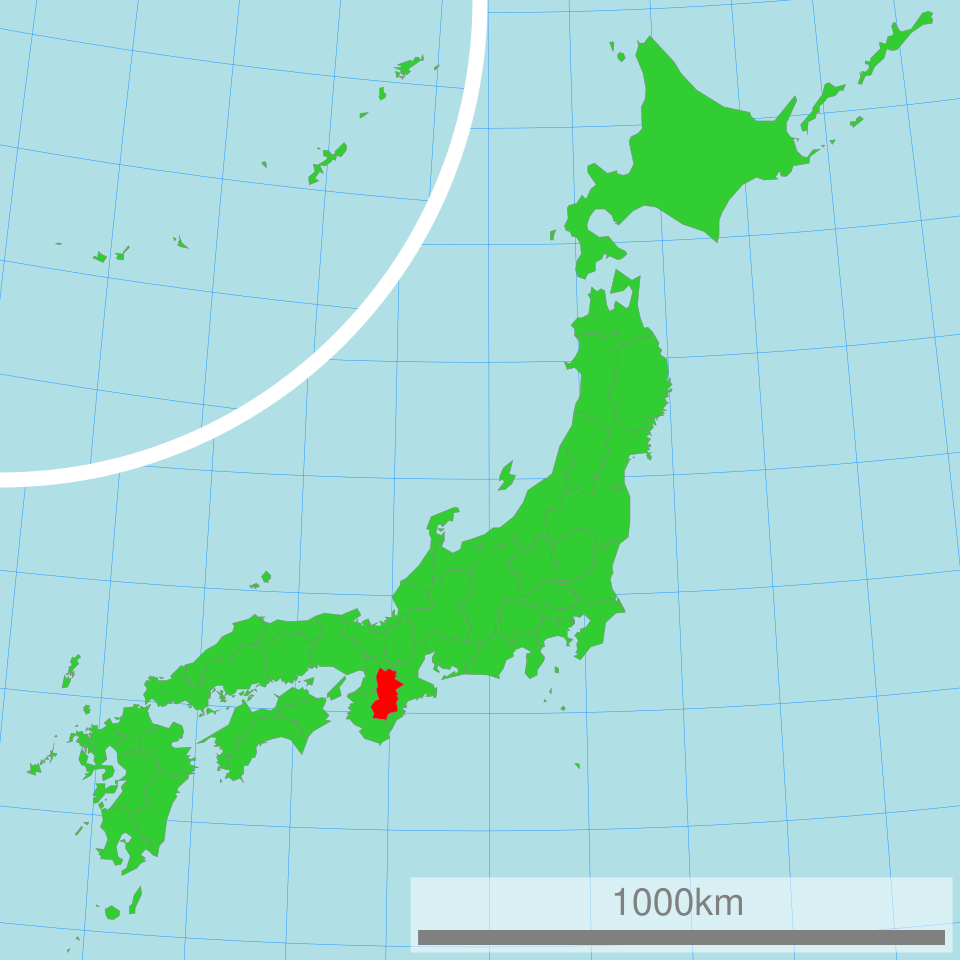
Related on JAPAN ESSENCE: Yatagarasu and Kumano Hongu Taisha.
Regional guide
Location: Nara City, Nara Prefecture
Sources
- Japan Tourism Agency: Kasuga Taisha Shrine
- Kasuga Taisha: official shrine history
- Nara Deer Preservation Foundation: antler-cutting ceremony
- Nara City Tourism Association: deer and visitor guidance
- Japan National Tourism Organization: Kasuga Taisha
Event information checked on October 7, 2026. Photo credits and licenses appear below each image.
To explore further, visit Oni Kobo (鬼工房) for onigawara demon-tile art and charms and Onigawara Experience for hands-on onigawara experiences in Japan.


.jpg)

.jpg)

Leave a comment