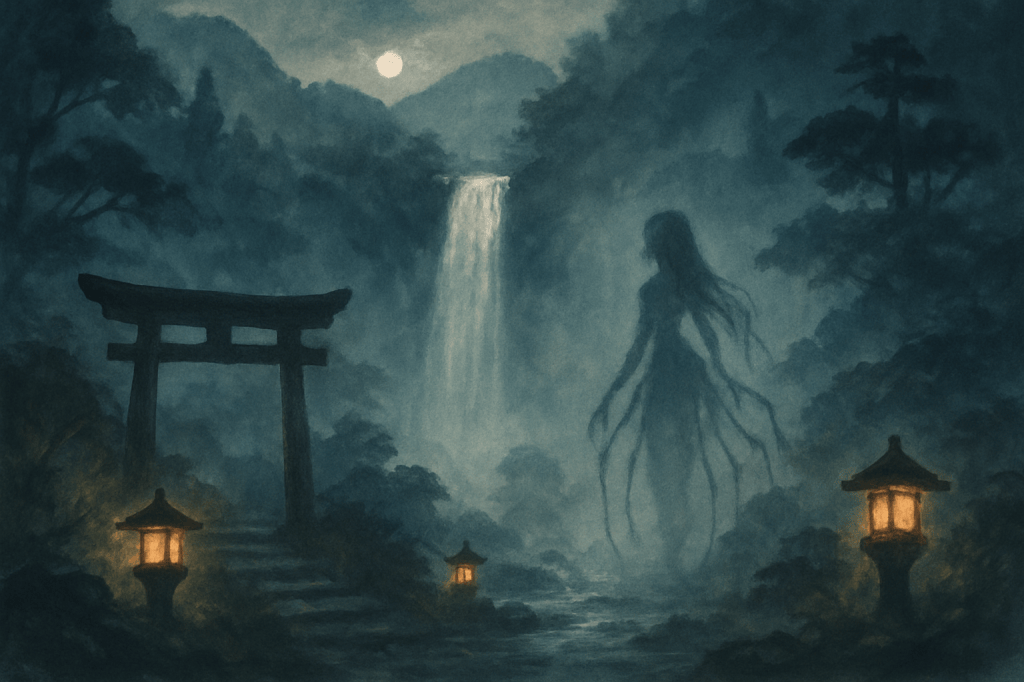
Jōren Falls, located in Izu City, Shizuoka Prefecture, is renowned not only for its breathtaking natural beauty but also for the captivating legend of the Jorōgumo, a mythical spider woman said to inhabit the falls.
Introduction to Jōren Falls in Shizuoka Prefecture
FACT: A Natural Monument and Top Waterfall
Jōren Falls is situated in the Yugashima district of Izu City, nestled within the lush landscapes of Shizuoka Prefecture. This stunning waterfall is part of the upper reaches of the Kano River and has been designated as a Shizuoka Prefectural Natural Monument. It is also celebrated as one of “Japan’s Top 100 Waterfalls,” making it a must-visit destination for nature enthusiasts and travelers alike. The combination of its majestic cascade and the verdant surroundings creates a serene and picturesque setting that captivates visitors year-round.
The recognition as a top waterfall underscores the aesthetic and ecological value of Jōren Falls. Visitors can experience the tranquility of the cascading waters, which flow down a height of approximately 25 meters, creating a mesmerizing spectacle. The sound of the water crashing into the pool below adds to the immersive experience, making it a favored spot for those seeking solace in nature.
FACT: Geological Significance
Jōren Falls is not only a site of natural beauty but also of geological importance. It lies within the Izu Peninsula Geopark, a Global Geopark recognized for its unique volcanic geology. The area features fascinating lava flows and columnar joints, offering visitors a glimpse into the dynamic geological history of the region. These geological formations provide insight into the volcanic activity that shaped the landscape, making Jōren Falls a point of interest for both geologists and tourists interested in the natural sciences.
The Izu Peninsula Geopark’s designation highlights the significance of preserving the area’s geological features. Visitors to Jōren Falls can observe the intricate patterns formed by the cooling and solidification of lava, which are a testament to the powerful natural forces that have sculpted the terrain over millennia. This geological backdrop enhances the allure of the falls, providing a deeper understanding of the natural world.
The Legend of the Jorōgumo Spider Woman
LEGEND: The Enchanting Spider Woman
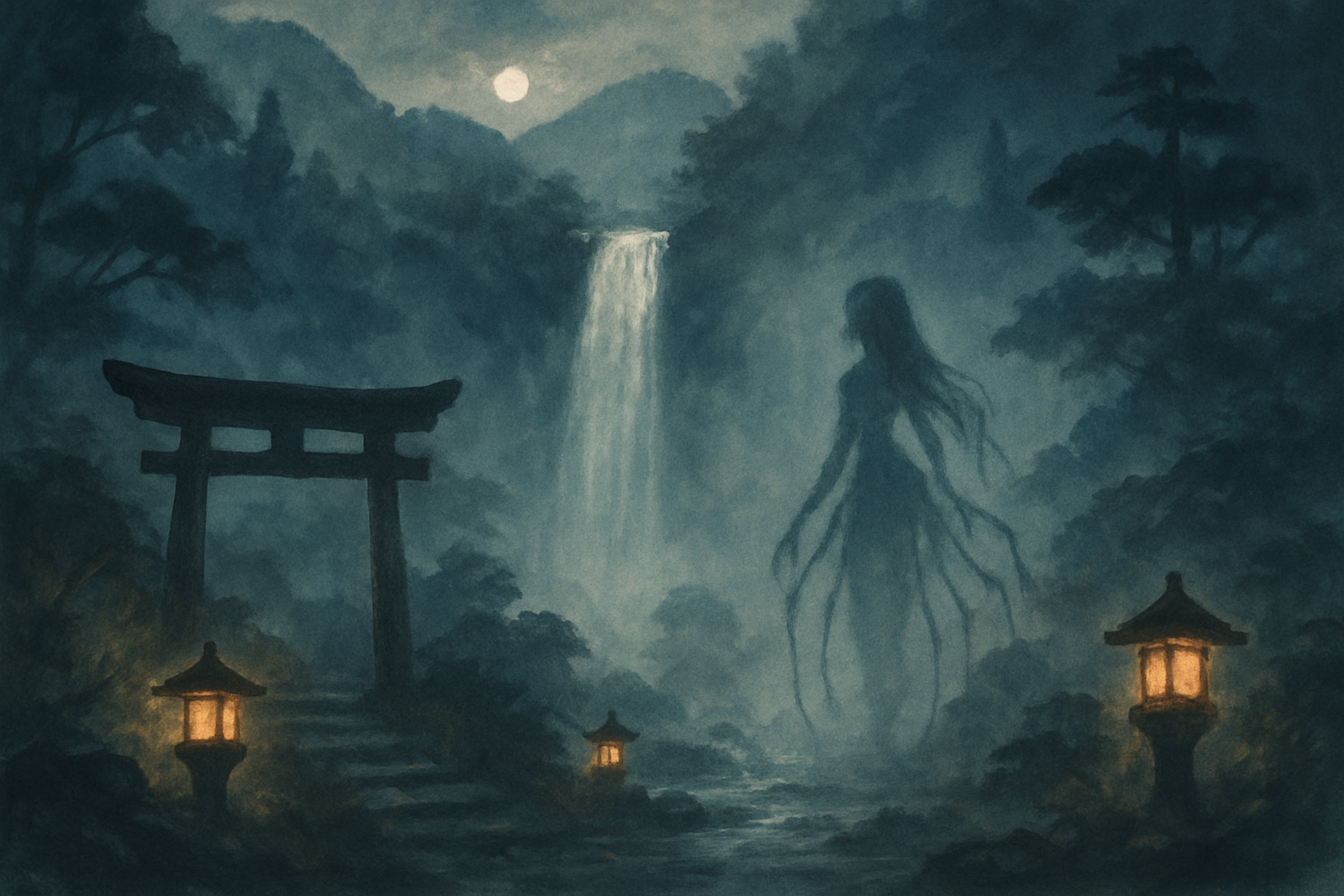
According to Japanese folklore, Jōren Falls is the dwelling place of a Jorōgumo, a mythical spider that can transform into a seductive woman. This creature is said to lure unsuspecting men to their doom with her beauty and charm. The legend of the Jorōgumo adds an element of mystery and allure to the already enchanting setting of Jōren Falls. The story is a classic example of Japanese yokai folklore, where supernatural beings often interact with humans, sometimes with dire consequences.
The Jorōgumo legend is deeply rooted in the cultural imagination, reflecting themes of deception and transformation. The spider woman’s dual nature symbolizes the duality of beauty and danger, a common motif in folklore. Visitors to Jōren Falls can sense the eerie yet fascinating aura that the legend imparts, enriching their experience of this natural wonder.
LEGEND: The Tale of the Woodcutter
One popular version of the legend tells of a woodcutter who accidentally dropped his axe into the pool beneath the falls. A beautiful woman emerged from the water to return his axe, but she made him promise to keep their encounter a secret. However, the woodcutter could not resist sharing his story at a banquet, and as a consequence, he died in his sleep, presumably ensnared by the Jorōgumo’s web. This tale serves as a cautionary story about the importance of keeping one’s word and the potential dangers of revealing secrets.
The woodcutter’s tale underscores the moral lessons often found in folklore, emphasizing the value of discretion and the perils of breaking promises. It also highlights the Jorōgumo’s cunning nature, as she uses the woodcutter’s own actions against him. This narrative invites reflection on human behavior and the supernatural consequences that folklore suggests can follow.
LEGEND: The Spiderweb Trap
Another tale recounts how a Jorōgumo attempted to ensnare a man by wrapping his leg in spiderwebs. The man cleverly transferred the web to a nearby stump, which was then pulled into the water, revealing the true nature of the Jorōgumo’s trap. These stories have merged over time to form the famous lore specific to Jōren Falls, captivating the imaginations of locals and visitors alike. The narrative of the Jorōgumo is a testament to the rich tapestry of Japanese folklore, where human ingenuity often plays a role in overcoming supernatural challenges.
This story of the spiderweb trap illustrates the theme of wit and resourcefulness triumphing over malevolent forces. It serves as an allegory for overcoming adversity through cleverness and quick thinking, resonating with audiences who appreciate tales of human triumph against supernatural odds.

Exploring the Surrounding Landscape and Wasabi Fields
FACT: The Wasabi Fields of Izu
Adjacent to Jōren Falls are fields dedicated to the cultivation of Izu wasabi, a renowned specialty of the region. The traditional Tatami-ishi style of wasabi cultivation is practiced here, adding to the cultural and natural heritage of the area. These wasabi fields not only provide a picturesque backdrop to the falls but also contribute to the local economy and culinary traditions. Visitors to the area can witness the meticulous process of wasabi cultivation, which involves maintaining the delicate balance of water flow and nutrient-rich soil, essential for growing high-quality wasabi.
The presence of these wasabi fields enhances the visitor experience, offering a unique glimpse into the agricultural practices that define the region. The Tatami-ishi method, characterized by its stone-lined beds, is a testament to the ingenuity and tradition of local farmers. This method not only ensures optimal growing conditions but also preserves the natural beauty of the landscape, making it a harmonious addition to the Jōren Falls area.
Planning Your Visit to Jōren Falls
Visitors to Jōren Falls can enjoy the serene beauty of the waterfall while immersing themselves in the rich folklore and cultural heritage of the region. The combination of natural splendor and mythical intrigue makes Jōren Falls a unique destination that offers both relaxation and a touch of mystery. Whether you’re drawn by the allure of the Jorōgumo legend or the tranquility of the surrounding nature, Jōren Falls promises an unforgettable experience. The area is accessible for day trips, and the nearby wasabi fields offer an additional layer of cultural exploration, making it an ideal spot for those looking to delve into the natural and mythical wonders of Japan.
Planning a visit to Jōren Falls allows travelers to engage with the multifaceted attractions of the area. From the captivating legends to the geological marvels and cultural landscapes, the falls offer a comprehensive experience that appeals to diverse interests. Whether exploring the stories of the Jorōgumo or savoring the flavors of local wasabi, visitors are sure to find a rich tapestry of experiences awaiting them at Jōren Falls.


