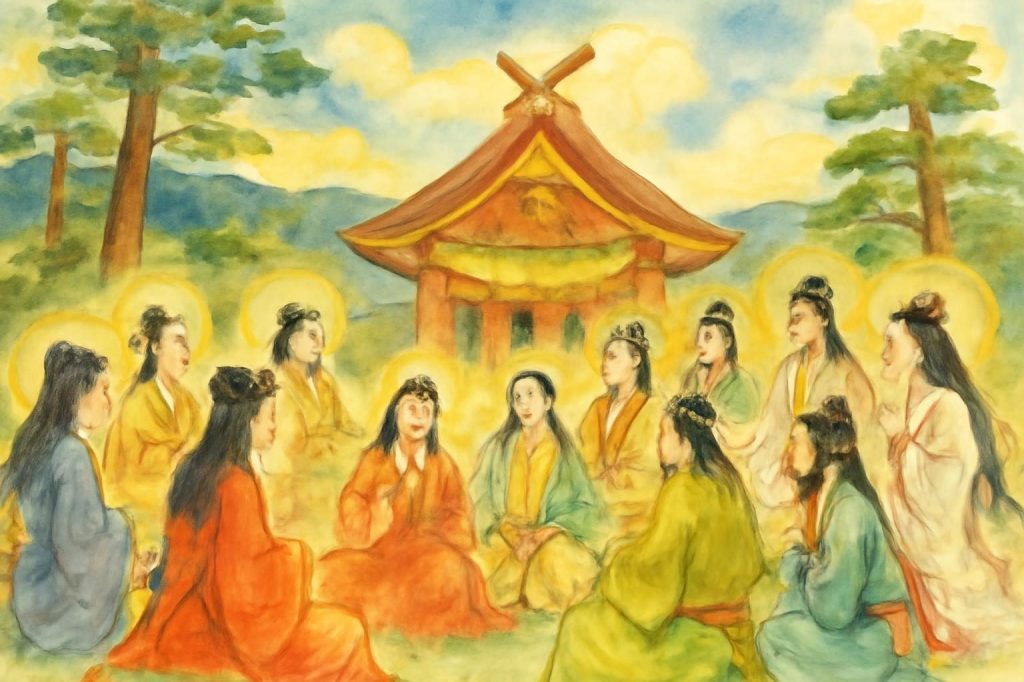
Every year, during the lunar tenth month, Izumo Taisha in Izumo, Shimane Prefecture, becomes the focal point of a sacred gathering known as the Kamiari Festival. This event, deeply rooted in Japanese mythology, sees the assembly of deities from across Japan, making it a time of reverence and celebration.

What Is Kamiarizuki? The Month the Gods Gather in Izumo
FACT: The Significance of Kamiarizuki
Kamiarizuki, meaning “the month with gods,” is a unique period in the Japanese lunar calendar when it is believed that all deities gather at Izumo Taisha. While the rest of Japan refers to this month as Kannazuki, “the month without gods,” Izumo is considered to be the exception, hosting this divine congregation. Izumo Taisha, one of Japan’s most revered shrines, plays a central role in this tradition. The belief in the gathering of deities at Izumo Taisha underscores the shrine’s importance in Shinto spirituality and marks it as a pivotal site for worship and pilgrimage.
This gathering is not just a spiritual event but also a cultural phenomenon, drawing pilgrims and tourists alike to witness and participate in the rituals. The influx of visitors during this time transforms Izumo into a vibrant hub of activity, where ancient traditions are observed with great solemnity and joy. The month is filled with various ceremonies and events that highlight the rich tapestry of Shinto beliefs, offering a glimpse into the spiritual life of Japan.
LEGEND: The Mythical Gathering
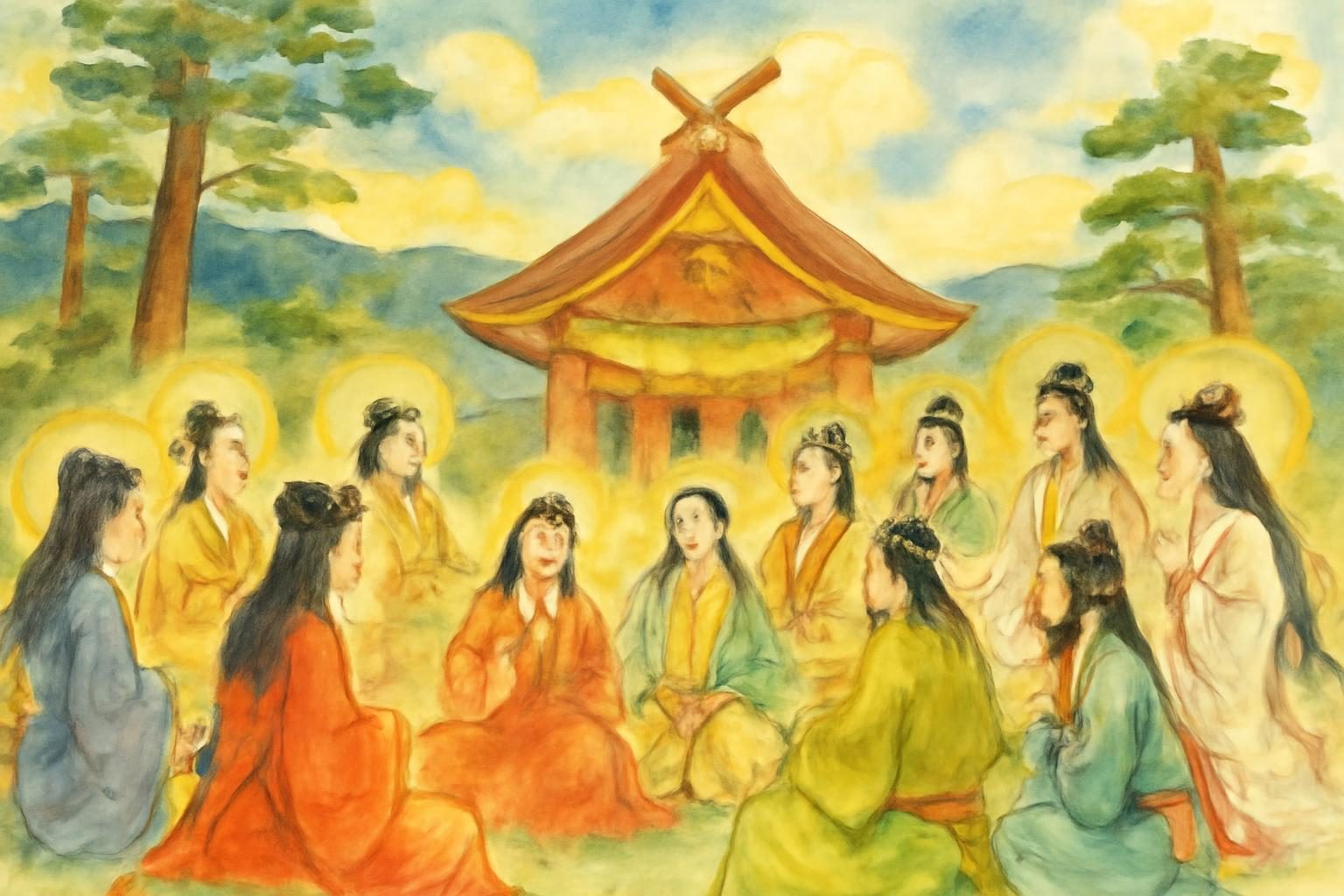
According to local legend, during Kamiarizuki, the deities convene at Izumo Taisha to discuss the fates of people and the world. This belief is deeply ingrained in the cultural fabric of Izumo, and the shrine becomes a place of pilgrimage for those wishing to pay their respects and seek blessings. The legend speaks to the spiritual significance of the shrine and the perceived power of the deities to influence human destinies, making it a compelling time for reflection and prayer.
One account of the legend suggests that the deities gather to deliberate over the year’s events and decide on the fortunes of the people for the coming year. This gathering is seen as a divine council, where matters of great importance are discussed. The atmosphere in Izumo during this time is one of anticipation and hope, as people offer prayers and seek guidance for their personal and communal lives. The legend continues to be a source of inspiration and reverence, illustrating the profound connection between the people of Izumo and their spiritual heritage.
The Arrival at Inasa Beach: Welcoming the Deities
FACT: Rituals at Inasa Beach
Inasa Beach, located near Izumo Taisha, is the traditional landing spot for the deities arriving for the Kamiari Festival. A ceremonial welcome is held here, where priests and worshippers gather to greet the divine visitors with prayers and offerings. This ritual marks the beginning of the festival and is a significant event for locals and visitors alike. The beach itself becomes a sacred space, transformed by the presence of the deities and the community’s collective reverence.
The welcoming ceremony at Inasa Beach is a visually striking event, with participants dressed in traditional attire, performing age-old rituals that have been passed down through generations. The sound of waves mingles with the chants of prayers, creating an atmosphere of serene solemnity. This ritual not only signifies the arrival of the deities but also serves as a reminder of the deep-seated traditions that continue to thrive in Izumo, connecting the past with the present.

Quiet Reverence: Inside Izumo Taisha During the Festival
FACT: Unique Worship Practices
Worship at Izumo Taisha is distinct from other shrines in Japan. The customary practice involves two bows, four claps, and one bow, differing from the typical two bows and two claps. This unique pattern is part of the shrine’s rich tradition and is observed by the multitude of visitors who come during Kamiarizuki. The additional claps are said to invite the attention of the deities more emphatically, emphasizing the special connection between the shrine and the divine assembly.
This practice reflects the deep respect and reverence the worshippers have for the deities. The sound of the claps resonates through the shrine, creating an echo that symbolizes the call to the divine. Visitors are often guided by shrine staff or locals to ensure they perform the ritual correctly, allowing them to fully partake in the spiritual experience. This distinctive worship etiquette is a testament to the unique identity of Izumo Taisha within the Shinto tradition.
Sacred Architecture: The Massive Shimenawa of Kaguraden
FACT: The Iconic Shimenawa
Izumo Taisha is renowned for its massive shimenawa, a sacred straw rope that hangs at the entrance of the Kaguraden hall. This symbol of purification and protection is one of the largest of its kind and is an iconic feature of the shrine. Visitors often photograph this impressive structure as part of their pilgrimage experience. The shimenawa’s size and presence serve as a powerful reminder of the spiritual weight the shrine carries, marking the boundary between the sacred and the mundane.
The crafting of the shimenawa involves the skilled hands of local artisans, who imbue it with spiritual significance. As visitors pass beneath it, they are reminded of the protective barrier it represents, safeguarding the shrine from negative influences. The shimenawa is not only a visual marvel but also a tactile connection to the divine, inviting all who enter to reflect on the sanctity of the space they are about to enter.

Unique Customs: Sand Exchange and Izumo Worship Etiquette
FACT: The Sand Exchange Ritual
During the Kamiari Festival, a unique custom involves the exchange of sand between Izumo Taisha and other shrines across Japan. This ritual symbolizes the connection and unity among the deities and the places they represent. It is a gesture of goodwill and spiritual solidarity, reinforcing the idea that despite the physical distances, the spiritual realm remains interconnected. This exchange serves as a reminder of the shared cultural and spiritual heritage that binds different regions of Japan together.
The sand exchange is a subtle yet profound act, representing the flow of spiritual energy between the shrines. It is a tradition that underscores the harmony and cooperation among the deities, reflecting the broader theme of unity that characterizes the Kamiari Festival. Participants in the ritual often feel a sense of belonging and connection to the larger spiritual community, transcending geographical boundaries.
Pilgrim Flavors: Enjoying Izumo Soba and Red-Bean Zenzai
FACT: Local Culinary Delights
Visitors to Izumo during Kamiarizuki can indulge in local specialties such as Izumo soba, served in the distinctive warigo style, and red-bean zenzai, a sweet treat linked to the kamiari-mochi tradition. These dishes are not only culinary delights but also part of the cultural experience of the festival. Izumo soba, known for its robust flavor and served in a tiered box, offers a unique dining experience, while zenzai, with its sweet and comforting taste, connects visitors to the historical and spiritual roots of the region.
The culinary offerings during Kamiarizuki are a reflection of the region’s rich cultural heritage. Izumo soba, with its earthy taste and traditional presentation, provides a taste of the local landscape and its agricultural bounty. Meanwhile, zenzai, believed to have originated from kamiari-mochi, is a dessert that carries with it the warmth of tradition, offering both nourishment and a connection to the past. These dishes are savored by locals and visitors alike, adding a flavorful dimension to the spiritual journey.

Related on JAPAN ESSENCE: Yatagarasu Kumano Hongu Taisha: The Guiding Crow of Japan’s Sacred Path | Tracing the Yamata no Orochi Legend Along Shimane’s Hii River
Regional guide
Location: Izumo, Shimane Prefecture
Sources & Further Reading
- Izumo Oyashiro Shrine (official) — Kamiari Festival: The Myriad Deities Arrive at Izumo Oyashiro Shrine
- Shimane Prefecture official tourism guide — Kami-ari-zuki, The Month of the Gods
- Izumo Tourism Association — Kamiarizuki (in Japanese)
- WaTabi — Izumo Taisha Guide: Kamiari Festival Dates, Kamiarizuki & the Rituals
To explore further, visit Onigawara Experience for hands-on onigawara experiences in Japan and Oni Kobo (鬼工房) for onigawara demon-tile art and charms.


Leave a Reply