Category: Legends

伝説

  • Discover Ushi-oni: Japan’s Mythical Ox-Demon and Where to Find Its Legends

    Discover Ushi-oni: Japan’s Mythical Ox-Demon and Where to Find Its Legends

    The Ushi-oni, a mythical creature from Japanese folklore, is a fascinating yōkai known for its fearsome appearance and deep roots in the legends of western Japan. Often depicted with the head of an ox and a spider-like body, the Ushi-oni is said to haunt coastal areas, rivers, and mountain pools, striking fear into the hearts of those who encounter it.

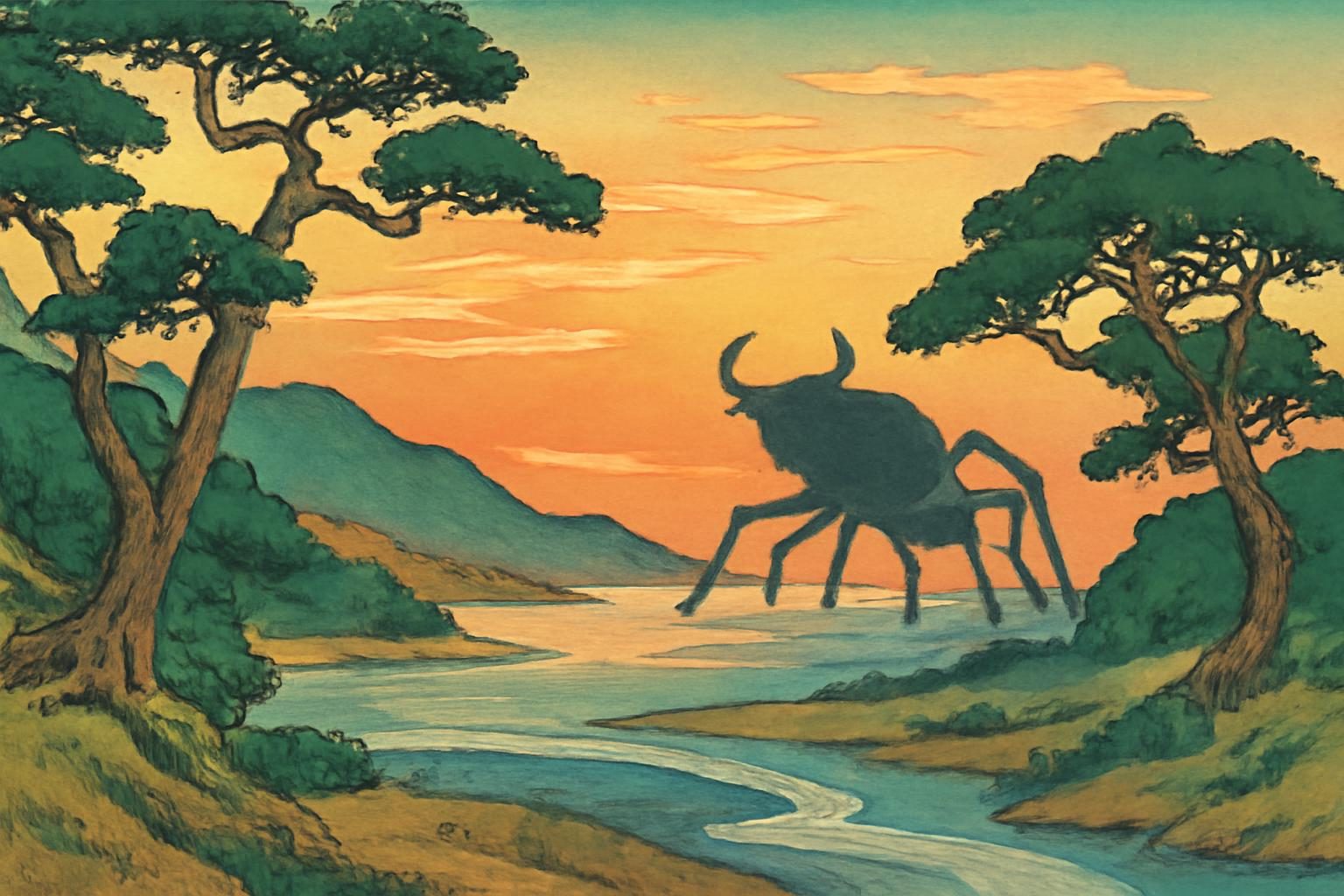
    Ukiyo-e style illustration of a mythical scene with an Ushi-oni, mountains, river, and trees in warm afternoon light.
    AI生成イメージ / AI-generated illustration (not a photograph of the actual place)

    What Is the Ushi-oni? Exploring Japan’s Ox-Demon Yokai

    The Ushi-oni, or ox-demon, is a legendary creature that has captured the imagination of people in western Japan for centuries. Its depiction varies, but it is commonly described as having an ox’s head and a body resembling that of a spider. This unique combination of features contributes to its terrifying reputation, as it is believed to dwell in remote and often dangerous locations such as deep pools and mountainous regions.

    Where the Legend Began: Coasts and Rivers of Western Japan

    The legend of the Ushi-oni is deeply rooted in the geography of western Japan. The creature is said to appear primarily along the coasts and in the secluded pools of rivers and streams. These locations, often shrouded in mist and mystery, provide the perfect backdrop for the tales of this fearsome yōkai. While the Ushi-oni’s exact form may vary across different stories, its association with these natural settings remains a constant theme.

    Negoro-ji Temple: Relics and Statues in Kagawa Prefecture

    One of the most intriguing connections to the Ushi-oni legend can be found at Negoro-ji Temple in Kagawa Prefecture. Here, horns believed to belong to a slain Ushi-oni are preserved, adding a tangible element to the myth. These relics, said to have been taken by the archer Yamada Kurando Takakiyo, serve as a reminder of the creature’s legendary presence. A statue of the Ushi-oni also stands near the temple gate, further cementing its place in local folklore.

    The Uwajima Ushi-oni Festival: Summer Traditions in Ehime

    Every year, the city of Uwajima in Ehime Prefecture comes alive with the vibrant celebrations of the Uwajima Ushi-oni Festival. Held from July 22 to 24, this festival is a testament to the enduring cultural significance of the Ushi-oni. The event features parades of large Ushi-oni effigies, traditional music, and various rituals aimed at purification. These effigies, often towering and elaborately decorated, are carried through the streets, their heads shaking in a symbolic gesture rather than the feared biting action.

    What to Expect at the Uwajima Ushi-oni Festival Parades

    The parades during the Uwajima Ushi-oni Festival are a spectacle not to be missed. Participants carry the massive Ushi-oni floats, accompanied by the sounds of bamboo flutes and rhythmic chants. The festival also includes bullfighting, dancing, and a stunning fireworks display, making it a comprehensive celebration of local tradition and folklore. This vibrant event not only honors the mythical creature but also brings the community together in a joyous celebration of their cultural heritage.

    Planning Your Visit to Western Japan’s Yokai Sites

    For those interested in exploring the rich tapestry of yōkai legends in western Japan, a visit to the sites associated with the Ushi-oni is a must. From the historic Negoro-ji Temple in Kagawa to the lively Uwajima Ushi-oni Festival in Ehime, these locations offer a unique glimpse into the region’s folklore and traditions. Whether you’re drawn by the allure of the Ushi-oni’s fearsome legend or the vibrant cultural festivities, western Japan provides a captivating journey into the heart of its mythical past.

    Regional guide

    • Uwajima Ushi‑oni Festival — source
    • Negoro‑ji temple in Kagawa — source

    Sources

    About the author — JAPAN ESSENCE Editorial Team. Our mission is to bring you Japan’s legends, myths, festivals and living traditions, through both historical fact and the stories passed down over generations.

  • Discovering Tsurube-otoshi: The Bucket-Dropping Yokai of Tanba

    Discovering Tsurube-otoshi: The Bucket-Dropping Yokai of Tanba

    The Tsurube-otoshi is a fascinating yokai from Japanese folklore, particularly associated with the Tanba region, now part of northern Kyoto Prefecture. Known for its eerie antics of dropping from trees, this legendary creature has captured the imagination of many with its unique and unsettling behavior.

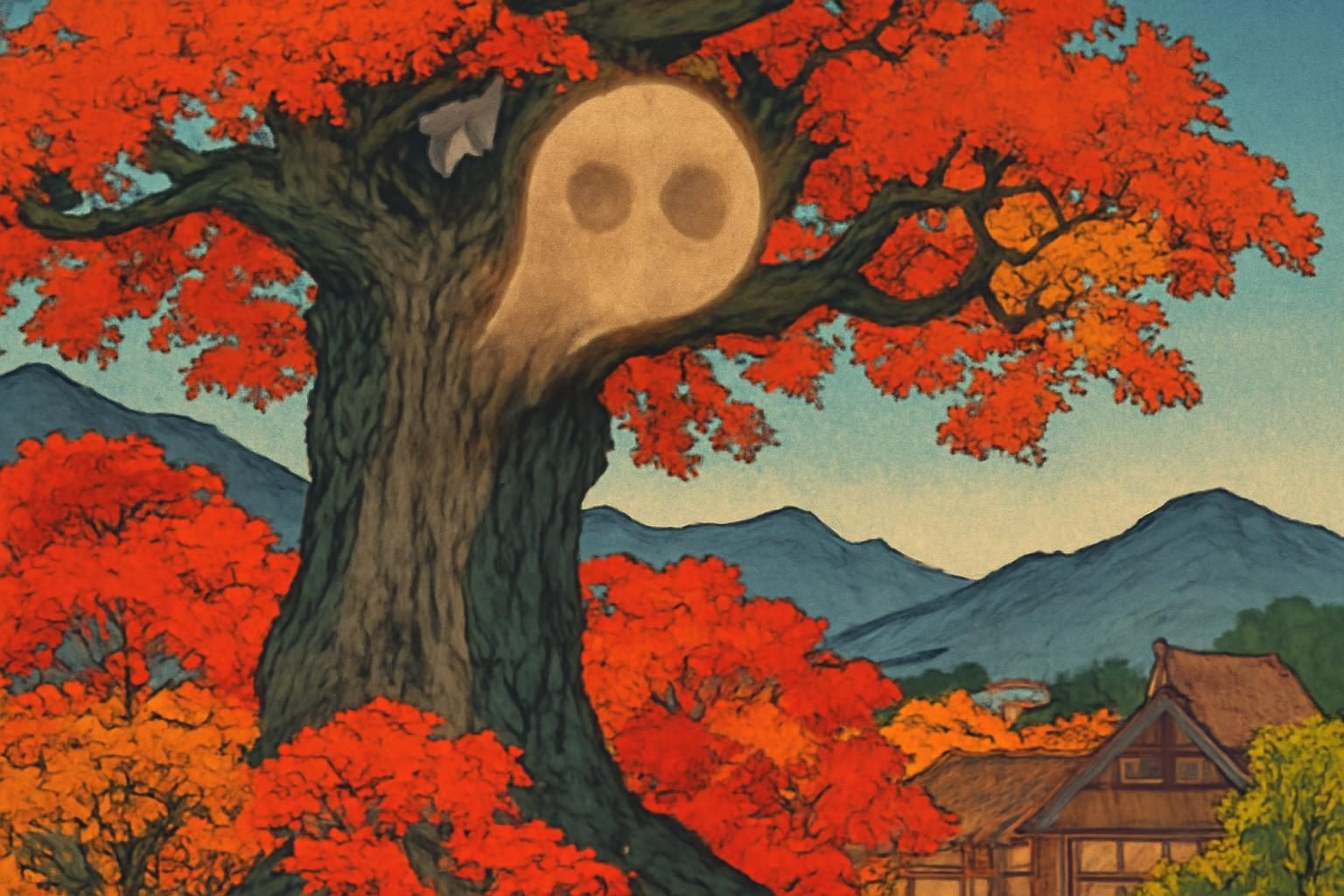
    Ukiyo-e style depiction of a Tsurube-otoshi legend scene with a kaya tree, autumn colors, and a blue sky.
    AI生成イメージ / AI-generated illustration (not a photograph of the actual place)

    Introduction to Tsurube-otoshi and Japanese Yokai Folklore

    Yokai are supernatural creatures in Japanese folklore, often depicted as mysterious and sometimes malevolent entities. The Tsurube-otoshi, or “bucket-dropping” yokai, is one such entity, primarily known in the Kansai and Tōkai regions of Japan. This yokai is part of a broader tapestry of myths and legends that continue to intrigue and inspire both locals and visitors.

    The Legend of the Bucket-Dropping Spirit in Tanba

    The Tsurube-otoshi legend is particularly prevalent in the former Sogabe village area, now part of Kameoka in Kyoto Prefecture. According to the legend, this yokai drops from a tree, often a kaya tree, and then rises back up. In Hōki, a part of the former Sogabe village, the Tsurube-otoshi is said to drop from a kaya tree, uttering the words, “Yagyō sunda ka? Tsurube oroso ka? gii-gii” (“Has your night work ended? Shall I lower the bucket? Creak, creak”), followed by a laugh as it ascends back into the tree.

    Variations of the Legend

    In another version from the Tera section of Sogabe, the Tsurube-otoshi is depicted as a severed head that falls from an old pine tree. This version of the legend describes the head as devouring humans before disappearing for two to three days, only to reappear again. Such variations highlight the rich oral tradition and the diverse interpretations of this yokai across different localities.

    Regional Variations: From Kyoto to Shiga and Aichi

    The Tsurube-otoshi legend is not confined to Kyoto alone. It appears in multiple prefectures, including Shiga, Gifu, Aichi, and Wakayama, taking various forms such as severed heads, buckets, fireballs, and eerie lights. However, the motif of buckets dropping from trees is primarily associated with the Kansai and Tōkai regions, while other areas might feature different phenomena like falling fireballs or pans.

    Oral Traditions and the Kuchitanba Kohi Shu

    The primary source for the Tsurube-otoshi legend in the Tanba region is the Taishō period local research documentation known as “Kuchitanba Kōhi Shū” (“Collection of Oral Legends about Kuchitanba”). This collection provides valuable insights into the oral traditions and cultural heritage of the region, preserving the stories and myths that have been passed down through generations.

    Exploring the Landscapes of Kameoka and Northern Kyoto

    Kameoka, where the Tsurube-otoshi legend is most prominently featured, offers a picturesque landscape that complements its rich folklore. The natural beauty of the area, with its dense forests and ancient trees, provides an ideal setting for tales of mysterious yokai and supernatural occurrences. Visitors to Kameoka can explore these landscapes, immersing themselves in the atmosphere that has inspired such captivating legends.

    Why Yokai Legends Still Fascinate Travelers in Japan

    The enduring appeal of yokai legends like Tsurube-otoshi lies in their ability to evoke a sense of wonder and mystery. These stories offer a glimpse into the cultural psyche of Japan, reflecting the fears, beliefs, and imaginations of past generations. For travelers, exploring these legends provides a unique opportunity to connect with Japan’s rich cultural heritage and experience the enchanting world of yokai firsthand.

    About the author — JAPAN ESSENCE Editorial Team. Our mission is to bring you Japan’s legends, myths, festivals and living traditions, through both historical fact and the stories passed down over generations.

  • Uncovering Tsurube-otoshi: The Legend of Japan’s Dropping Well-Bucket Spirit

    Uncovering Tsurube-otoshi: The Legend of Japan’s Dropping Well-Bucket Spirit

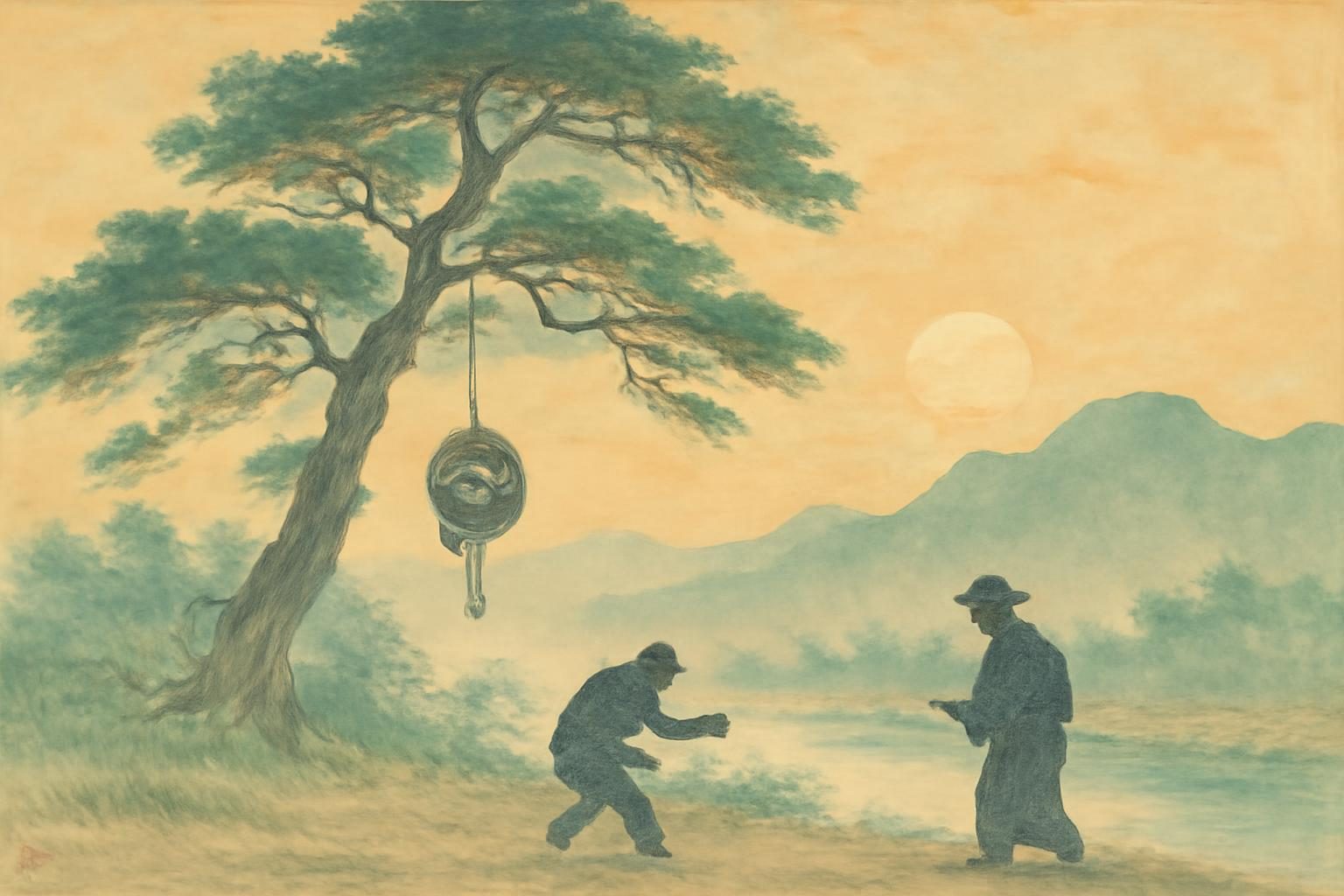
    Ukiyo-e style illustration of Tsurube-otoshi near a kaya tree at sunrise with mist, mountains, and a river.
    AI生成イメージ / AI-generated illustration (not a photograph of the actual place)

    Introduction to Tsurube-otoshi

    The Tsurube-otoshi is one of the intriguing figures in Japanese yokai legends. Known as the dropping well-bucket spirit, this yōkai is deeply rooted in the folklore of Japan, particularly in the Kyoto region. The legend of Tsurube-otoshi captures the imagination with its eerie presence and mysterious behavior, often associated with trees and the night.

    The Origins of the Legend in Kyoto

    The legend of Tsurube-otoshi is prominently found in the southern Tanba region of Kyoto Prefecture. It was recorded in the Taishō-period folklore collection ‘Kuchitanba Kōhishū’. In this version of the tale, the spirit descends from a kaya tree, laughing and uttering a haunting phrase before ascending again. This version of the legend is specific to Sogabe, now part of Kameoka, and highlights the spirit’s connection to nature and the supernatural.

    FACT: The Tsurube-otoshi in Southern Tanba

    In the southern Tanba region, the Tsurube-otoshi is said to appear from a kaya tree, a type of Japanese nutmeg tree. The spirit is known to descend, laugh, and speak, before disappearing back into the tree. This account is part of the local folklore and has been preserved through oral traditions and written records.

    LEGEND: The Haunting Phrase

    According to the legend, the Tsurube-otoshi utters a phrase that translates to something like “Finished your night work? Shall I lower the bucket?—gii-gii”. This phrase adds to the mystique of the spirit, as it suggests a connection to the night and possibly to the labor of those who encounter it.

    Regional Variations Across Japan

    While the Tsurube-otoshi is closely associated with the Kyoto region, it is not confined to it. Variants of the legend exist in other parts of Japan, each adding unique elements to the story. These regional variations reflect the diverse cultural landscape of Japan and how localities adapt folklore to their own contexts.

    LEGEND: Variants in Other Regions

    In the Hokuriku region, the Tsurube-otoshi may appear as a falling bucket or a disembodied voice. In Wakayama, it is depicted as severed heads or bucket-traps. Some traditions even describe a fiery ball, known as tsurube-bi, emerging from the trees. These variations show how the core concept of the Tsurube-otoshi can be interpreted differently across Japan.

    Connecting Tsurube-otoshi to Related Fire Yōkai

    In Japanese folklore, the concept of fire yōkai is prevalent, and the Tsurube-otoshi is sometimes linked to these fiery spirits. The term tsurube-bi refers to a fire-yōkai depicted by the artist Toriyama Sekien. This yōkai is derived from earlier accounts of spirit-fire descending from trees, which sometimes gets conflated with the Tsurube-otoshi by name and motif.

    FACT: The Tsurube-bi Connection

    The depiction of tsurube-bi as a fire spirit adds another layer to the Tsurube-otoshi legend. While the two are distinct, the shared imagery of descending spirits from trees creates a thematic link that enriches the folklore. Toriyama Sekien’s artwork and earlier accounts like the Kokon Hyaku Monogatari Hyōban contribute to this complex tapestry of yōkai lore.

    Where to Explore Japanese Folklore Today

    For those interested in exploring Japanese folklore, the legend of Tsurube-otoshi offers a fascinating glimpse into the country’s rich cultural heritage. Visiting regions like Kyoto, Wakayama, and Hokuriku can provide deeper insights into the local variations of the legend. Museums, folklore collections, and local festivals often showcase these stories, allowing visitors to experience the enduring legacy of Japan’s yōkai.

    The Tsurube-otoshi is more than just a story; it is a testament to the imaginative spirit of Japanese folklore and its ability to adapt and thrive across generations and regions.

    About the author — JAPAN ESSENCE Editorial Team. Our mission is to bring you Japan’s legends, myths, festivals and living traditions, through both historical fact and the stories passed down over generations.