Introduction to Hiwatari Matsuri
Every year, as the chill of winter gives way to the first signs of spring, Mount Takao becomes a focal point for a dramatic and deeply spiritual event known as the Hiwatari Matsuri. Held annually on the second Sunday of March, this festival offers a rare glimpse into the ancient traditions of Shugendo, a syncretic religion that combines elements of Shinto, esoteric Buddhism, and indigenous mountain worship.
The Setting: Mount Takao
Located just a short train ride from the bustling heart of Tokyo, Mount Takao is a popular destination for both tourists and locals. Known for its natural beauty and cultural significance, the mountain is home to the Takaosan Yakuoin temple, which belongs to the Chizan sect of Shingon Buddhism. This temple serves as the epicenter for the Hiwatari Matsuri, drawing visitors who seek both spiritual purification and an unforgettable cultural experience.
Understanding Shugendo
Shugendo is a spiritual practice that emphasizes asceticism and communion with nature. Practitioners, known as Yamabushi, are mountain ascetics who believe in the transformative power of nature to cleanse and purify the soul. The Hiwatari Matsuri is a manifestation of these beliefs, where fire is used as a purifying element to cleanse participants of spiritual defilements, bad karma, and physical ailments.
The Ritual of Fire Walking
The festival begins with a series of purification rites performed by the Yamabushi. Dressed in traditional robes, they chant sutras and blow conch shells, known as horagai, to invoke spiritual protection. The ritual involves the burning of consecrated cedar logs, which are believed to carry prayers directly to the mountain deities and ancestors through the rising smoke.
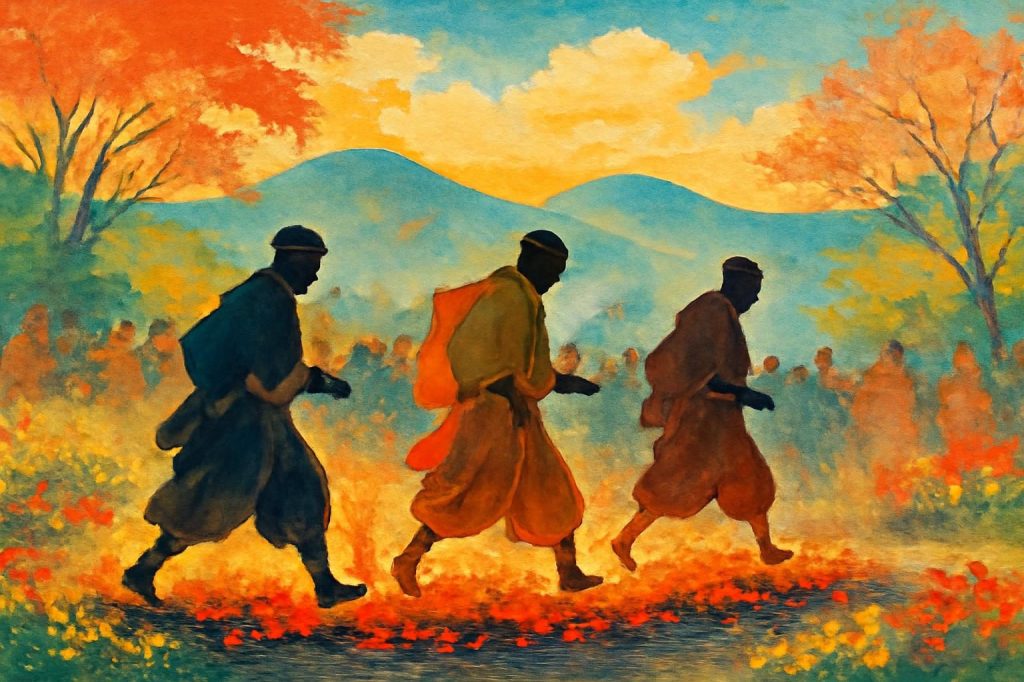
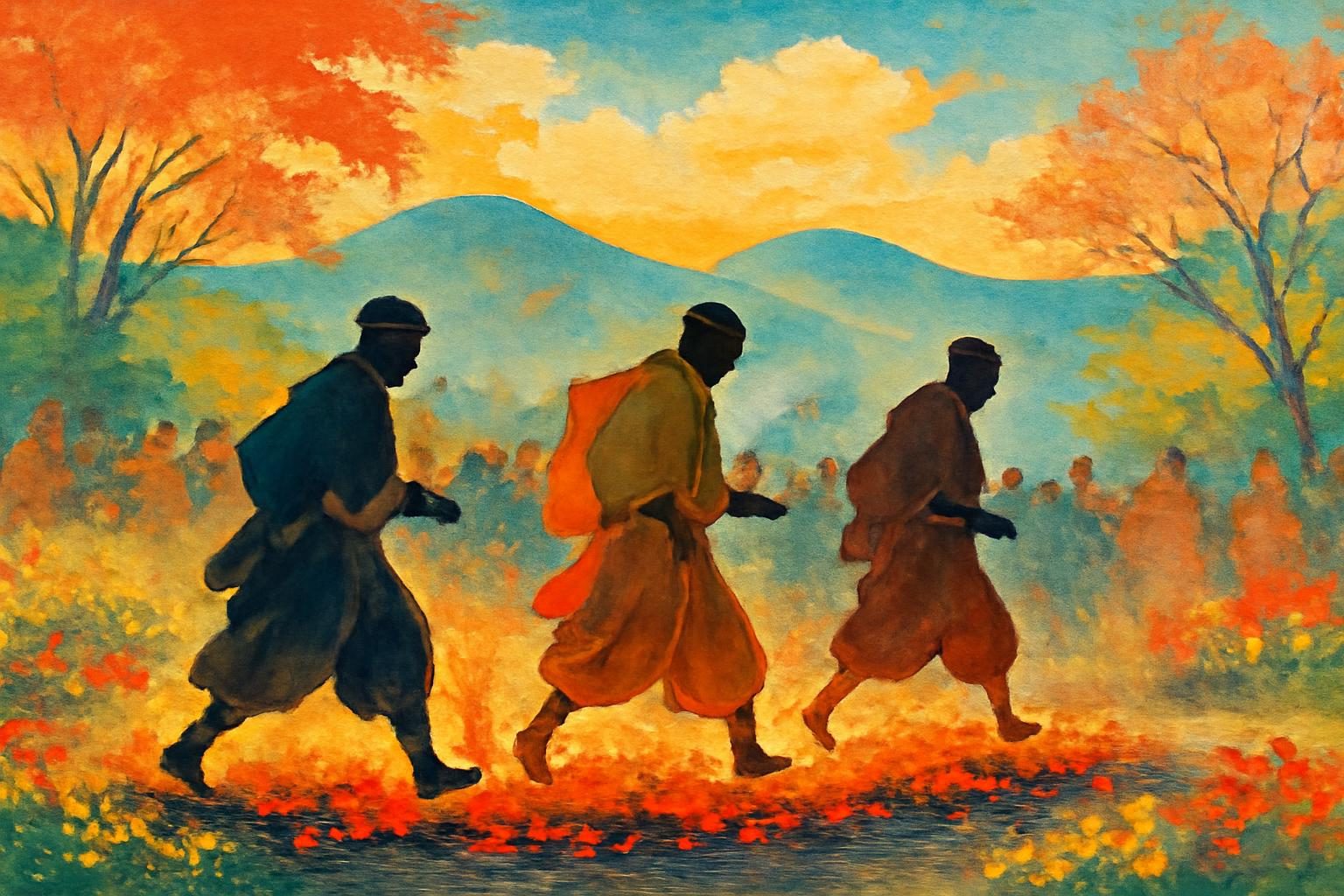
Once the fire has burned down to embers, the Yamabushi lead the way across the hot coals, demonstrating their faith and spiritual discipline. Following this, general participants, including foreign visitors, are invited to walk barefoot across the cooled embers. Before doing so, they must receive purification slips and follow the instructions of the attending monks to ensure their safety and respect for the ritual.
Fact vs Legend
Facts
- The Hiwatari Matsuri is hosted by the Takaosan Yakuoin temple, part of the Chizan sect of Shingon Buddhism.
- The ritual is deeply rooted in Shugendo, blending Japanese mountain worship, Shinto, and esoteric Buddhism.
- Participants can walk across the embers after receiving purification slips.
Legends
- Shugendo practitioners believe fire can purify spiritual defilements and bad karma.
- Successfully crossing the fire without injury is seen as a testament to the protective power of Fudo Myoo, the Immovable Wisdom King.
- The smoke from the cedar logs is believed to carry prayers to the deities and ancestors.
Visiting the Festival
If you plan to visit the Hiwatari Matsuri, here are some tips to enhance your experience. The festival is accessible via the Keio Line from Shinjuku Station to Takaosanguchi Station, a journey of about 50 minutes. The ceremony takes place at the foot of Mount Takao, near the Yamabushi training grounds, rather than at the temple summit.
It’s advisable to arrive early in the morning to secure a good viewing spot, as the festival attracts large crowds of both locals and tourists. Wear shoes that are easy to slip on and off, as you will need to remove them before participating in the ember walk. Remember, this is a solemn religious rite, so respectful behavior is essential during the sutra chanting and other ceremonial activities.
Conclusion
The Hiwatari Matsuri at Mount Takao is more than just a spectacle; it is a profound expression of faith and tradition. Whether you are drawn by the spiritual aspects or the cultural experience, participating in or witnessing this fire-walking festival offers a unique insight into the rich tapestry of Japanese religious practices. As the embers cool and the smoke rises, the festival stands as a testament to the enduring power of belief and the timeless allure of the sacred mountains.


Leave a comment