In Kyoto, the tradition of tsukimi, or moon-viewing, is a cherished cultural event that brings together history, poetry, and sweets. This autumn celebration is deeply rooted in the Heian period, offering a glimpse into the past through the unique Kyoto-style tsukimi dango.
What is Tsukimi? The Heian Roots of Japan’s Autumn Moon-Viewing
FACT: The origins of Tsukimi
Tsukimi, the Japanese tradition of moon-viewing parties during autumn, originated in the Heian period among aristocrats who were influenced by the Chinese Mid-Autumn Festival. These gatherings were a sophisticated blend of cultural exchange and artistic expression. Aristocrats would gather to recite poetry under the full moon, display pampas grass, and offer seasonal produce such as dango, taro, and chestnuts. This practice highlights the historical ties between Japan and China, showcasing how these influences shaped Japanese traditions, particularly in Kyoto, where the Heian court was based.
The Heian period, known for its cultural refinement and artistic achievements, provided a fertile ground for such traditions to flourish. The moon-viewing parties were not merely social gatherings but also an opportunity for the aristocrats to engage in intellectual pursuits and showcase their poetic talents. The act of offering seasonal produce, including the specially shaped dango, was a way to honor the moon and express gratitude for the harvest, reflecting the deep connection between nature and spirituality in Japanese culture.
FACT: Heian period moon-viewing parties
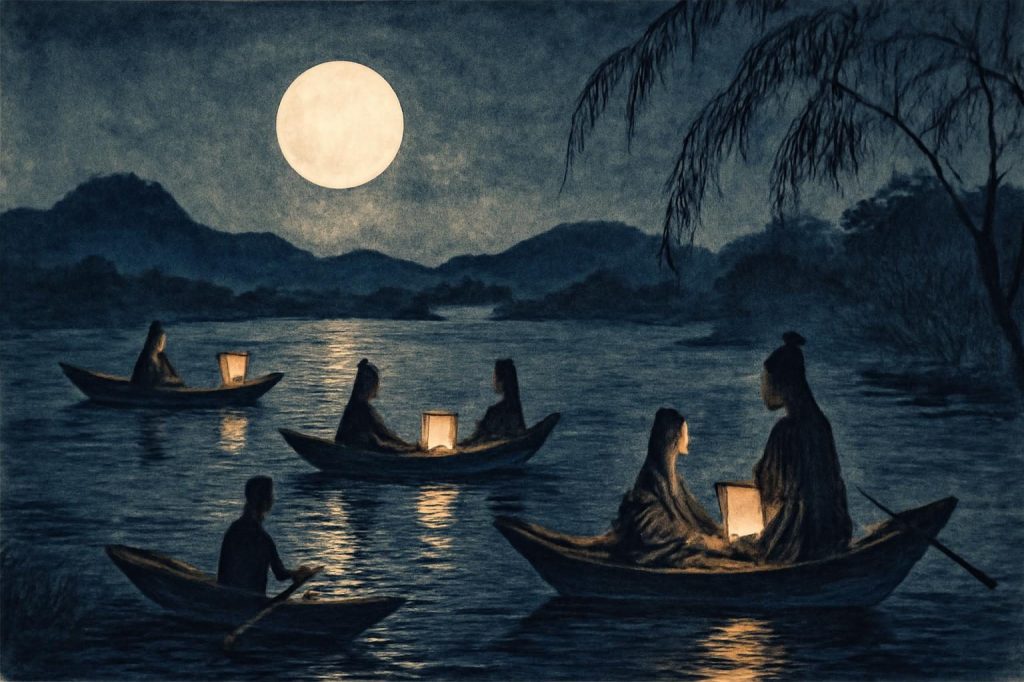
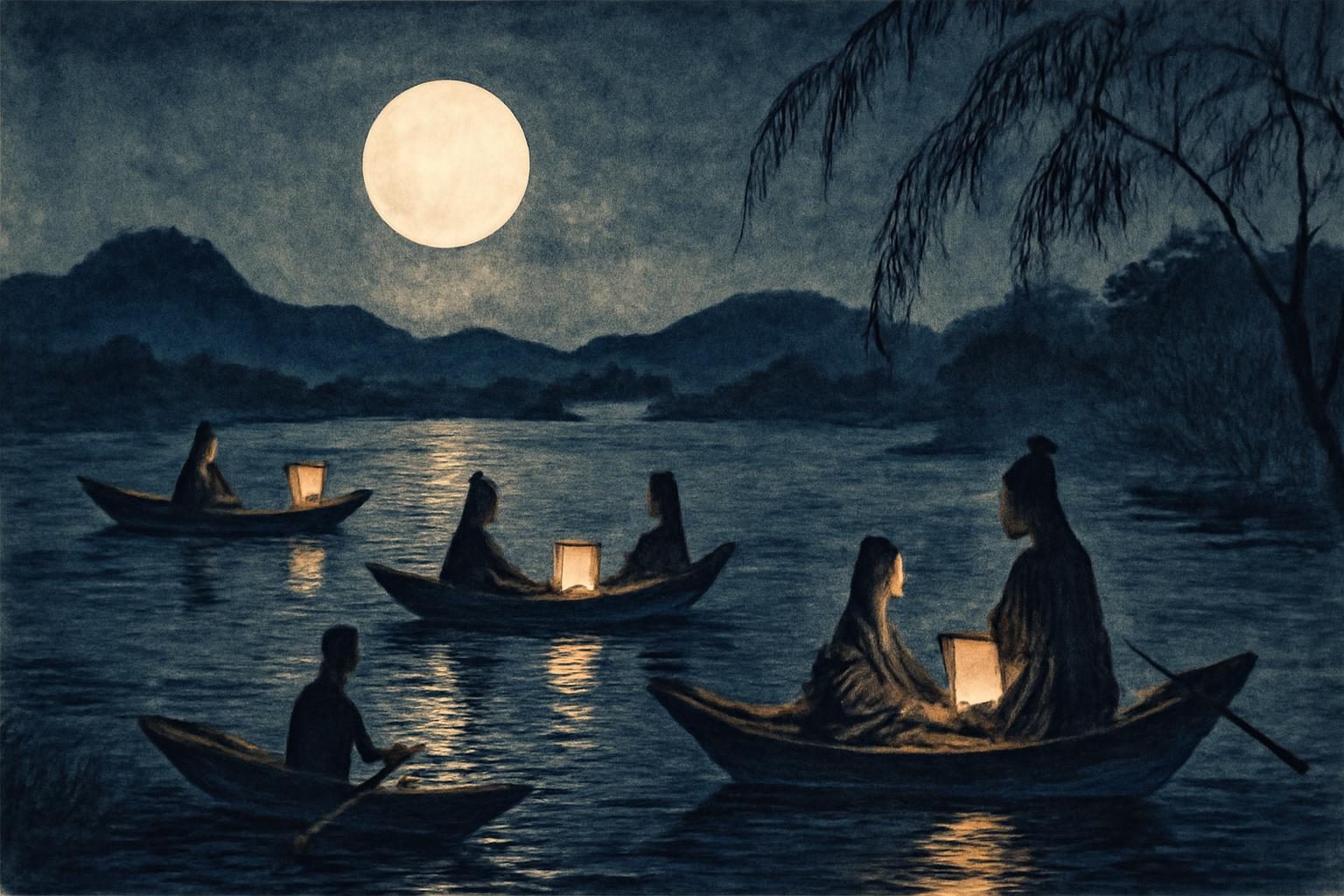
During the Heian period, aristocrats in Kyoto enjoyed moon-viewing parties on boats. These gatherings were not just about admiring the moon but also involved drinking, reciting poetry, and playing musical instruments to appreciate the moon’s reflection on water. The serene setting of the moonlit water provided a perfect backdrop for these intellectual and artistic pursuits, reflecting the aesthetic sensibilities of the time. Such events were a testament to the Heian court’s love for nature and the arts, creating a legacy that continues to influence Japanese culture today.
The choice of boats as a venue added an element of exclusivity and intimacy to the gatherings, allowing participants to be surrounded by the tranquil beauty of nature. The gentle rocking of the boat, the sound of water lapping against the sides, and the shimmering reflection of the moon created an immersive experience that heightened the senses and inspired creativity. This tradition of moon-viewing on water has endured through the centuries, symbolizing the harmonious relationship between humans and the natural world.
Why Kyoto-Style Tsukimi Dango Look Different: The Taro Connection
FACT: The unique shape of Kyoto tsukimi dango
In Kyoto, tsukimi dango are traditionally oval or drop-shaped, resembling satoimo (taro), and are wrapped with red bean paste. This style is distinct from the spherical dango commonly found in eastern Japan. The taro-shape of Kyoto tsukimi dango originates from early agricultural customs where freshly harvested taro were offered to the moon, predating the dumpling form. This connection to agriculture underscores the importance of the harvest season in Japanese culture. The oval shape is not only a tribute to the agricultural roots but also a celebration of the harvest and the changing seasons, which are central themes in Japanese festivals and rituals.
These dango are more than just a sweet treat; they are a symbol of Kyoto’s agricultural heritage and a reminder of the region’s historical reliance on taro as a staple crop. The act of shaping the dango to mimic taro roots serves as a nod to the past, preserving the memory of ancient customs and the gratitude for the earth’s bounty. Visitors to Kyoto during the tsukimi season can enjoy these delicacies while reflecting on the rich tapestry of history and tradition that they represent.
FACT: The significance of red bean paste
Red bean paste, or anko, is a staple in many Japanese sweets, including Kyoto-style tsukimi dango. The sweet and slightly earthy flavor of red bean paste complements the subtle taste of the dango, making it a beloved combination. Anko is often associated with auspiciousness and is used in various ceremonial foods in Japan. In the context of tsukimi, the use of red bean paste adds a layer of traditional significance, connecting the modern celebration with historical customs.
Incorporating anko into tsukimi dango not only enhances the flavor profile but also imbues the sweets with symbolic meaning. Anko’s deep red hue is often linked to good fortune and protection, making it a fitting choice for a festival that celebrates the moon’s beauty and the abundance of the harvest. For those partaking in tsukimi festivities, enjoying dango wrapped in anko can be a moment of reflection and appreciation for the cultural heritage that has been passed down through generations.

Traditional Autumn Wagashi and Kyoto’s Historic Confectioners
FACT: Sasaya Iori’s contribution to Kyoto’s sweet traditions
Sasaya Iori, a renowned confectioner in Kyoto, was founded in 1716 and has long supplied sweets to the Old Imperial Palace, Buddhist temples, Shinto shrines, and tea-ceremony schools. They produce seasonal autumn wagashi, including tsukimi dango, maintaining a tradition that honors the past while delighting modern palates. The craftsmanship and dedication to tradition at Sasaya Iori reflect the enduring appeal of Kyoto’s confectionery arts. Their sweets are not only a treat for the taste buds but also a cultural artifact, preserving the flavors and techniques of the past for future generations.
Visitors to Kyoto can experience a taste of history by sampling the exquisite creations of Sasaya Iori. The confectioner’s commitment to using high-quality ingredients and traditional methods ensures that each piece of wagashi is a work of art, embodying the essence of Kyoto’s culinary heritage. By indulging in these sweets, one can partake in a centuries-old tradition that celebrates the beauty of the changing seasons and the artistry of Japanese confectionery.
Reliving Heian-Era Court Life: Moon-Viewing Boat Events in Kyoto
FACT: Daikaku-ji Temple’s moon-viewing tradition
Daikaku-ji Temple in Sagano, Kyoto City, holds an annual moon-viewing party known as Kangetsu-no-yube. During this event, guests enjoy the moon view from boats on Osawa-no-ike Pond, continuing Heian-era traditions. This event allows participants to experience a slice of history, connecting them to the cultural practices of ancient Kyoto aristocrats. The tranquil setting of the temple and the pond creates an atmosphere of reflection and beauty, mirroring the experiences of the Heian court.
Attending the Kangetsu-no-yube at Daikaku-ji Temple offers a unique opportunity to step back in time and immerse oneself in the elegance of a bygone era. The serene environment, coupled with the gentle glow of the moon, provides an ideal setting for contemplation and appreciation of the natural world. This event not only preserves the cultural legacy of the Heian period but also fosters a sense of continuity and connection to the past, allowing modern participants to engage with history in a meaningful way.
LEGEND: The evolution of Tsukimi traditions
According to legend, the Heian-period aristocrats’ evening gatherings aboard boats to view the moon’s reflection and compose poetry evolved into modern Tsukimi traditions. These stories highlight the continuity and transformation of cultural practices over centuries, illustrating how legends can shape and preserve cultural identities. The legend of tsukimi serves as a bridge between the past and the present, reminding us of the timeless beauty of the moon and the enduring human desire to connect with nature through art and celebration.
These legends, passed down through generations, provide a narrative framework that enriches the tsukimi experience. They offer insight into the values and aesthetics of the Heian court, emphasizing the importance of harmony with nature and the pursuit of beauty. By participating in tsukimi events today, individuals can feel a sense of belonging to a tradition that transcends time, celebrating the same moon that inspired poets and artists centuries ago.


Related on JAPAN ESSENCE: Hirose Taisha Shrine Nara: Discover the Unique Sand-Throwing Festival | Namahage: The Masked Gods Who Knock on Doors in Akita on New Year’s Eve (and the 999 Steps the Oni Built)
Regional guide
Location: Kyoto, Kyoto Prefecture
- Kyoto‑style Tsukimi Dango (Kyoto) — source
- Sasaya Iori (Kyoto) — source
- Daikaku‑ji Temple (Sagano, Kyoto) — source


Leave a comment