
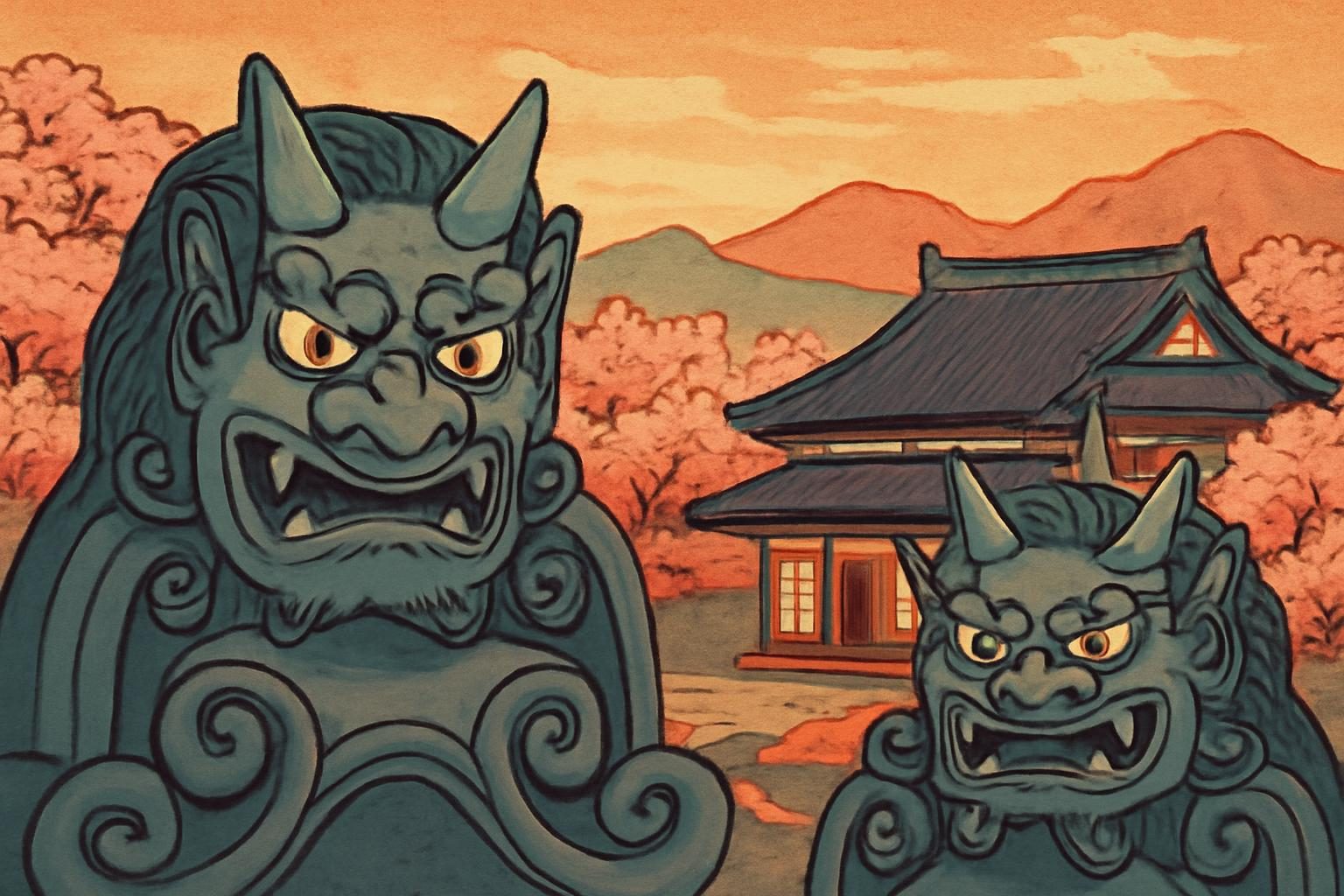
In the city of Kurume, Fukuoka Prefecture, the tradition of crafting Jojima Onigawara tiles has been a testament to the region’s rich cultural heritage and craftsmanship. These demon-faced tiles, known for their protective symbolism, have adorned the roofs of shrines, temples, and traditional homes across Kyushu for centuries.
Introduction to Jojima Onigawara and Kyushu’s Tile Heritage
FACT: The Origins of Tile Making in Kurume
Tile making in the Jojima district of Kurume began after the Battle of Sekigahara, under the rule of the Arima clan in the Kurume Domain. This marked the beginning of a long-standing tradition that would see the region become a hub for tile production in Kyushu. The rich clay deposits from the Chikugo River basin and access to water transport routes facilitated the growth of this industry, making Jojima a prominent tile manufacturing area. The Arima clan’s governance provided the necessary support and stability for the craft to flourish, allowing artisans to perfect their skills over generations.
The aftermath of the Battle of Sekigahara, which was a pivotal conflict in Japanese history, brought about significant changes in governance and regional development. In Kurume, this period of change was harnessed to foster local industries, including the art of tile making. The strategic location of Jojima, with its abundant natural resources, played a crucial role in establishing the district as a key player in the production of traditional Japanese tiles.
FACT: Characteristics of Jojima Onigawara
Jojima Onigawara tiles are renowned for their refined luster, elegant form, and excellent durability. These tiles are not only functional but also serve as decorative elements, often depicting fierce demon faces, clouds, or chrysanthemums. Their primary purpose is to act as talismans, warding off evil and protecting the households they adorn. The unique aesthetic of these tiles is achieved through the skilled hands of craftsmen who have inherited techniques passed down through generations.
The designs on Jojima Onigawara tiles are deeply symbolic. The fierce demon faces are crafted with meticulous detail to embody strength and protection. Clouds and chrysanthemums add a touch of elegance and are often associated with longevity and resilience in Japanese culture. This combination of beauty and function makes Jojima Onigawara tiles a cherished element of traditional architecture.
LEGEND: The Protective Power of Onigawara
According to legend, the onigawara tiles possess the power to protect homes from malevolent spirits and misfortune. The fierce expressions of the demons are believed to scare away evil, ensuring the safety and prosperity of the inhabitants. This belief has been passed down through generations, making these tiles an integral part of Japanese architectural tradition. The legend speaks to a time when spiritual beliefs were interwoven with everyday life, reflecting the cultural values and superstitions of the era.
In traditional Japanese society, the presence of onigawara tiles on a home or temple was a clear indication of the owner’s desire to safeguard their family and property. This practice continues today, with many modern buildings incorporating these tiles as a nod to cultural heritage and an enduring belief in their protective power.
The History of Tile Making in Kurume
FACT: Development Under the Arima Clan
Under the Arima clan’s rule, the tile-making industry in Kurume flourished. The clan’s support and the availability of natural resources allowed the craft to thrive, establishing Jojima as a key player in the production of traditional Japanese tiles. The Arima clan’s patronage was instrumental in nurturing the craft, providing artisans with the resources and stability needed to hone their skills and innovate within their trade.
FACT: Jojima’s Rise as a Tile Manufacturing Hub
The Jojima district’s strategic location and resource availability made it Kyushu’s foremost tile manufacturing hub. The Chikugo River provided the necessary clay, while the river itself served as a transportation route, facilitating trade and distribution of the tiles throughout the region. This accessibility allowed Jojima Onigawara to reach a wide audience, enhancing their reputation and demand across Kyushu.
The river not only supplied the essential materials but also connected Jojima to other regions, enabling the exchange of ideas and techniques. This exchange contributed to the evolution of tile designs and the refinement of craftsmanship, ensuring that Jojima Onigawara remained at the forefront of tile production in Japan.

What Are Onigawara and Their Protective Symbolism?
FACT: The Role of Onigawara in Architecture
Onigawara tiles are a traditional architectural element in Japan, typically placed at the ends of roofs. They serve both decorative and protective purposes, with their fierce designs intended to ward off evil spirits and protect the structures they adorn. The presence of onigawara tiles is a testament to the enduring belief in their protective power, a belief that has been woven into the fabric of Japanese architecture for centuries.
The role of onigawara tiles extends beyond mere ornamentation. They are considered guardians of the home, providing a spiritual shield against misfortune. This dual function of beauty and protection is a hallmark of Japanese design, where aesthetics and utility are seamlessly integrated.
LEGEND: The Symbolism of Demonic Faces
Legend has it that the demonic faces depicted on onigawara tiles are not merely for decoration. These faces are believed to embody the spirits of protective deities, ensuring that any malevolent forces are kept at bay. This symbolism is deeply rooted in Japanese culture and continues to be a significant aspect of traditional architecture. The fierce expressions of the demons are crafted to invoke fear in evil spirits, while simultaneously offering reassurance to the inhabitants of the building.
The use of demonic imagery as a protective measure reflects a broader cultural understanding of balance between good and evil. By placing these powerful symbols on their homes, the Japanese people demonstrate their respect for the spiritual world and their desire to maintain harmony within their environment.
The Craftsmanship and Characteristics of Jojima Tiles
FACT: Design and Durability
Jojima Onigawara tiles are crafted with meticulous attention to detail, resulting in their distinctive luster and durability. The designs often include motifs of demons, clouds, and chrysanthemums, each serving a symbolic purpose as guardians of the home. The craftsmanship involved in creating these tiles is a testament to the skill and dedication of the artisans, who continue to uphold the traditions of their forebears.
The durability of Jojima Onigawara tiles is not only a result of the materials used but also the techniques employed by the craftsmen. These tiles are designed to withstand the elements, ensuring that they provide protection and beauty for generations. The combination of aesthetic appeal and practical durability makes them a valued addition to any structure.
FACT: Recognition as a Special Folk Craft
In 1986, Jojima Onigawara was designated as a Fukuoka Prefectural Special Folk Craft, recognizing the cultural and historical significance of these tiles. This designation highlights the importance of preserving this traditional craft for future generations. The recognition serves as an acknowledgment of the artisans’ dedication to their craft and the cultural heritage they represent.
The designation as a Special Folk Craft not only honors the past but also encourages the continuation of this unique art form. It ensures that the skills and knowledge required to produce Jojima Onigawara tiles are passed down to future generations, preserving an important aspect of Fukuoka’s cultural identity.

Exploring the Jojima District in Fukuoka
FACT: Visiting the Tile-Making Area
The Jojima district in Kurume remains a vibrant center for tile production. Visitors can explore the area to learn more about the history and craftsmanship of Jojima Onigawara tiles, gaining insight into the cultural heritage of Fukuoka Prefecture. The district offers a unique opportunity to witness the artistry and dedication of the craftsmen who continue to create these iconic tiles.
Exploring Jojima allows visitors to immerse themselves in the rich history of tile making in Kurume. The area is a living testament to the enduring legacy of Jojima Onigawara tiles, offering a glimpse into the past while showcasing the vibrant continuation of this traditional craft.

Related on JAPAN ESSENCE: Hirose Taisha Shrine Nara: Discover the Unique Sand-Throwing Festival
Sources
Related from our workshop: Kawara Kobo (瓦工房) – kawara craft and experiences


Leave a comment