The Awa Odori festival in Tokushima, Tokushima Prefecture, is one of Japan’s most famous dance festivals, drawing visitors from all around the world. At the heart of this vibrant celebration is the traditional folk song “Awa Yoshikono,” a tune that has become synonymous with the lively and exuberant dance performances that define the event.
![Awa Odori in Tokushima, Japan [2008].](https://thumb.wikimedia.org/wikipedia/commons/thumb/9/94/Awa-odori_2008_Tokushima.jpg/1280px-Awa-odori_2008_Tokushima.jpg?utm_source=commons.wikimedia.org&utm_campaign=imageinfo&utm_content=thumbnail)
Introduction to Awa Odori and Its Musical Heart
FACT: The Awa Odori Festival
The Awa Odori festival is held annually in Tokushima City, transforming the city into a stage for one of Japan’s largest dance festivals. The event takes place every August, coinciding with the Obon festival, a time when spirits of ancestors are believed to return to the world of the living. During Awa Odori, dancers, known as “ren,” parade through the streets, performing to the rhythmic sounds of traditional instruments and the iconic “Awa Yoshikono” song.
These dancers, dressed in vibrant costumes, move to the beat of taiko drums, shamisen, and flutes, creating a mesmerizing spectacle. The festival’s atmosphere is electric, with participants and onlookers alike caught up in the joyous celebration. Each ren group brings its own style and flair to the performance, contributing to the festival’s dynamic and diverse nature. The dancers’ synchronized movements and the colorful attire add to the visual feast, making it a captivating experience for spectators.
The festival is not just a visual and auditory delight but also a cultural gathering that showcases the rich traditions of Tokushima. The streets come alive with the sounds of laughter and music, creating a sense of community and shared joy. The Awa Odori festival is a testament to the enduring appeal of traditional Japanese arts and the ability of cultural events to bring people together.
What Is Awa Yoshikono? Tracing the Roots of the Song
FACT: Origins of Awa Yoshikono
“Awa Yoshikono” is a localized version of the Yoshikono Bushi, a folk song that has been part of Japan’s cultural fabric for centuries. The song’s adaptation in Tokushima is believed to have evolved alongside the Awa Odori festival, becoming an integral part of the dance’s musical accompaniment. The song’s catchy melody and repetitive lyrics make it ideal for the lively and continuous dance style of Awa Odori.
The lyrics of “Awa Yoshikono” are simple yet evocative, often reflecting themes of joy, celebration, and the fleeting nature of life. This simplicity allows dancers to focus on the rhythm and movement, creating a seamless blend of music and dance that captivates audiences. The song’s enduring popularity is a testament to its ability to resonate with people across generations, embodying the spirit of the festival and the cultural identity of Tokushima.
The song’s role in the festival is not just to provide a musical backdrop but also to enhance the emotional connection between performers and spectators. The repetitive nature of the lyrics allows for easy participation, encouraging both locals and visitors to join in the singing and dancing, thus becoming part of the living tradition.

From Edo-Period Origins to Local Tradition
FACT: Historical Context
The roots of Awa Odori can be traced back to the Edo period, a time when various forms of dance and music flourished across Japan. The festival’s origins are often linked to the Bon Odori, a dance performed during the Obon festival. Over time, Awa Odori developed its unique style, characterized by its energetic movements and the distinctive sound of “Awa Yoshikono.”
During the Edo period, Tokushima was a bustling hub of cultural exchange, and the Awa Odori festival became a reflection of this vibrant atmosphere. The festival’s evolution was influenced by the social and cultural dynamics of the time, with local traditions and external influences merging to create a distinct cultural expression. The Edo period’s emphasis on arts and culture provided a fertile ground for the development of festivals like Awa Odori, which have continued to thrive and evolve over the centuries.
As the festival grew in popularity, it became a symbol of Tokushima’s cultural identity, embodying the region’s history and traditions. The festival’s ability to adapt to changing times while retaining its core elements is a testament to its resilience and the enduring appeal of traditional Japanese culture.
The Legend of Lord Hachisuka Iemasa and the First Dance
LEGEND: The Story of the First Dance
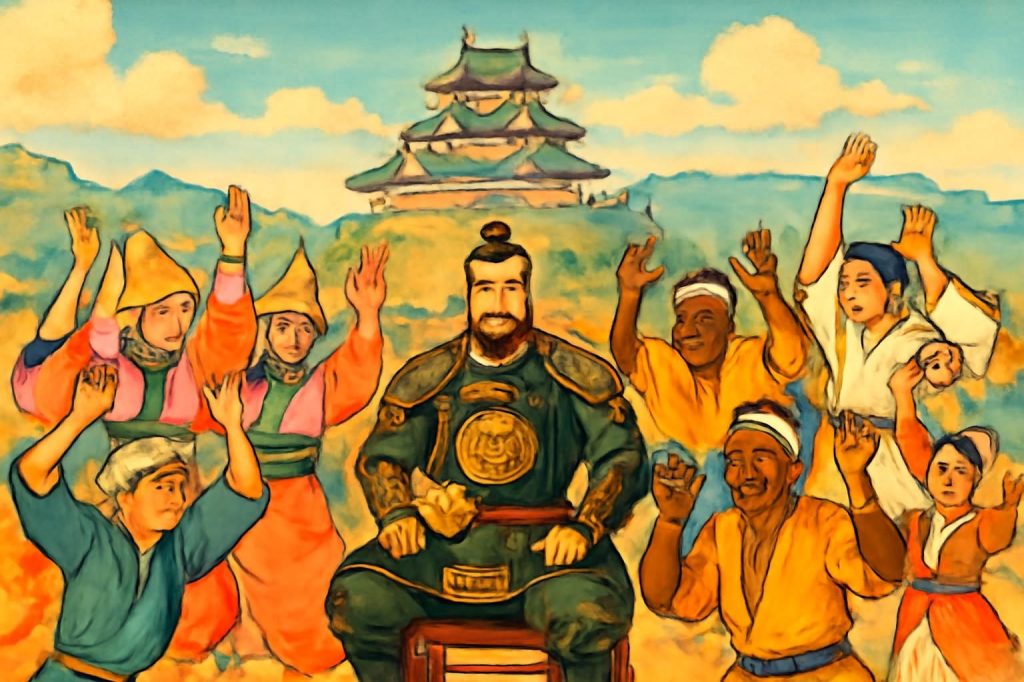
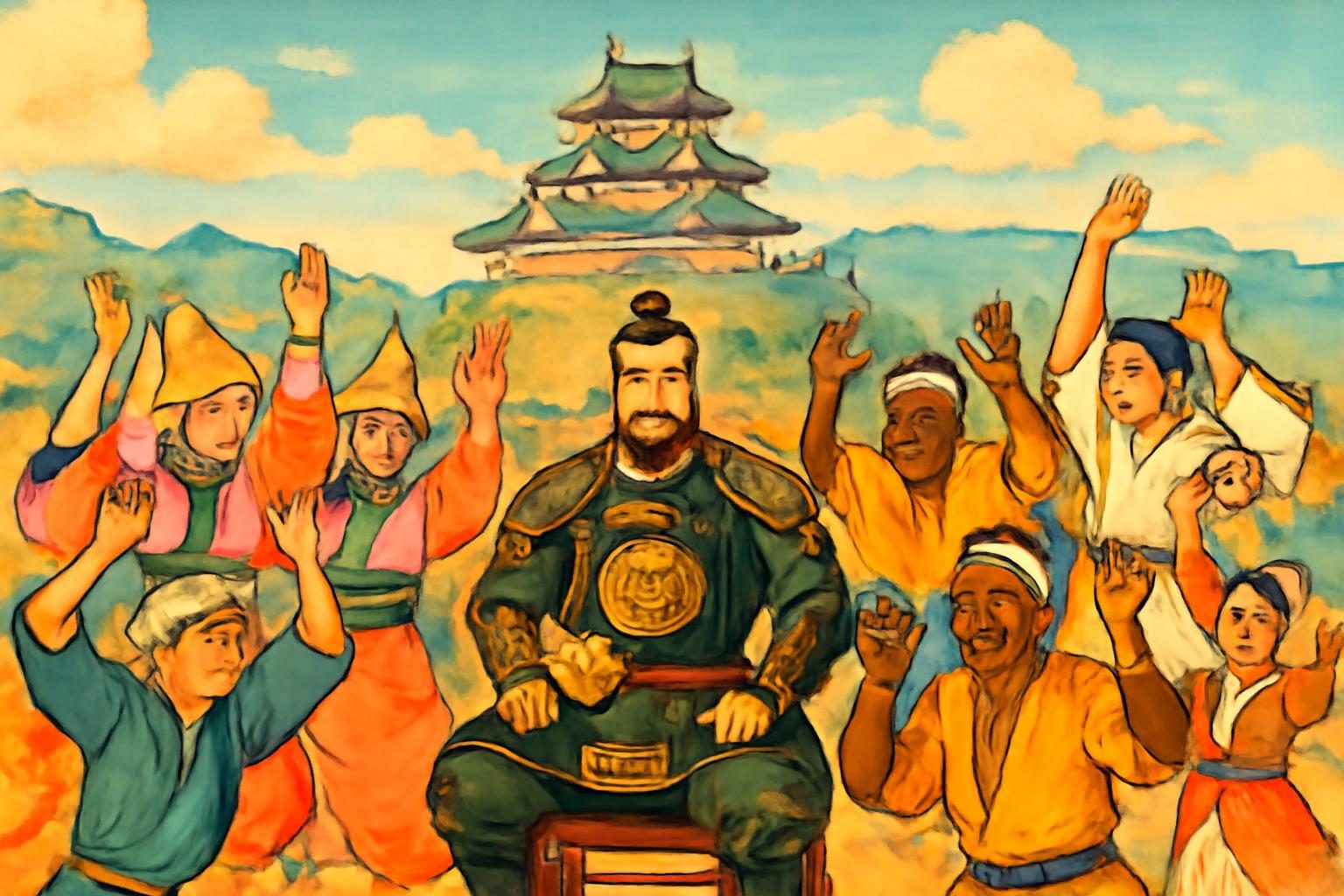
According to local legend, the origins of Awa Odori are linked to Lord Hachisuka Iemasa, the first daimyo of the Tokushima Domain. It is said that to celebrate the completion of Tokushima Castle, Lord Hachisuka hosted a grand party, inviting people from all walks of life. As the sake flowed, the guests began to dance spontaneously, giving birth to what would become the Awa Odori festival. This story, though not historically verified, remains a cherished part of Tokushima’s cultural narrative.
This legend highlights the inclusive and spontaneous nature of Awa Odori, where people from diverse backgrounds come together in a shared celebration. The story of Lord Hachisuka’s party captures the spirit of community and joy that continues to define the festival today. The legend serves as a reminder of the festival’s origins in communal celebration and the power of dance and music to unite people across social and cultural divides.
While the historical accuracy of the legend is debated, it remains an integral part of the festival’s lore, adding a layer of mystique and charm to the event. The tale of Lord Hachisuka’s impromptu celebration is often recounted during the festival, reinforcing the sense of tradition and continuity that permeates the event.

Historical Edicts and the Survival of the Festival
FACT: Edicts and Regulations
Throughout its history, Awa Odori has faced various challenges, including attempts by authorities to regulate the festival. During the Edo period, the Tokushima Domain issued edicts to control the festival’s size and duration, reflecting concerns over public order and morality. Despite these restrictions, Awa Odori persisted, adapting to changing times and continuing to thrive as a symbol of local identity and cultural heritage.
These historical edicts highlight the tension between cultural expression and social control, a dynamic that has shaped the festival’s evolution. The resilience of Awa Odori in the face of such challenges is a testament to its deep roots in Tokushima’s cultural landscape and the enduring spirit of its people. The festival’s ability to withstand regulatory pressures and maintain its core traditions speaks to the importance of cultural events in preserving regional identity and fostering community pride.
The festival’s survival through periods of regulation and change underscores the commitment of the people of Tokushima to preserve their cultural heritage. This dedication has ensured that Awa Odori remains a vibrant and essential part of the region’s cultural life, attracting visitors from around the world to experience its unique blend of tradition and festivity.
Experiencing Awa Yoshikono Live in Tokushima Today
FACT: Modern Celebrations
Today, the Awa Odori festival is a major attraction in Tokushima, drawing hundreds of thousands of visitors each year. The festival showcases the vibrant culture of Tokushima, with “Awa Yoshikono” providing the musical backdrop for the lively dance performances. Visitors to the festival can experience the infectious energy of the dance and music firsthand, making it a must-see event for anyone interested in Japanese culture.
Attendees can wander through the bustling streets of Tokushima City, where the festival’s energy is palpable. The sound of “Awa Yoshikono” echoes through the air, inviting both locals and tourists to join in the celebration. The festival not only offers a glimpse into Tokushima’s rich cultural heritage but also provides an opportunity for visitors to participate in a living tradition. The immersive experience of Awa Odori allows participants to connect with the cultural roots of the region and appreciate the enduring appeal of traditional Japanese arts.
For those planning to visit, it is advisable to check the official website for current hours, fees, and access details, as these can vary. The festival’s open and welcoming atmosphere ensures that everyone can enjoy the festivities, whether as a spectator or a participant, making it a truly inclusive cultural event.

Related on JAPAN ESSENCE: Experience the Lake Akan Marimo Festival and Ainu Traditions in Hokkaido | Shichi-Go-San: Japan’s Autumn Rite of Passage for Families in Nikko
Sources
- Awa Dance Festival – Wikipedia
- Awa Odori (Awa Dance) | Search Details | Japan Tourism Agency
- Awa Odori (Awa Dance)|ようこそ徳島県へ
To explore further, visit Kawara Kobo (瓦工房) for a hands-on kawara experience and Oni Kobo (鬼工房) for onigawara demon-tile art and charms.


Leave a Reply