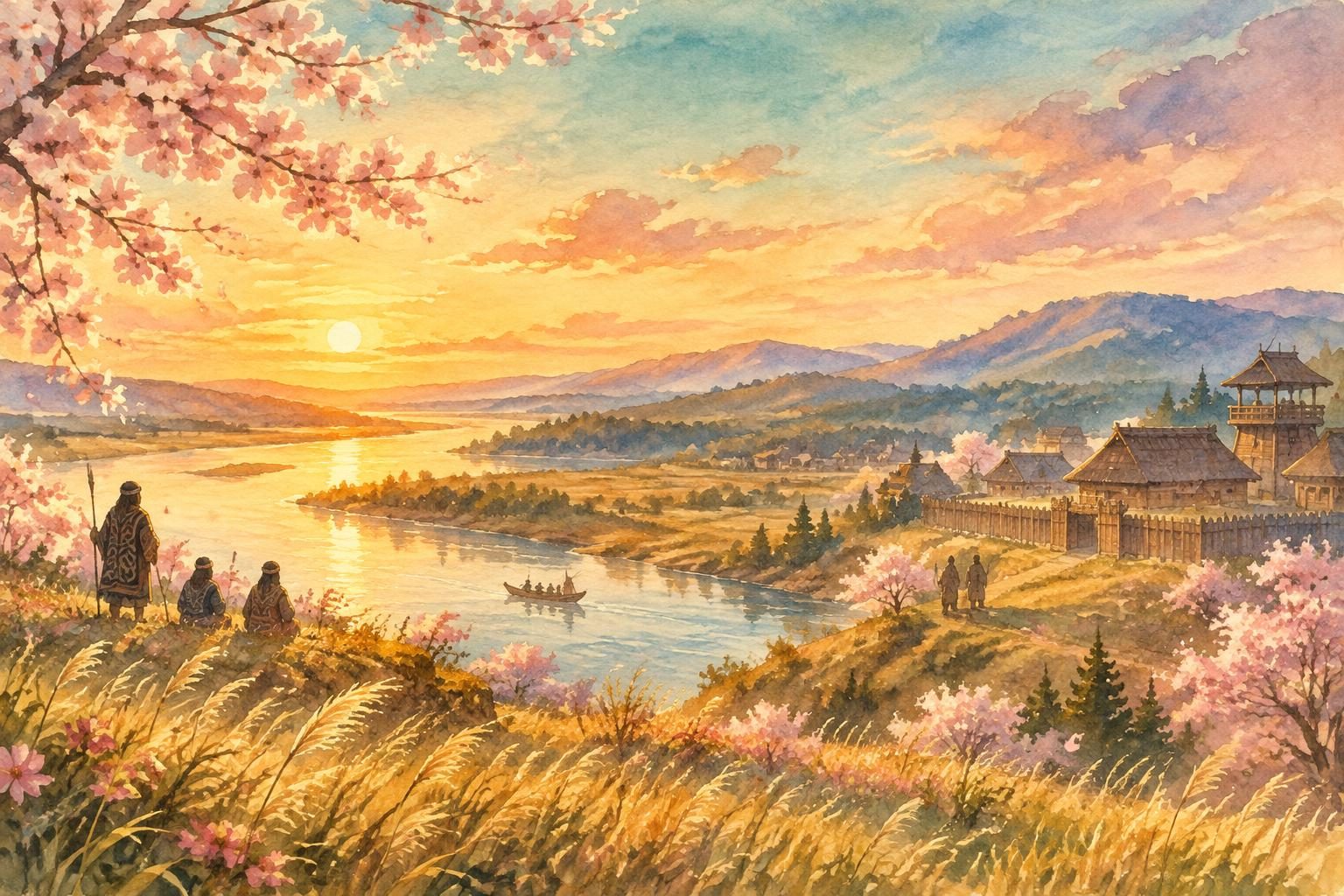
Hokkaido, Japan’s northernmost prefecture, offers a unique blend of indigenous heritage and frontier history, particularly evident in Sapporo. This region’s transformation from an indigenous land to a bustling frontier prefecture is a fascinating journey through time.

Introduction to Hokkaido’s Unique Historical Journey
Located in Hokkaido Prefecture, Sapporo serves as a gateway to understanding the region’s rich history. The island’s past is marked by the presence of the indigenous Ainu people, followed by the influence of Japanese settlers during the Meiji period. This blend of cultures is evident in the architecture and cultural sites that dot the landscape. As visitors traverse the city, they encounter a tapestry of historical narratives interwoven with the cultural evolution of the island.
Uncovering Prehistoric Roots and Indigenous Culture in Sapporo
FACT: The Ainu People and Their Heritage
The Ainu are the indigenous people of Hokkaido, with a unique culture and language distinct from the Japanese. Historically, they were hunter-gatherers, relying on the rich natural resources of the island. The Ainu culture is characterized by its deep spiritual connection to nature, which is reflected in their traditional crafts and rituals. Their reverence for nature is evident in the intricate designs of their clothing and the spiritual significance they place on animals and the natural world.
Visitors to Sapporo can explore Ainu culture at the Historical Village of Hokkaido, where traditional Ainu buildings and artifacts are preserved. The village offers an immersive experience, allowing visitors to step back in time and witness the lifestyle of the Ainu through reconstructed homes and cultural demonstrations. The Hokkaido Museum also offers exhibits that delve into the history and culture of the Ainu, providing a comprehensive understanding of their way of life. These exhibits include traditional tools, clothing, and crafts, offering a tangible connection to the island’s indigenous roots.
At these cultural sites, visitors can also learn about the Ainu’s oral traditions and their unique worldview, which sees humans as part of a larger ecosystem where everything is interconnected. The Ainu’s spiritual practices, such as the iyomante bear ceremony, highlight their respect for the animals they hunted, emphasizing a harmonious relationship between humans and nature.


The Matsumae Clan and Ezochi Trading Posts
FACT: The Role of the Matsumae Clan
During the Edo period, the Matsumae clan played a crucial role in the development of Hokkaido, then known as Ezochi. The clan established trading posts to facilitate commerce between the Ainu and the Japanese mainland. These posts were vital for the exchange of goods such as fish, furs, and crafts, which were highly valued in Japan. The trading posts served as cultural and economic bridges, fostering interactions that were both cooperative and contentious.
The Matsumae clan’s influence extended beyond trade, as they were instrumental in the early colonization efforts of Hokkaido. Their interactions with the Ainu were complex, involving both cooperation and conflict, which shaped the region’s historical landscape. The legacy of these interactions is still visible in the cultural exchanges that have left a lasting imprint on the region’s identity.
One can still sense the echoes of these historical interactions in the cultural artifacts and traditions that persist in the region. The Matsumae clan’s legacy is reflected in the fusion of Ainu and Japanese elements in local crafts and festivals, which celebrate the shared history and cultural diversity of Hokkaido.
Stepping Back in Time at the Historical Village of Hokkaido
FACT: A Living Museum of Hokkaido’s Past
The Historical Village of Hokkaido, located in Sapporo, is an open-air museum that offers a glimpse into the island’s past. It features over 60 historical buildings from the Meiji and Taisho eras, meticulously reconstructed to reflect the architectural styles of the time. Visitors can explore traditional homes, shops, and government buildings, each telling a story of Hokkaido’s development. These structures provide insight into the daily lives of the settlers and the architectural evolution that accompanied the region’s growth.
This village is not only a testament to the architectural heritage of the region but also a reflection of the cultural exchanges that occurred during Hokkaido’s transformation from a frontier land to a developed prefecture. As visitors walk through the village, they can imagine the bustling activity of a bygone era, where new ideas and traditions converged to shape the future of the island.
The village also hosts seasonal events and workshops that allow visitors to engage with traditional crafts and practices. These activities offer a hands-on experience of the cultural and historical richness of Hokkaido, making the past come alive in a dynamic and interactive way.


Exploring Pioneer Settlement and Meiji-Era Architecture
FACT: The Meiji Period and Hokkaido’s Development
The Meiji period marked a significant turning point in Hokkaido’s history, as the Japanese government implemented policies to develop the island as a frontier region. This era saw an influx of settlers from the mainland, who brought with them new agricultural techniques and architectural styles. The settlers’ arrival heralded a new chapter in Hokkaido’s history, characterized by rapid development and cultural integration.
The influence of the Meiji period is evident in the architecture found throughout Sapporo, including the Western-style buildings that were constructed to accommodate the growing population. These structures symbolize the blending of Japanese and Western influences, which is a hallmark of Hokkaido’s historical landscape. The architectural diversity in Sapporo serves as a physical narrative of the island’s transformation, illustrating the dynamic interplay of tradition and modernity.
Visitors can admire the elegant designs of these buildings, which often feature Western elements such as brick facades and large windows, alongside traditional Japanese architectural features. This architectural fusion not only reflects the historical changes of the Meiji era but also stands as a testament to the adaptability and resilience of Hokkaido’s communities.
Planning Your Historical Journey Through Sapporo
For those interested in exploring Hokkaido’s rich history, Sapporo offers a range of sites and experiences. The Historical Village of Hokkaido and the Hokkaido Museum are must-visit destinations for anyone looking to understand the island’s past. Additionally, the city’s vibrant culture and stunning natural scenery provide a perfect backdrop for a historical journey. Visitors are encouraged to check the official website for current hours, fees, and access information to ensure a smooth and informative visit.


Related on JAPAN ESSENCE: The Sand Whale of Otafunbe Chashi: Exploring an Ainu Fortress in Urahoro, Hokkaido | Exploring Kochi Castle: The Samurai History of Chosokabe Motochika in Tosa
Sources
- Historical Village of Hokkaido & Hokkaido Museum – Visit Sapporo: The Official Travel Guide to Sightseeing in Sapporo
- History of Development in Hokkaido |北海道開発局
- Hokkaido | Hokkaido | Destinations | Travel Japan – Japan National Tourism Organization (Official Site)
- Hokkaido Region: Japan’s Northern Island
- History | About Hakodate | Travel Hakodate
To explore further, visit Zenkei (禅景) for Zen-inspired onigawara art and Oni Kobo (鬼工房) for onigawara demon-tile art and charms.
北海道、日本の最北の都道府県は、特に札幌で先住民の遺産と開拓の歴史が融合した独特の魅力を提供します。この地域が先住民の土地から賑やかな開拓地へと変貌を遂げた過程は、時を超えた魅力的な旅です。
北海道の独特な歴史的旅への序章
北海道の札幌市は、この地域の豊かな歴史を理解するための玄関口です。島の過去は、先住民であるアイヌの人々の存在と、明治時代の日本人入植者の影響によって特徴づけられています。この文化の融合は、風景に点在する建築物や文化的な場所に見られます。訪問者が市内を巡ると、島の文化的進化と絡み合った歴史的な物語のタペストリーに出会います。
札幌で先史時代のルーツと先住民文化を探る
事実: アイヌの人々とその遺産
アイヌは北海道の先住民であり、日本人とは異なる独自の文化と言語を持っています。歴史的に、彼らは狩猟採集民であり、島の豊かな自然資源に依存していました。アイヌ文化は自然への深い精神的なつながりによって特徴づけられ、彼らの伝統的な工芸品や儀式に反映されています。彼らの自然への敬意は、衣服の複雑なデザインや動物や自然界に対する精神的な重要性に現れています。
札幌を訪れる人々は、北海道開拓の村でアイヌ文化を探ることができます。ここでは伝統的なアイヌの建物や工芸品が保存されており、訪問者は再現された家屋や文化的なデモンストレーションを通じて、アイヌの生活様式を体験できます。北海道博物館もまた、アイヌの歴史と文化を掘り下げた展示を提供し、彼らの生活様式を包括的に理解することができます。これらの展示には、伝統的な道具、衣服、工芸品が含まれ、島の先住民のルーツへの具体的なつながりを提供します。
これらの文化的な場所では、訪問者はアイヌの口承伝統や、すべてが相互に関連する大きな生態系の一部として人間を見なす彼らの独自の世界観について学ぶこともできます。アイヌの精神的な実践、例えばイヨマンテの熊儀式は、彼らが狩猟した動物への敬意を強調し、人間と自然の調和のとれた関係を強調しています。
松前藩と蝦夷地の交易所
事実: 松前藩の役割
江戸時代、松前藩は蝦夷地として知られていた北海道の発展において重要な役割を果たしました。藩はアイヌと日本本土との間の商取引を促進するために交易所を設立しました。これらの交易所は、魚、毛皮、工芸品などの日本で高く評価されていた商品の交換に不可欠でした。交易所は文化的および経済的な橋渡しとして機能し、協力的でありながらも緊張を伴う交流を促進しました。
松前藩の影響は交易を超えて広がり、北海道の初期の植民地化努力においても重要な役割を果たしました。アイヌとの交流は複雑で、協力と対立の両方を含み、地域の歴史的な風景を形作りました。これらの交流の遺産は、地域のアイデンティティに永続的な影響を与えた文化的な交換に今も見られます。
これらの歴史的な交流の余韻は、地域に残る文化的な工芸品や伝統に感じられます。松前藩の遺産は、アイヌと日本の要素が融合した地元の工芸品や祭りに反映されており、北海道の共有された歴史と文化的多様性を祝っています。
北海道開拓の村で時を遡る
事実: 北海道の過去を生きる博物館
札幌にある北海道開拓の村は、島の過去を垣間見ることができる野外博物館です。明治と大正時代の60以上の歴史的建物が、当時の建築様式を反映するように精巧に再現されています。訪問者は、北海道の発展の物語を語る伝統的な家屋、商店、政府の建物を探索することができます。これらの構造物は、入植者の日常生活と地域の成長に伴う建築の進化についての洞察を提供します。
この村は、地域の建築遺産の証であるだけでなく、開拓地から発展した都道府県への北海道の変革中に起こった文化的な交流の反映でもあります。訪問者が村を歩くと、かつての時代の賑やかな活動を想像することができ、新しいアイデアと伝統が交差して島の未来を形作った様子を感じることができます。
村では、季節ごとのイベントやワークショップも開催されており、訪問者は伝統的な工芸品や実践に触れることができます。これらの活動は、北海道の文化的および歴史的な豊かさを体験するための実践的な機会を提供し、過去を動的かつインタラクティブな方法で生き生きとさせます。
開拓地の入植と明治時代の建築を探る
事実: 明治時代と北海道の発展
明治時代は、北海道の歴史において重要な転換点を迎えました。日本政府はこの島を開拓地として発展させるための政策を実施しました。この時代には本土からの入植者が流入し、新しい農業技術や建築様式を持ち込みました。入植者の到来は、急速な発展と文化的統合を特徴とする北海道の歴史における新しい章を告げました。
明治時代の影響は、札幌に見られる建築物に明らかです。人口の増加に対応するために建設された西洋風の建物が含まれています。これらの構造物は、日本と西洋の影響が融合したものであり、北海道の歴史的風景の特徴です。札幌の建築の多様性は、島の変革の物語を物理的に示しており、伝統と現代性の動的な相互作用を示しています。
訪問者は、レンガのファサードや大きな窓などの西洋の要素と、伝統的な日本の建築の特徴を併せ持つこれらの建物の優雅なデザインを鑑賞することができます。この建築の融合は、明治時代の歴史的変化を反映するだけでなく、北海道のコミュニティの適応力と回復力の証でもあります。
札幌での歴史的な旅を計画する
北海道の豊かな歴史を探求したい方には、札幌が様々な場所と体験を提供します。北海道開拓の村と北海道博物館は、島の過去を理解するための必見の目的地です。さらに、市の活気ある文化と美しい自然の風景は、歴史的な旅に最適な背景を提供します。訪問者は、スムーズで有意義な訪問を確保するために、最新の営業時間、料金、アクセス情報を公式サイトでご確認ください。
Related on JAPAN ESSENCE: The Sand Whale of Otafunbe Chashi: Exploring an Ainu Fortress in Urahoro, Hokkaido | Exploring Kochi Castle: The Samurai History of Chosokabe Motochika in Tosa
Sources
- Historical Village of Hokkaido & Hokkaido Museum – Visit Sapporo: The Official Travel Guide to Sightseeing in Sapporo
- History of Development in Hokkaido |北海道開発局
- Hokkaido | Hokkaido | Destinations | Travel Japan – Japan National Tourism Organization (Official Site)
- Hokkaido Region: Japan’s Northern Island
- History | About Hakodate | Travel Hakodate
Leave a Reply