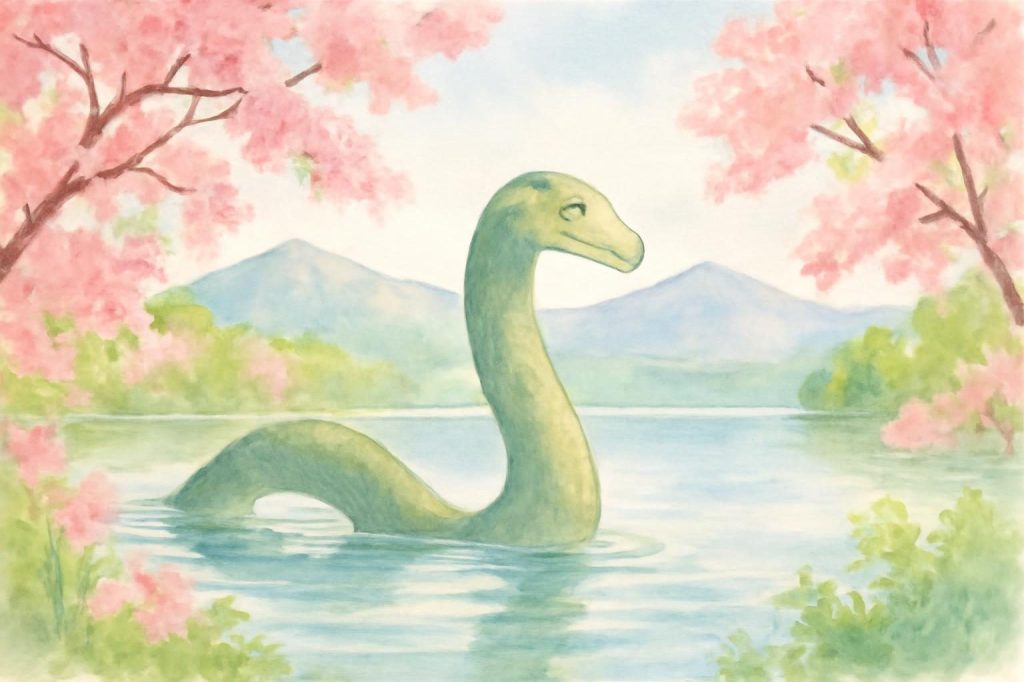
In Teshikaga, Hokkaido Prefecture, lies Lake Kussharo, a caldera lake steeped in natural beauty and rich folklore. This area, part of the Akan-Mashu National Park, is famed for its stunning landscapes and intriguing legends.

Introduction to Lake Kussharo and Akan-Mashu National Park
FACT: The Geography of Lake Kussharo
Lake Kussharo is a caldera lake located in Akan-Mashu National Park in eastern Hokkaido, specifically within the municipality of Teshikaga. It is the largest caldera lake in Japan, formed by volcanic activity, and is surrounded by picturesque mountains and lush forests. The lake’s central island, Nakajima, adds to its scenic allure. Visitors can explore the lake’s vast expanse, which is known for its unique geological features and diverse ecosystems. The surrounding area is a haven for wildlife, providing a habitat for various bird species and other native fauna.
The lake’s caldera formation is a result of ancient volcanic eruptions, creating a natural basin that has filled with water over time. This geological history contributes to the lake’s unique landscape, with its clear waters reflecting the surrounding peaks and forests. The presence of Nakajima Island in the center of the lake offers a focal point for visitors, enhancing the lake’s picturesque quality. Nakajima can be viewed from the shore or from the lake, but landing on the island is prohibited: under the Lake Kussharo usage rules published by Teshikaga Town, landing on Nakajima is restricted to protect its primeval forest ecosystem and other valuable natural environment (Teshikaga Town, Lake Kussharo Rules & Safety Manual).
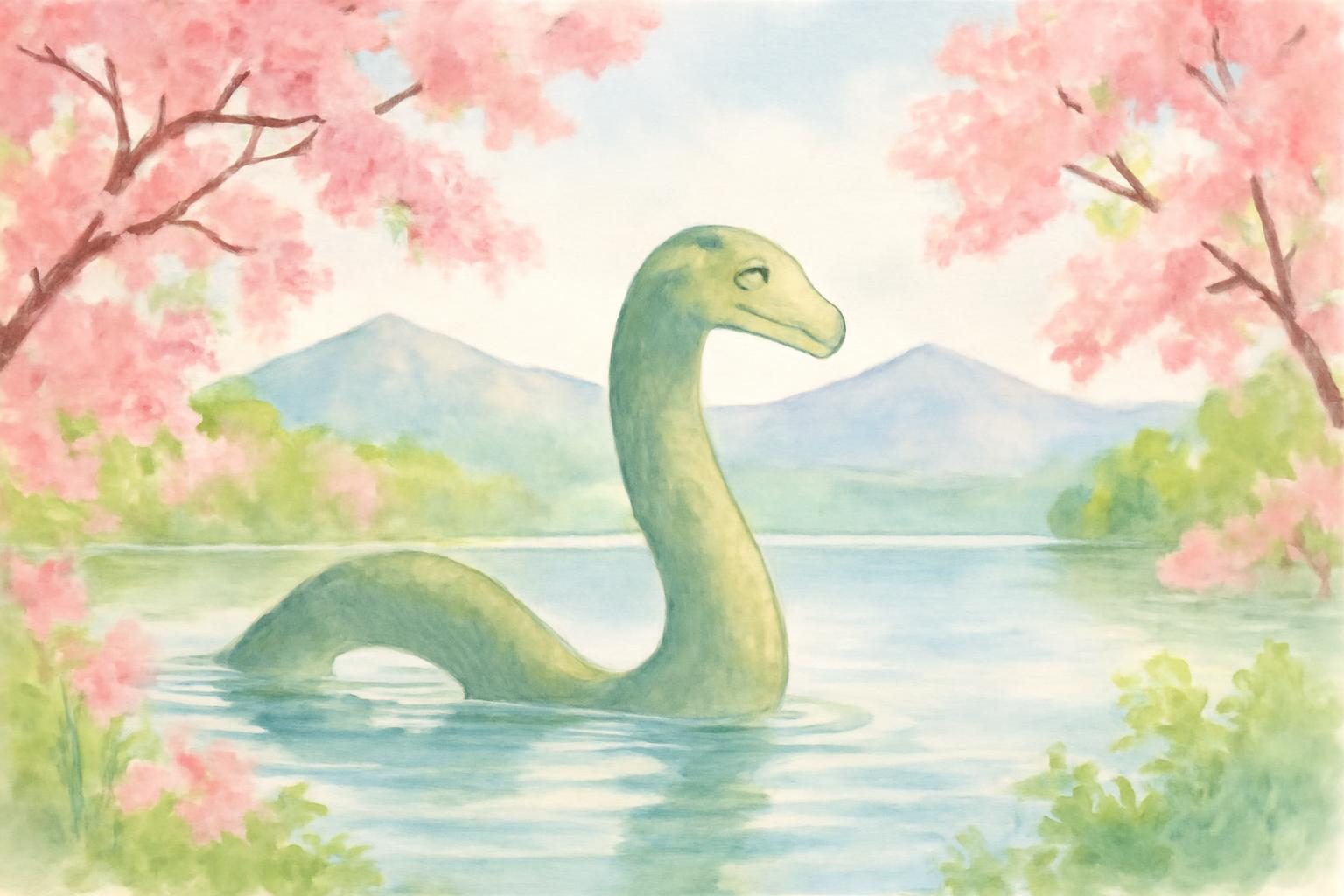
Japan’s Loch Ness: The Legend of Kusshii
LEGEND: The Mythical Kusshii
According to local legend, Lake Kussharo is home to a creature known as Kusshii, often compared to Scotland’s Loch Ness Monster. This mythical beast is said to inhabit the depths of the lake, occasionally surfacing to the awe and wonder of onlookers. Stories of Kusshii have been passed down through generations, captivating both locals and visitors with tales of mysterious sightings and unexplained ripples on the lake’s surface. The legend of Kusshii is a fascinating aspect of the local folklore, adding an air of mystery and excitement to the serene beauty of the lake. While scientific evidence of Kusshii’s existence is lacking, the stories continue to fuel the imagination of those who visit.
Local residents and visitors alike have shared anecdotes of encountering Kusshii, with some claiming to have seen the creature’s long neck and humps breaking the water’s surface. These stories often emerge during foggy mornings or at dusk, when the lake’s atmosphere is most mystical. The legend of Kusshii contributes to the cultural identity of Teshikaga, drawing tourists who are eager to catch a glimpse of the elusive creature. The local tourism industry embraces this folklore, with souvenirs and themed events celebrating the legend of Kusshii.

Ancient Ainu Myth: The Giant Amemasu and Nakajima Island
LEGEND: The Ainu Tale of Amemasu
The indigenous Ainu people have their own rich mythology surrounding Lake Kussharo. One prominent legend speaks of a giant fish called Amemasu, which was believed to cause earthquakes and other natural disturbances. According to the tale, the Amemasu once inhabited the lake, and its movements were said to create the island of Nakajima. This story reflects the Ainu’s deep connection to nature and their reverence for the natural world. The legend of Amemasu highlights the cultural significance of the lake and its surrounding landscape, illustrating the Ainu’s understanding of the natural forces that shape their environment.
The Ainu viewed the Amemasu as a powerful spirit, embodying the unpredictable and sometimes destructive forces of nature. This belief underscores the Ainu’s respect for the natural environment and their recognition of its power. The creation of Nakajima Island by the Amemasu is seen as a testament to the creature’s strength and influence. Visitors to Lake Kussharo can learn more about these legends through local storytelling events or by visiting cultural sites that celebrate Ainu heritage.
Dig Your Own Onsen: Exploring Sunayu Beach
FACT: The Unique Experience of Sunayu Beach
Sunayu Beach, located along the shores of Lake Kussharo, offers a unique opportunity for visitors to dig their own onsen, or hot spring. The geothermal activity beneath the sand allows for the creation of natural hot water pools. Visitors can dig into the sand to create their own personal hot spring bath, enjoying the therapeutic warmth while taking in the serene views of the lake. This hands-on experience is a popular attraction, providing a relaxing way to connect with the natural geothermal wonders of the region. The beach is a testament to the volcanic activity that has shaped the landscape, offering a glimpse into the dynamic geological processes at play.
The experience at Sunayu Beach is not only about relaxation but also about engaging with the natural environment in a unique way. The warmth of the sand and the gentle lapping of the lake’s waves create a soothing atmosphere. Visitors often bring small shovels to dig their own hot spring pools, and the experience is suitable for all ages, making it a family-friendly activity. The beach is accessible year-round, though the experience can vary with the seasons, offering a different charm in winter when the surrounding landscape is blanketed in snow.

Preserving Heritage at the Kussharo Kotan Ainu Museum
FACT: Ainu Culture and Heritage
The Kussharo Kotan Ainu Museum, located near the lake, is dedicated to preserving and showcasing the culture and history of the Ainu people. The museum provides insights into the traditional lifestyle, crafts, and beliefs of the Ainu, offering visitors a deeper understanding of the region’s indigenous heritage. Exhibits include traditional clothing, tools, and artifacts, as well as information on the Ainu’s relationship with the natural environment. The museum serves as an educational resource, highlighting the rich cultural tapestry of the Ainu and their enduring legacy in the region. Visitors can explore the exhibits to gain a greater appreciation for the unique traditions and history of the Ainu people.
The museum also hosts workshops and cultural events that allow visitors to engage more deeply with Ainu traditions. These activities might include demonstrations of traditional Ainu crafts, music performances, and storytelling sessions that bring to life the legends and history of the Ainu people. The museum’s location near Lake Kussharo provides a fitting backdrop for these cultural explorations, as the lake itself is central to many Ainu myths and traditions. By visiting the museum, tourists can gain a comprehensive understanding of the Ainu’s influence on the region and their ongoing efforts to preserve their cultural identity.
Planning Your Trip to Teshikaga and Lake Kussharo
FACT: Travel Tips and Recommendations
Visitors to Lake Kussharo can enjoy a variety of activities, from hiking and bird watching to soaking in the natural hot springs. The area is accessible by car and public transport, making it a convenient destination for travelers exploring Hokkaido. Accommodations range from traditional ryokans to modern hotels, providing options for all types of visitors. Whether you’re interested in the natural beauty, the legends, or the cultural heritage, Lake Kussharo offers a unique and enriching experience. The region’s diverse attractions ensure that there is something for everyone, making it an ideal destination for both adventure seekers and those looking to relax and unwind amidst nature.
For those planning a visit, it’s worth considering the seasonal variations in the region. Each season offers a different perspective on the lake’s beauty, from the vibrant colors of autumn foliage to the serene, snow-covered landscapes of winter. Local guides are available to enhance the experience, offering insights into the natural and cultural history of the area. Additionally, the local cuisine, which often features fresh fish from the lake and traditional Ainu dishes, provides a culinary exploration that complements the natural and cultural experiences of the region.

Related on JAPAN ESSENCE: Exploring Japanese Folklore: The Yōkai Legends of Kameoka and Nantan | Exploring the Oeyama Oni Legends: Myth and Hiking in Kyoto’s Fukuchiyama
Sources
To explore further, visit Zenkei (禅景) for Zen-inspired onigawara art and Oni Kobo (鬼工房) for onigawara demon-tile art and charms.


_(2).jpg)

Leave a Reply