Category: Customs

風習

  • Hirose Taisha Shrine Nara: Discover the Unique Sand-Throwing Festival

    Hirose Taisha Shrine Nara: Discover the Unique Sand-Throwing Festival

    Hirose Taisha, located in Kawai Town, Nara Prefecture, is home to a unique and ancient tradition known as the Sunakake Matsuri, or Sand-Throwing Festival, celebrated every February. This festival, deeply rooted in local culture, offers a fascinating glimpse into Japan’s rich tapestry of traditions and beliefs, particularly those surrounding agriculture and spiritual protection.

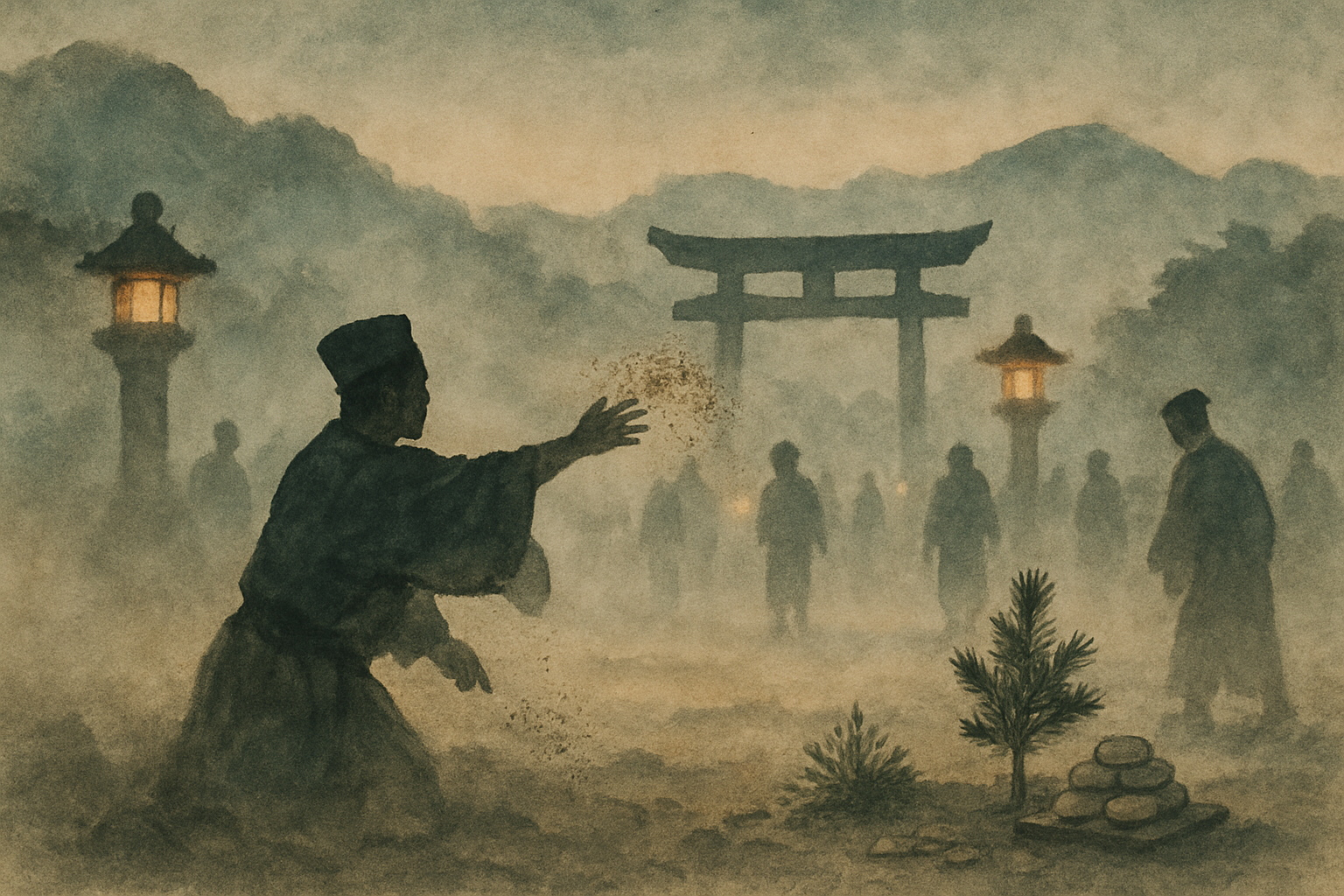
    An ink-wash scene of a mythical festival with distant figures, misty mountains, lanterns, and symbolic sand-throwing rituals.
    AI生成イメージ / AI-generated illustration (not a photograph of the actual place)

    Introduction to Hirose Taisha in Kawai Town

    FACT: What the records say

    Hirose Taisha (廣瀬大社) is a prominent Shinto shrine situated in Kawai Town, Nara Prefecture. This shrine enshrines the water deity Wakaukanome-no-Mikoto, revered for her role in ensuring the purity and abundance of water, a crucial element for agriculture. Historically, Hirose Taisha has been a site of Imperial patronage since the Heian period, reflecting its importance in the religious and cultural landscape of Japan. It is one of the Twenty-Two Shrines, a prestigious group of Shinto shrines that received special recognition and support from the Imperial Court, underscoring its historical significance.

    FACT: The historical significance of Hirose Taisha

    The origins of Hirose Taisha are said to date back to the reign of Emperor Sujin or 675 during the era of Emperor Tenmu. This suggests a longstanding historical presence that has seen the shrine play a pivotal role in the spiritual life of the region. The shrine is strategically located at the confluence of rivers in the Yamato Basin, a site that has historically been a significant area for Japanese culture and politics. This location not only enhances its spiritual significance but also its practical importance as a center for community activities related to agriculture and water management.

    The History and Significance of Hirose Taisha Shrine

    FACT: Architectural and natural beauty

    The main hall of Hirose Taisha is set in a sacred grove, offering a serene and solemn atmosphere that invites reflection and reverence. Visitors are greeted by a long, tree-lined approach that enhances the shrine’s spiritual ambiance, making the journey to the shrine itself a meditative experience. The shrine’s precincts are open to the public, and visiting is free, allowing everyone to experience its historical and cultural significance without barriers. This openness reflects the inclusive nature of Shinto practices, welcoming all who seek spiritual solace or cultural enrichment.

    Hirose Shrine Haiden 01 - Haiden in Nara prefecture, Haiden, Hirose-taisha
    “Hirose Shrine Haiden 01” (Haiden in Nara prefecture, Haiden, Hirose-taisha) by Cksword, CC BY-SA 4.0, source, via Wikimedia Commons

    What is the Sunakake Matsuri Sand-Throwing Festival?

    FACT: The festival’s origins and rituals

    The Sunakake Matsuri, or Sand-Throwing Festival, is held annually on February 11 at Hirose Taisha. This festival is part of the Onda (rice-planting) ritual known as Oimi-no-Matsuri. Participants, including farmers, ox-roles, and visitors, engage in throwing sand at one another to symbolize rain and pray for a bountiful harvest. This ritual is designated a prefectural intangible folk cultural property, highlighting its cultural importance and the role it plays in preserving local traditions.

    LEGEND: The symbolic meaning of sand-throwing

    According to legend, the act of sand-throwing during the festival is believed to ward off evil and bring good fortune. The ceremonies, known as Denjo-no-Gi and Teijo-no-Gi, involve repeated sand-throwing, followed by scattering pine-seedling-resembling matsunae and rice cakes to ensure prosperity and protection from malevolent spirits. These rituals are steeped in symbolism, with each action designed to invoke the favor of deities and ensure the community’s well-being.

    Rituals and Customs of the February Festival

    FACT: The festival’s unique characteristics

    The Sand-Throwing Festival is often described as a ‘bizarre festival of the Yamato region’ due to its distinctive customs. It has been celebrated for over 1,300 years, linking back to the Oimi-no-Matsuri associated with Emperor Tenmu. The festival’s rituals not only aim to secure a good harvest but also serve as a vibrant cultural event that attracts visitors from various regions. This longevity and continued popularity speak to the festival’s deep roots in local culture and its ability to adapt and thrive through centuries of change.

    Hirose Jinja Haiden - Haiden, Hirose-taisha
    “Hirose Jinja Haiden” (Haiden, Hirose-taisha) by Own work, CC BY-SA 3.0, source, via Wikimedia Commons

    Visiting Hirose Taisha: Atmosphere and Access

    FACT: Experiencing the shrine’s ambiance

    Visitors to Hirose Taisha can enjoy the peaceful setting of the shrine, nestled within its sacred grove. The tree-lined path leading to the main hall provides a tranquil environment, perfect for reflection and appreciation of Japan’s rich spiritual heritage. The shrine’s open access allows for an immersive cultural experience without any entry fee, making it an accessible destination for both spiritual seekers and cultural enthusiasts. The combination of natural beauty and historical significance makes Hirose Taisha a must-visit site for anyone exploring the spiritual heart of Nara Prefecture.

    Locator map of Japan: Kawai Town, Nara
    Legend site: Kawai Town, Nara — Source: Map of Japan with highlight on 29 Nara prefecture.svg; Map: Lincun, CC BY-SA 3.0, via Wikimedia Commons

    About the author — JAPAN ESSENCE Editorial Team. Our mission is to bring you Japan’s legends, myths, festivals and living traditions, through both historical fact and the stories passed down over generations.

  • The Fire-Walking Festival (Hiwatari Matsuri) at Mount Takao

    The Fire-Walking Festival (Hiwatari Matsuri) at Mount Takao

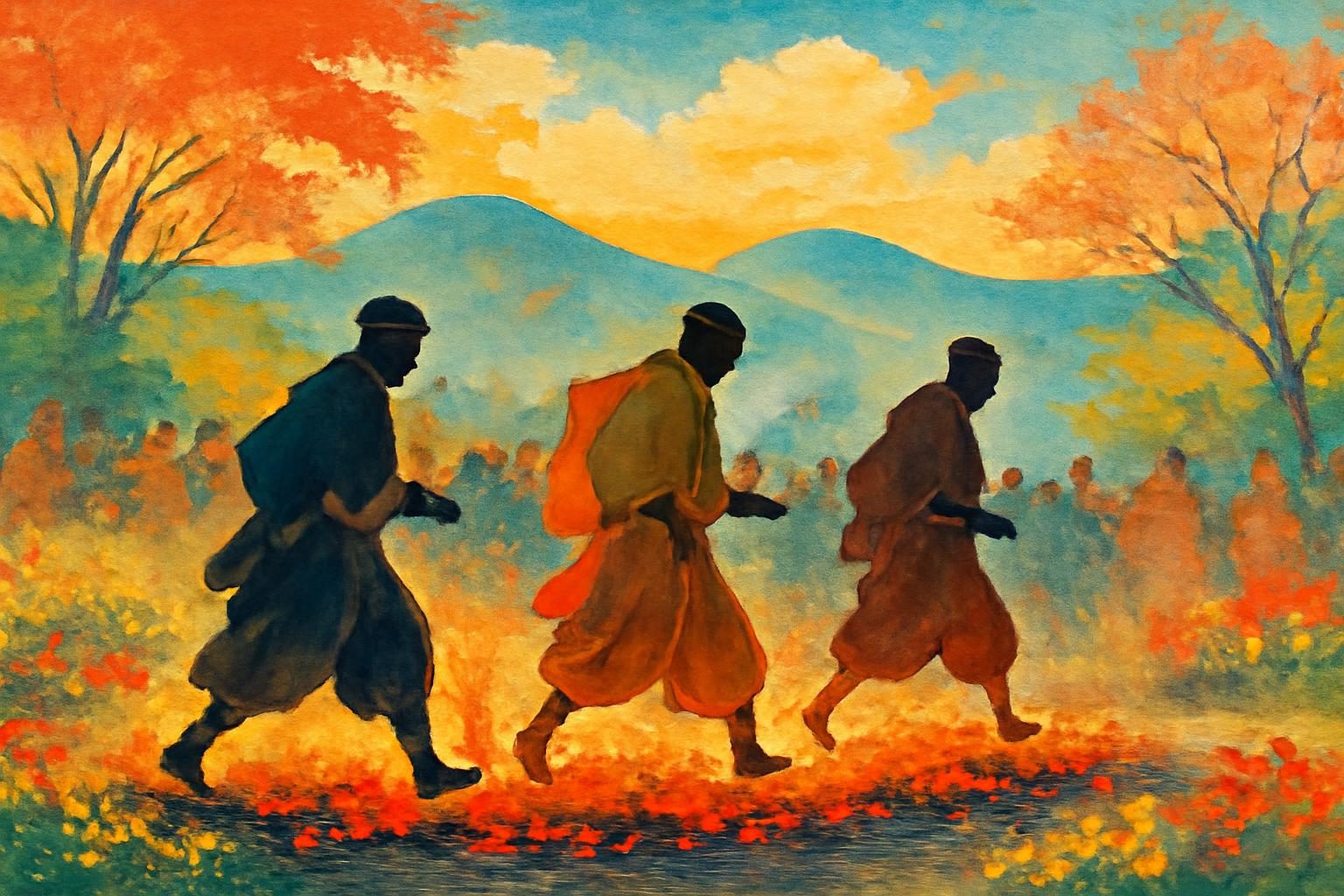
    Yamabushi silhouettes fire-walking at Mount Takao festival, vibrant spring scene, ukiyo-e style.
    AI生成イメージ / AI-generated illustration (not a photograph of the actual place)

    Introduction to Hiwatari Matsuri

    Every year, as the chill of winter gives way to the first signs of spring, Mount Takao becomes a focal point for a dramatic and deeply spiritual event known as the Hiwatari Matsuri. Held annually on the second Sunday of March, this festival offers a rare glimpse into the ancient traditions of Shugendo, a syncretic religion that combines elements of Shinto, esoteric Buddhism, and indigenous mountain worship.

    The Setting: Mount Takao

    Located just a short train ride from the bustling heart of Tokyo, Mount Takao is a popular destination for both tourists and locals. Known for its natural beauty and cultural significance, the mountain is home to the Takaosan Yakuoin temple, which belongs to the Chizan sect of Shingon Buddhism. This temple serves as the epicenter for the Hiwatari Matsuri, drawing visitors who seek both spiritual purification and an unforgettable cultural experience.

    Understanding Shugendo

    Shugendo is a spiritual practice that emphasizes asceticism and communion with nature. Practitioners, known as Yamabushi, are mountain ascetics who believe in the transformative power of nature to cleanse and purify the soul. The Hiwatari Matsuri is a manifestation of these beliefs, where fire is used as a purifying element to cleanse participants of spiritual defilements, bad karma, and physical ailments.

    The Ritual of Fire Walking

    The festival begins with a series of purification rites performed by the Yamabushi. Dressed in traditional robes, they chant sutras and blow conch shells, known as horagai, to invoke spiritual protection. The ritual involves the burning of consecrated cedar logs, which are believed to carry prayers directly to the mountain deities and ancestors through the rising smoke.

    Once the fire has burned down to embers, the Yamabushi lead the way across the hot coals, demonstrating their faith and spiritual discipline. Following this, general participants, including foreign visitors, are invited to walk barefoot across the cooled embers. Before doing so, they must receive purification slips and follow the instructions of the attending monks to ensure their safety and respect for the ritual.

    Fact vs Legend

    Facts

    • The Hiwatari Matsuri is hosted by the Takaosan Yakuoin temple, part of the Chizan sect of Shingon Buddhism.
    • The ritual is deeply rooted in Shugendo, blending Japanese mountain worship, Shinto, and esoteric Buddhism.
    • Participants can walk across the embers after receiving purification slips.

    Legends

    • Shugendo practitioners believe fire can purify spiritual defilements and bad karma.
    • Successfully crossing the fire without injury is seen as a testament to the protective power of Fudo Myoo, the Immovable Wisdom King.
    • The smoke from the cedar logs is believed to carry prayers to the deities and ancestors.

    Visiting the Festival

    If you plan to visit the Hiwatari Matsuri, here are some tips to enhance your experience. The festival is accessible via the Keio Line from Shinjuku Station to Takaosanguchi Station, a journey of about 50 minutes. The ceremony takes place at the foot of Mount Takao, near the Yamabushi training grounds, rather than at the temple summit.

    It’s advisable to arrive early in the morning to secure a good viewing spot, as the festival attracts large crowds of both locals and tourists. Wear shoes that are easy to slip on and off, as you will need to remove them before participating in the ember walk. Remember, this is a solemn religious rite, so respectful behavior is essential during the sutra chanting and other ceremonial activities.

    Conclusion

    The Hiwatari Matsuri at Mount Takao is more than just a spectacle; it is a profound expression of faith and tradition. Whether you are drawn by the spiritual aspects or the cultural experience, participating in or witnessing this fire-walking festival offers a unique insight into the rich tapestry of Japanese religious practices. As the embers cool and the smoke rises, the festival stands as a testament to the enduring power of belief and the timeless allure of the sacred mountains.

    About the author — JAPAN ESSENCE Editorial Team. Our mission is to bring you Japan’s legends, myths, festivals and living traditions, through both historical fact and the stories passed down over generations.