Category: Customs

風習

  • Tsuda no Boni-Odori: Exploring Tokushima’s Traditional Bon Dance

    Tsuda no Boni-Odori: Exploring Tokushima’s Traditional Bon Dance

    In Tokushima, Tokushima Prefecture, the Tsuda no Boni-odori is a captivating traditional Bon dance that offers a unique glimpse into Japan’s rich cultural tapestry. This vibrant event, deeply rooted in local customs, combines dance, music, and ritual to honor ancestral spirits.

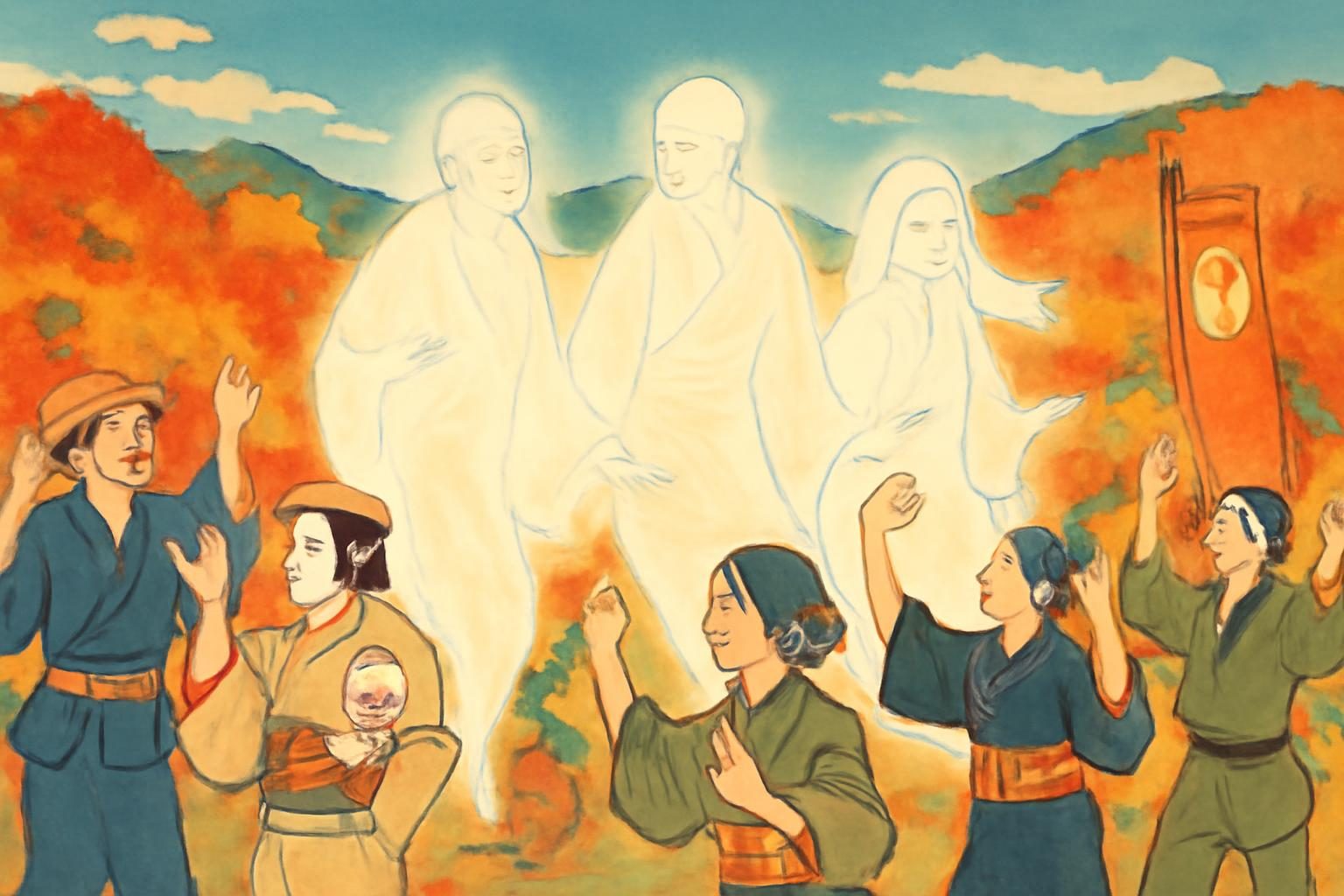
    Spirits in an ethereal form lead a Bon dance amidst autumn colors in a Tokushima landscape.
    AI生成イメージ / AI-generated illustration (not a photograph of the actual place)

    What Is Tsuda no Boni-Odori?

    FACT: A Traditional Bon Dance

    The Tsuda no Boni-odori is a traditional Bon dance performed in the Tsuda district of Tokushima City. This dance is part of the Bon Festival, a Buddhist event for commemorating one’s ancestors. Participants in the dance wear traditional attire and perform to the rhythm of folk songs, creating an atmosphere of reverence and celebration. The Bon Festival itself is a time when families come together to honor the spirits of their ancestors, believing that these spirits return to the world of the living during this period.

    This dance is not just a performance but a communal ritual that involves the entire community. The participants, often dressed in yukata, a casual summer kimono, engage in synchronized movements that symbolize the unity and continuity of the community. The music, with its rhythmic beats and haunting melodies, serves as a bridge connecting the past with the present, allowing dancers and spectators alike to feel the presence of their ancestors.

    LEGEND: The Origins of Tsuda no Boni-Odori

    According to local tradition, the Tsuda no Boni-odori has been performed for generations as a way to connect with the spirits of ancestors. It is said that the dance originated as a means to guide these spirits back to the other world, ensuring their peace and the prosperity of the living community. The legend emphasizes the dance’s role in maintaining harmony between the living and the spiritual realms, highlighting the cultural significance of the event in fostering community bonds and spiritual well-being.

    Over time, the practice evolved into a more structured event, with specific songs and dances being passed down through generations. The legend continues to be a source of pride for the community, as it reflects the deep respect and reverence for ancestors that is a hallmark of Japanese culture.

    The History and Revival of the Tsuda District Dance

    FACT: Historical Context and Modern Revival

    The Tsuda no Boni-odori has a long history, with roots that can be traced back to the Edo period. During this time, Bon dances were widespread across Japan, serving as both a religious observance and a community gathering. Over time, the dance fell into decline but has seen a revival in recent years, thanks to local efforts to preserve this cultural heritage. Community groups and cultural organizations have played a pivotal role in revitalizing the dance, ensuring that it remains a celebrated part of Tokushima’s cultural calendar, attracting both locals and tourists.

    This revival has been marked by a renewed interest in traditional arts and a desire to preserve local customs in the face of modernization. Festivals, workshops, and educational programs have been organized to teach younger generations about the significance of the dance and its role in the community. These efforts have not only brought the dance back to life but have also strengthened community ties and fostered a sense of identity and continuity among the residents of Tokushima.

    阿波おどり会館 (34947062726) - Awa Dance Memorial Hall, Benches with roofs in Japan
    “阿波おどり会館 (34947062726)” (Awa Dance Memorial Hall, Benches with roofs in Japan) by Wei-Te Wong from Taipei City, Taiwan, Republic of China, CC BY-SA 2.0, source, via Wikimedia Commons

    Unique Characteristics of the Dance and Music

    FACT: Distinctive Features

    The Tsuda no Boni-odori is characterized by its unique choreography and musical accompaniment. Dancers move in a circular formation, often holding fans or lanterns, while the music features traditional instruments like the shamisen and taiko drums. The circular movement is symbolic, representing the cyclical nature of life and the connection between past, present, and future generations. The songs sung during the dance are distinct to the Tsuda district, setting it apart from other Bon dances in Japan. These songs are passed down through generations, preserving the unique cultural identity of the region.

    The use of fans and lanterns adds a visual element to the performance, with the gentle swaying and rhythmic movements creating a mesmerizing spectacle. The shamisen, a three-stringed instrument, provides a melodic backdrop, while the deep, resonant beats of the taiko drums echo the heartbeat of the community. This combination of music and movement creates an immersive experience that captivates both participants and spectators, drawing them into the spiritual and cultural essence of the festival.

    The Procession: Ebisu Masks, Banners, and Baby Dolls

    FACT: Elements of the Procession

    One of the most striking aspects of the Tsuda no Boni-odori is the procession that accompanies the dance. The leader of the procession wears an Ebisu mask and carries a banner reading “Tsuda no Boni-odori,” followed by children’s, men’s and women’s dances and the Komochi-gumi (“mothers’ group”), whose women dance with baby dolls on their backs—originally the group was made up of women with real children. Ebisu, a deity of prosperity and wealth, is a fitting symbol for the festival, representing the community’s hopes for abundance and good fortune. According to the Tokushima Prefectural Museum, the Komochi-gumi plays the central role at the end of the evening, when the women call out to the sea for husbands and fathers lost at sea (source).

    The use of Ebisu masks adds a playful yet meaningful dimension to the festival, as Ebisu is also considered a god of fishermen and merchants, symbolizing the community’s connection to trade and the sea. The dolls carried by the Komochi-gumi stand in for the children of families who lost a husband or father at sea; Tsuda has long lived by fishing and shipping, and many were lost in accidents, including in the sailing-ship era up to the end of the Meiji period. This procession is not only a visual spectacle but also a deeply symbolic act that reinforces the community’s collective aspirations and cultural values.

    ヘンロ小屋 眉山 阿波おどり会館前 Oct 27, 2024 - Awa Dance Memorial Hall, Huts in Japan
    “ヘンロ小屋 眉山 阿波おどり会館前 Oct 27, 2024” (Awa Dance Memorial Hall, Huts in Japan) by mrpbps, CC BY 2.0, source, via Wikimedia Commons

    Shoro-Nagashi: Sending Off Ancestral Spirits at Tsuda Port

    FACT: The Ritual of Shōrō-Nagashi

    A significant part of the Tsuda no Boni-odori is the shōrō-nagashi held at Tsuda Port after the procession. A fire is lit facing the sea and offerings are set before it; a woman of the Komochi-gumi places a straw doll in front of the fire and cries out to the sea, “Otō, montekoi yo” (“Father, come back!”), and the whole group repeats the call before breaking into a circle dance. The straw dolls represent the dead. After the dance, the Komochi-gumi line up along the quay and set the straw dolls into the sea, scatter salt for purification and chant a sutra together; everyone then steps over a line of salt and goes home without looking back (source; source).

    The museum describes the ritual as a kind of soul-calling for husbands and relatives who died in accidents while fishing or sailing: the spirits of the dead are first called back, living and dead dance together, and then the dead are sent off again on the straw dolls (source).

    When and Where to Experience Tsuda no Boni-Odori

    FACT: Event Details

    The Tsuda no Boni-odori is held annually during the Bon Festival, which typically takes place in mid-August. The event is centered in the Tsuda district of Tokushima City, offering a unique opportunity for visitors to immerse themselves in this traditional cultural experience. The festival is a vibrant display of local culture, where visitors can witness the intricate dance performances, listen to the hauntingly beautiful folk songs, and participate in the communal spirit of the event. Check the official website for current hours, fees, and access details.

    Visitors to the festival can expect a warm welcome from the local community, who are eager to share their traditions and stories. The event provides a rare glimpse into the cultural heart of Tokushima, where the past and present converge in a celebration of life, heritage, and spirituality. Whether you are a first-time visitor or a returning guest, the Tsuda no Boni-odori promises an unforgettable experience that resonates with the timeless rhythms of Japanese culture.

    Nearby Guide

    Access

    • Tsuda Port (Tsuda district, Tokushima City) — The dance procession tours the Tsuda district of Tokushima City and ends at Tsuda Port, where the shōrō-nagashi is held (around August 15, from evening into the night). details

    Nearby sights

    • Awa Odori Kaikan (Tokushima City) — An interactive museum dedicated to the Awa Odori Festival, offering exhibits, live performances, and dance lessons. It’s a great place to learn about Tokushima’s famous dance culture. official site

    Where to eat

    • Tokushima Ramen (Tokushima City) — A local specialty featuring a rich, dark pork-bone and soy broth topped with sweet-simmered pork and often a raw egg. Many local restaurants serve this dish. official site
    Locator map of Japan: Tokushima, Tokushima
    Legend site: Tokushima, Tokushima — Source: Map of Japan with highlight on 36 Tokushima prefecture.svg; Map: Lincun, CC BY-SA 3.0, via Wikimedia Commons

    Sources

    About the author

    JAPAN ESSENCE Editorial Team
    Our mission is to bring you Japan’s legends, myths, festivals and living traditions, through both historical fact and the stories passed down over generations.

  • Winter on the Shikoku 88 Temple Pilgrimage: What to Expect

    Winter on the Shikoku 88 Temple Pilgrimage: What to Expect

    The Shikoku 88 Temple Pilgrimage, which many pilgrims begin at Temple 1, Ryozenji in Naruto, Tokushima Prefecture (the traditional starting point for visiting the temples in numbered order, though starting there is not mandatory), offers a unique and serene experience during the winter months. With mild coastal weather, solitary trails, and the heartwarming tradition of Osettai, winter pilgrims can find both challenges and rewards on this spiritual journey.

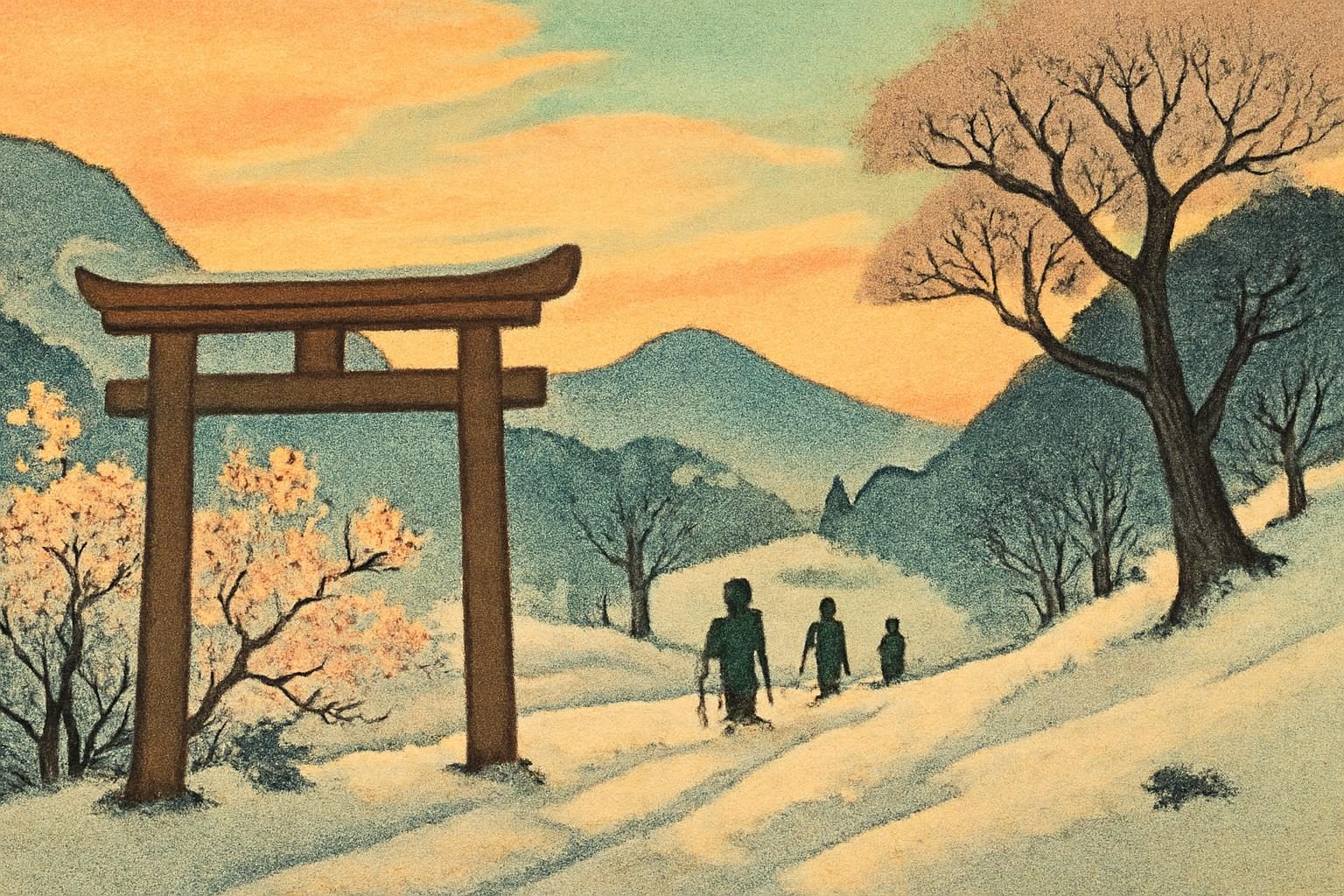
    Pilgrims on a snowy path with a luminous sky, torii gate, and distant hills in ukiyo-e style.
    AI生成イメージ / AI-generated illustration (not a photograph of the actual place)

    Introduction to Winter on the Shikoku 88 Temple Pilgrimage

    FACT: What the records say

    In winter, the coastal areas of Shikoku, including Tokushima, experience mild temperatures, with highs ranging from 8 to 12°C and lows from 2 to 4°C. However, the mountain passes can be treacherous, often holding snow and ice, which can make the pilgrimage challenging for those unprepared for the cold and slippery conditions. This climatic duality requires pilgrims to be both physically and mentally prepared as they embark on their spiritual journey.

    Winter Weather: Mild Coastal Routes vs. Icy Mountain Passes

    FACT: Navigating the elements

    While the coastal routes of the pilgrimage are relatively mild, the mountain passes present a stark contrast. These areas can be covered in snow and ice, requiring pilgrims to be cautious and well-prepared for the conditions. The contrast between the mild coast and the harsh mountains adds a layer of complexity to the pilgrimage during winter. Pilgrims must equip themselves with appropriate clothing and gear to navigate these challenging terrains safely.

    FACT: Preparing for the journey

    Preparation is key for those undertaking the pilgrimage in winter. Pilgrims are advised to check weather forecasts regularly and plan their routes accordingly. The unpredictable nature of mountain weather means that conditions can change rapidly, and being caught unprepared can pose significant risks. Ensuring that one is equipped with warm clothing, sturdy footwear, and perhaps even crampons for icy paths can make a significant difference in the safety and enjoyment of the pilgrimage.

    Jōraku-ji, Main Hall 01 - Main Hall, Jōraku-ji (Tokushima)
    “Jōraku-ji, Main Hall 01” (Main Hall, Jōraku-ji (Tokushima)) by Naokijp, CC BY-SA 4.0, source, via Wikimedia Commons

    Shorter Days and Temple Hours: Managing Winter Daylight

    FACT: Time constraints on the pilgrimage

    Winter days on the Shikoku Pilgrimage are notably short, with daylight lasting less than ten hours. This limited daylight requires careful planning, as nokyo (stamp) offices at the temples close by 17:00. Pilgrims must manage their time wisely to ensure they can visit the temples and receive their stamps before the offices close. This constraint often necessitates an early start to the day, allowing pilgrims to maximize their daylight hours for travel and temple visits.

    FACT: Planning the route

    Given the early closure of nokyo offices, pilgrims must carefully plan their routes to ensure they can reach their intended destinations within the available daylight. This might mean prioritizing certain temples or adjusting the pace of travel to accommodate the shorter days. Pilgrims often find themselves rising with the sun to make the most of the available light, embracing the quiet and stillness of the early morning as they set out on their journey.

    The Solitude and Peace of Empty Winter Trails

    FACT: A solitary journey

    During winter, the pilgrimage paths often feel deserted, offering a rare opportunity for solitude and reflection. With empty temples and long stretches of trail without other pilgrims, the winter pilgrimage provides a peaceful and introspective experience, allowing pilgrims to connect deeply with the spiritual aspects of the journey. The absence of crowds means that pilgrims can take their time at each temple, engaging in personal reflection and meditation without the usual distractions.

    FACT: Embracing solitude

    The solitude of the winter pilgrimage allows for a deeper connection with the spiritual journey. Pilgrims can engage in uninterrupted contemplation as they walk the quiet paths, finding peace in the silence and simplicity of their surroundings. This solitude can be both a challenge and a gift, offering pilgrims the chance to explore their inner thoughts and emotions in a way that is often not possible in the hustle and bustle of everyday life.

    Jōraku-ji, Main Hall and Taishi-do Hall 01 - Main Hall, Jōraku-ji (Tokushima), Daishi-dō, Jōraku-ji (Tokushima)
    “Jōraku-ji, Main Hall and Taishi-do Hall 01” (Main Hall, Jōraku-ji (Tokushima), Daishi-dō, Jōraku-ji (Tokushima)) by Naokijp, CC BY-SA 4.0, source, via Wikimedia Commons

    The Warmth of Osettai: Local Generosity in the Cold Months

    FACT: The tradition of Osettai

    Osettai, the custom of locals offering food, tea, or small acts of kindness to pilgrims, is especially strong during the winter months. This tradition reflects the deep cultural heritage of Shikoku and the community’s respect and support for those undertaking the pilgrimage. Seeing a pilgrim walking in January often moves locals to offer Osettai, providing warmth and encouragement along the cold journey. This gesture of kindness not only aids the pilgrims physically but also lifts their spirits, reinforcing the sense of community and shared purpose on the pilgrimage.

    FACT: Experiencing Osettai

    For many pilgrims, receiving Osettai is one of the most memorable aspects of the pilgrimage. Whether it is a hot cup of tea offered on a chilly day or a warm meal shared with a local family, these acts of generosity create lasting memories and connections. Pilgrims often express gratitude through small tokens or words of thanks, fostering a mutual appreciation between the travelers and the local community.

    Essential Pilgrimage Customs and Etiquette on the Trail

    FACT: Observing traditions and customs

    While undertaking the pilgrimage, it is important to observe certain customs and etiquette. Pilgrims are encouraged to wear traditional attire, such as the white vest and conical hat, and to carry the staff symbolizing Kūkai, the founder of the pilgrimage. These customs not only honor the spiritual journey but also connect pilgrims to the long history of the Shikoku 88 Temple Pilgrimage. Adhering to these traditions is seen as a mark of respect for the sacred nature of the journey and the cultural heritage of the region.

    FACT: Embracing the pilgrimage spirit

    Embracing the spirit of the pilgrimage means more than just following the physical route; it involves engaging with the customs and traditions that have been passed down through generations. Pilgrims are encouraged to participate in rituals at each temple, such as chanting sutras or lighting incense, to deepen their spiritual experience. By doing so, they join a long line of pilgrims who have walked the same paths, sharing in a timeless journey of faith and discovery.

    Nearby Guide

    Nearby sights

    • Ishiteji Temple (Matsuyama) — Ishiteji Temple, the 51st temple on the Shikoku 88-Temple Pilgrimage, is located near Dogo Onsen in Matsuyama. The temple features important cultural properties, including the National Treasure Niomon Gate, the Main Hall, the Bell Tower, and the Five-Ringed Stupa. Visitors can also explore attraction details.
    Locator map of Japan: Naruto, Tokushima
    Temple 1 (Ryozenji): Naruto, Tokushima — Source: Map of Japan with highlight on 36 Tokushima prefecture.svg; Map: Lincun, CC BY-SA 3.0, via Wikimedia Commons

    Sources

    About the author

    JAPAN ESSENCE Editorial Team
    Our mission is to bring you Japan’s legends, myths, festivals and living traditions, through both historical fact and the stories passed down over generations.

  • Tokyo Autumn Street Food: Must-Try Seasonal Specialties and Festivals

    Tokyo Autumn Street Food: Must-Try Seasonal Specialties and Festivals

    As autumn arrives, Tokyo’s seasonal flavours come to the fore. This article looks at three: roasted sweet potatoes, the story of “Meguro no Sanma” and Tsukishima’s monjayaki.

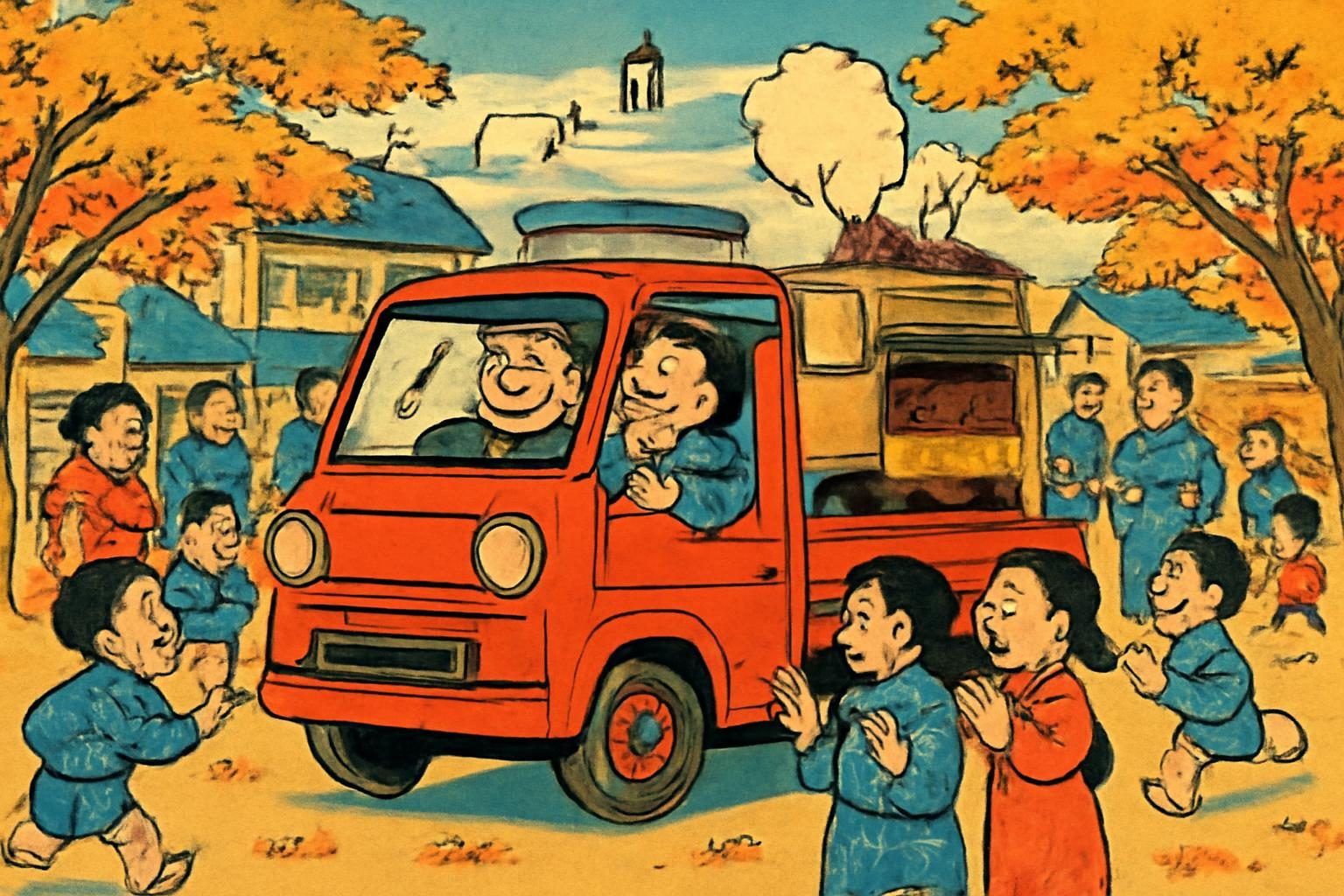
    Ukiyo-e style image of a yaki-imo truck and vendor on a bustling Tokyo street with families.
    AI生成イメージ / AI-generated illustration (not a photograph of the actual place)

    Yaki-Imo: Roasted Sweet Potatoes

    Yaki-imo (roasted sweet potatoes) are a familiar cold-season snack in Tokyo. They are often sold from vendors’ trucks fitted with stone ovens, as well as in shops.

    Tsukishima monja street - Tsukishima, Tokyo, Streets in Chuo, Tokyo
    “Tsukishima monja street” (Tsukishima, Tokyo, Streets in Chuo, Tokyo) by User:Kentin, CC BY-SA 3.0, source, via Wikimedia Commons

    “Meguro no Sanma”: The Lord Who Loved Saury

    FACT: A rakugo story

    Meguro City explains that the link between Meguro (a district with no coastline) and sanma (Pacific saury) comes from the rakugo comic story “Meguro no Sanma.”

    LEGEND (言い伝え): The story as Meguro City tells it

    In the Edo period, a shogun came to Meguro for falconry and stopped at a teahouse, where he was served sanma. It was a simple dish, just grilled, but the fatty, in-season fish tasted wonderful to a lord used only to elaborate cuisine. Back at the castle, he could not forget the flavour and ordered sanma to be served. The castle cooks had never served such a common fish to the shogun. To be thoughtful, they removed the oil and bones and steamed it, and the shogun found it not tasty at all. He then said, “Sanma is best in Meguro” (さんまは目黒に限る). The city says this story is how “Meguro no Sanma” became famous. It also notes that the teahouse in the story is thought to be the “Jiji ga Chaya” at Chayazaka, which shoguns hunting in Meguro were said to use often.

    Tsukishima Monja Street

    FACT: Monjayaki and moji-yaki

    Monjayaki is a runny-batter dish cooked on a hot griddle at the table. The Tsukishima Monja Promotion Association explains that monjayaki, which developed in Tokyo’s shitamachi from the mid-Meiji era, takes its name from moji-yaki (文字焼き, “letter-grilling”). According to the association, there were only four monja shops in Tsukishima in the Shōwa 30s (1955–64). Their number rose sharply from around the start of the Heisei era. By April 1997, 28 shop owners on the roughly 500 m-radius shopping street (known as Monja Street) formed the association’s predecessor. Membership reached 54 shops by June 2019.

    Monjayaki dish from Tsukishima, Tokyo, Japan; January 2013 - Monjayaki, Food heaps
    “Monjayaki dish from Tsukishima, Tokyo, Japan; January 2013” (Monjayaki, Food heaps) by t-mizo from Japan, CC BY 2.0, source, via Wikimedia Commons
    Locator map of Japan: Tokyo, Tokyo
    Legend site: Tokyo, Tokyo — Source: Map of Japan with highlight on 13 Tokyo prefecture.svg; Map: Lincun, CC BY-SA 3.0, via Wikimedia Commons

    Sources

    About the author

    JAPAN ESSENCE Editorial Team
    Our mission is to bring you Japan’s legends, myths, festivals and living traditions, through both historical fact and the stories passed down over generations.

  • The Story and Song of Awa Yoshikono in Tokushima

    The Story and Song of Awa Yoshikono in Tokushima

    The Awa Odori festival in Tokushima, Tokushima Prefecture, is one of Japan’s most famous dance festivals, drawing visitors from all around the world. At the heart of this vibrant celebration is the traditional folk song “Awa Yoshikono,” a tune that has become synonymous with the lively and exuberant dance performances that define the event.

    Awa Odori in Tokushima, Japan [2008].
    “Awa-odori 2008 Tokushima” by Rosino, CC BY-SA 2.0, via Wikimedia Commons

    Introduction to Awa Odori and Its Musical Heart

    FACT: The Awa Odori Festival

    The Awa Odori festival is held annually in Tokushima City, transforming the city into a stage for one of Japan’s largest dance festivals. The event takes place every August, coinciding with the Obon festival, a time when spirits of ancestors are believed to return to the world of the living. During Awa Odori, dancers, known as “ren,” parade through the streets, performing to the rhythmic sounds of traditional instruments and the iconic “Awa Yoshikono” song.

    These dancers, dressed in vibrant costumes, move to the beat of taiko drums, shamisen, and flutes, creating a mesmerizing spectacle. The festival’s atmosphere is electric, with participants and onlookers alike caught up in the joyous celebration. Each ren group brings its own style and flair to the performance, contributing to the festival’s dynamic and diverse nature. The dancers’ synchronized movements and the colorful attire add to the visual feast, making it a captivating experience for spectators.

    The festival is not just a visual and auditory delight but also a cultural gathering that showcases the rich traditions of Tokushima. The streets come alive with the sounds of laughter and music, creating a sense of community and shared joy. The Awa Odori festival is a testament to the enduring appeal of traditional Japanese arts and the ability of cultural events to bring people together.

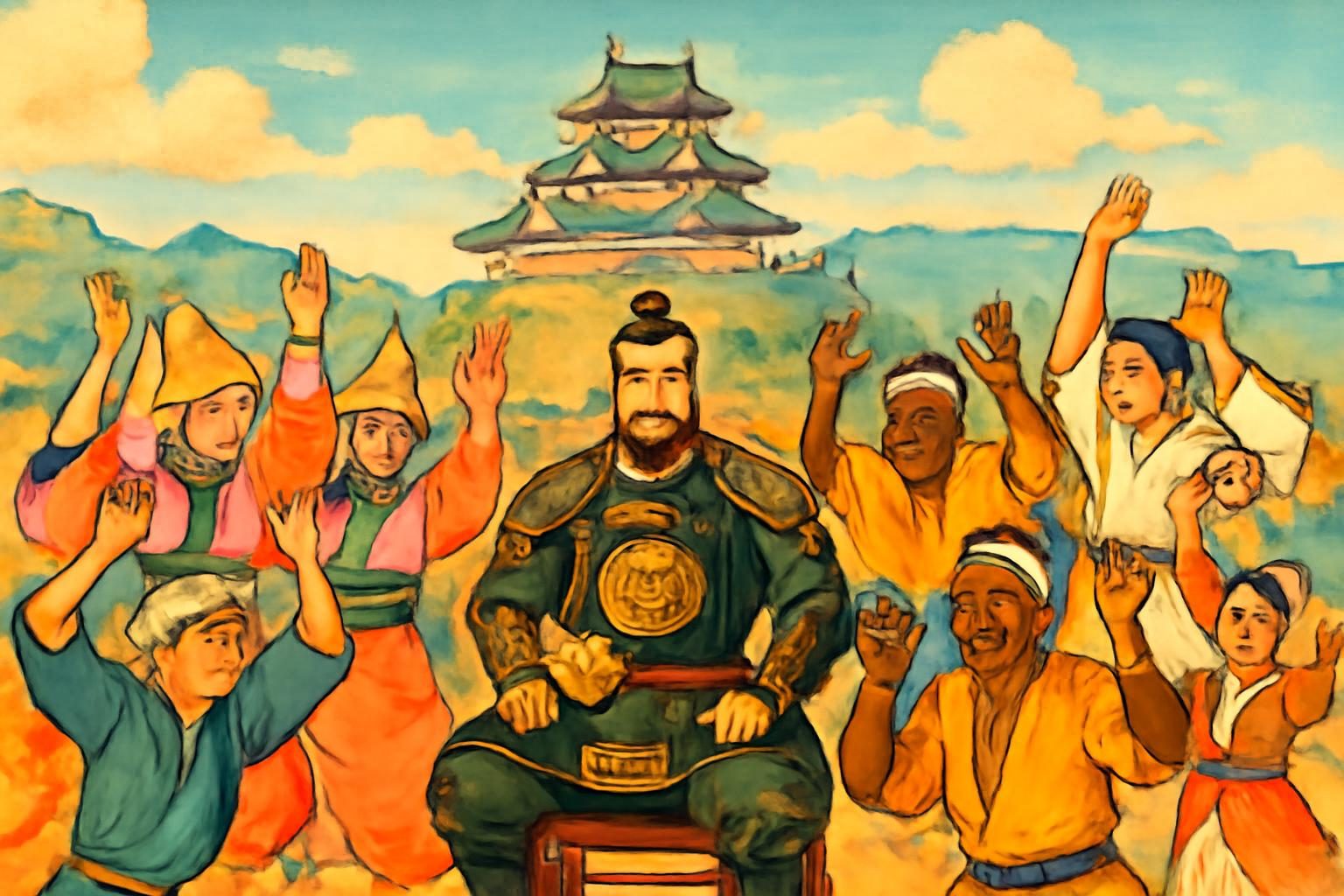
    Lord Hachisuka Iemasa leading spontaneous dances for Tokushima Castle celebration in vivid colors.
    AI生成イメージ / AI-generated illustration (not a photograph of the actual place)

    What Is Awa Yoshikono? Tracing the Roots of the Song

    FACT: Origins of Awa Yoshikono

    “Awa Yoshikono” is a localized version of the Yoshikono Bushi, a folk song that has been part of Japan’s cultural fabric for centuries. The song’s adaptation in Tokushima is believed to have evolved alongside the Awa Odori festival, becoming an integral part of the dance’s musical accompaniment. The song’s catchy melody and repetitive lyrics make it ideal for the lively and continuous dance style of Awa Odori.

    The lyrics of “Awa Yoshikono” are simple yet evocative, often reflecting themes of joy, celebration, and the fleeting nature of life. This simplicity allows dancers to focus on the rhythm and movement, creating a seamless blend of music and dance that captivates audiences. The song’s enduring popularity is a testament to its ability to resonate with people across generations, embodying the spirit of the festival and the cultural identity of Tokushima.

    The song’s role in the festival is not just to provide a musical backdrop but also to enhance the emotional connection between performers and spectators. The repetitive nature of the lyrics allows for easy participation, encouraging both locals and visitors to join in the singing and dancing, thus becoming part of the living tradition.

    Awa Odori Tokushima City so-odori - Awa Odori
    “Awa Odori Tokushima City so-odori” (Awa Odori) by KQuhen, CC BY-SA 4.0, source, via Wikimedia Commons

    From Edo-Period Origins to Local Tradition

    FACT: Historical Context

    The roots of Awa Odori can be traced back to the Edo period, a time when various forms of dance and music flourished across Japan. The festival’s origins are often linked to the Bon Odori, a dance performed during the Obon festival. Over time, Awa Odori developed its unique style, characterized by its energetic movements and the distinctive sound of “Awa Yoshikono.”

    During the Edo period, Tokushima was a bustling hub of cultural exchange, and the Awa Odori festival became a reflection of this vibrant atmosphere. The festival’s evolution was influenced by the social and cultural dynamics of the time, with local traditions and external influences merging to create a distinct cultural expression. The Edo period’s emphasis on arts and culture provided a fertile ground for the development of festivals like Awa Odori, which have continued to thrive and evolve over the centuries.

    As the festival grew in popularity, it became a symbol of Tokushima’s cultural identity, embodying the region’s history and traditions. The festival’s ability to adapt to changing times while retaining its core elements is a testament to its resilience and the enduring appeal of traditional Japanese culture.

    The Legend of Lord Hachisuka Iemasa and the First Dance

    LEGEND: The Story of the First Dance

    According to local legend, the origins of Awa Odori are linked to Lord Hachisuka Iemasa, the first daimyo of the Tokushima Domain. It is said that to celebrate the completion of Tokushima Castle, Lord Hachisuka hosted a grand party, inviting people from all walks of life. As the sake flowed, the guests began to dance spontaneously, giving birth to what would become the Awa Odori festival. This story, though not historically verified, remains a cherished part of Tokushima’s cultural narrative.

    This legend highlights the inclusive and spontaneous nature of Awa Odori, where people from diverse backgrounds come together in a shared celebration. The story of Lord Hachisuka’s party captures the spirit of community and joy that continues to define the festival today. The legend serves as a reminder of the festival’s origins in communal celebration and the power of dance and music to unite people across social and cultural divides.

    While the historical accuracy of the legend is debated, it remains an integral part of the festival’s lore, adding a layer of mystique and charm to the event. The tale of Lord Hachisuka’s impromptu celebration is often recounted during the festival, reinforcing the sense of tradition and continuity that permeates the event.

    Awa Odori Tokushima City so-odori 02 - Awa Odori
    “Awa Odori Tokushima City so-odori 02” (Awa Odori) by KQuhen, CC BY-SA 4.0, source, via Wikimedia Commons

    Historical Edicts and the Survival of the Festival

    FACT: Edicts and Regulations

    Throughout its history, Awa Odori has faced various challenges, including attempts by authorities to regulate the festival. During the Edo period, the Tokushima Domain issued edicts to control the festival’s size and duration, reflecting concerns over public order and morality. Despite these restrictions, Awa Odori persisted, adapting to changing times and continuing to thrive as a symbol of local identity and cultural heritage.

    These historical edicts highlight the tension between cultural expression and social control, a dynamic that has shaped the festival’s evolution. The resilience of Awa Odori in the face of such challenges is a testament to its deep roots in Tokushima’s cultural landscape and the enduring spirit of its people. The festival’s ability to withstand regulatory pressures and maintain its core traditions speaks to the importance of cultural events in preserving regional identity and fostering community pride.

    The festival’s survival through periods of regulation and change underscores the commitment of the people of Tokushima to preserve their cultural heritage. This dedication has ensured that Awa Odori remains a vibrant and essential part of the region’s cultural life, attracting visitors from around the world to experience its unique blend of tradition and festivity.

    Experiencing Awa Yoshikono Live in Tokushima Today

    FACT: Modern Celebrations

    Today, the Awa Odori festival is a major attraction in Tokushima, drawing hundreds of thousands of visitors each year. The festival showcases the vibrant culture of Tokushima, with “Awa Yoshikono” providing the musical backdrop for the lively dance performances. Visitors to the festival can experience the infectious energy of the dance and music firsthand, making it a must-see event for anyone interested in Japanese culture.

    Attendees can wander through the bustling streets of Tokushima City, where the festival’s energy is palpable. The sound of “Awa Yoshikono” echoes through the air, inviting both locals and tourists to join in the celebration. The festival not only offers a glimpse into Tokushima’s rich cultural heritage but also provides an opportunity for visitors to participate in a living tradition. The immersive experience of Awa Odori allows participants to connect with the cultural roots of the region and appreciate the enduring appeal of traditional Japanese arts.

    For those planning to visit, it is advisable to check the official website for current hours, fees, and access details, as these can vary. The festival’s open and welcoming atmosphere ensures that everyone can enjoy the festivities, whether as a spectator or a participant, making it a truly inclusive cultural event.

    Locator map of Japan: Tokushima, Tokushima
    Legend site: Tokushima, Tokushima — Source: Map of Japan with highlight on 36 Tokushima prefecture.svg; Map: Lincun, CC BY-SA 3.0, via Wikimedia Commons

    Sources

    About the author

    JAPAN ESSENCE Editorial Team
    Our mission is to bring you Japan’s legends, myths, festivals and living traditions, through both historical fact and the stories passed down over generations.

  • Izumo Taisha Kamiari Festival: A Sacred Gathering in Shimane

    Izumo Taisha Kamiari Festival: A Sacred Gathering in Shimane

    Every year, during the lunar tenth month, Izumo Taisha in Izumo, Shimane Prefecture, becomes the focal point of a sacred gathering known as the Kamiari Festival. This event, deeply rooted in Japanese mythology, sees the assembly of deities from across Japan, making it a time of reverence and celebration.

    Izumo Taisha, Shimane. 出雲大社
    “Izumo-taisha 121538651 f69f257ed0 o” by Blue Lotus, CC BY 2.0, via Wikimedia Commons

    What Is Kamiarizuki? The Month the Gods Gather in Izumo

    FACT: The Significance of Kamiarizuki

    Kamiarizuki, meaning “the month with gods,” is a unique period in the Japanese lunar calendar when it is believed that all deities gather at Izumo Taisha. While the rest of Japan refers to this month as Kannazuki, “the month without gods,” Izumo is considered to be the exception, hosting this divine congregation. Izumo Taisha, one of Japan’s most revered shrines, plays a central role in this tradition. The belief in the gathering of deities at Izumo Taisha underscores the shrine’s importance in Shinto spirituality and marks it as a pivotal site for worship and pilgrimage.

    This gathering is not just a spiritual event but also a cultural phenomenon, drawing pilgrims and tourists alike to witness and participate in the rituals. The influx of visitors during this time transforms Izumo into a vibrant hub of activity, where ancient traditions are observed with great solemnity and joy. The month is filled with various ceremonies and events that highlight the rich tapestry of Shinto beliefs, offering a glimpse into the spiritual life of Japan.

    LEGEND: The Mythical Gathering

    According to local legend, during Kamiarizuki, the deities convene at Izumo Taisha to discuss the fates of people and the world. This belief is deeply ingrained in the cultural fabric of Izumo, and the shrine becomes a place of pilgrimage for those wishing to pay their respects and seek blessings. The legend speaks to the spiritual significance of the shrine and the perceived power of the deities to influence human destinies, making it a compelling time for reflection and prayer.

    One account of the legend suggests that the deities gather to deliberate over the year’s events and decide on the fortunes of the people for the coming year. This gathering is seen as a divine council, where matters of great importance are discussed. The atmosphere in Izumo during this time is one of anticipation and hope, as people offer prayers and seek guidance for their personal and communal lives. The legend continues to be a source of inspiration and reverence, illustrating the profound connection between the people of Izumo and their spiritual heritage.

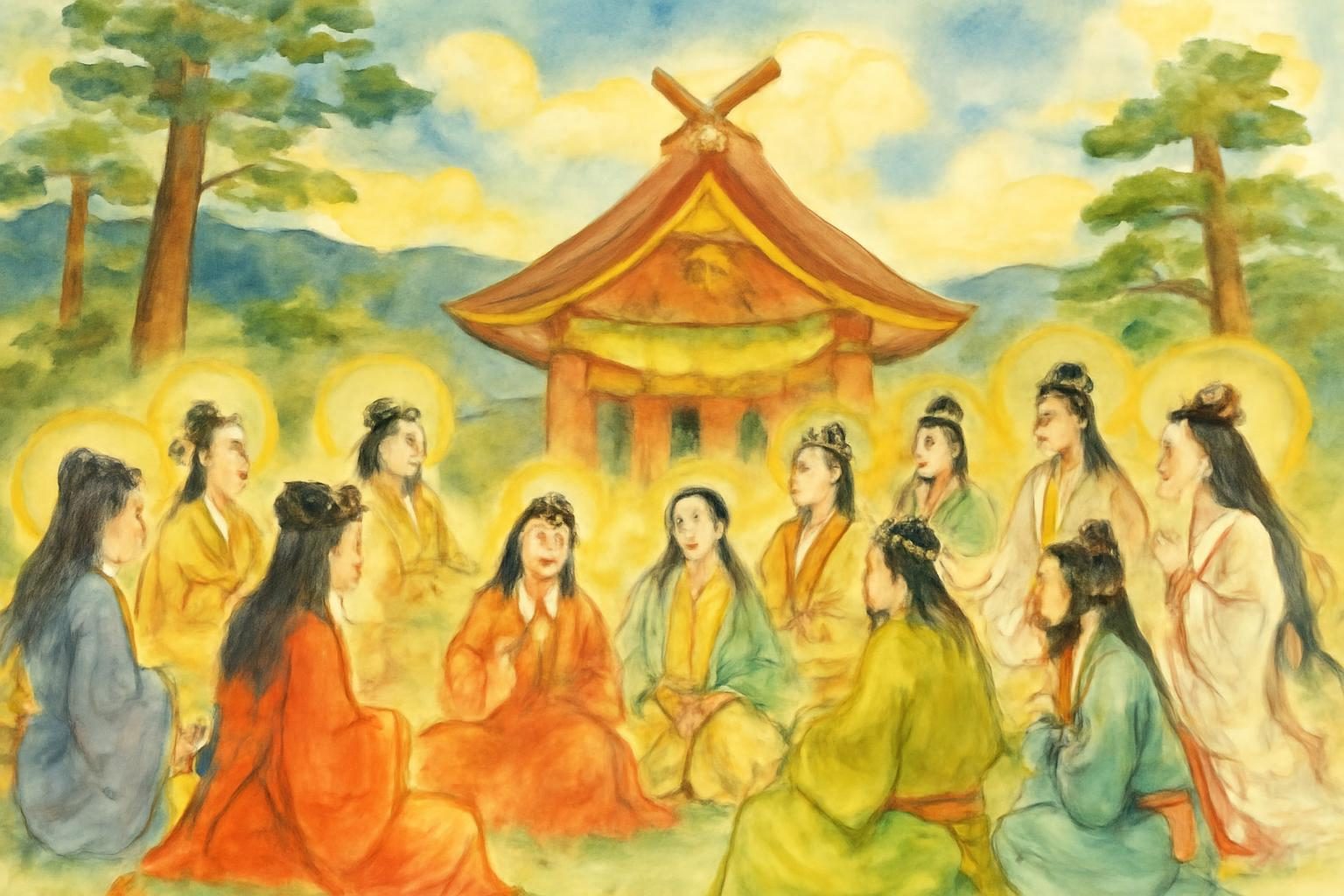
    Deities in vibrant robes gather in Izumo Taisha's lush landscape during Kamiarizuki.
    AI生成イメージ / AI-generated illustration (not a photograph of the actual place)

    The Arrival at Inasa Beach: Welcoming the Deities

    FACT: Rituals at Inasa Beach

    Inasa Beach, located near Izumo Taisha, is the traditional landing spot for the deities arriving for the Kamiari Festival. A ceremonial welcome is held here, where priests and worshippers gather to greet the divine visitors with prayers and offerings. This ritual marks the beginning of the festival and is a significant event for locals and visitors alike. The beach itself becomes a sacred space, transformed by the presence of the deities and the community’s collective reverence.

    The welcoming ceremony at Inasa Beach is a visually striking event, with participants dressed in traditional attire, performing age-old rituals that have been passed down through generations. The sound of waves mingles with the chants of prayers, creating an atmosphere of serene solemnity. This ritual not only signifies the arrival of the deities but also serves as a reminder of the deep-seated traditions that continue to thrive in Izumo, connecting the past with the present.

    Izumo Taisha gardens - Izumo Taisha
    “Izumo Taisha gardens” (Izumo Taisha) by Immanuelle, CC BY 4.0, source, via Wikimedia Commons

    Quiet Reverence: Inside Izumo Taisha During the Festival

    FACT: Unique Worship Practices

    Worship at Izumo Taisha is distinct from other shrines in Japan. The customary practice involves two bows, four claps, and one bow, differing from the typical two bows and two claps. This unique pattern is part of the shrine’s rich tradition and is observed by the multitude of visitors who come during Kamiarizuki. The additional claps are said to invite the attention of the deities more emphatically, emphasizing the special connection between the shrine and the divine assembly.

    This practice reflects the deep respect and reverence the worshippers have for the deities. The sound of the claps resonates through the shrine, creating an echo that symbolizes the call to the divine. Visitors are often guided by shrine staff or locals to ensure they perform the ritual correctly, allowing them to fully partake in the spiritual experience. This distinctive worship etiquette is a testament to the unique identity of Izumo Taisha within the Shinto tradition.

    Sacred Architecture: The Massive Shimenawa of Kaguraden

    FACT: The Iconic Shimenawa

    Izumo Taisha is renowned for its massive shimenawa, a sacred straw rope that hangs at the entrance of the Kaguraden hall. This symbol of purification and protection is one of the largest of its kind and is an iconic feature of the shrine. Visitors often photograph this impressive structure as part of their pilgrimage experience. The shimenawa’s size and presence serve as a powerful reminder of the spiritual weight the shrine carries, marking the boundary between the sacred and the mundane.

    The crafting of the shimenawa involves the skilled hands of local artisans, who imbue it with spiritual significance. As visitors pass beneath it, they are reminded of the protective barrier it represents, safeguarding the shrine from negative influences. The shimenawa is not only a visual marvel but also a tactile connection to the divine, inviting all who enter to reflect on the sanctity of the space they are about to enter.

    Haiden of Izumo-taisha-1 - Haiden of Izumo Taisha
    “Haiden of Izumo-taisha-1” (Haiden of Izumo Taisha) by Saigen Jiro, CC0, source, via Wikimedia Commons

    Unique Customs: Sand Exchange and Izumo Worship Etiquette

    FACT: The Sand Exchange Ritual

    During the Kamiari Festival, a unique custom involves the exchange of sand between Izumo Taisha and other shrines across Japan. This ritual symbolizes the connection and unity among the deities and the places they represent. It is a gesture of goodwill and spiritual solidarity, reinforcing the idea that despite the physical distances, the spiritual realm remains interconnected. This exchange serves as a reminder of the shared cultural and spiritual heritage that binds different regions of Japan together.

    The sand exchange is a subtle yet profound act, representing the flow of spiritual energy between the shrines. It is a tradition that underscores the harmony and cooperation among the deities, reflecting the broader theme of unity that characterizes the Kamiari Festival. Participants in the ritual often feel a sense of belonging and connection to the larger spiritual community, transcending geographical boundaries.

    Pilgrim Flavors: Enjoying Izumo Soba and Red-Bean Zenzai

    FACT: Local Culinary Delights

    Visitors to Izumo during Kamiarizuki can indulge in local specialties such as Izumo soba, served in the distinctive warigo style, and red-bean zenzai, a sweet treat linked to the kamiari-mochi tradition. These dishes are not only culinary delights but also part of the cultural experience of the festival. Izumo soba, known for its robust flavor and served in a tiered box, offers a unique dining experience, while zenzai, with its sweet and comforting taste, connects visitors to the historical and spiritual roots of the region.

    The culinary offerings during Kamiarizuki are a reflection of the region’s rich cultural heritage. Izumo soba, with its earthy taste and traditional presentation, provides a taste of the local landscape and its agricultural bounty. Meanwhile, zenzai, believed to have originated from kamiari-mochi, is a dessert that carries with it the warmth of tradition, offering both nourishment and a connection to the past. These dishes are savored by locals and visitors alike, adding a flavorful dimension to the spiritual journey.

    Locator map of Japan: Izumo, Shimane
    Legend site: Izumo, Shimane — Source: Map of Japan with highlight on 32 Shimane prefecture.svg; Map: Lincun, CC BY-SA 3.0, via Wikimedia Commons

    Regional guide

    Location: Izumo, Shimane Prefecture

    • Izumo soba (warigo style) (Izumo) — source
    • Red‑bean zenzai (kamiari‑mochi origin) (Izumo) — source

    Sources & Further Reading

    About the author

    JAPAN ESSENCE Editorial Team
    Our mission is to bring you Japan’s legends, myths, festivals and living traditions, through both historical fact and the stories passed down over generations.

  • Kyoto-Style Tsukimi Dango: A Guide to Autumn Moon-Viewing Sweets

    Kyoto-Style Tsukimi Dango: A Guide to Autumn Moon-Viewing Sweets

    In Kyoto, the tradition of tsukimi, or moon-viewing, is a cherished cultural event that brings together history, poetry, and sweets. This autumn celebration is deeply rooted in the Heian period, offering a glimpse into the past through the unique Kyoto-style tsukimi dango.

    Heian-era aristocrats on boats under a moonlit sky, with lantern reflections on a river, evoking Tsukimi traditions.
    AI生成イメージ / AI-generated illustration (not a photograph of the actual place)

    What is Tsukimi? The Heian Roots of Japan’s Autumn Moon-Viewing

    FACT: The origins of Tsukimi

    Tsukimi, the Japanese tradition of moon-viewing parties during autumn, originated in the Heian period among aristocrats who were influenced by the Chinese Mid-Autumn Festival. These gatherings were a sophisticated blend of cultural exchange and artistic expression. Aristocrats would gather to recite poetry under the full moon, display pampas grass, and offer seasonal produce such as dango, taro, and chestnuts. This practice highlights the historical ties between Japan and China, showcasing how these influences shaped Japanese traditions, particularly in Kyoto, where the Heian court was based.

    The Heian period, known for its cultural refinement and artistic achievements, provided a fertile ground for such traditions to flourish. The moon-viewing parties were not merely social gatherings but also an opportunity for the aristocrats to engage in intellectual pursuits and showcase their poetic talents. The act of offering seasonal produce, including the specially shaped dango, was a way to honor the moon and express gratitude for the harvest, reflecting the deep connection between nature and spirituality in Japanese culture.

    FACT: Heian period moon-viewing parties

    During the Heian period, aristocrats in Kyoto enjoyed moon-viewing parties on boats. These gatherings were not just about admiring the moon but also involved drinking, reciting poetry, and playing musical instruments to appreciate the moon’s reflection on water. The serene setting of the moonlit water provided a perfect backdrop for these intellectual and artistic pursuits, reflecting the aesthetic sensibilities of the time. Such events were a testament to the Heian court’s love for nature and the arts, creating a legacy that continues to influence Japanese culture today.

    The choice of boats as a venue added an element of exclusivity and intimacy to the gatherings, allowing participants to be surrounded by the tranquil beauty of nature. The gentle rocking of the boat, the sound of water lapping against the sides, and the shimmering reflection of the moon created an immersive experience that heightened the senses and inspired creativity. This tradition of moon-viewing on water has endured through the centuries, symbolizing the harmonious relationship between humans and the natural world.

    Why Kyoto-Style Tsukimi Dango Look Different: The Taro Connection

    FACT: The unique shape of Kyoto tsukimi dango

    In Kyoto, tsukimi dango are traditionally oval or drop-shaped, resembling satoimo (taro), and are wrapped with red bean paste. This style is distinct from the spherical dango commonly found in eastern Japan. The taro-shape of Kyoto tsukimi dango originates from early agricultural customs where freshly harvested taro were offered to the moon, predating the dumpling form. This connection to agriculture underscores the importance of the harvest season in Japanese culture. The oval shape is not only a tribute to the agricultural roots but also a celebration of the harvest and the changing seasons, which are central themes in Japanese festivals and rituals.

    These dango are more than just a sweet treat; they are a symbol of Kyoto’s agricultural heritage and a reminder of the region’s historical reliance on taro as a staple crop. The act of shaping the dango to mimic taro roots serves as a nod to the past, preserving the memory of ancient customs and the gratitude for the earth’s bounty. Visitors to Kyoto during the tsukimi season can enjoy these delicacies while reflecting on the rich tapestry of history and tradition that they represent.

    FACT: The significance of red bean paste

    Red bean paste, or anko, is a staple in many Japanese sweets, including Kyoto-style tsukimi dango. The sweet and slightly earthy flavor of red bean paste complements the subtle taste of the dango, making it a beloved combination. Anko is often associated with auspiciousness and is used in various ceremonial foods in Japan. In the context of tsukimi, the use of red bean paste adds a layer of traditional significance, connecting the modern celebration with historical customs.

    Incorporating anko into tsukimi dango not only enhances the flavor profile but also imbues the sweets with symbolic meaning. Anko’s deep red hue is often linked to good fortune and protection, making it a fitting choice for a festival that celebrates the moon’s beauty and the abundance of the harvest. For those partaking in tsukimi festivities, enjoying dango wrapped in anko can be a moment of reflection and appreciation for the cultural heritage that has been passed down through generations.

    Kyoto Daikakuji Temple 大覚寺 @ 嵯峨菊や ゆかりの寺に 迎えゐし - panoramio - Daikaku-ji, Photos from Panoramio
    “Kyoto Daikakuji Temple 大覚寺 @ 嵯峨菊や ゆかりの寺に 迎えゐし – panoramio” (Daikaku-ji, Photos from Panoramio) by Yoshio Kohara, CC BY 3.0, source, via Wikimedia Commons

    Traditional Autumn Wagashi and Kyoto’s Historic Confectioners

    FACT: Sasaya Iori’s contribution to Kyoto’s sweet traditions

    Sasaya Iori, a renowned confectioner in Kyoto, was founded in 1716 and has long supplied sweets to the Old Imperial Palace, Buddhist temples, Shinto shrines, and tea-ceremony schools. They produce seasonal autumn wagashi, including tsukimi dango, maintaining a tradition that honors the past while delighting modern palates. The craftsmanship and dedication to tradition at Sasaya Iori reflect the enduring appeal of Kyoto’s confectionery arts. Their sweets are not only a treat for the taste buds but also a cultural artifact, preserving the flavors and techniques of the past for future generations.

    Visitors to Kyoto can experience a taste of history by sampling the exquisite creations of Sasaya Iori. The confectioner’s commitment to using high-quality ingredients and traditional methods ensures that each piece of wagashi is a work of art, embodying the essence of Kyoto’s culinary heritage. By indulging in these sweets, one can partake in a centuries-old tradition that celebrates the beauty of the changing seasons and the artistry of Japanese confectionery.

    Reliving Heian-Era Court Life: Moon-Viewing Boat Events in Kyoto

    FACT: Daikaku-ji Temple’s moon-viewing tradition

    Daikaku-ji Temple in Sagano, Kyoto City, holds an annual moon-viewing party known as Kangetsu-no-yube. During this event, guests enjoy the moon view from boats on Osawa-no-ike Pond, continuing Heian-era traditions. This event allows participants to experience a slice of history, connecting them to the cultural practices of ancient Kyoto aristocrats. The tranquil setting of the temple and the pond creates an atmosphere of reflection and beauty, mirroring the experiences of the Heian court.

    Attending the Kangetsu-no-yube at Daikaku-ji Temple offers a unique opportunity to step back in time and immerse oneself in the elegance of a bygone era. The serene environment, coupled with the gentle glow of the moon, provides an ideal setting for contemplation and appreciation of the natural world. This event not only preserves the cultural legacy of the Heian period but also fosters a sense of continuity and connection to the past, allowing modern participants to engage with history in a meaningful way.

    LEGEND: The evolution of Tsukimi traditions

    According to legend, the Heian-period aristocrats’ evening gatherings aboard boats to view the moon’s reflection and compose poetry evolved into modern Tsukimi traditions. These stories highlight the continuity and transformation of cultural practices over centuries, illustrating how legends can shape and preserve cultural identities. The legend of tsukimi serves as a bridge between the past and the present, reminding us of the timeless beauty of the moon and the enduring human desire to connect with nature through art and celebration.

    These legends, passed down through generations, provide a narrative framework that enriches the tsukimi experience. They offer insight into the values and aesthetics of the Heian court, emphasizing the importance of harmony with nature and the pursuit of beauty. By participating in tsukimi events today, individuals can feel a sense of belonging to a tradition that transcends time, celebrating the same moon that inspired poets and artists centuries ago.

    大覚寺(Daikaku-ji) - panoramio - Photos from Panoramio, Shinden, Daikaku-ji
    “大覚寺(Daikaku-ji) – panoramio” (Photos from Panoramio, Shinden, Daikaku-ji) by popsaurus, CC BY 3.0, source, via Wikimedia Commons
    Locator map of Japan: Kyoto, Kyoto
    Legend site: Kyoto, Kyoto — Source: Map of Japan with highlight on 26 Kyoto prefecture.svg; Map: Lincun, CC BY-SA 3.0, via Wikimedia Commons

    Regional guide

    Location: Kyoto, Kyoto Prefecture

    • Kyoto‑style Tsukimi Dango (Kyoto) — source
    • Sasaya Iori (Kyoto) — source
    • Daikaku‑ji Temple (Sagano, Kyoto) — source

    Sources & Further Reading

    About the author

    JAPAN ESSENCE Editorial Team
    Our mission is to bring you Japan’s legends, myths, festivals and living traditions, through both historical fact and the stories passed down over generations.

  • Experience the Lake Akan Marimo Festival and Ainu Traditions in Hokkaido

    Experience the Lake Akan Marimo Festival and Ainu Traditions in Hokkaido

    In Hokkaido’s Akan (Kushiro), the Marimo Festival at Lake Akan offers a unique glimpse into the cultural heritage of the Ainu people and their efforts to preserve the marimo algae balls, a natural wonder of the region.

    Lake Akan in Kushiro City, Hokkaido prefecture, Japan
    “Lake Akan Kushiro Hokkaido Japan11n” by 663highland, CC BY 2.5, via Wikimedia Commons

    Introduction to Lake Akan and the Marimo Festival

    FACT: The Origins and Purpose of the Marimo Festival

    The Marimo Festival at Lake Akan was established in 1950 by local residents with a dual purpose: to promote the conservation of marimo and to celebrate the cultural heritage of the Ainu people. These velvety green algae balls are unique to Lake Akan, an environment shaped by volcanic activity approximately 6,000 years ago. The festival was conceived as a way to encourage the return of marimo to their natural habitat, and it has been held every autumn since, drawing attention to both ecological preservation and cultural celebration.

    Over the decades, the festival has grown into a significant event that not only highlights the ecological importance of marimo but also serves as a vibrant showcase of Ainu culture. The festival’s inception was a community-driven effort to address environmental concerns and foster a sense of pride and identity among the Ainu people, ensuring that both the natural and cultural heritage of the region are preserved for future generations.

    LEGEND: The Ainu Connection to Marimo

    According to Ainu tradition, marimo are more than just algae; they are considered symbols of good luck and longevity. The Ainu people, who have lived in harmony with nature for centuries, view marimo as sacred entities that embody the spirit of the lake and its surrounding environment. This belief underscores the spiritual relationship the Ainu have with the natural world, where every element is interwoven with cultural and spiritual significance.

    The Ainu’s reverence for marimo is reflected in their folklore and rituals, which often portray these algae balls as mystical beings with protective qualities. This deep spiritual connection is celebrated during the festival, where marimo are honored through various ceremonies and performances that emphasize the Ainu’s respect for nature and their ancestral traditions.

    A serene watercolour depicting a festival by Lake Akan with hills, trees, and joyful figures celebrating.
    AI生成イメージ / AI-generated illustration (not a photograph of the actual place)

    What Are Marimo? The Unique Algae Balls of Lake Akan

    FACT: Characteristics of Marimo

    Marimo are spherical, velvety green algae balls that can grow to a diameter of over 30 cm. Recognized as a national Special Natural Monument in Japan, they hold both ecological and cultural significance. The unique conditions of Lake Akan, including its clear water and gentle currents, allow marimo to thrive and maintain their distinctive spherical shape. This natural wonder attracts both scientists and tourists, eager to observe these fascinating formations.

    The marimo’s growth and formation are influenced by the lake’s environment, which provides the perfect balance of light and nutrients. This delicate ecosystem supports the marimo’s development, making Lake Akan one of the few places in the world where such large marimo can be found. Their preservation is crucial not only for maintaining biodiversity but also for sustaining the cultural heritage that they represent.

    Lake Akan 20140809 - Lake Akan, Remote views of Mount Oakan
    “Lake Akan 20140809” (Lake Akan, Remote views of Mount Oakan) by Suicasmo, CC BY-SA 4.0, source, via Wikimedia Commons

    The Origins and Conservation Mission of the Marimo Festival

    FACT: Conservation Efforts and Cultural Significance

    The Marimo Festival serves not only as a cultural celebration but also as a platform for raising awareness about conservation. The festival includes various activities aimed at educating the public about the importance of preserving marimo and their habitat. This event underscores the Ainu people’s deep connection to nature and their commitment to environmental stewardship, highlighting the balance between cultural practices and ecological responsibility.

    Conservation efforts during the festival are complemented by educational programs that inform visitors about the ecological challenges faced by marimo. These initiatives aim to inspire a sense of responsibility and encourage sustainable practices that protect the lake’s delicate ecosystem. The festival’s conservation message is a testament to the Ainu’s enduring commitment to preserving their natural heritage.

    Ainu Folk Songs, Rituals, and Torchlight Ceremonies

    FACT: Ainu Rituals and Performances

    The festival features a range of traditional Ainu rituals, such as kamuy nomi (prayers to the gods), torchlight processions, and canoe ceremonies. These rituals are accompanied by traditional folk songs and dances performed by Ainu communities from across Hokkaido. Ainu folk songs, including upopo (sitting songs) and ritual chants, are preserved as oral traditions and play a vital role in the festival’s cultural expression. These performances are not only a showcase of cultural heritage but also a living tradition that connects the past with the present.

    The music and dance performances are integral to the festival, providing a vibrant expression of Ainu identity. Each song and dance carries historical and spiritual meanings, offering insights into the Ainu’s worldview and their relationship with nature. The festival thus becomes a platform for cultural exchange, where visitors can experience the richness of Ainu traditions firsthand.

    LEGEND: The Spiritual Significance of Ainu Ceremonies

    According to legend, the Ainu ceremonies performed during the festival are deeply spiritual practices that honor the marimo and the spirits of the lake. The torchlight processions and canoe ceremonies symbolize the Ainu people’s reverence for the natural world and their ancestors. These ceremonies are seen as a way to communicate with the spiritual realm, ensuring the protection and prosperity of the natural environment.

    The spiritual aspect of the festival is a profound reminder of the Ainu’s belief in the interconnectedness of all living things. Through their ceremonies, the Ainu express gratitude and seek blessings for the continued health of the lake and its inhabitants. This spiritual dimension adds depth to the festival, making it a meaningful celebration of both life and cultural continuity.

    Lake Akan Kushiro Hokkaido Japan02s3 - Lake Akan
    “Lake Akan Kushiro Hokkaido Japan02s3” (Lake Akan) by 663highland, CC BY 2.5, source, via Wikimedia Commons

    Experiencing Lake Akan Year-Round: Sightseeing and Exhibitions

    FACT: Visiting the Lake Akan Marimo Exhibition and Observation Centre

    Outside of the festival period, visitors can explore the Lake Akan Marimo Exhibition and Observation Centre on Chūrui Island. This facility offers an opportunity to view marimo up close and learn about their ecological importance. The centre provides educational exhibits that delve into the biology and conservation of marimo, making it an informative destination for those interested in natural history. Sightseeing cruises on Lake Akan also provide a chance to appreciate the natural beauty of the area and the unique marimo habitat, offering panoramic views of the serene landscape.

    The exhibition centre serves as a hub for marimo research and education, featuring interactive displays and guided tours that enhance visitor understanding. By offering insights into the life cycle of marimo and the environmental factors that influence their growth, the centre plays a crucial role in fostering appreciation and support for conservation efforts.

    Local Flavors: Discovering Marimo Yokan and Regional Specialties

    FACT: Marimo Yokan – A Sweet Tribute to Marimo

    A popular local confection tied to Lake Akan’s marimo is the marimo yokan, a green bean-jelly sweet shaped like a marimo sphere. This delicacy not only pays homage to the iconic algae balls but also offers a taste of the region’s culinary creativity. The marimo yokan is a testament to how local culture and natural symbols can inspire unique culinary creations, providing a delicious souvenir for visitors to take home.

    The marimo yokan is crafted with care, reflecting the region’s dedication to preserving its cultural identity through food. This sweet treat captures the essence of Lake Akan, allowing visitors to savor a piece of the festival’s spirit long after they have left the shores of the lake.

    Locator map of Japan: Akan (Kushiro), Hokkaido
    Legend site: Akan (Kushiro), Hokkaido — Source: Map of Japan with highlight on 01 Hokkaido prefecture.svg; Map: Lincun, CC BY-SA 3.0, via Wikimedia Commons

    Regional guide

    Location: Akan (Kushiro), Hokkaido Prefecture

    • Lake Akan Marimo Exhibition and Observation Centre (Akan (Kushiro)) — source
    • Ainu rituals & dances during Marimo Festival (Akan (Kushiro)) — source
    • Marimo yokan (Akan (Kushiro)) — source

    Sources

    About the author

    JAPAN ESSENCE Editorial Team
    Our mission is to bring you Japan’s legends, myths, festivals and living traditions, through both historical fact and the stories passed down over generations.

  • Shichi-Go-San: Japan’s Autumn Rite of Passage for Families in Nikko

    Shichi-Go-San: Japan’s Autumn Rite of Passage for Families in Nikko

    Shichi-Go-San is a Japanese family observance giving thanks for children’s growth. Nikko, in Tochigi Prefecture, is one place to encounter this living tradition: Nikko Toshogu has announced Shichi-Go-San prayers for 2026. This guide distinguishes the nationwide custom and its origin stories from places that families can visit in Nikko today.

    Nena amb quimono al santuari xintoista de Futarasan (Nikko)
    “13 Nena amb quimono al santuari xintoista de Futarasan (Nikko)” by GuillemMedina, CC BY-SA 4.0, via Wikimedia Commons

    What Is Shichi-Go-San? Japan’s November Rite of Passage

    FACT: The tradition and its significance

    The name Shichi-Go-San means seven, five and three. Jinja Honcho describes shrine visits around November 15 as an occasion to celebrate children’s growth and pray for their continued well-being. The familiar age pattern comes from older childhood observances. Families’ customs vary; Meiji Jingu also notes that children need not be restricted to the traditional gender-and-age combinations. Ask the shrine about its current arrangements rather than assuming that every family follows one fixed pattern.

    HISTORY: Accounts of earlier customs

    Jinja Honcho relates the celebration to kamioki, beginning to grow a child’s hair at three; hakamagi, a boy’s first hakama at five; and obitoki, a girl’s change to an obi at seven. Meiji Jingu describes earlier courtly customs and later development in the Edo period. These are modern institutional explanations of a changing tradition, not evidence that today’s complete celebration began at one precise time or place.

    Imagined historical-style scene inspired by the Tokugawa family story; not a reconstruction of a documented ceremony in Nikko.
    AI生成イメージ / AI-generated illustration (not a photograph of the actual place). Imagined scene, not an authenticated portrait or historical reconstruction.

    Visiting for Shichi-Go-San Today

    FACT: Evolution of the celebration

    November 15 is the traditional reference date, but visits also take place on surrounding days. Nikko Toshogu’s notice dated September 28, 2026, confirms that it receives Shichi-Go-San prayers and includes chitose-ame among the items given to participating families. The notice also distinguishes traditional counted age from the use of completed years of age today. Confirm prayer and photography arrangements with the shrine before your visit.

    Why November 15? The Legend and Evolution of the Date

    LEGEND: The story of Tokugawa Tsunayoshi

    Meiji Jingu’s explanation links the date to a celebration for Tokugawa Tsunayoshi’s son Tokumatsu on November 15, 1681. Jinja Honcho also recounts the Tsunayoshi connection, using wording that presents it as a transmitted explanation. Meiji Jingu additionally discusses older seasonal and auspicious-day associations. These accounts describe more than one strand in the custom’s development. They do not establish that the 1681 celebration took place in Nikko. Nikko appears here as a present-day place of worship, not as the proven birthplace of Shichi-Go-San.

    Chitose-Ame: The Symbolic Candy of Longevity

    FACT: The meaning behind chitose-ame

    Chitose-ame is closely associated with Shichi-Go-San. Meiji Jingu discusses the candy in its explanation of the custom, while Nikko Toshogu’s current notice lists it among the gifts for prayer participants. It is a useful reminder that this is a family celebration of growing up, rather than simply a sightseeing spectacle. Visitors should give worshipping families space and ask before photographing them.

    Shinkyo Bridge over the Daiya River at Nikko, Japan - Shinkyo
    “Shinkyo Bridge over the Daiya River at Nikko, Japan” (Shinkyo) by Joli Rumi, CC BY-SA 4.0, source, via Wikimedia Commons

    Experiencing Autumn Traditions in Historic Nikko

    FACT: Nikko’s cultural and natural attractions

    Nikko Toshogu enshrines Tokugawa Ieyasu and belongs to the Shrines and Temples of Nikko World Heritage site. JNTO describes its Grand Autumn Festival as a separate observance honoring Ieyasu, with an armored procession and traditional demonstrations. It should not be confused with a family’s Shichi-Go-San visit. The city tourism association lists the autumn festival for October 16–17; check the current programme before making plans around a particular event.

    Combining Shichi-Go-San Season with Nikko’s Fall Foliage

    FACT: The beauty of Nikko’s autumn leaves

    An autumn visit can combine the shrine area with Nikko’s seasonal scenery. Rather than promising peak foliage on a fixed date, check local conditions close to departure. The city tourism association also lists a Shoyoen garden light-up at Rinnoji on selected autumn evenings in 2026. This is a separate optional outing, not part of the Shichi-Go-San prayer ceremony; opening dates and hours should be checked on the linked official event listing.

    Tochigi Prefecture highlighted on a map of Japan; not an exact shrine pin.
    Visitor area: Nikko, Tochigi; prefecture locator only — Source: Map of Japan with highlight on 09 Tochigi prefecture.svg; Map: Lincun, CC BY-SA 3.0, via Wikimedia Commons

    Regional guide

    Current visiting area: Nikko City, Tochigi Prefecture. Nikko Toshogu: 2301 Sannai.

    Access: JNTO describes a World Heritage sightseeing bus from Nikko or Tobu-Nikko station, with about 15 minutes to the shrine area. The walk from Nikko Station is about 45 minutes. Allow extra time for the family and check current services.

    Sources

    Source note: shrine and institutional explanations are secondary accounts of the older custom; the 2026 prayer notice is direct evidence of Toshogu’s current offering. The origin accounts were compared, but the original seventeenth-century records were not consulted. Nikko’s current tourism information does not prove the location of the 1681 celebration.

    About the author

    JAPAN ESSENCE Editorial Team
    Our mission is to bring you Japan’s legends, myths, festivals and living traditions, through both historical fact and the stories passed down over generations.

  • Namahage Explained: Meaning, Legends and Where to Experience It in Oga, Akita

    Namahage Explained: Meaning, Legends and Where to Experience It in Oga, Akita

    Quick answer: The Namahage are masked, straw-cloaked figures from the Oga Peninsula in Akita, northern Japan. They look like demons, but locally they are raiho-shin, visiting deities who come on New Year’s Eve to scold laziness and bring health and good harvests. Their name comes from namomi-hagi, “peeling off the hearth blisters” of people who sat too long by the fire. The real visits are private rituals in Oga homes on December 31, but you can see them any day at the Namahage Museum and the Oga Shinzan Folklore Museum, and every February at the Namahage Sedo Festival. Below: the meaning, the origin theories, the 999-steps legend (labelled as legend), where to see them, and how to get there.

    It is the last night of the year on the Oga Peninsula, a thumb of land pushing out into the Sea of Japan from Akita, in Japan’s snowy north. Inside, the family has the food laid out and the sake ready. Outside, something is coming up the path through the snow.

    Illustration: three masked Namahage figures in shaggy straw capes walking through falling snow at night toward the lantern-lit doorway of a thatched farmhouse
    AI-generated illustration

    You hear it before you see it. Heavy straw boots stamping. Then a roar at the door:

    “Naku ko wa inee gaa! Oya no iu koto kigane ko wa inee gaa!”

    Any crying kids here? Any kids who don’t listen to their parents?

    The door slides open and in they come: huge, wild-eyed faces with bared teeth, bodies wrapped in shaggy capes of straw, a big knife in one hand. Small children scream and hide behind their fathers. The grown-ups know exactly who has come to visit.

    These are the Namahage. In English they are usually called demons or ogres. The people of Oga would tell you something else. They are gods.

    Masked Namahage in straw capes gathered at night during the Namahage Sedo Festival in Oga, Akita
    Photo: KQuhen / Wikimedia Commons, CC BY-SA 4.0

    What are the Namahage? Not demons, but visiting gods

    According to Oga City, the Namahage are raiho-shin, “visiting deities” who arrive at the turning of the year. They come to scold laziness, and they bring good health, good harvests from the fields, and the riches of the mountains and the sea.

    So the household does not lock the door. It welcomes them. Families receive the Namahage with food and sake, prepared according to etiquette handed down for generations. The shouting, the stamping and the tears are all part of a blessing.

    The figures behind the masks are the young men of each community, who dress up and go from house to house. The custom used to be held at Koshogatsu, the “Little New Year” in mid-January, and today takes place on December 31. On New Year’s Eve 2025, it was held in 71 communities across Oga.

    In 1978 the custom was designated an Important Intangible Folk Cultural Property of Japan. On November 29, 2018, UNESCO inscribed it on its list of Intangible Cultural Heritage as one of ten similar events from eight prefectures, grouped together as Raiho-shin: ritual visits of deities in masks and costumes.

    What does “Namahage” mean?

    The name hides a small, very human joke about winter.

    If you sit too long by the irori, the sunken hearth of an old farmhouse, red heat blotches form on your hands and legs. In the Oga dialect these are called namomi. Peeling them off, namomi-hagi, became “Namahage.” The visiting gods come to strip the marks of laziness from people who have spent the winter hugging the fire.

    Oga City adds that peeling off the namomi was also a blessing for the new year, aimed especially at the newest members of the household: children, and young brides who had just married into the family. That is why some Namahage also shout at the door to ask whether the new bride is getting up early.

    How a Namahage dresses

    Everything a Namahage wears tells you where it came from. According to Oga City:

    • The mask. Masks differ from district to district. They have been made from tree bark, carved wood, paper pasted over a basket, and papier-mâché. Today many are plastic, and many are carved by local woodcarvers.
    • The kede. A straw cape worn like a raincoat. Together with the mask, it is the costume that turns a young man into a god.
    • The habaki. Woven straw shin guards. Wearing them means you have come from somewhere else.
    • The straw boots. For walking a long way through the snow.
    • The knife or the staff. A big kitchen knife, for peeling off the namomi. In some districts they carry a staff topped with gohei, the zigzag paper streamers that mark something sacred.

    The mountain gods, in other words, have walked a long way through the snow to get to your door.

    Where did the Namahage come from? History and theories

    Outside the legend, Oga City lists three main theories. One says the Namahage grew out of the yamabushi, mountain ascetics training on Oga’s sacred peaks, Mt. Shinzan and Mt. Honzan, who sometimes came down to the villages in their fearsome robes to pray at each house. Another says the peninsula looks like a mountain floating in the sea when seen from offshore, and the Namahage are messengers of the mountain god who watches over the villagers’ lives. A third says they began as foreign sailors shipwrecked on the Oga coast, whose looks and language seemed like those of oni to the people who found them.

    The oldest written record comes from the Edo-period traveler Sugae Masumi (1754–1829). He visited the Namahage of Miyazawa, in Oga, on the fifteenth day of the first month in 1811, and left both a detailed description and a drawing. Later, the custom drew some of Japan’s best-known thinkers: the folklorists Yanagita Kunio and Orikuchi Shinobu, and the artist Okamoto Taro.

    Legend (local tradition): the oni and the 999 steps

    Oga has its own story about where the Namahage came from. It is a legend, told at Akagami Shrine and in the local museum, and it goes like this.

    Long ago, Emperor Wu of the Han dynasty in China came to Oga looking for the herb of eternal life. He brought five bats with him, and the bats turned into five oni who worked for him. Once a year, on the fifteenth day of the first month, the emperor gave them a day off. The oni went down to the villages and ran wild, stealing crops and livestock and even carrying off the village girls.

    The desperate villagers made a bet. If the oni could build a stairway of a thousand stone steps, from the shore up to the Goshado halls of Akagami Shrine, in one night before the first rooster crowed, the village would give them a girl every year. If they failed, they must never come down to the village again.

    The villagers thought it was impossible. But the oni piled the stones higher and higher. When they had laid 999 steps, with just one to go, a cry rang out in the dark: kokekokko! A rooster crowing.

    It was not a rooster. In one version a clever villager made the sound. In another it was an amanojaku, a contrary little spirit who always does the opposite of what is wanted. The oni were shocked and furious. They tore up a thousand-year-old cedar, drove it upside down into the ground, and went back into the mountains, never to return.

    How does that become a New Year’s custom? Here the stories split. One local version says the villagers, oddly, began to miss the oni, and started dressing up like them and walking through the village on the fifteenth of the first month. Another, told by the Namahage Museum, says the villagers worried the oni might come back for revenge, and to keep them calm they began inviting local young people dressed as oni to a feast each year. Both are folk explanations, and both end at the same door.

    Where to see the Namahage

    The real New Year’s Eve visits are a private ritual inside people’s homes, so travelers cannot simply join in. Please don’t go knocking on doors in Oga on December 31. The good news is that Oga has honest, welcoming ways to meet them on any day of the year.

    • Namahage Museum (Namahage-kan). More than 150 masks that were actually used in Oga’s communities stand together in one room, and the effect is overwhelming. There is also a film about the New Year’s Eve ritual, and a corner where you can try on a real Namahage costume. Open every day, 8:30 to 17:00. Admission is ¥660 for adults and ¥330 for elementary to high school students, according to the museum’s official information page.
    • Oga Shinzan Folklore Museum (Oga Shinzan Denshokan). Next door, in a traditional L-shaped farmhouse, a session of about 20 minutes explains the New Year’s Eve visit of the Kitaura-Shinzan district and then faithfully re-creates it. This is the closest you can get to the real night. Sessions run every day: 13 a day in the main season and 6 a day in winter. The museum’s own information page gives the seasons as April–November and December–March, while Oga City’s page says April–December and January–March, so check the current timetable before a December visit. A combined ticket with the Namahage Museum is ¥1,100 for adults and ¥660 for school students.
    • Shinzan Shrine. About five minutes’ walk from the museum. Here, every February on the Friday, Saturday and Sunday that include the second Saturday, the Namahage Sedo Festival combines Shinzan Shrine’s fire ritual with the Namahage. Oga City says the festival began in 1964. Bonfires burn in the shrine grounds, and the Namahage come down from the mountain with torches. The 2027 festival is announced for February 12–14, 18:00–20:30, and entry requires advance registration, which the official festival site says opens around December 1.
    • The 999 steps to Akagami Shrine Goshado. If you want to walk the oni’s stairway, the climb from the Monzen parking area takes about 25 minutes, according to Oga’s tourism site. The steps are rough and uneven, which seems fair for a stairway said to have been built by oni in a single night, so leave the heels and sandals behind. Walking sticks are provided near the parking area. By local bus, take the Oga Minami line from JR Oga Station to the Monzen parking stop. The local tourism site also says the five oni are enshrined at the Goshado as a family of parents and three children, and that the upside-down cedar is said to be kept at the shrine office.

    How to get to the Namahage Museum (access)

    • By train and shuttle. From Tokyo, take the Akita Shinkansen Komachi to Akita (about 4 hours), then the JR Oga Line to Oga Station (55 minutes). From Oga Station, the Namahage Shuttle takes about 25 minutes to the museum and must be booked in advance, according to the Namahage Museum.
    • By local bus. The museum says the route bus needs a change between the Oga Kita line and the Anzenji line, and points to Oga City’s website for timetables.
    • By car. From Akita Airport, about 25 minutes on the Akita Expressway to Showa Ogahanto IC, then about 40 minutes on Route 101. The museum asks drivers to use its second or third parking lot.

    Opening hours, sessions, shuttle and bus times change, so check the official sites before you go (details checked October 11, 2026).

    A frightening face at the door

    It is easy to look at a Namahage mask and see only a monster. But think about what actually happens on that night. A fearsome figure walks out of the snowy mountains, roars at the door, makes the children promise to behave, eats and drinks with the family, and leaves the house blessed for another year.

    Japan has a long habit of putting its most frightening faces to work as protectors. Look up at the roof of an old temple in Kyoto and you will often find another one: the onigawara, a demon-faced tile at the end of the ridge, glaring out at the world so that misfortune stays away from the people underneath. (We trace how those roof faces developed in our short history of kawara and onigawara.) The Namahage do the same job, only they come down off the mountain and knock. Kyoto has its own, far less friendly oni, too: see the legend of Shuten-doji on Mount Oeyama.

    When the shouting stops and the straw boots crunch away down the path, the house is quiet again. Somewhere a child is still sniffling. And the year can begin.

    Sources & Further Reading


    Shape your own oni face in Kyoto

    If the Namahage have you looking at fierce faces in a new way, you can meet the roof-top kind in Kyoto. In Higashiyama, near Gojo Ohashi bridge, Kawarakoubou YOU-ya is a kawara (roof tile) workshop and gallery where you can shape your own demon-faced onigawara tile from clay.

    About the author — JAPAN ESSENCE Editorial Team. Our mission is to bring you Japan’s legends, myths, festivals and living traditions, through both historical fact and the stories passed down over generations.

  • Sannenzaka Kyoto: Meaning, the Three-Year Legend and Walking Tips

    Sannenzaka Kyoto: Meaning, the Three-Year Legend and Walking Tips

    Quick answer: Sannenzaka (三年坂, “Three-Year Slope”) is a stone-stepped lane in Kyoto’s Higashiyama district that climbs from the Yasaka area toward Kiyomizu-dera Temple. There is no single proven origin for the name. Old Kyoto guidebooks give three traditional explanations (theories, not established fact): that it was opened in the third year of the Daidō era (808); that it is Sanneizaka, the “slope of safe childbirth” linked to the Koyasu (childbirth) pagoda of Kiyomizu-dera; or that it is Sainenzaka, the “pray-again slope.” Its famous legend says that if you trip and fall here, you will die within three years. That superstition was already in print in 1679, and gourd charms were once sold along the slope to bring back the lost soul. Today the slope is the heart of the Sanneizaka Preservation District, protected since 1976. Below: the meaning, the history, the legend (clearly labelled as tradition), what to see, how to get there and a few walking tips.

    Sannenzaka street, Kyoto
    “Sannenzaka street, Kyoto (3811257874)” by Andrea Schaffer from Sydney, Australia, CC BY 2.0, via Wikimedia Commons

    What does “Sannenzaka” mean?

    According to Kyoto City’s official signboard for the slope, this flight of stone-flagged steps between Yasaka and Kiyomizuzaka goes by three names. Each comes with its own explanation, and all three are traditions recorded in old guidebooks (諸説, “several theories”) rather than proven history:

    • Theory 1 — Sannenzaka (三年坂), “Third-Year Slope”. The 1762 guidebook Kyō-machi Kagami, as quoted by Kyoto City, says it was called this because it was opened in the third year of Daidō, which is 808. We found no other official record of the slope’s opening, so treat this date as what an 18th-century book reports, not as a confirmed fact.
    • Theory 2 — Sanneizaka (産寧坂), “Slope of Safe Childbirth”. Kyoto City’s signboard links this name to Taisan-ji, a sub-temple of Kiyomizu-dera above the slope, whose “Koyasu” (childbirth) pagoda was said to answer prayers for an easy birth. 産 means “to give birth” and 寧 means “peaceful”. Kiyomizu-dera’s own precinct guide confirms that the Koyasu Pagoda, an Important Cultural Property rebuilt in 1500, enshrines Koyasu Kannon and has long drawn prayers for safe childbirth. Today the pagoda stands inside the temple grounds. The temple’s page does not itself discuss the slope’s name.
    • Theory 3 — Sainenzaka (再念坂), “Pray-Again Slope”. According to the 1658 guidebooks cited by Kyoto City, people who had already prayed at Kiyomizu-dera prayed once more as they walked back down this slope.

    Kyoto City notes that all three names already appear in two guidebooks published in 1658, Kyō-warabe and Rakuyō Meishoshū. In other words, even 360 years ago nobody agreed on a single answer, and that is still the honest answer today.

    History: from temple approach to preservation district

    Kyoto City’s tourism site explains that this part of Higashiyama, home to Yasaka Shrine and Kiyomizu-dera, was settled even before the Heian capital was founded. The town grew up along the old pilgrim routes to these temples and shrines, including the stone steps and winding stone-paved lanes of Sannenzaka and Ninenzaka. Temple buildings such as the Yasaka Pagoda and Kōdai-ji stand together with townhouses (machiya) built from the late Edo period to the Taishō period.

    In 1976, Kyoto City designated the Sanneizaka area a Preservation District for Groups of Historic Buildings under the Law for the Protection of Cultural Properties. It was also among the first districts the national government selected as an Important Preservation District for Groups of Historic Buildings.

    Painterly ukiyo-e scene of Sannenzaka slope in Kyoto, with vivid autumn colors under a clear blue sky.
    AI生成イメージ / AI-generated illustration (not a photograph of the actual place)

    The legend: what happens if you fall on Sannenzaka?

    Tradition: “Fall here and you will die within three years”

    This section describes a folk belief, not a historical fact. According to Kyoto City’s signboard, the sayings that if you trip and fall on Sannenzaka “you will die within three years,” or “your life will be three years shorter,” were already recorded in the guidebook Keishi Junranshū, published in 1679.

    Tradition: the gourd that brings your soul back

    The same source records a charm that went with the curse. A gourd (hyōtan) was said to call back the soul that escaped from your body when you fell, and so in the past the street was lined with shops selling gourds.

    Our note: No source says why the belief began. Many people today read it as a reminder that steep stone steps and crowds need care. Whatever its origin, it is good advice on this slope.

    Sannenzaka-kyoto - Taken with Canon PowerShot SX230 HS, Sannei-zaka
    “Sannenzaka-kyoto” (Taken with Canon PowerShot SX230 HS, Sannei-zaka) by Aporon999, CC BY-SA 3.0, source, via Wikimedia Commons

    Where to see it: what to look for on and around the slope

    • The slope itself. The stone steps and the wooden townhouses on either side are the reason the district is protected.
    • The roofs. Look up at the tiled roofs of the machiya and temple halls, and at the ridge ends where demon-faced tiles often sit. We explain what those faces are for in Why are there demon faces on Japanese roofs?
    • Kiyomizu-dera and its Koyasu Pagoda. The “safe childbirth” theory points uphill to Kiyomizu-dera, where the Koyasu Pagoda stands in the temple grounds (Kiyomizu-dera’s precinct map lists it as No. 13). For the temple’s own legends, see Kiyomizu-dera Temple and Otowa Waterfall: history and legends.
    • Ninenzaka and the Yasaka Pagoda. Downhill, the route continues into Ninenzaka and toward the Yasaka Pagoda and Kōdai-ji, all inside the same preservation district. For a walk-focused route along the shops, read Walking Sannenzaka: Kyoto’s historic stone slope.

    If Sannenzaka’s curse makes you want more of Kyoto’s eerie side, the city has other places where legend and real streets meet, such as Ichijo Modoribashi, the bridge of return, and the stories gathered in Kyoto’s ghost stories.

    Desolation of Sannenzaka by Covid19 (1) - COVID-19 pandemic in Kyoto prefecture
    “Desolation of Sannenzaka by Covid19 (1)” (COVID-19 pandemic in Kyoto prefecture) by 京都新観光提言懇談会メンバー, CC BY-SA 4.0, source, via Wikimedia Commons

    How to get to Sannenzaka (access)

    • By Kyoto City Bus to the district. Kyoto City’s official tourism site gives “Higashiyama Yasui” or “Gojozaka” bus stops, then about 5 minutes on foot to the Sanneizaka Preservation District. Kyoto Prefecture’s official tourism site gives the “Kiyomizu-michi” stop, then about 10 minutes on foot.
    • From JR Kyoto Station. Kiyomizu-dera’s official access page says to take City Bus No. 206 (for Kitaoji Bus Terminal via Higashiyama-dori) or No. 100, get off at Gojozaka and walk east about 10 minutes to the temple. Sannenzaka leads off Kiyomizuzaka, the approach to the temple, as Kyoto City’s signboard describes.
    • From Keihan Kiyomizu-Gojo Station. About 25 minutes on foot to Kiyomizu-dera, according to the temple.
    • By car. Kiyomizu-dera has no parking lot of its own, and the temple strongly recommends public transport or a taxi because nearby lots fill up in busy seasons.

    Bus routes and stops can change, so check the official sites before you go (details checked October 11, 2026).

    Walking tips

    • Wear shoes with grip. Sannenzaka is a flight of stone steps, not a smooth path, so take it slowly, especially in rain.
    • Remember it is a living street. The district is lived in and the townhouses are protected buildings. Keep to the street, and don’t block doorways when you stop for photos.
    • Walk it as part of a loop. Climb via Gojozaka or Kiyomizuzaka to the temple, then come down Sannenzaka and Ninenzaka toward the Yasaka Pagoda. That follows the “pray again on the way down” idea behind the name Sainenzaka.
    Locator map of Japan: Kyoto City, Kyoto
    Legend site: Kyoto City, Kyoto — Source: Map of Japan with highlight on 26 Kyoto prefecture.svg; Map: Lincun, CC BY-SA 3.0, via Wikimedia Commons

    From the slope to the roofs

    As you walk down Sannenzaka, take a moment to look at the tiled roofs of the old townhouses. Those roofs, and the fierce onigawara faces on them, are the craft our own workshops are built around.

    Sources

    About the author — JAPAN ESSENCE Editorial Team. Our mission is to bring you Japan’s legends, myths, festivals and living traditions, through both historical fact and the stories passed down over generations.