Category: Customs

風習

  • Winter Foods and Traditions of Hida Takayama: Hanamochi and Goheimochi

    Winter Foods and Traditions of Hida Takayama: Hanamochi and Goheimochi

    In the heart of Gifu Prefecture, the city of Takayama is renowned for its unique winter food traditions, including the celebrated hanamochi and goheimochi, which are deeply intertwined with local cultural customs.

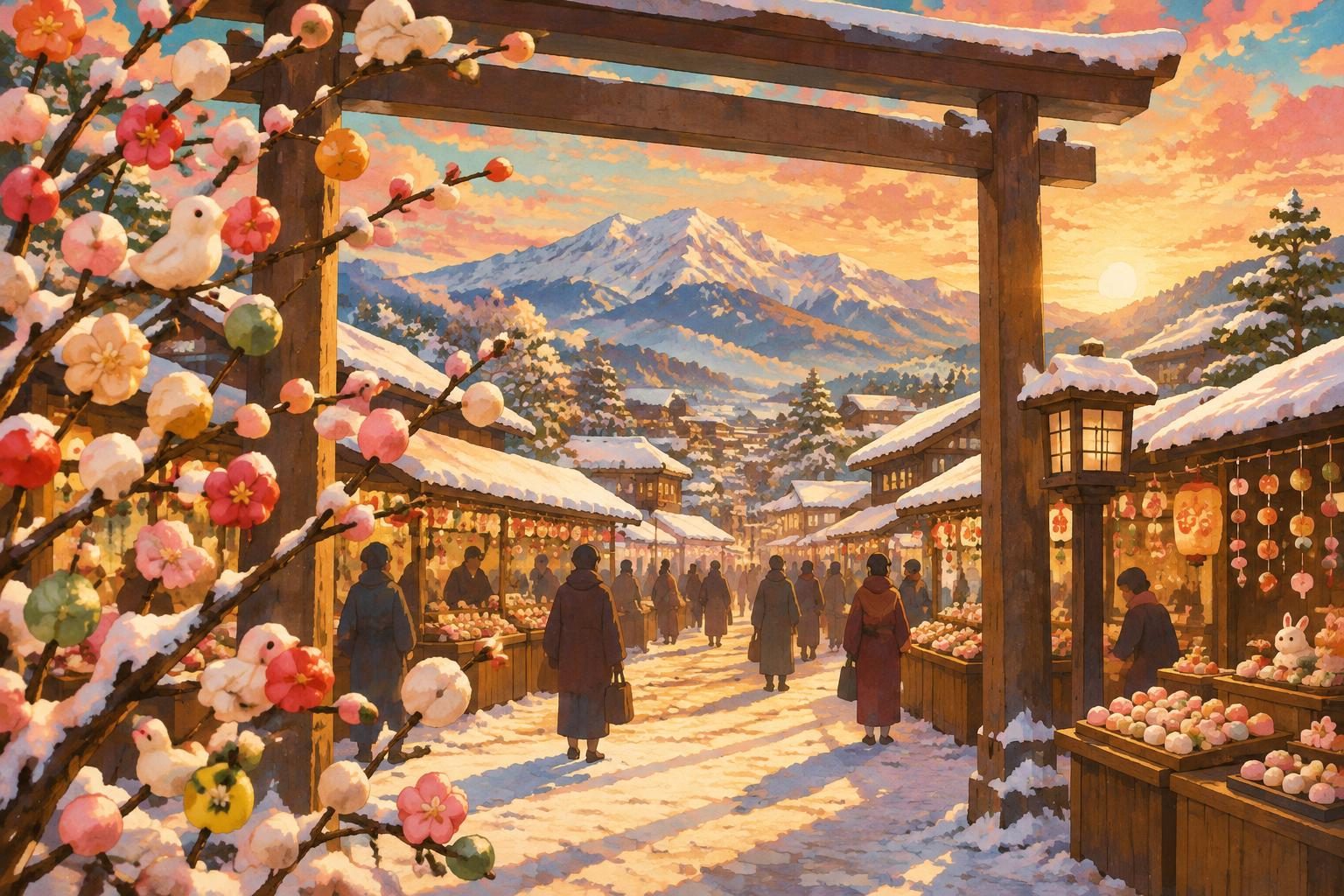
    A winter market scene in Takayama with mochi decorations and distant mountains under a golden sky.
    AI生成イメージ / AI-generated illustration (not a photograph of the actual place)

    Introduction to Winter in the Hida Region

    FACT: The Significance of Winter Foods

    Winter in the Hida region, particularly in Takayama, is a time when traditional foods take center stage. These foods are not just for sustenance but are also an integral part of cultural celebrations and rituals. The cold months bring a focus on hearty and warming dishes that are often tied to local festivals and customs. These culinary traditions serve as a bridge to the past, connecting current generations with their ancestors through shared tastes and experiences. The winter season in Takayama is marked by a sense of community and togetherness, where food plays a central role in bringing people together to celebrate the end of one year and the beginning of another.

    In Takayama, the preparation and enjoyment of these traditional foods are seen as a way to honor the region’s heritage. The dishes are often prepared using age-old recipes passed down through generations, preserving the unique flavors and techniques that define the local cuisine. This connection to the past is not only a source of pride for the residents but also an attraction for visitors eager to experience authentic Japanese culture.

    Hida Hanamochi: Centuries-Old New Year Flower-Mochi Traditions

    FACT: The Tradition of Hanamochi

    Hanamochi, or flower mochi, is a traditional decoration used during the New Year celebrations in the Hida region. These colorful rice cakes are often shaped into flowers and are believed to bring good fortune for the coming year. They are typically displayed alongside other New Year decorations such as pine branches and shimenawa (sacred ropes). The vibrant colors and delicate shapes of hanamochi make them a visually striking part of the New Year festivities, symbolizing the hope and renewal that the new year brings. The practice of displaying hanamochi is deeply rooted in the local culture, reflecting the community’s respect for tradition and the natural cycle of renewal.

    In addition to their decorative use, hanamochi holds symbolic meaning. The flower shapes represent the beauty and transience of life, a concept that is central to many Japanese cultural practices. The use of rice, a staple food in Japan, underscores the importance of agriculture and the blessings of a good harvest. By incorporating hanamochi into New Year celebrations, the people of Takayama pay homage to these values, reinforcing their connection to nature and the cycles of life.

    FACT: The Year-End Toshi-no-se-ichi Market in Front of Takayama Jinya

    Every year, from December 27 to 31, the Toshi-no-se-ichi market is held in front of the Takayama Jinya. This market is a bustling hub where locals and visitors can purchase New Year decorations, including hanamochi. The market is a vibrant display of local culture and tradition, attracting people from all over the region. As you wander through the stalls, the air is filled with the lively chatter of vendors and the enticing aromas of seasonal foods, offering a sensory experience that is both delightful and immersive. The market serves as a gathering place for the community, where traditions are shared and celebrated.

    Visitors to the Toshi-no-se-ichi market can also witness the craftsmanship involved in creating hanamochi. Artisans often demonstrate the techniques used to shape and color the mochi, providing insight into the skill and artistry that goes into these traditional decorations. This interaction between artisans and visitors fosters a deeper appreciation for the cultural heritage of the Hida region, making the market not just a place of commerce but also a venue for cultural exchange and education.

    Takayama Jinya inside view 201706 - Takayama Jinya
    “Takayama Jinya inside view 201706” (Takayama Jinya) by Wpcpey, CC BY 4.0, source, via Wikimedia Commons

    From Branch to Snack: Preparing and Eating Hanamochi

    FACT: How Hanamochi is Made and Enjoyed

    Hanamochi is crafted from glutinous rice that is pounded and shaped into delicate flower forms. These are then used as decorative elements in homes and shrines. After the New Year, the hanamochi is often consumed, symbolizing the transition from decoration to sustenance, and embodying the spirit of renewal and prosperity. This practice reflects a broader cultural appreciation for the cyclical nature of life, where the end of one phase naturally leads to the beginning of another. The act of consuming hanamochi after its decorative use is a way to bring the blessings of the New Year into one’s life, reinforcing the themes of renewal and continuity.

    The process of making hanamochi is itself a communal activity, often involving family members and neighbors. This shared experience strengthens social bonds and ensures that the tradition is passed down to future generations. The enjoyment of hanamochi, whether as a decoration or a snack, is a reminder of the interconnectedness of the community and the importance of preserving cultural practices.

    Goheimochi: The History of Hida’s Signature Grilled Skewered Rice

    FACT: Origins and Preparation of Goheimochi

    Goheimochi is another beloved winter specialty in Takayama. This dish consists of skewered rice cakes that are grilled and coated with a savory-sweet sauce made from ingredients like miso, sesame, and walnuts. It is a popular snack during winter festivals and is deeply rooted in the region’s culinary history. The combination of flavors in goheimochi, with its rich and nutty sauce, offers a comforting taste that is perfect for the cold winter months. The dish is often enjoyed at outdoor events, where the warmth of the grilled rice provides a welcome contrast to the chilly weather.

    The preparation of goheimochi involves a careful balance of flavors, with each ingredient contributing to the overall taste profile. The use of miso, a fermented soybean paste, adds depth and umami, while the sesame and walnuts provide a nutty richness. This harmonious blend of flavors is a testament to the culinary ingenuity of the Hida region, where local ingredients are used to create dishes that are both delicious and culturally significant.

    2024-10-27 Takayama Jinya - Takayama Jinya
    “2024-10-27 Takayama Jinya” (Takayama Jinya) by Alexkom000, CC BY 4.0, source, via Wikimedia Commons

    Experiencing Takayama’s Seasonal Winter Food Culture

    FACT: Embracing Local Traditions

    Visitors to Takayama during the winter months can immerse themselves in the local food culture by attending the Toshi-no-se-ichi market and trying traditional dishes like hanamochi and goheimochi. These experiences offer a glimpse into the rich cultural tapestry of the Hida region, where food and tradition are closely linked. Engaging with these traditions provides an opportunity to connect with the local community and understand the deep cultural significance of these culinary practices. The act of participating in these traditions allows visitors to experience the warmth and hospitality of Takayama, making their visit both memorable and meaningful.

    For those interested in learning more about the cultural context of these foods, guided tours and workshops are often available, providing deeper insights into the history and significance of Takayama’s culinary traditions. These educational opportunities enhance the visitor experience, offering a comprehensive understanding of the region’s unique food culture and the role it plays in the community’s identity.

    Nearby Guide

    Access

    • Takayama Station (Takayama) — Approximately a 10-minute walk from Takayama Station to Takayama Jinya. official site
    • Takayama Nohi Bus Center (Takayama) — Approximately a 10-minute walk from Takayama Nohi Bus Center to Takayama Jinya. official site

    Nearby sights

    • Sanmachi Suji Old Town (Takayama) — A beautifully preserved Edo-period merchant district, approximately a 12-minute walk from Takayama Station. details
    • Miyagawa Morning Market (Takayama) — A riverside market offering fresh local produce and artisanal goods, about a 15-minute walk from Takayama Station. details

    Where to stay

    • Hida Takayama Onsen Machiyado Ichiryu (Takayama) — Located just a 3-minute walk from the Miyagawa Morning Market and historic streets, and 5 minutes to Takayama Jinya. official site
    • Ryokan Asunaro (Takayama) — Traditional kaiseki dining served in a beamed-ceiling dining room, part of an 18-room ryokan with onsens. details

    Where to eat

    • Hisadaya (Takayama) — A restaurant in a townhouse from the late Edo period, serving Hida beef in miso and mountain vegetables. Lunch only. details
    • Ohnoya Jozo (Takayama) — Makers of miso and soy sauce with no sweeteners or food coloring. The business started as a koji maker in the middle of the 18th century. In the shop, you can taste miso soup every day. details
    • Sakaguchiya (Takayama) — A Hida beef restaurant founded in the middle of the Meiji period, serving Hida beef nigiri on a rice cracker, and sit-down meals. details
    Locator map of Japan: Takayama, Gifu
    Legend site: Takayama, Gifu — Source: Map of Japan with highlight on 21 Gifu prefecture.svg; Map: Lincun, CC BY-SA 3.0, via Wikimedia Commons

    Sources

    About the author

    JAPAN ESSENCE Editorial Team
    Our mission is to bring you Japan’s legends, myths, festivals and living traditions, through both historical fact and the stories passed down over generations.

  • Tokyo Winter Craft Traditions: Kumade Rakes & Edo Treasures

    Tokyo Winter Craft Traditions: Kumade Rakes & Edo Treasures

    In Tokyo, the arrival of winter heralds a vibrant celebration of craft traditions, with the Tori-no-Ichi festival and its iconic kumade rakes taking center stage. These events, deeply rooted in local culture, offer a glimpse into the city’s rich heritage and artistry.

    at Ohtori Shrine, Asakusa, Tokyo
    “Tori no Ichi Fair (10646033573)” by Yoshikazu TAKADA from Tokyo, Japan, CC BY 2.0, via Wikimedia Commons

    Introduction to Tokyo’s Winter Craft Traditions

    Tokyo, a city known for its blend of modernity and tradition, comes alive with unique winter craft traditions. The Tori-no-Ichi festival, held at Otori Shrine in Asakusa and other locations, is a significant cultural event where kumade rakes, believed to bring good fortune, are prominently featured. Alongside this, the city’s history of Edo Kiriko glass cutting and Tokyo Some-Komon textiles adds to the allure of Tokyo’s winter crafts.

    Yamato Takeru at the Tori-no-Ichi festival, holding a kumade in vivid ukiyo-e style.
    AI生成イメージ / AI-generated illustration (not a photograph of the actual place)

    The Vibrant Tori-no-Ichi Fair: Raking in Wealth and Good Fortune

    FACT: What the Tori-no-Ichi Festival Involves

    The Tori-no-Ichi, or Rooster Market, is a traditional fair held annually on the Days of the Rooster in November. It is primarily celebrated at Otori Shrine in Asakusa, Tokyo, and is renowned for its kumade rakes. These decorative bamboo rakes are adorned with symbols of prosperity and are sold to bring good luck and success in business for the coming year. The festival is a lively affair, with vendors enthusiastically clapping their hands in rhythmic patterns to attract customers, a custom known as tejime.

    FACT: The Atmosphere of Tori-no-Ichi

    The atmosphere at Tori-no-Ichi is electric, with the air filled with the sounds of tejime and the vibrant calls of vendors. Stalls line the paths leading to the shrine, each displaying a dazzling array of kumade in various sizes and designs. Visitors can experience the traditional Japanese marketplace, where the act of purchasing is as much about the ritual as it is about the product itself. The rhythmic hand-clapping of tejime is not just a sales tactic; it is a ceremonial gesture that signifies the closing of a deal and the sharing of good fortune between the seller and buyer.

    LEGEND: The Origins of Tori-no-Ichi

    According to local tradition, the origins of Tori-no-Ichi are linked to two main narratives. One account attributes the festival’s beginnings to Hanahata Otori Shrine, while another ties it to the legendary hero Yamato Takeru at Asakusa Otori Shrine. These stories coexist, reflecting the rich tapestry of beliefs that surround this event. The festival is not only a marketplace but also a cultural experience where the past and present converge.

    The Legend and History of Asakusa’s Otori Shrine

    FACT: Historical Significance of Otori Shrine

    Otori Shrine in Asakusa holds a special place in Tokyo’s cultural landscape. It is one of the primary venues for the Tori-no-Ichi festival and is steeped in history. The shrine is dedicated to the deity of good fortune and prosperity, making it a fitting location for a festival centered on luck and success. Visitors to the shrine during the festival can witness traditional ceremonies and participate in the vibrant atmosphere. The shrine itself is a testament to the enduring spiritual practices of the area, offering a serene backdrop to the bustling festivities.

    LEGEND: Yamato Takeru’s Connection

    Legend has it that Yamato Takeru, a mythical prince and warrior, once visited the site of Otori Shrine. This connection adds a layer of mystique to the shrine and the festival. The story of Yamato Takeru is a cherished part of Japanese folklore, and his association with the shrine enhances its cultural significance, drawing visitors who are eager to connect with this legendary past. The tale of Yamato Takeru is often recounted during the festival, adding depth to the experience and connecting modern participants with the ancient stories of Japan.

    Bargaining and Rhythmic Hand-Clapping: The Custom of Buying Kumade

    FACT: The Art of Kumade

    Kumade, or ‘rake hands,’ are crafted from bamboo and decorated with auspicious symbols such as cranes, turtles, and masks of the Seven Lucky Gods. These rakes are believed to ‘rake in’ good fortune and are a must-have for businesses and households alike. The process of purchasing a kumade is an interactive experience, where bargaining is accompanied by the rhythmic hand-clapping of tejime, creating a lively and engaging marketplace atmosphere.

    FACT: The Symbolism Behind Kumade

    The symbolism behind kumade is deeply rooted in Japanese culture. Each element of the rake carries a specific meaning, intended to attract prosperity and ward off misfortune. The crane and turtle, for example, are traditional symbols of longevity and good luck. The inclusion of masks representing the Seven Lucky Gods further amplifies the auspicious nature of these talismans. Purchasing a kumade is not just a transaction; it is a ritual steeped in hope and tradition, reflecting a desire for success and happiness in the coming year.

    Returning and Renewing Talismans in Otakiage Rites

    FACT: The Ritual of Otakiage

    At the end of the year, the Otakiage ritual is performed to return and renew talismans, including kumade, at shrines. This ceremony involves burning the previous year’s talismans in a sacred fire, symbolizing purification and renewal. It is a time for reflection and preparation for the new year, ensuring that good fortune continues to bless those who participate. The ritual underscores the cyclical nature of life and the importance of renewal, both spiritually and materially.

    Edo Kiriko and Tokyo Some-Komon: Timeless Gift-Worthy Crafts

    FACT: The Elegance of Edo Kiriko

    Edo Kiriko is a traditional glass cutting technique that originated in the Edo period. These intricately cut glass pieces are known for their precision and beauty, making them popular gifts and souvenirs. The craft has been preserved and continues to be a symbol of Tokyo’s rich artistic heritage. Visitors can find Edo Kiriko items in specialty shops throughout Tokyo, offering a tangible connection to the city’s historical craftsmanship.

    FACT: The Tradition of Tokyo Some-Komon

    Tokyo Some-Komon is a textile craft characterized by its fine patterns and delicate dyeing techniques. This traditional craft has been passed down through generations, and its intricate designs are highly valued for their elegance and sophistication. Tokyo Some-Komon textiles are often used in kimono making and are treasured for their cultural and aesthetic significance. The meticulous process of creating these textiles is a testament to the skill and dedication of the artisans who keep this tradition alive.

    Nearby Guide

    Access

    • Iriya Station (Tokyo) — Take the Tokyo Metro Hibiya Line to Iriya Station (Exit 3), then walk approximately 7 minutes to Otori Shrine. details
    • Minowa Station (Tokyo) — Alternatively, use Minowa Station on the Tokyo Metro Hibiya Line, about a 10-minute walk to the shrine. details

    Nearby sights

    • Senso-ji Temple (Tokyo) — A historic Buddhist temple located in Asakusa, approximately a 20-minute walk from Otori Shrine. official site
    • Tokyo Skytree (Tokyo) — The tallest structure in Japan, offering panoramic views of the city, about 3 km from Otori Shrine. official site

    Where to stay

    • Asakusa View Hotel (Tokyo) — A hotel offering comfortable accommodations near Asakusa, approximately a 20-minute walk from Otori Shrine. official site

    Where to eat

    • Kibiya (Tokyo) — A restaurant known for its traditional Japanese cuisine, located near Otori Shrine. details
    Locator map of Japan: Tokyo, Tokyo
    Legend site: Tokyo, Tokyo — Source: Map of Japan with highlight on 13 Tokyo prefecture.svg; Map: Lincun, CC BY-SA 3.0, via Wikimedia Commons

    Sources

    About the author

    JAPAN ESSENCE Editorial Team
    Our mission is to bring you Japan’s legends, myths, festivals and living traditions, through both historical fact and the stories passed down over generations.

  • Shoreisai at Mount Haguro: Yamagata’s Dramatic New Year’s Fire Festival

    Shoreisai at Mount Haguro: Yamagata’s Dramatic New Year’s Fire Festival

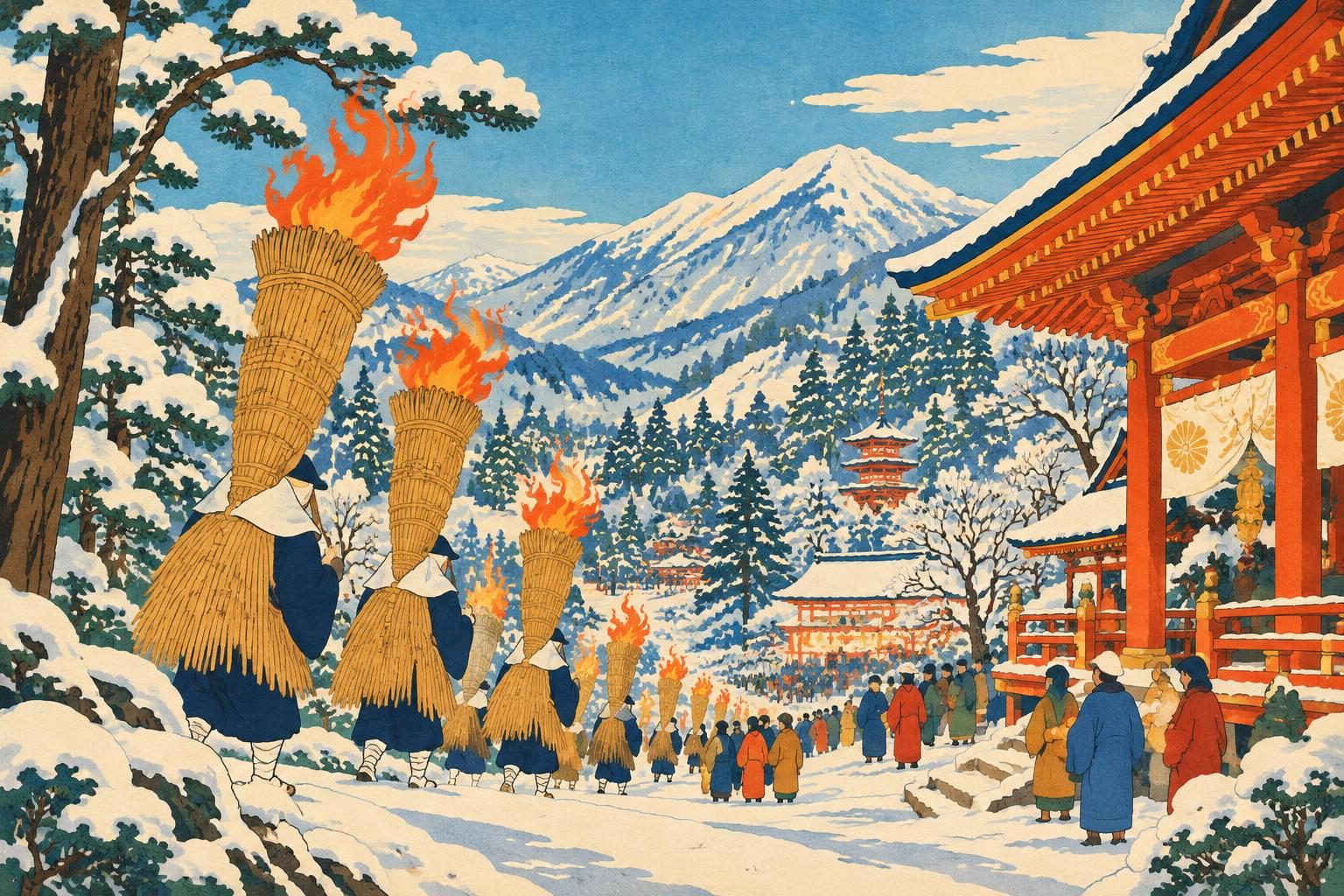
    Every New Year’s Eve, the summit of Mount Haguro in Tsuruoka, Yamagata Prefecture, becomes the stage for Shoreisai, a dramatic fire festival that blends ancient yamabushi rituals with spectacular fire displays. This event is not only a captivating spectacle but also a profound cultural experience that draws visitors from all over Japan and beyond.

    Ukiyo-e illustration of Mount Haguro festival with monks, torches, vibrant colors, and snowy landscape.
    AI生成イメージ / AI-generated illustration (not a photograph of the actual place)

    What Is Shoreisai? Mount Haguro’s Ancient New Year Tradition

    FACT: Designation as an Important Cultural Property

    Shoreisai, specifically its Great Torch Ritual, is recognized as an Important Intangible Folk Cultural Property of Japan. This designation underscores the festival’s cultural significance, highlighting its role in preserving traditional practices that have been passed down through generations. The recognition by the Agency for Cultural Affairs in Japan ensures that the festival remains a protected part of the nation’s cultural heritage, allowing future generations to continue to experience and participate in this unique tradition.

    The 100-Day Winter Ascetic Training of Yamabushi

    FACT: Ritual Preparation and Yamabushi Practices

    The festival’s roots lie in the rigorous ascetic practices of the yamabushi, or mountain priests, who undergo 100 days of winter training known as ‘Fuyu no Mine’. This training begins around September and culminates in the Shoreisai festival. The yamabushi, referred to as Matsuhijiri, engage in this spiritual preparation to purify themselves and prepare for the rituals. This period of intense training is characterized by solitude, meditation, and physical endurance, reflecting the deep spiritual commitment of the yamabushi to their traditions and beliefs.

    FACT: The Role of Yamabushi in Shoreisai

    During the Shoreisai festival, the yamabushi play a crucial role in leading the rituals and ensuring their authenticity. Their presence is a testament to the enduring spiritual traditions of the Dewa Sanzan region, where Mount Haguro is located. The yamabushi’s practices are deeply intertwined with the natural environment, emphasizing harmony and respect for nature, which are central tenets of their spiritual philosophy.

    DSC 羽黒山城土塁 - Mount Haguro (Yamagata)
    “DSC 羽黒山城土塁” (Mount Haguro (Yamagata)) by つくつくば, CC BY-SA 4.0, source, via Wikimedia Commons

    The Colossal Straw Torches: Highlights of the Great Torch Ritual

    FACT: The Dramatic Torch Competition

    A central feature of Shoreisai is the competition involving two enormous straw torches, each shaped like tsutsugamushi, a type of demon-insect. These torches are roped, toppled, and burned by teams of young men. The ritual is both a spectacle and a symbolic act of purging the previous year’s evils and welcoming good fortune. The torches’ dramatic collapse and subsequent burning are believed to cleanse the environment and the participants, creating a fresh start for the new year.

    FACT: Symbolism and Community Involvement

    The construction and burning of these torches are steeped in symbolism. The tsutsugamushi shape represents the demons and negative energies that the community seeks to expel. The act of burning them signifies purification and renewal. The participation of local young men in this ritual fosters a sense of community and continuity, as they uphold traditions that have been maintained for centuries.

    Divination and Fire: How the Festival Wards Off Evil

    FACT: Rituals of Purification and Fortune

    The burning of the torches is not merely for show; it is believed to have purifying effects, driving away evil spirits and ensuring a prosperous new year. The ritual’s competitive nature adds an element of divination, as the outcome is thought to influence the fortunes of the coming year. This aspect of the festival underscores the belief in the interconnectedness of human actions and cosmic forces, a concept deeply rooted in Japanese spiritual traditions.

    IMG 羽黒山 - Mount Haguro (Yamagata)
    “IMG 羽黒山” (Mount Haguro (Yamagata)) by つくつくば, CC BY-SA 4.0, source, via Wikimedia Commons

    Blessed Ropes and Local Protection Traditions

    FACT: The Tradition of Blessed Ropes

    At around 3 pm during the festival, blessed ropes are thrown into the crowd. These ropes are highly sought after, as hanging them under the eaves of a home is believed to offer protection for the entire year. This tradition underscores the community’s involvement and the festival’s role in local spiritual life. The scramble for these ropes is a lively part of the festival, reflecting the community’s collective hope for protection and prosperity.

    FACT: Community and Continuity

    The distribution of blessed ropes highlights the communal aspect of Shoreisai. It is a moment when the community comes together, united by shared beliefs and traditions. This practice not only reinforces social bonds but also ensures the continuity of cultural heritage, as younger generations participate and learn from their elders.

    Visiting Mount Haguro in Winter: Practical Travel Tips

    Visitors to Mount Haguro during Shoreisai can experience not only the festival but also the serene beauty of the winter landscape. The summit is accessible by bus, with services running from JR Tsuruoka Station to Haguro-sancho Bus Stop. For those driving, parking is available near the Zuishinmon gate. It is advisable to check the official website for current hours, fees, and access details to ensure a smooth visit.

    Nearby Guide

    Access

    • Haguro-sancho Bus Stop (Tsuruoka) — From JR Tsuruoka Station, take the Shonai Kotsu Bus bound for Mt. Haguro for approximately 50 minutes and alight at Haguro-sancho Bus Stop, which is near the summit of Mount Haguro. Alternatively, you can take the bus to Zuishinmon Bus Stop and then walk approximately 15 minutes to the summit. official site
    • Shonai Kotsu Bus (Tsuruoka) — The Shonai Kotsu Bus operates routes from Tsuruoka Station to Mount Haguro, with stops at Zuishinmon and Haguro-sancho Bus Stops. Bus schedules may vary, so it’s advisable to check the latest timetable before planning your trip. official site
    • Parking at Zuishinmon-mae (Tsuruoka) — If you’re driving, parking is available near the Zuishinmon gate, which is the entrance to the pilgrimage path leading to the summit of Mount Haguro. The parking area is located across from the restaurant ‘Ishii’. official site

    Nearby sights

    • Five-Story Pagoda (Tsuruoka) — The Five-Story Pagoda on Mount Haguro is a National Treasure and one of the oldest in the Tohoku region. It stands amid a cedar grove near the upper entrance of the ‘Ichin-zaka’ slope on the Haguro-san pilgrimage path. details
    • Sanjingo Saiden Shrine (Tsuruoka) — Located at the summit of Mount Haguro, the Sanjingo Saiden Shrine enshrines the gods of Mount Gassan, Mount Haguro, and Mount Yudono. details
    • Cedar-Lined Stone Steps (Tsuruoka) — The pilgrimage path to the summit of Mount Haguro features 2,446 stone steps flanked by ancient cedar trees that are 350 to 500 years old. details

    Where to stay

    • Saikan Pilgrim Lodge & Restaurant (Tsuruoka) — Saikan is a Shintō pilgrim lodge situated atop Mount Haguro. It has a rich history, once serving as a temple. official site
    • Haguro Sanrojo Saikan (Tsuruoka) — Haguro Sanrojo Saikan is a lodging facility located in the Haguro area, offering accommodations for visitors exploring Mount Haguro. official site
    • Shukubo Inns in the Haguro Area (Tsuruoka) — The Haguro area offers various shukubo inns, which are traditional temple lodgings providing a unique cultural experience for visitors. official site

    Where to eat

    • Shojin-Ryori at Saikan (Tsuruoka) — Shojin-ryori is a traditional Buddhist vegetarian cuisine served at Saikan Pilgrim Lodge & Restaurant. official site
    • Rikimochi Rice Cake and Matcha Green Tea (Tsuruoka) — Along the pilgrimage path, visitors can enjoy a tea house offering rikimochi rice cakes and matcha green tea. details
    • Ishii Restaurant (Tsuruoka) — Ishii is a restaurant located near the Zuishinmon gate, offering local cuisine and a place to rest for visitors exploring Mount Haguro. official site
    Locator map of Japan: Tsuruoka, Yamagata
    Legend site: Tsuruoka, Yamagata — Source: Map of Japan with highlight on 06 Yamagata prefecture.svg; Map: Lincun, CC BY-SA 3.0, via Wikimedia Commons

    Sources

    About the author

    JAPAN ESSENCE Editorial Team
    Our mission is to bring you Japan’s legends, myths, festivals and living traditions, through both historical fact and the stories passed down over generations.

  • Experience the Shirakawa-go Doburoku Festival: Unfiltered Sake and Autumn Traditions

    Experience the Shirakawa-go Doburoku Festival: Unfiltered Sake and Autumn Traditions

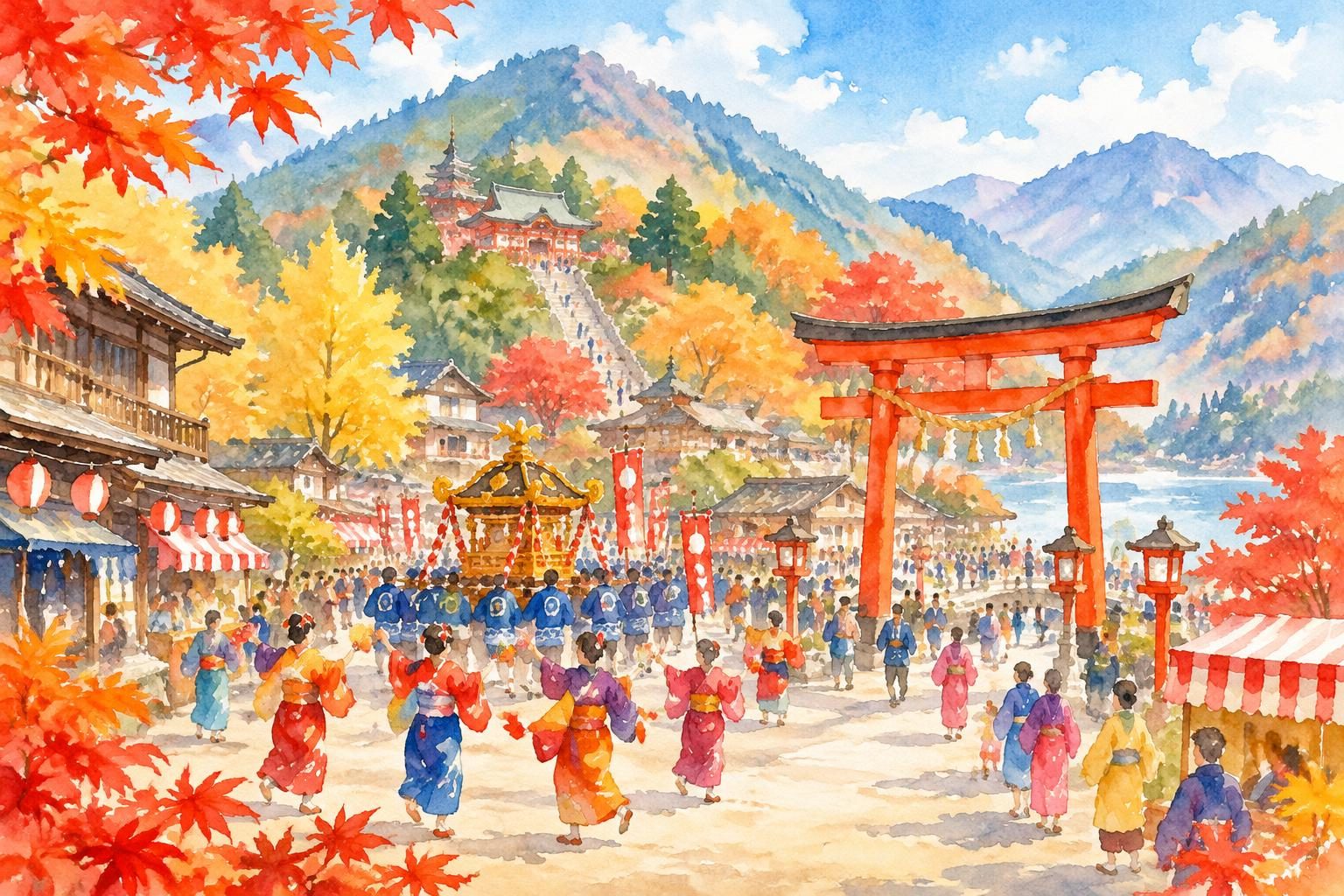
    In the picturesque village of Ogimachi in Shirakawa, Gifu Prefecture, the Doburoku Festival is a celebration of tradition, community, and the harvest season. Known for its unfiltered sake and vibrant folk songs, this festival offers a unique glimpse into Japan’s rich cultural tapestry.

    Shirakawa-go (Ogi) in Shirakawa, Gifu prefecture, Japan
    “Ogi Shirakawa-gō, Gifu, Japan” by 663highland, CC BY 2.5, via Wikimedia Commons

    What Is the Shirakawa-go Doburoku Festival?

    FACT: The Essence of the Festival

    The Shirakawa-go Doburoku Festival is held annually in October at the Shirakawa Hachimangu Shrine in Ogimachi. This festival is a significant cultural event, celebrating the autumn harvest with offerings of doburoku, a type of unfiltered sake. The festival is deeply rooted in the agricultural traditions of the region, where rice cultivation has been a way of life for centuries. During the festival, locals and visitors alike gather to enjoy the rich flavors of doburoku, which is brewed specifically for this occasion.

    Participants in the festival can expect to experience a vibrant atmosphere filled with the sounds of traditional music and the sight of colorful processions. The event not only highlights the importance of rice cultivation in the area but also serves as a reminder of the community’s reliance on agriculture as a source of sustenance and cultural identity. The shared enjoyment of doburoku among attendees symbolizes the unity and shared history of the people of Shirakawa-go.

    FACT: The Role of Shirakawa Hachimangu Shrine

    The Shirakawa Hachimangu Shrine serves as the central venue for the Doburoku Festival. The shrine, nestled among the traditional gassho-zukuri farmhouses, is a place of worship and community gathering. During the festival, the shrine becomes a hub of activity, with rituals and performances that honor the gods and give thanks for the bountiful harvest. The shrine’s historical significance and its role in the festival underscore the deep connection between the local community and their spiritual beliefs.

    Visitors to the shrine during the festival can observe a variety of traditional ceremonies that reflect the spiritual practices of the region. These rituals are performed with great reverence and are intended to invoke the blessings of the deities for a prosperous future. The shrine’s serene setting, combined with the festive atmosphere, provides a unique opportunity for visitors to immerse themselves in the cultural and spiritual life of Shirakawa-go.

    FACT: The Historical Significance of the Shrine

    The Shirakawa Hachimangu Shrine is not only a focal point of the festival but also a symbol of the village’s historical and cultural heritage. The shrine has been a place of worship for generations, serving as a spiritual center where the community gathers to express gratitude for the harvest and seek blessings for the future. Its architecture and location amidst the scenic beauty of Shirakawa-go add to the spiritual ambiance, making it a must-visit for those interested in understanding the cultural roots of the region.

    The shrine’s architecture, characterized by traditional Japanese design elements, reflects the historical evolution of religious structures in the area. As visitors explore the shrine grounds, they can appreciate the craftsmanship and attention to detail that have preserved this cultural landmark for centuries. The enduring presence of the shrine in the community highlights its role as a custodian of local traditions and a testament to the enduring spirit of Shirakawa-go’s inhabitants.

    Watercolour of a Japanese festival scene with vibrant autumn colors, distant shrine, and joyful villagers celebrating under a
    AI生成イメージ / AI-generated illustration (not a photograph of the actual place)

    The Sacred Tradition of Brewing Doburoku Under Snow

    FACT: Brewing Process and Cultural Significance

    Doburoku is a traditional Japanese sake that is unfiltered, resulting in a cloudy appearance and a rich, full-bodied flavor. The brewing of doburoku is a sacred process, often carried out in small batches by local brewers who adhere to time-honored techniques. This sake is not only a beverage but also a symbol of the region’s agricultural heritage, representing the fruits of labor and the blessings of nature. During the festival, the sharing of doburoku among participants is a gesture of goodwill and communal harmony.

    The meticulous care taken in brewing doburoku reflects the community’s respect for their natural resources and agricultural traditions. Each sip of this unique sake offers a taste of the land’s bounty, embodying the essence of the harvest season. The festival provides a rare opportunity for visitors to taste doburoku that is crafted with a deep understanding of local customs and a commitment to preserving this cherished tradition.

    FACT: The Symbolism of Doburoku

    Beyond its role as a festive drink, doburoku holds deep symbolic meaning. It embodies the essence of the harvest, the culmination of a year’s hard work in the rice fields. The act of brewing and sharing doburoku is a tradition that reinforces community bonds, as villagers and visitors come together to celebrate the fruits of their labor. This communal sharing is a powerful reminder of the interconnectedness of people and nature, a theme that resonates throughout the festival.

    As participants gather to share doburoku, they engage in a ritual that transcends mere consumption. This act of communal sharing is imbued with cultural significance, as it represents the unity and resilience of the Shirakawa-go community. The festival thus becomes a celebration not only of the harvest but also of the enduring relationships that sustain the village through the changing seasons.

    Shirakawa-go 006 - Stone lanterns in Gifu prefecture
    “Shirakawa-go 006” (Stone lanterns in Gifu prefecture) by Ocdp, CC0, source, via Wikimedia Commons

    Festival Schedule and Main Shrine Rituals

    FACT: Rituals and Performances

    The Doburoku Festival features a series of rituals and performances that are integral to its celebration. These include processions, ceremonial offerings at the shrine, and traditional dances. The festival’s schedule is carefully planned to ensure that each ritual is performed with precision and reverence. Visitors can witness these ceremonies and participate in the communal festivities, gaining insight into the spiritual and cultural practices of the region.

    Each ritual is a carefully choreographed event that showcases the community’s dedication to preserving their cultural heritage. The performances, often accompanied by traditional music, provide a dynamic and engaging experience for attendees. By participating in these rituals, visitors can gain a deeper appreciation for the spiritual and cultural dimensions of the festival, as well as the values that underpin the community’s way of life.

    FACT: The Procession and Offerings

    A highlight of the festival is the procession, where participants dressed in traditional attire carry offerings to the shrine. This ritual symbolizes the community’s collective gratitude and reverence for the gods. The offerings, which include freshly brewed doburoku, are presented at the shrine in a solemn ceremony. This act of devotion is a central element of the festival, reflecting the deep spiritual connection between the people and their land.

    The procession is a vibrant and colorful spectacle that draws the entire community together. As participants make their way to the shrine, they are accompanied by the rhythmic sounds of traditional instruments, creating a lively and festive atmosphere. This communal act of offering is a powerful expression of the community’s shared values and their commitment to honoring the deities that protect and sustain them.

    Ancestral Folk Songs and Dances of Shirakawa Village

    FACT: Preserving Cultural Heritage Through Music

    Music and dance play a vital role in the Doburoku Festival, with performances of ancestral folk songs that have been passed down through generations. These songs, often accompanied by traditional instruments, tell stories of the village’s history and the people’s connection to the land. The dances, characterized by graceful movements and vibrant costumes, are a visual representation of the community’s cultural identity. Through these performances, the festival serves as a living museum of Shirakawa’s rich heritage.

    The preservation of these folk songs and dances is a testament to the community’s dedication to maintaining their cultural legacy. Each performance is an opportunity for younger generations to learn about their heritage and for older generations to pass on their knowledge and traditions. The festival thus serves as an important cultural bridge, linking the past with the present and ensuring the continuity of Shirakawa-go’s unique cultural identity.

    FACT: The Role of Traditional Instruments

    Traditional instruments such as the taiko drum and shamisen are integral to the musical performances at the festival. These instruments add a unique auditory dimension to the folk songs, enhancing the storytelling experience. The rhythmic beats of the taiko drum, in particular, resonate with the energy of the festival, drawing participants and spectators into the vibrant celebration. This musical tradition is a testament to the enduring cultural legacy of Shirakawa village.

    The use of these instruments not only enriches the musical experience but also serves as a reminder of the village’s cultural roots. The sounds of the taiko drum and shamisen evoke a sense of nostalgia and pride, connecting the community to their ancestors and the traditions they have upheld for generations. The festival’s musical performances are thus an essential component of the cultural tapestry that defines Shirakawa-go.

    Ogimachi Village-02 - Views of Shirakawa-go from Ogimachi Joseki Observatory
    “Ogimachi Village-02” (Views of Shirakawa-go from Ogimachi Joseki Observatory) by Bernard Gagnon, CC BY-SA 3.0, source, via Wikimedia Commons

    Visiting Ogimachi Village During the Harvest Celebrations

    FACT: Planning Your Visit

    Ogimachi Village, part of the Shirakawa-go area, is a UNESCO World Heritage site known for its well-preserved gassho-zukuri farmhouses. Visiting during the Doburoku Festival offers a unique opportunity to experience the village’s cultural and historical significance firsthand. While the festival itself is a major attraction, the surrounding landscape, with its stunning autumn foliage, enhances the overall experience. Travelers are encouraged to check the official website for current hours, fees, and access information to ensure a smooth visit.

    The village’s designation as a UNESCO World Heritage site underscores its global cultural significance. Visitors can explore the narrow streets and admire the traditional architecture that has been preserved for centuries. The festival provides a unique backdrop to this exploration, offering a glimpse into the daily life and traditions of the people who call Shirakawa-go home.

    FACT: The Gassho-zukuri Farmhouses

    The gassho-zukuri farmhouses, with their steep thatched roofs designed to withstand heavy snowfall, are an iconic feature of Ogimachi Village. These architectural marvels provide a glimpse into the traditional lifestyle of the region, offering visitors a chance to step back in time. During the festival, the farmhouses serve as a picturesque backdrop to the celebrations, their rustic charm adding to the village’s enchanting atmosphere.

    These farmhouses are not only remarkable for their architectural design but also for their historical significance. As visitors wander through the village, they can learn about the ingenuity and craftsmanship that went into constructing these homes, which have stood the test of time. The gassho-zukuri farmhouses are a testament to the resilience and resourcefulness of the Shirakawa-go community, embodying the spirit of adaptation and harmony with nature.

    Locator map of Japan: Shirakawa, Gifu
    Legend site: Shirakawa, Gifu — Source: Map of Japan with highlight on 21 Gifu prefecture.svg; Map: Lincun, CC BY-SA 3.0, via Wikimedia Commons

    Sources

    About the author

    JAPAN ESSENCE Editorial Team
    Our mission is to bring you Japan’s legends, myths, festivals and living traditions, through both historical fact and the stories passed down over generations.

  • Winter in Yanbaru: Discovering Okinawa’s Subtropical Forest and Biodiversity

    Winter in Yanbaru: Discovering Okinawa’s Subtropical Forest and Biodiversity

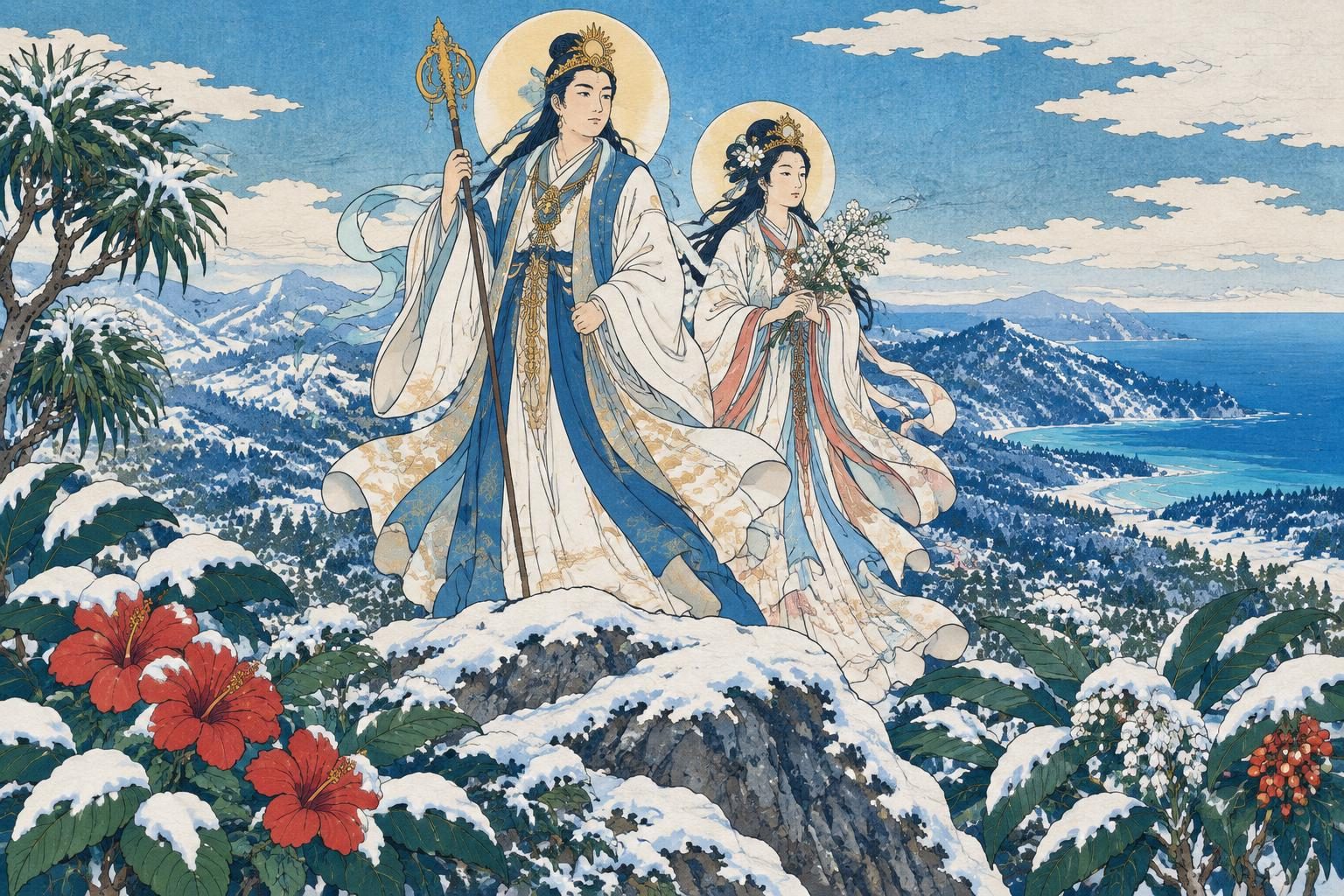
    In Kunigami, Okinawa Prefecture, the Yanbaru subtropical forest offers a unique winter experience, blending rich biodiversity with cultural traditions. This region, known for its lush greenery and sacred sites, is a haven for nature enthusiasts and cultural explorers alike.

    Ukiyo-e style image of sacred deities on a snowy Okinawan peak, with subtropical flora and winter blues.
    AI生成イメージ / AI-generated illustration (not a photograph of the actual place)

    Introduction to Yanbaru’s Subtropical Wilderness

    FACT: A Unique Ecosystem

    Yanbaru, located in the northern part of Okinawa Island, is renowned for its subtropical forest ecosystem. This area is part of the larger Yanbaru National Park, which was designated as a national park in 2016 and recognized as a UNESCO World Natural Heritage site in 2021. The park encompasses a diverse range of flora and fauna, some of which are endemic to the region, making it a vital area for conservation efforts.

    The forest is characterized by dense vegetation, including evergreen broadleaf trees and a variety of ferns. It provides a habitat for numerous species, such as the endangered Okinawa rail and the Yanbaru long-armed scarab beetle. The unique climate of Yanbaru, with its mild winters, allows for year-round exploration and wildlife observation.

    FACT: Cultural Significance of Asumui

    Asumui, also known historically as Hedo Utaki, is a sacred site within the Yanbaru region. It consists of a line of four rocky peaks that hold spiritual significance for the local Ryukyuan people. These peaks are revered as sacred spots, and the area is steeped in Ryukyuan mythology and tradition.

    Visitors to Asumui can explore the spiritual and cultural heritage of the area through guided hikes. The trails offer stunning views of the surrounding landscape and provide insight into the traditional beliefs and practices of the Ryukyuan culture. Asumui serves as a reminder of the deep connection between the natural environment and cultural identity in Okinawa.

    Why Winter is the Ideal Season to Visit Yanbaru

    FACT: Mild Climate and Unique Wildlife

    Winter in Yanbaru is characterized by mild temperatures, making it an ideal time for outdoor activities. The subtropical climate ensures that the forest remains lush and vibrant, even during the cooler months. This season also provides a unique opportunity to observe wildlife that may be less active during the hotter summer months.

    Birdwatchers can spot the Okinawa rail and other endemic species, while hikers may encounter rare insects and plants along the trails. The cooler weather allows for comfortable exploration of the forest’s diverse ecosystems without the intense heat and humidity typical of Okinawa’s summer.

    Daisekirinzan at Yanbaru National Park Okinawa 2008 - Okinawa Island, Yanbaru National Park
    “Daisekirinzan at Yanbaru National Park Okinawa 2008” (Okinawa Island, Yanbaru National Park) by Ryan McBride, CC BY 2.0, source, via Wikimedia Commons

    Exploring the Sacred Limestone Peaks of Asumui

    LEGEND: Ryukyuan Mythology and Asumui

    According to local Ryukyuan mythology, the peaks of Asumui are considered sacred and are believed to be the dwelling place of deities. These myths have been passed down through generations, and the site continues to be a place of worship and cultural significance for the Ryukyuan people.

    Visitors are encouraged to respect the cultural importance of Asumui while exploring its natural beauty. Guided tours often include explanations of the myths and legends associated with the peaks, providing a deeper understanding of the spiritual heritage of the region.

    LEGEND: The Deities of Asumui

    One account of the Ryukyuan mythology surrounding Asumui speaks of deities who reside within the peaks, watching over the land and its people. These deities are said to have been instrumental in shaping the landscape and ensuring the prosperity of the Ryukyuan people. The reverence for these deities is evident in the rituals and offerings made by locals at the site, demonstrating the enduring cultural practices that have been preserved over the centuries.

    Spotting Rare Endemic Wildlife in Yanbaru National Park

    FACT: Conservation Efforts and Wildlife Observation

    Yanbaru National Park is home to several rare and endangered species, making it a critical area for conservation. The park’s management focuses on preserving the natural habitat and promoting sustainable tourism practices to protect its unique biodiversity.

    Visitors can participate in wildlife observation tours, where they may encounter species such as the Okinawa rail, Yanbaru kuina, and various endemic plants. These tours are designed to educate visitors about the importance of conservation and the efforts being made to protect the region’s natural heritage.

    FACT: Endemic Species of Yanbaru

    The Yanbaru region is a sanctuary for numerous endemic species, which are species found nowhere else in the world. Among these are the Okinawa rail, a flightless bird that is a symbol of the region’s unique biodiversity. The Yanbaru long-armed scarab beetle is another fascinating creature native to this area, showcasing the incredible diversity of life that thrives in this subtropical forest.

    ヤンバルクイナ生態展示学習施設 クイナの森 入り口IMG 0042-1 - Yanbaru National Park, Buildings in Kunigami, Okinawa
    “ヤンバルクイナ生態展示学習施設 クイナの森 入り口IMG 0042-1” (Yanbaru National Park, Buildings in Kunigami, Okinawa) by Hisenv, CC BY-SA 4.0, source, via Wikimedia Commons

    Visitor Resources: Yanbaru Wildlife Conservation Center and Kunigami Forest Park

    FACT: Educational Opportunities

    The Yanbaru Wildlife Conservation Center, located in Kunigami, offers educational exhibits on the region’s flora and fauna. The center serves as a hub for conservation activities and provides visitors with information on how to engage with the natural environment responsibly.

    Kunigami Forest Park is another resource for visitors, offering trails and facilities for outdoor activities. The park is an excellent starting point for exploring the Yanbaru region and learning about its ecological and cultural significance.

    FACT: Engaging with Local Culture

    Both the Yanbaru Wildlife Conservation Center and Kunigami Forest Park provide opportunities for visitors to engage with the local culture. Through interactive exhibits and guided tours, visitors can gain a deeper understanding of the relationship between the Ryukyuan people and their natural environment. These experiences highlight the importance of preserving both the cultural and natural heritage of the Yanbaru region.

    Planning Your Sustainable Trip to Northern Okinawa

    FACT: Sustainable Tourism Practices

    When planning a trip to Yanbaru, it’s essential to consider sustainable tourism practices. Visitors are encouraged to minimize their environmental impact by following designated trails, respecting wildlife, and supporting local conservation efforts.

    Accommodations in the area often promote eco-friendly practices, and local guides are available to provide insights into the region’s natural and cultural heritage. By choosing sustainable options, visitors can help preserve the beauty and biodiversity of Yanbaru for future generations.

    FACT: Supporting Local Communities

    Supporting local communities is a key aspect of sustainable tourism in Yanbaru. By choosing to stay in locally-owned accommodations, dining at local restaurants, and purchasing goods from local artisans, visitors contribute to the economic well-being of the region. This support helps ensure that the cultural and natural heritage of Yanbaru is maintained and celebrated.

    Nearby Guide

    Access

    • Asmui Spiritual Hikes Entrance (Kunigami) — From Naha Airport, drive approximately 2.5 to 3 hours via the Okinawa Expressway and Route 58 to reach the entrance of Asmui Spiritual Hikes. official site

    Nearby sights

    • Asmui Spiritual Hikes (Kunigami) — Explore the sacred Asmui mountains, featuring unique limestone formations and subtropical forests. The area is rich in Ryukyuan mythology and offers various hiking courses with audio guides. official site
    • Yambaru World Heritage Conservation Center Ufugi Nature Museum (Kunigami) — A museum dedicated to the conservation of the Yambaru region’s natural heritage, featuring exhibits on local flora and fauna. A must-visit for nature enthusiasts. official site
    Locator map of Japan: Kunigami, Okinawa
    Legend site: Kunigami, Okinawa — Source: Map of Japan with highlight on 47 Okinawa prefecture.svg; Map: Lincun, CC BY-SA 3.0, via Wikimedia Commons

    Sources

    About the author

    JAPAN ESSENCE Editorial Team
    Our mission is to bring you Japan’s legends, myths, festivals and living traditions, through both historical fact and the stories passed down over generations.

  • Discover Kasama-Yaki: Ibaraki’s Free-Spirited Pottery Tradition

    Discover Kasama-Yaki: Ibaraki’s Free-Spirited Pottery Tradition

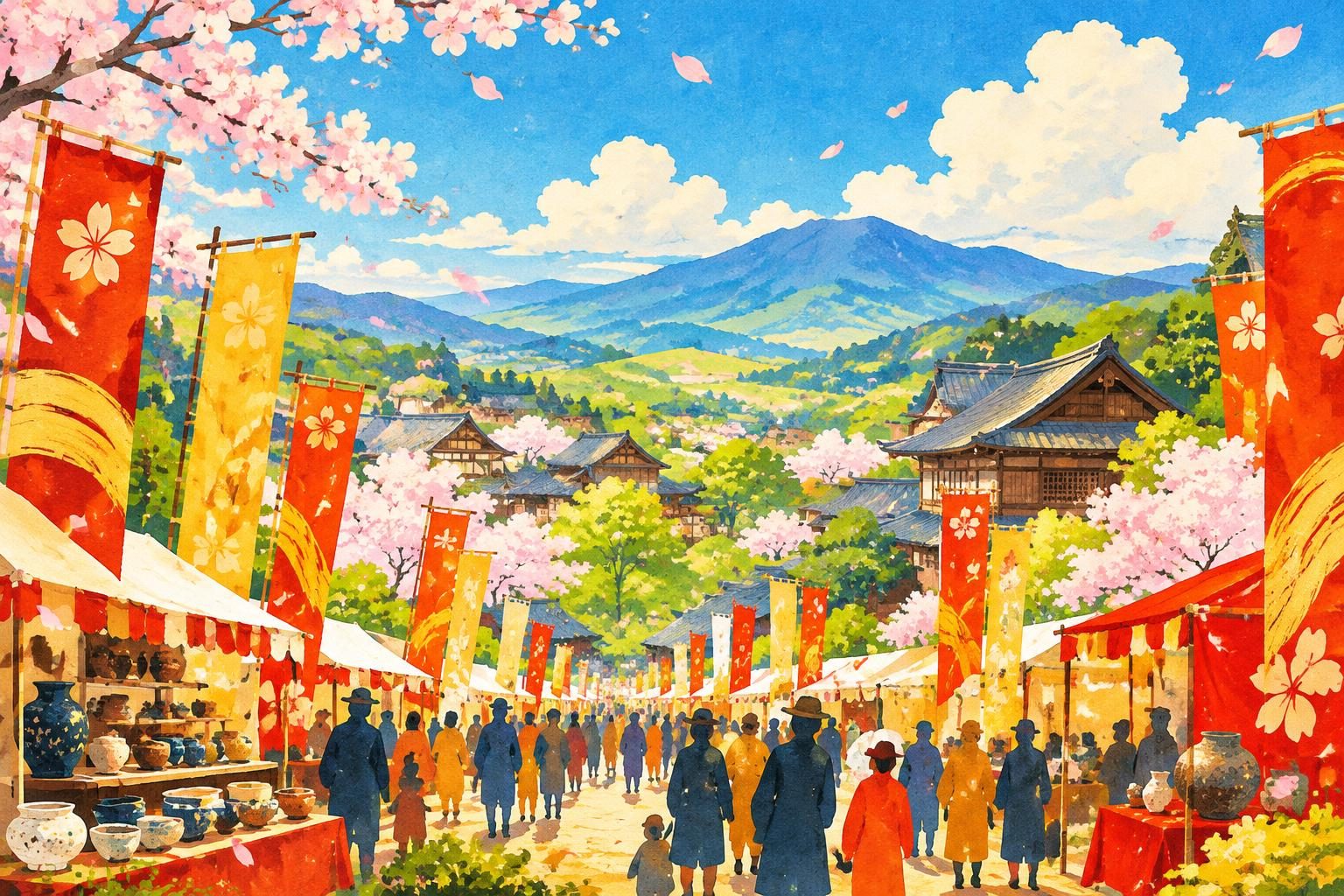
    In Kasama, Ibaraki Prefecture, the art of pottery is not just a craft but a vibrant tradition that invites visitors to immerse themselves in its creative spirit. Known as Kasama-yaki, this free-style pottery offers a unique experience for those eager to explore Japan’s rich ceramic heritage.

    A vibrant festival scene inspired by Kasama's pottery tradition, featuring colorful flags and a lively gathering.
    AI生成イメージ / AI-generated illustration (not a photograph of the actual place)

    Introduction to Kasama-Yaki: Ibaraki’s Unique Pottery Tradition

    FACT: The Origins and Evolution of Kasama Pottery

    Kasama-yaki, originating in the Edo period, is celebrated for its adaptability and artistic freedom. Unlike the more rigid styles of other Japanese pottery traditions, Kasama-yaki allows artisans to express their individuality, resulting in a diverse range of styles and techniques. This flexibility has made Kasama a hub for both traditional and contemporary ceramics, attracting artists from across Japan and beyond. The town’s pottery tradition is deeply rooted in its history, with local clay providing the essential material for these unique creations. As the art form evolved, it embraced influences from various regions, further enriching its diversity.

    The historical significance of Kasama-yaki is evident in its continuous adaptation over the centuries. Initially, the pottery was influenced by the needs of the local community, producing utilitarian items that served everyday purposes. However, as trade and cultural exchanges increased, Kasama potters began incorporating elements from other regions, leading to a fusion of styles that is still evident today. This evolution reflects the resilience and creativity of the artisans, who have managed to maintain the tradition’s core while embracing change.

    FACT: The Philosophy of Freedom: What Makes Kasama-Yaki Different

    The philosophy behind Kasama-yaki is rooted in its embrace of creative freedom. Artisans are encouraged to experiment with forms, glazes, and techniques, which has led to a dynamic and evolving art form. This openness to innovation is what sets Kasama-yaki apart, making it a favorite among collectors and art enthusiasts who appreciate its unique blend of tradition and modernity. The freedom in design and execution means that no two pieces are alike, offering a personalized touch that resonates with those who cherish individuality in art.

    This philosophy of freedom is not just an artistic choice but a cultural one. In Kasama, the community values the expression of individuality and the breaking of conventional boundaries. This mindset is reflected in the pottery, where each piece tells a unique story. Visitors to Kasama can witness this diversity firsthand, as the pottery studios and galleries display a wide range of creations, each with its own distinct character and charm.

    Immersive Craft Tourism: Visiting Crafthills Kasama

    FACT: Experience Craft Hills Kasama

    Located in Kasama Art Forest Park, Crafthills Kasama offers visitors a hands-on experience in pottery making. This facility is adjacent to the Ibaraki Ceramic Art Museum, providing a comprehensive exploration of both the history and practice of ceramics. At Crafthills, visitors can participate in workshops that allow them to create their own pieces, guided by skilled artisans who share their expertise and passion for the craft. The workshops cater to all skill levels, from beginners to seasoned potters, ensuring an engaging and educational experience for everyone.

    Visitors to Crafthills Kasama can also enjoy the serene environment of the Kasama Art Forest Park, which enhances the creative experience. The park’s natural beauty provides a tranquil backdrop for artistic endeavors, allowing participants to draw inspiration from their surroundings. This integration of nature and art is a hallmark of the Kasama pottery experience, where creativity is nurtured in harmony with the environment.

    FACT: The Role of the Ibaraki Ceramic Art Museum

    The Ibaraki Ceramic Art Museum, situated next to Crafthills Kasama, plays a crucial role in preserving and promoting the region’s ceramic heritage. It showcases a wide array of ceramic works, from traditional to contemporary, offering insights into the evolution of pottery in Kasama. Visitors can admire pieces by renowned ceramists such as Hazan Itaya and Kosei Matsui, whose works exemplify the artistic excellence that Kasama-yaki is known for. The museum’s exhibitions are thoughtfully curated to highlight the diversity and innovation within the Kasama-yaki tradition.

    Beyond its exhibitions, the museum serves as an educational resource, offering programs and lectures that delve into the technical and historical aspects of pottery. These initiatives aim to deepen the public’s understanding of ceramics and foster a greater appreciation for the art form. For pottery enthusiasts, the museum provides a rich learning experience that complements the hands-on activities available at Crafthills Kasama.

    Kasama Inari Shrine 02 - Haiden, Kasama Inari-jinja
    “Kasama Inari Shrine 02” (Haiden, Kasama Inari-jinja) by Σ64, CC BY 3.0, source, via Wikimedia Commons

    Experience the Kasama Himatsuri Pottery Festival

    FACT: The Annual Celebration of Pottery

    The Kasama Himatsuri is an annual pottery festival that draws thousands of visitors to the area. This vibrant event showcases the best of Kasama-yaki, with exhibitions, live demonstrations, and opportunities to purchase unique ceramic pieces. The festival not only highlights the skill of local artisans but also celebrates the cultural heritage of the region, making it a must-visit for anyone interested in Japanese pottery. During the festival, the streets of Kasama come alive with the sights and sounds of pottery making, offering an immersive experience that captures the essence of this artistic tradition.

    Festival-goers can also enjoy a variety of cultural performances and activities that highlight the rich traditions of Kasama. From traditional music and dance to contemporary art installations, the festival offers a comprehensive cultural experience that goes beyond pottery. This celebration of creativity and heritage is a testament to the community’s commitment to preserving and promoting its artistic legacy.

    FACT: Engaging Activities at the Festival

    Visitors to the Kasama Himatsuri can engage in a variety of activities designed to deepen their appreciation of pottery. Live demonstrations by master potters provide a fascinating glimpse into the techniques and skills required to create Kasama-yaki. Additionally, interactive workshops allow festival-goers to try their hand at pottery making, guided by experienced artisans. These activities not only entertain but also educate, offering a deeper understanding of the craft’s intricacies.

    For those interested in taking home a piece of Kasama, the festival’s marketplace offers a wide selection of ceramics for sale. From functional tableware to decorative art pieces, the market provides an opportunity to acquire unique creations directly from the artists. This direct interaction with the artisans adds a personal touch to the shopping experience, allowing visitors to learn about the inspiration and techniques behind each piece.

    Plan Your Trip to Kasama: Practical Visitor Tips

    For those planning a trip to Kasama, the town offers a variety of attractions beyond its pottery. Visitors can explore the nearby Kasama Inari Shrine, one of Japan’s three Great Inari Shrines, or enjoy the works of master ceramists at the Ibaraki Ceramic Art Museum. Accommodations like Hotel Io Alpheratz provide convenient access to these sites, ensuring a comfortable stay. The town’s charming atmosphere, combined with its rich cultural offerings, makes it an ideal destination for anyone interested in Japanese art and traditions.

    To make the most of your visit, consider timing your trip to coincide with the Kasama Himatsuri, allowing you to experience the festival’s vibrant atmosphere. Additionally, exploring the local cuisine, such as the renowned Inari Sushi, can enhance your cultural journey. Whether you’re a pottery enthusiast or a casual traveler, Kasama offers a unique blend of art, culture, and hospitality that is sure to leave a lasting impression.

    Kasama Inari Shrine 03 - Haiden, Kasama Inari-jinja
    “Kasama Inari Shrine 03” (Haiden, Kasama Inari-jinja) by Σ64, CC BY 3.0, source, via Wikimedia Commons

    Nearby Guide

    Nearby sights

    • Kasama Inari Shrine (Kasama) — One of Japan’s three Great Inari Shrines, attracting 3.5 million pilgrims annually. Nearby, you can sample local specialties like Inari Sushi and manju steamed buns. details
    • Ibaraki Ceramic Art Museum (Kasama) — Adjacent to Crafthills Kasama, this museum showcases works by master Japanese ceramists, including Hazan Itaya and Kosei Matsui. details

    Where to stay

    • Hotel Io Alpheratz (Kasama) — Located near Crafthills Kasama, this hotel offers Western-style rooms and is a convenient base for exploring the area. official site

    Where to eat

    • Local Specialty: Inari Sushi (Kasama) — Deep-fried tofu skin stuffed with rice and other local ingredients like walnuts, a must-try local delicacy. details
    Locator map of Japan: Kasama, Ibaraki
    Legend site: Kasama, Ibaraki — Source: Map of Japan with highlight on 08 Ibaraki prefecture.svg; Map: Lincun, CC BY-SA 3.0, via Wikimedia Commons

    Sources

    About the author

    JAPAN ESSENCE Editorial Team
    Our mission is to bring you Japan’s legends, myths, festivals and living traditions, through both historical fact and the stories passed down over generations.

  • Experiencing Hokkaido’s Winter New Year Rituals in Sapporo

    Experiencing Hokkaido’s Winter New Year Rituals in Sapporo

    In Sapporo, Hokkaido Prefecture, the New Year is celebrated with a blend of unique customs that reflect the region’s cultural richness and winter beauty. From traditional feasts to shrine visits, these rituals offer a glimpse into the heart of Hokkaido’s festive spirit.

    Ukiyo-e style winter scene with distant figures, torii gate, snow-laden landscape in cool blues and whites.
    AI生成イメージ / AI-generated illustration (not a photograph of the actual place)

    Introduction to Winter New Year Customs in Hokkaido

    FACT: What the records say

    Hokkaido, Japan’s northernmost island, is known for its harsh winters and vibrant New Year celebrations. Unlike other regions, Hokkaido has distinct customs that are deeply rooted in its cultural heritage. The New Year, or “Oshogatsu,” is a time for families to come together, reflect on the past year, and pray for good fortune in the year to come. These celebrations are marked by a unique blend of traditional practices and local adaptations that make the New Year in Hokkaido a truly special occasion.

    The Toshitori-zen Feast: Celebrating on New Year’s Eve

    FACT: A unique Hokkaido tradition

    In Hokkaido, the Toshitori-zen feast is a special New Year’s Eve tradition. Unlike other parts of Japan, where osechi-ryori is consumed on New Year’s Day, Hokkaido residents enjoy this feast on the eve itself. The meal includes a variety of dishes, each symbolizing prosperity and health for the coming year. This custom reflects the island’s adaptation to its unique climate and cultural influences. The dishes are carefully selected to represent different aspects of good fortune, such as longevity, happiness, and success, making the feast not only a culinary delight but also a meaningful ritual.

    FACT: Ingredients and symbolism

    The Toshitori-zen feast often includes ingredients that are locally sourced, showcasing Hokkaido’s rich natural resources. Seafood, in particular, plays a significant role, with dishes like herring roe symbolizing fertility and prosperity. Vegetables and other ingredients are chosen for their auspicious meanings, contributing to the overall theme of hope and renewal for the New Year. Each component of the meal is prepared with care, reflecting the importance of this tradition in Hokkaido’s cultural landscape.

    Hokkaido Shrine Tongu 2 - Hokkaido-jingu Tongu
    “Hokkaido Shrine Tongu 2” (Hokkaido-jingu Tongu) by Dariusz Jemielniak ("Pundit"), CC BY-SA 4.0, source, via Wikimedia Commons

    Kuchitori-gashi: Auspicious Sweets of the North

    FACT: Culinary delights of the season

    Kuchitori-gashi are traditional sweets enjoyed during the New Year in Hokkaido. These confections are not only a treat for the taste buds but also carry auspicious meanings. Each sweet is carefully crafted to symbolize good fortune and happiness, making them an integral part of the New Year celebrations. The sweets are often beautifully presented, adding a visual element to their symbolic significance. They are shared among family and friends as a gesture of goodwill and hope for the coming year.

    FACT: Traditional ingredients and preparation

    The ingredients used in kuchitori-gashi are often reflective of Hokkaido’s natural bounty. Local flavors and traditional recipes are combined to create sweets that are both delicious and meaningful. Common ingredients might include red bean paste, rice flour, and seasonal fruits, each chosen for their symbolic associations with prosperity and joy. The preparation of these sweets is a cherished tradition, passed down through generations, and serves as a reminder of the region’s cultural heritage.

    Midnight Shrine Visits in the Deep Cold: Ninen-mairi at Hokkaido Shrine

    FACT: A spiritual start to the year

    One of the most significant traditions in Sapporo is the midnight visit to Hokkaido Shrine. Known as Ninen-mairi, this practice involves visiting the shrine at midnight to pray for health and prosperity. Despite the freezing temperatures, many locals and visitors brave the cold to partake in this spiritual ritual, marking the transition from the old year to the new. The atmosphere at the shrine is both solemn and festive, as people gather to offer their prayers and share in the communal hope for a prosperous year ahead.

    FACT: The experience of Ninen-mairi

    During Ninen-mairi, visitors to Hokkaido Shrine can experience a unique blend of spirituality and community. The shrine is beautifully illuminated, creating a serene and contemplative environment. Many participants dress warmly in traditional attire, adding to the cultural richness of the event. As the clock strikes midnight, the sound of bells and the scent of incense fill the air, creating a powerful sensory experience that marks the beginning of the New Year. This tradition is a testament to the enduring importance of spiritual practices in Hokkaido’s New Year celebrations.

    Hokkaido Shrine Agency - Hokkaido-jingu
    “Hokkaido Shrine Agency” (Hokkaido-jingu) by 禁樹なずな, CC BY-SA 4.0, source, via Wikimedia Commons

    Concluding the Holidays: Dondo-yaki and Spring Prayers

    FACT: The end of New Year celebrations

    The New Year festivities in Hokkaido conclude with Dondo-yaki, a ritual where New Year decorations are burned to purify and send off the spirits of the old year. This is often accompanied by prayers for a bountiful spring, symbolizing the hope and renewal that the New Year brings. The burning of decorations is a symbolic act of cleansing, allowing participants to let go of the past and embrace the future with optimism. This ritual is a communal event, bringing together families and neighbors in a shared expression of gratitude and hope.

    FACT: The significance of Dondo-yaki

    Dondo-yaki is more than just a ritual of closure; it is a celebration of community and continuity. The bonfire serves as a focal point for gathering, where stories are shared and bonds are strengthened. The ashes from the fire are often considered auspicious, and some participants may take them home as a blessing for the coming year. This tradition underscores the importance of community in Hokkaido’s New Year celebrations, highlighting the interconnectedness of individuals and the collective spirit of renewal.

    Nearby Guide

    Nearby sights

    • Hokkaido Shrine (Sapporo) — Hokkaido Shrine is a significant Shinto shrine in Sapporo, popular for Hatsumode (first shrine visit) during the New Year. Visitors can pray for health and peace for the year ahead. official site
    • Okurayama Ski Jump Stadium (Sapporo) — Okurayama Ski Jump Stadium is a venue for the 1972 Winter Olympics, offering panoramic views of Sapporo. It hosts the Okurayama Winter Fireworks event on December 5, 2026, featuring synchronized fireworks and a Night Bubble Show. details

    Where to eat

    • Sapporo White Illumination (Sapporo) — Sapporo White Illumination is a winter event featuring light displays across the city, including Odori Park and Ekimae-dori. It’s a popular spot for evening strolls and photography. details
    Locator map of Japan: Sapporo, Hokkaido
    Legend site: Sapporo, Hokkaido — Source: Map of Japan with highlight on 01 Hokkaido prefecture.svg; Map: Lincun, CC BY-SA 3.0, via Wikimedia Commons

    Sources

    About the author

    JAPAN ESSENCE Editorial Team
    Our mission is to bring you Japan’s legends, myths, festivals and living traditions, through both historical fact and the stories passed down over generations.

  • Experiencing the Winter Solstice Star Ritual at Shiromine-ji Temple in Kagawa

    Experiencing the Winter Solstice Star Ritual at Shiromine-ji Temple in Kagawa

    In Sakaide, Kagawa Prefecture, Shiromine-ji Temple stands as a beacon of spiritual and historical significance. This temple, part of the renowned Shikoku Pilgrimage, hosts a unique Winter Solstice ritual that draws visitors seeking cultural and spiritual enrichment.

    香川県坂出市白峰寺
    “香川県坂出市白峰寺 – panoramio (14)” by iPhone修理/カスタマイズパーツ販売…, CC BY 3.0, via Wikimedia Commons

    Introduction to Shiromine-ji: Temple 81 of the Shikoku Pilgrimage

    FACT: Location and Significance

    Shiromine-ji is located in Sakaide City, Kagawa Prefecture, on Mt. Shiramine in the Goshikidai highlands. It is the 81st temple on the Shikoku Pilgrimage, a revered circuit of 88 temples that attracts pilgrims from around the world. This pilgrimage is not only a spiritual journey but also a cultural exploration, offering insights into Japan’s religious traditions and history. Pilgrims often embark on this journey seeking enlightenment, healing, or simply to experience the profound sense of peace that these sacred sites offer.

    The temple’s position within the pilgrimage highlights its importance as a spiritual waypoint. Pilgrims visiting Shiromine-ji can reflect upon their journey, finding solace and inspiration in its serene surroundings. The temple’s tranquil environment, coupled with its spiritual significance, makes it a cherished destination for those seeking a deeper connection with Japan’s cultural heritage.

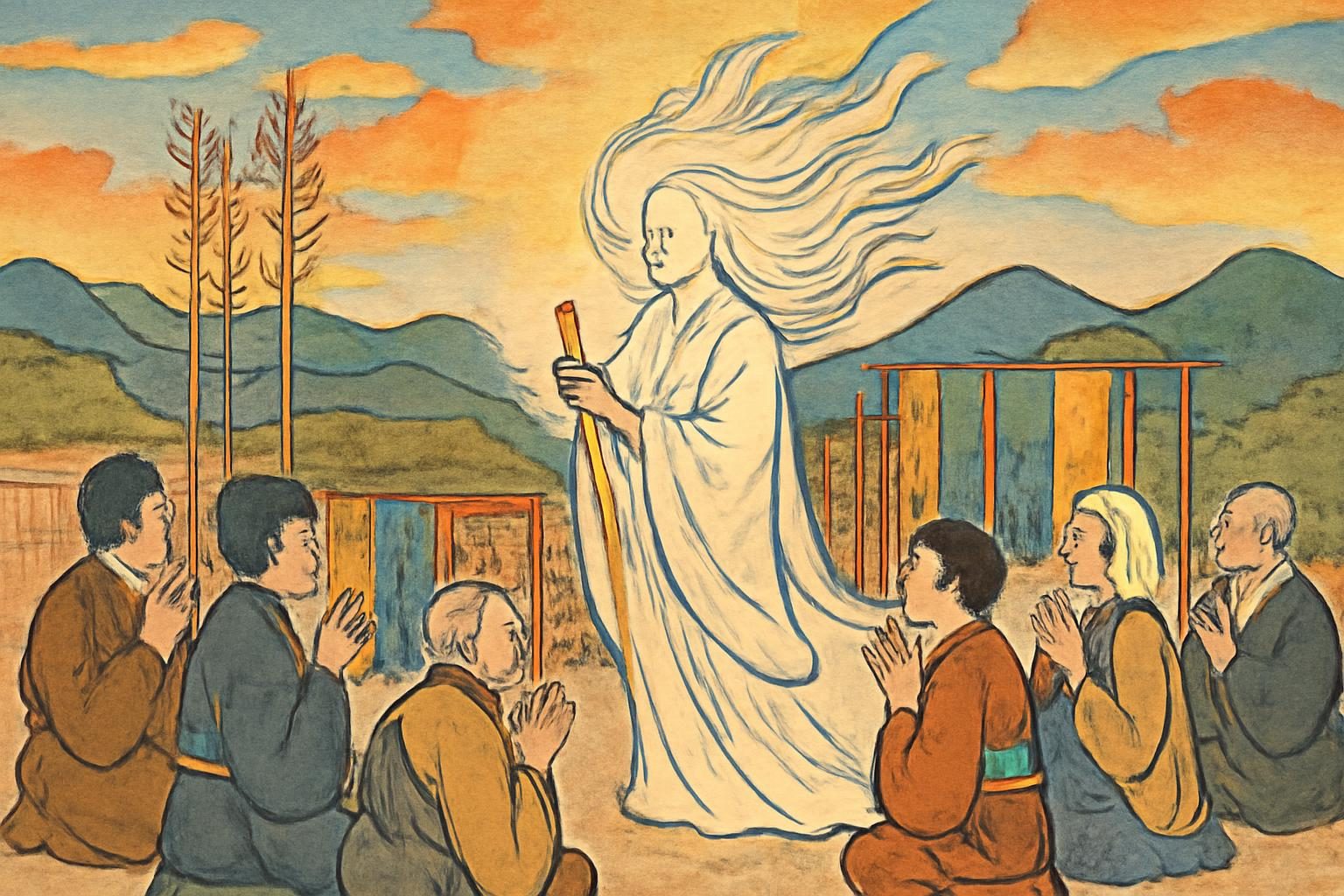
    Celestial spirit overseeing a winter solstice ritual at Shiromine-ji, surrounded by worshippers in a snowy landscape.
    AI生成イメージ / AI-generated illustration (not a photograph of the actual place)

    The History and Sacred Foundations of Mt. Shiramine

    FACT: Historical Context

    Mt. Shiramine, where Shiromine-ji is situated, has long been considered a sacred site. The temple itself is steeped in history, serving as a spiritual center for pilgrims and locals alike. Its location in the Goshikidai highlands offers a serene environment that enhances the spiritual experience. The mountain’s name, ‘Shiramine’, meaning ‘white peak’, suggests a place of purity and spiritual elevation, which is fitting for a site that has been a beacon of faith for centuries.

    The historical significance of Mt. Shiramine extends beyond its spiritual role. It has been a place of pilgrimage for generations, with its natural beauty and spiritual aura attracting those seeking enlightenment. The mountain’s pristine environment, coupled with its historical and cultural ties, makes it a vital part of the region’s spiritual landscape.

    香川県坂出市白峰寺 - panoramio - Shiromineji, Photos from Panoramio
    “香川県坂出市白峰寺 – panoramio” (Shiromineji, Photos from Panoramio) by iPhone修理/カスタマイズパーツ販売…, CC BY 3.0, source, via Wikimedia Commons

    The Winter Solstice Hoshi Matsuri: Rituals and Meanings

    FACT: Ritual Practice

    The Winter Solstice ‘Star Ritual’ (Hoshi Matsuri) is held at Shiromine-ji in the Goma Hall on December 22 (or December 21 in leap years) at around 15:00. This ritual is one of two annual Hoshi Matsuri events, the other being on Setsubun (February 3). It is conducted to pray for safety, prosperity, and well-being, with protective amulets distributed at the Goma-dō starting at 14:00. The ritual involves a series of prayers and offerings, invoking the protection of celestial bodies, which are believed to influence the fortunes of individuals and communities.

    The ritual’s timing during the winter solstice is significant, marking a period of transition and renewal. Participants in the Hoshi Matsuri often experience a sense of rejuvenation, as they engage in the ritual’s symbolic gestures. The distribution of protective amulets serves as a tangible reminder of the blessings and protection sought during the ceremony.

    LEGEND: Celestial Influence

    According to local tradition, the Hoshi Matsuri is deeply rooted in the belief that the stars hold sway over human destiny. The ritual is said to align one’s fortunes with the favorable influences of the celestial realm. Participants often feel a renewed sense of harmony and protection, as they are symbolically shielded from misfortune by the divine forces invoked during the ceremony.

    This belief in celestial influence is woven into the fabric of the local culture, with stories and traditions passed down through generations. The ritual’s enduring appeal lies in its ability to connect participants with the cosmos, fostering a sense of unity with the universe and its guiding forces.

    Exploring the Temple Precincts: Zodiac Halls and Imperial History

    FACT: Temple Features

    The temple grounds of Shiromine-ji are rich with features that reflect its historical and cultural significance. Visitors can explore various halls dedicated to the zodiac, as well as the Shiromine Imperial Mausoleum, which is the only imperial tomb in Shikoku and holds great historical importance. Managed by the Imperial Household Agency, it offers a glimpse into Japan’s imperial past. The mausoleum is a solemn reminder of the region’s historical ties to the imperial family, adding a layer of reverence to the temple’s spiritual atmosphere.

    These features provide visitors with a deeper understanding of the temple’s role in Japan’s cultural and historical narrative. The zodiac halls, in particular, offer a unique insight into the spiritual beliefs that have shaped the region, while the imperial mausoleum underscores the temple’s enduring connection to Japan’s storied past.

    香川県坂出市白峰寺 - panoramio (9) - Shiromineji, Photos from Panoramio
    “香川県坂出市白峰寺 – panoramio (9)” (Shiromineji, Photos from Panoramio) by iPhone修理/カスタマイズパーツ販売…, CC BY 3.0, source, via Wikimedia Commons

    Nature and Scenic Views: Waterfalls and Seto Inland Sea Panoramas

    FACT: Natural Beauty

    Shiromine-ji is not only a site of spiritual significance but also a place of natural beauty. Within the temple grounds, Chigo Falls, the tallest waterfall in Kagawa Prefecture, provides a tranquil spot for reflection. The surrounding area offers stunning views of the Seto Inland Sea, making it a perfect destination for nature lovers and photographers. The interplay of natural elements and spiritual architecture creates a harmonious environment that enhances the visitor’s experience, offering moments of contemplation and inspiration.

    The temple’s natural surroundings are integral to its appeal, offering a serene backdrop to the spiritual activities that take place within its precincts. Visitors can immerse themselves in the beauty of the landscape, finding peace and inspiration in the tranquil setting.

    Practical Information for Visiting Shiromine-ji in Kagawa

    Visitors to Shiromine-ji can access the temple via JR Sakaide Station, followed by a taxi or bus ride. The temple offers free parking for approximately 200 vehicles, making it convenient for those traveling by car. Check the official website for current hours, fees, and access details. The journey to the temple itself is part of the experience, as visitors traverse through picturesque landscapes that set the tone for the spiritual exploration ahead.

    Nearby Guide

    Access

    • JR Sakaide Station (Sakaide) — From JR Sakaide Station, take a taxi for approximately 20 minutes to reach Shiromine-ji Temple. Alternatively, you can take the Kotosan Bus bound for Ogoshi or Oyabu, alight at Takaya (Tozanguchi) bus stop, then take a taxi for about 10 minutes or walk 2.5 km (approximately 1 hour) to the temple. official site
    • Parking at Shiromine-ji Temple (Sakaide) — The temple offers free parking for approximately 200 vehicles. It’s located near the temple grounds, providing convenient access for visitors traveling by car. official site

    Nearby sights

    • Chigo Falls (Sakaide) — Chigo Falls, located within the temple grounds, is the tallest waterfall in Kagawa Prefecture. It’s a serene spot to enjoy nature’s beauty and tranquility. official site
    • Shiromine Imperial Mausoleum (Sakaide) — Adjacent to the temple, the Shiromine Imperial Mausoleum is the only imperial tomb in Shikoku. It holds historical significance and is managed by the Imperial Household Agency. official site

    Where to eat

    • Sakaide Udon (Sakaide) — Sakaide is renowned for its udon noodles. Local eateries serve this specialty, offering a taste of the region’s culinary heritage. official site
    • Seto Inland Sea Seafood (Sakaide) — Enjoy fresh seafood dishes sourced from the Seto Inland Sea at various local restaurants in Sakaide. official site
    Locator map of Japan: Sakaide, Kagawa
    Legend site: Sakaide, Kagawa — Source: Map of Japan with highlight on 37 Kagawa prefecture.svg; Map: Lincun, CC BY-SA 3.0, via Wikimedia Commons

    Regional guide

    Location: Sakaide, Kagawa Prefecture

    • Shiromine‑ji Temple (Sakaide) — source

    Sources

    About the author

    JAPAN ESSENCE Editorial Team
    Our mission is to bring you Japan’s legends, myths, festivals and living traditions, through both historical fact and the stories passed down over generations.

  • Oji Fox Parade: Experiencing Tokyo’s Unique New Year’s Eve Kitsune Tradition

    Oji Fox Parade: Experiencing Tokyo’s Unique New Year’s Eve Kitsune Tradition

    Every New Year’s Eve, the streets of Kita Ward in Tokyo come alive with a mystical spectacle known as the Oji Fox Parade, or Kitsune no Gyoretsu. This unique event is steeped in folklore and offers a fascinating glimpse into Japan’s cultural tapestry. The parade is a vibrant celebration that intertwines the mystical with the modern, drawing both locals and tourists eager to experience its enchanting atmosphere.

    The start of the Kitsune no Gyoretsu parade in Ōji, Tokyo, featuring a pair of large fox masks.
    “Kitsune no Gyoretsu Starts” by Fred Cherrygarden, CC BY-SA 4.0, via Wikimedia Commons

    The Legend of the Oji Foxfires

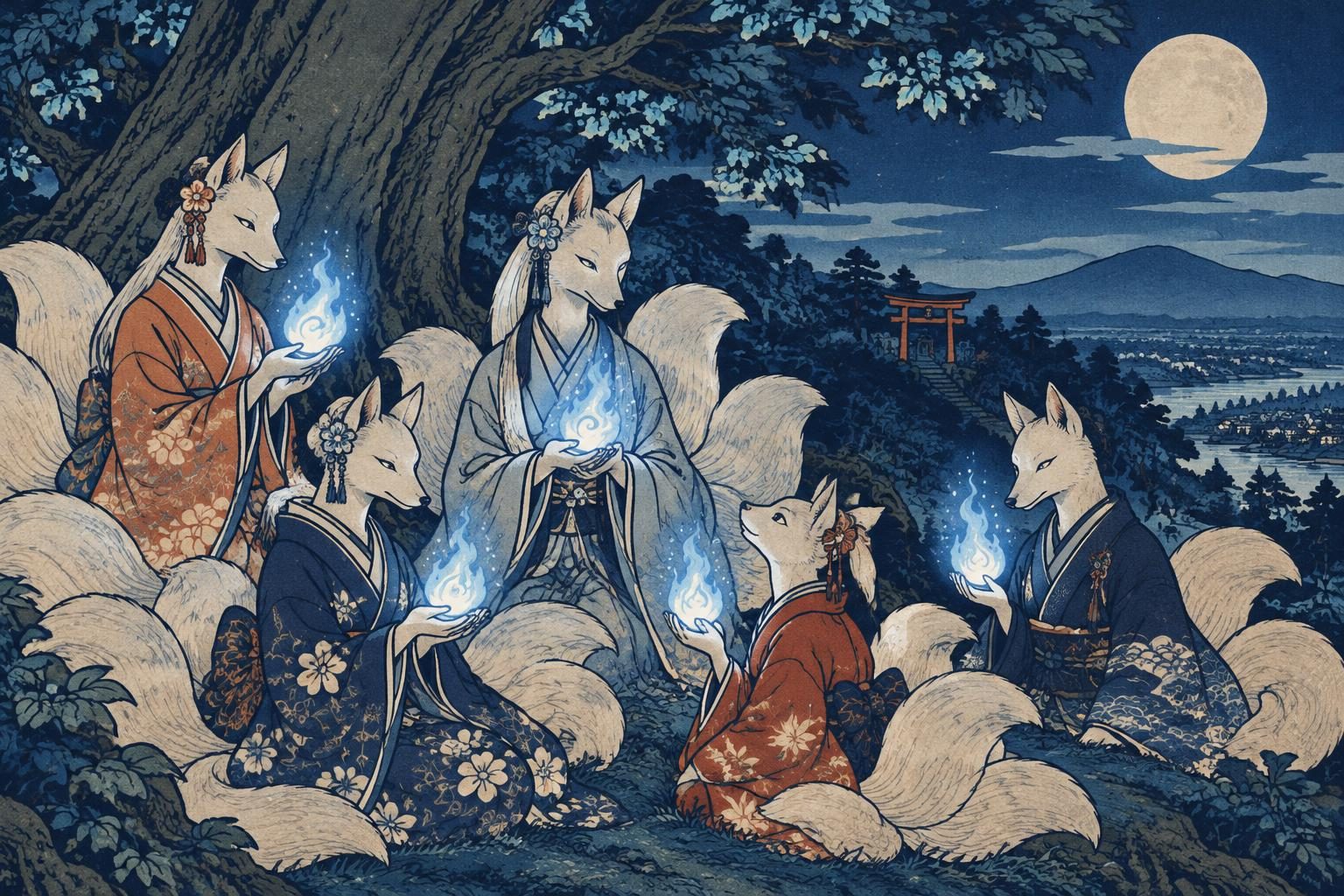
    LEGEND: Foxes Gathering Under the Hackberry Tree

    According to local legend, foxes would gather under a large hackberry tree in Oji on New Year’s Eve. These mystical creatures, believed to possess supernatural abilities, would transform into human form to visit the nearby shrines. The foxes were said to carry foxfires, or kitsunebi, which illuminated their path through the night. This magical event was a sight to behold, as the foxes, adorned with their glowing fires, created a spectacle of light and mystery. The site of this legendary gathering is now marked by the Shozoku Inari Shrine in Kita Ward, a place that continues to honor the foxes’ mythical presence.

    The legend of the foxes is deeply embedded in local culture, and the Shozoku Inari Shrine serves as a constant reminder of this enchanting tale. Visitors to the shrine can feel the lingering aura of the foxes’ presence, especially during the New Year celebrations when the legend is brought to life through the parade. The shrine’s connection to the foxes adds a layer of spiritual significance to the event, making it a meaningful experience for participants and spectators alike.

    Kitsune foxes under a hackberry tree with foxfires, in a moonlit Japanese ukiyo-e style setting.
    AI生成イメージ / AI-generated illustration (not a photograph of the actual place)

    From Ukiyo-e Print to Modern Revival

    FACT: Hiroshige’s Depiction

    The legend of the foxes in Oji was immortalized by the famous ukiyo-e artist Hiroshige in his print “Fox Fires on New Year’s Eve at the Garment Nettle Tree at Oji.” This artwork captures the ethereal beauty of the foxfires and the mysterious allure of the foxes, contributing to the legend’s enduring appeal. Hiroshige’s depiction is not just an artistic masterpiece but a cultural artifact that bridges the past and present, keeping the legend alive in the collective memory of the people.

    Hiroshige’s work is celebrated for its vivid portrayal of the natural and supernatural worlds. The print serves as a visual narrative that invites viewers to imagine the mystical gathering of foxes, their flickering fires casting an otherworldly glow. This artistic interpretation has played a crucial role in preserving the legend, allowing it to transcend generations and remain a vibrant part of local folklore.

    FACT: Revival of the Parade

    The modern Oji Fox Parade was revived in 1993, drawing inspiration from Hiroshige’s depiction and the local folklore. This revival was a community effort to celebrate and preserve the rich cultural heritage of the area. Today, the parade is a vibrant celebration that attracts both locals and tourists eager to experience this unique blend of tradition and festivity. It serves as a reminder of the deep-rooted beliefs and stories that continue to shape the cultural landscape of Japan.

    The revival of the parade has breathed new life into the legend, transforming it from a historical narrative into a living tradition. The community’s commitment to this event highlights the importance of cultural preservation and the desire to share these stories with future generations. The parade not only honors the past but also fosters a sense of community and identity among participants and spectators.

    Oji Inari Shrine 201712 - Oji Inari Shrine
    “Oji Inari Shrine 201712” (Oji Inari Shrine) by Tak1701d, CC BY-SA 3.0, source, via Wikimedia Commons

    What Happens at the Oji Fox Parade

    FACT: Participation and Spectatorship

    Spectators can either join the parade by advance application and fee or watch the procession for free. Participants are required to dress in a kimono and wear a fox face mask or makeup, adding to the visual splendor of the event. The parade route runs from Shozoku Inari Shrine to Oji Inari Shrine, with certain areas restricted to participants only. This ensures that the procession maintains its ceremonial atmosphere, allowing participants to fully immerse themselves in the experience.

    The requirement for participants to don traditional attire and fox-themed accessories enhances the authenticity and immersive nature of the event. This dress code not only pays homage to the legend but also creates a visually cohesive and enchanting spectacle. Spectators, while not required to dress up, often engage with the event by wearing fox-themed accessories, further blurring the lines between participant and observer.

    Shozoku Inari and Oji Inari Shrines: The Route Explained

    FACT: The Historical Shrines

    Shozoku Inari Shrine marks the site of the legendary hackberry tree and serves as the starting point of the parade. This shrine is a significant cultural landmark, deeply intertwined with the legend of the foxes. The procession culminates at Oji Inari Shrine, a significant Shinto shrine established during the Heian period. The fox, as the messenger of the god Inari, is celebrated here, making it a fitting end to the fox-themed event. Visitors can explore the shrines and partake in the spiritual ambiance that permeates these sacred spaces.

    Both shrines play pivotal roles in the narrative of the parade, offering visitors a chance to connect with the spiritual and historical aspects of the legend. The journey from Shozoku Inari Shrine to Oji Inari Shrine symbolizes the foxes’ mythical passage, and participants retrace these steps, adding a layer of ritualistic significance to the event. The shrines themselves are architectural marvels, providing a serene backdrop for the festivities.

    Oji Inari Shrine 03 - Oji Inari Shrine
    “Oji Inari Shrine 03” (Oji Inari Shrine) by Tak1701d, CC BY-SA 3.0, source, via Wikimedia Commons

    How Travelers Can Attend and Participate

    FACT: Visitor Information

    To participate in the parade, visitors must pre-register online and adhere to the dress code of kimono and fox-themed attire. This ensures that the parade maintains its traditional aesthetic and cultural significance. For those who prefer to watch, the event is free, but it’s advisable to arrive early to secure a good viewing spot. The parade offers a unique opportunity to witness a living tradition that blends folklore with contemporary celebration. Check the official website for current hours, fees, and access details to plan your visit effectively.

    Attending the Oji Fox Parade is not just about witnessing a cultural event; it’s about stepping into a world where legend and reality intertwine. The parade provides an opportunity for cultural exchange and understanding, inviting visitors to participate in a tradition that has been cherished for generations. Whether as a participant or a spectator, the experience is sure to leave a lasting impression.

    Nearby Guide

    Access

    • Oji Station (Tokyo) — 6-minute walk from Oji Station on the JR Keihin-Tohoku Line North Exit. official site

    Nearby sights

    • Oji Inari Shrine (Tokyo) — Established during the Heian period (794-1185), this Shinto shrine is home to the god Inari. The fox is the god’s messenger, and to honor this foxy agent, local people parade past the shrine as foxes every New Year’s Eve. official site

    Where to eat

    • Toridai (Tokyo) — A popular restaurant in the Jujo Ginza shopping district, known for its affordable and delicious chicken meatballs. official site
    Locator map of Japan: Kita Ward, Tokyo
    Legend site: Kita Ward, Tokyo — Source: Map of Japan with highlight on 13 Tokyo prefecture.svg; Map: Lincun, CC BY-SA 3.0, via Wikimedia Commons

    Sources

    About the author

    JAPAN ESSENCE Editorial Team
    Our mission is to bring you Japan’s legends, myths, festivals and living traditions, through both historical fact and the stories passed down over generations.

  • Experiencing the Winter Solstice Hoshi Matsuri at Shiromine-ji Temple in Kagawa

    Experiencing the Winter Solstice Hoshi Matsuri at Shiromine-ji Temple in Kagawa

    At Shiromine-ji Temple in Sakaide, Kagawa Prefecture, the winter solstice is celebrated with a unique festival known as Hoshi Matsuri, or the Star Festival, which marks the beginning of a series of traditional New Year customs.

    香川県坂出市白峰寺
    “香川県坂出市白峰寺 – panoramio (14)” by iPhone修理/カスタマイズパーツ販売…, CC BY 3.0, via Wikimedia Commons

    Introduction to Shiromine-ji Temple on Mount Shiromine

    FACT: Historical Significance of Shiromine-ji

    Shiromine-ji Temple, located on Mount Shiromine in Sakaide, is the 81st temple of the Shikoku Pilgrimage, a revered Buddhist pilgrimage route that encompasses 88 temples across the island of Shikoku. Established over 1,200 years ago, the temple is not only a place of worship but also a site of historical importance, with connections to Emperor Sutoku and the famous poet Saigyo Hoshi. The temple’s serene setting on the Goshikidai plateau offers visitors a tranquil escape with panoramic views of the surrounding landscape. The temple’s architecture and its historical artifacts provide a glimpse into the rich cultural tapestry of the region, making it a significant destination for both pilgrims and history enthusiasts.

    Japanese ukiyo-e style print of a celestial spirit at Hoshi Matsuri with participants in Sakaide landscape.
    AI生成イメージ / AI-generated illustration (not a photograph of the actual place)

    The Winter Solstice Hoshi Matsuri Star Festival

    LEGEND: The Star Festival Tradition

    According to local tradition, the Hoshi Matsuri at Shiromine-ji is a celebration that honors the stars and celestial bodies, believed to influence the fortunes of the coming year. The festival involves a series of rituals and ceremonies aimed at purifying the spirit and warding off evil. Participants gather at the temple to offer prayers and light candles, symbolizing the illumination of the soul and the guidance of the stars. The festival is deeply rooted in the belief that the alignment of stars during the winter solstice holds special significance for the community. This alignment is thought to bring about a time of renewal and reflection, where the energies of the universe are harnessed to guide individuals in the new year.

    LEGEND: Rituals and Symbolism

    During the Hoshi Matsuri, the temple grounds are transformed into a mystical space filled with the glow of countless candles. According to tradition, these candles represent the stars themselves, each one a beacon of hope and guidance. The lighting of candles is accompanied by the chanting of sutras, which are believed to invoke the protection of celestial beings. The atmosphere is one of reverence and community, as participants join together in a shared spiritual journey. This communal aspect of the festival underscores the importance of collective harmony and the shared aspiration for a prosperous year ahead.

    香川県坂出市白峰寺 - panoramio - Shiromineji, Photos from Panoramio
    “香川県坂出市白峰寺 – panoramio” (Shiromineji, Photos from Panoramio) by iPhone修理/カスタマイズパーツ販売…, CC BY 3.0, source, via Wikimedia Commons

    New Year’s Eve Bell Ringing (Joya-no-Kane) and Zodiac Charms

    FACT: Joya-no-Kane Ritual

    On New Year’s Eve, Shiromine-ji Temple hosts the Joya-no-Kane ritual, where the temple bell is rung 108 times. This tradition, observed across Japan, symbolizes the removal of 108 earthly desires and sins, paving the way for a fresh start in the new year. Visitors are invited to participate in this cleansing ritual, which is believed to bring peace and prosperity. The sound of the bell reverberates through the crisp night air, creating a moment of reflection and renewal. Each toll of the bell is said to cleanse a specific desire, allowing participants to enter the new year with a purified mind and spirit.

    FACT: Zodiac Charms and New Year Traditions

    Alongside the bell ringing, the temple offers zodiac charms and talismans for the new year. These charms, representing the animal of the Chinese zodiac for the upcoming year, are believed to offer protection and good fortune. Many visitors purchase these charms as part of their Hatsumode, or first shrine visit of the year, a practice that involves praying for health and happiness in the year ahead. The charms are often intricately designed and are cherished as personal amulets that embody the hopes and aspirations of the bearer. The exchange of these charms among family and friends is a gesture of goodwill and a wish for mutual prosperity.

    Shusho-e: New Year Prayer Rituals from January 1 to 3

    FACT: New Year Celebrations at Shiromine-ji

    From January 1 to 3, Shiromine-ji holds Shusho-e, a series of prayer rituals that mark the beginning of the new year. These ceremonies involve chanting and offerings to the temple’s deities, seeking blessings for the community and the world. The temple grounds are adorned with traditional decorations, and visitors can enjoy the peaceful atmosphere while participating in these age-old customs. The rituals are a time for introspection and gratitude, as participants express their hopes for the coming year and reflect on the lessons of the past. The Shusho-e ceremonies are a testament to the enduring spiritual traditions that continue to shape the cultural identity of the region.

    香川県坂出市白峰寺 - panoramio (9) - Shiromineji, Photos from Panoramio
    “香川県坂出市白峰寺 – panoramio (9)” (Shiromineji, Photos from Panoramio) by iPhone修理/カスタマイズパーツ販売…, CC BY 3.0, source, via Wikimedia Commons

    The Sacred Legends and 1,200-Year History of Shiromine-ji

    LEGEND: Tales of Emperor Sutoku and Saigyo Hoshi

    Local legend holds that Emperor Sutoku, who was exiled to Sanuki Province (now part of Kagawa Prefecture), spent his final days at Shiromine-ji. The temple is said to house his mausoleum, and his spirit is believed to protect the area. Additionally, the poet Saigyo Hoshi is said to have visited the temple, leaving behind a legacy of poems and stories that continue to enrich the cultural tapestry of the region. These legends are woven into the fabric of Shiromine-ji, adding layers of historical intrigue and spiritual significance to the site. Visitors to the temple can explore these stories through inscriptions and monuments that celebrate the lives and contributions of these historical figures.

    LEGEND: Emperor Sutoku’s Legacy

    According to legend, Emperor Sutoku’s spirit is a guardian of the temple and its surroundings. His story is one of tragedy and redemption, as he was once a ruler who faced political strife and exile. The temple is believed to be a place where his spirit found peace, and his presence is said to bring protection and blessings to those who visit. This legend is a poignant reminder of the complex interplay between history and spirituality, as the emperor’s legacy continues to resonate with those who seek solace and inspiration at Shiromine-ji.

    Planning Your Winter Visit to Sakaide and Goshikidai

    Visitors planning a winter trip to Sakaide can enjoy not only the spiritual and cultural experiences at Shiromine-ji but also the natural beauty of the Goshikidai plateau. The area offers various trails and scenic spots, making it an ideal destination for those seeking both reflection and adventure. The Goshikidai plateau, with its sweeping vistas and tranquil landscapes, provides a perfect backdrop for a journey of discovery and renewal. Whether you are drawn to the region for its spiritual heritage, its natural wonders, or its rich cultural history, Sakaide and the surrounding areas offer a wealth of experiences that are sure to leave a lasting impression.

    Nearby Guide

    Access

    • Seto Ohashi Memorial Park (Sakaide) — Located at the foot of the Great Seto Bridge, Seto Ohashi Memorial Park offers scenic views and is accessible by car or bus from Sakaide Station. The park is a popular spot for viewing the first sunrise of the year during Hatsumode. official site

    Nearby sights

    • Shiromine-ji Temple (Sakaide) — An ancient temple established about 1,200 years ago, Shiromine-ji is the 81st temple of the Shikoku Pilgrimage. During New Year’s Eve, visitors can participate in ringing the New Year’s Eve bell, a tradition for praying for a prosperous year ahead. The temple is also known for its guardian deities. official site
    • Saigyo Hoshi’s Path (Sakaide) — A 1.34 km trail from Oumi Shrine to Shiromine-ji Temple, said to have been taken by Saigyo Hoshi in 1168. Along the way, there are 93 stone lanterns and 88 monuments inscribed with poems from Saigyo Hoshi and Emperor Sutoku. The path offers a historical and scenic experience, especially during the New Year. official site

    Where to eat

    • Sanuki Udon (Sakaide) — A local specialty, Sanuki Udon is a type of thick wheat noodle served in various styles. Numerous udon shops in Sakaide offer this dish, with some establishments having long queues due to their popularity. For a visual guide to local gourmet spots, you can watch the following video: details
    Locator map of Japan: Sakaide, Kagawa
    Legend site: Sakaide, Kagawa — Source: Map of Japan with highlight on 37 Kagawa prefecture.svg; Map: Lincun, CC BY-SA 3.0, via Wikimedia Commons

    Sources

    About the author

    JAPAN ESSENCE Editorial Team
    Our mission is to bring you Japan’s legends, myths, festivals and living traditions, through both historical fact and the stories passed down over generations.