Category: History

歴史

  • Hirose Taisha Shrine Nara: Discover the Unique Sand-Throwing Festival

    Hirose Taisha Shrine Nara: Discover the Unique Sand-Throwing Festival

    Hirose Taisha, located in Kawai Town, Nara Prefecture, is home to a unique and ancient tradition known as the Sunakake Matsuri, or Sand-Throwing Festival, celebrated every February. This festival, deeply rooted in local culture, offers a fascinating glimpse into Japan’s rich tapestry of traditions and beliefs, particularly those surrounding agriculture and spiritual protection.

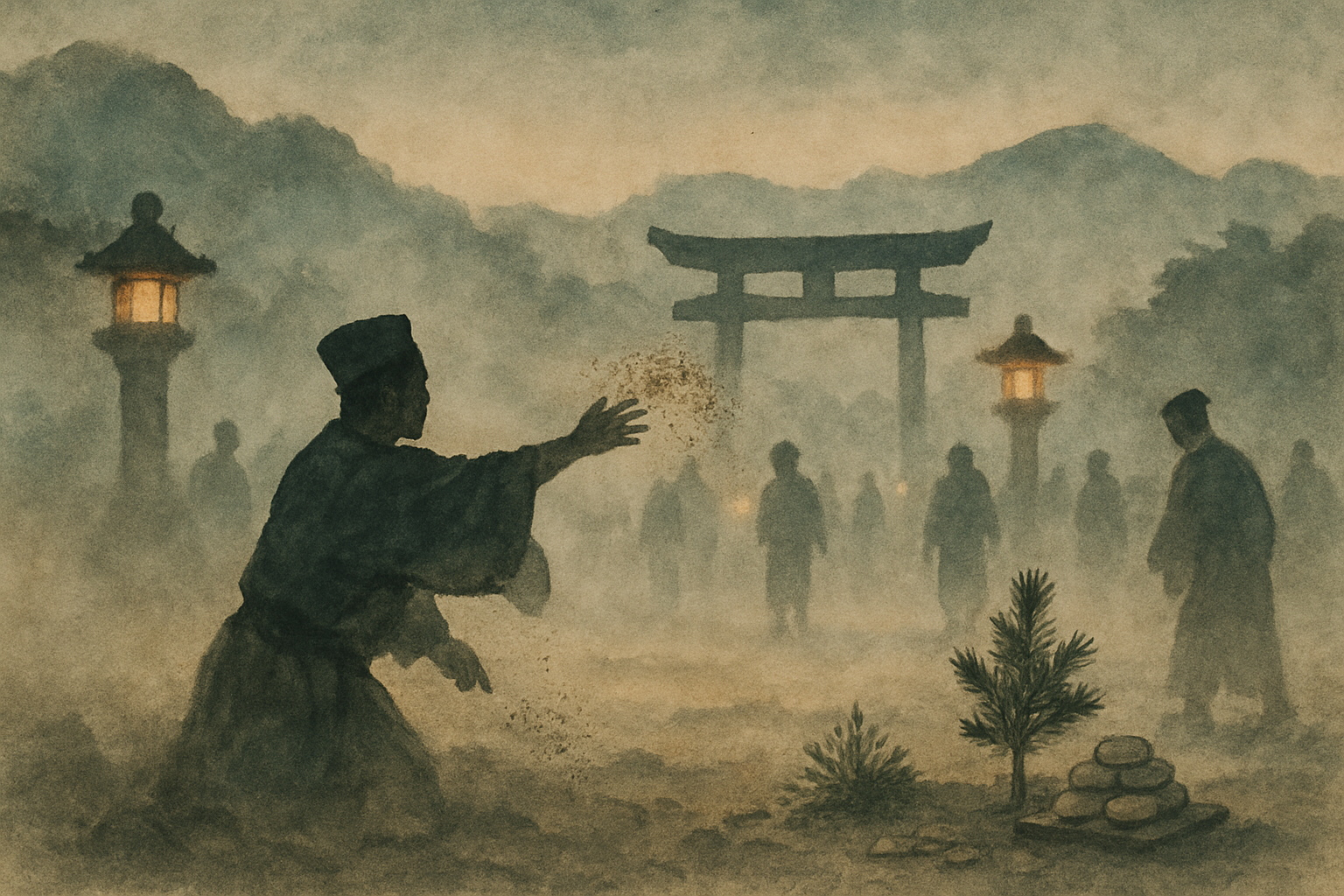
    An ink-wash scene of a mythical festival with distant figures, misty mountains, lanterns, and symbolic sand-throwing rituals.
    AI生成イメージ / AI-generated illustration (not a photograph of the actual place)

    Introduction to Hirose Taisha in Kawai Town

    FACT: What the records say

    Hirose Taisha (廣瀬大社) is a prominent Shinto shrine situated in Kawai Town, Nara Prefecture. This shrine enshrines the water deity Wakaukanome-no-Mikoto, revered for her role in ensuring the purity and abundance of water, a crucial element for agriculture. Historically, Hirose Taisha has been a site of Imperial patronage since the Heian period, reflecting its importance in the religious and cultural landscape of Japan. It is one of the Twenty-Two Shrines, a prestigious group of Shinto shrines that received special recognition and support from the Imperial Court, underscoring its historical significance.

    FACT: The historical significance of Hirose Taisha

    The origins of Hirose Taisha are said to date back to the reign of Emperor Sujin or 675 during the era of Emperor Tenmu. This suggests a longstanding historical presence that has seen the shrine play a pivotal role in the spiritual life of the region. The shrine is strategically located at the confluence of rivers in the Yamato Basin, a site that has historically been a significant area for Japanese culture and politics. This location not only enhances its spiritual significance but also its practical importance as a center for community activities related to agriculture and water management.

    The History and Significance of Hirose Taisha Shrine

    FACT: Architectural and natural beauty

    The main hall of Hirose Taisha is set in a sacred grove, offering a serene and solemn atmosphere that invites reflection and reverence. Visitors are greeted by a long, tree-lined approach that enhances the shrine’s spiritual ambiance, making the journey to the shrine itself a meditative experience. The shrine’s precincts are open to the public, and visiting is free, allowing everyone to experience its historical and cultural significance without barriers. This openness reflects the inclusive nature of Shinto practices, welcoming all who seek spiritual solace or cultural enrichment.

    Hirose Shrine Haiden 01 - Haiden in Nara prefecture, Haiden, Hirose-taisha
    “Hirose Shrine Haiden 01” (Haiden in Nara prefecture, Haiden, Hirose-taisha) by Cksword, CC BY-SA 4.0, source, via Wikimedia Commons

    What is the Sunakake Matsuri Sand-Throwing Festival?

    FACT: The festival’s origins and rituals

    The Sunakake Matsuri, or Sand-Throwing Festival, is held annually on February 11 at Hirose Taisha. This festival is part of the Onda (rice-planting) ritual known as Oimi-no-Matsuri. Participants, including farmers, ox-roles, and visitors, engage in throwing sand at one another to symbolize rain and pray for a bountiful harvest. This ritual is designated a prefectural intangible folk cultural property, highlighting its cultural importance and the role it plays in preserving local traditions.

    LEGEND: The symbolic meaning of sand-throwing

    According to legend, the act of sand-throwing during the festival is believed to ward off evil and bring good fortune. The ceremonies, known as Denjo-no-Gi and Teijo-no-Gi, involve repeated sand-throwing, followed by scattering pine-seedling-resembling matsunae and rice cakes to ensure prosperity and protection from malevolent spirits. These rituals are steeped in symbolism, with each action designed to invoke the favor of deities and ensure the community’s well-being.

    Rituals and Customs of the February Festival

    FACT: The festival’s unique characteristics

    The Sand-Throwing Festival is often described as a ‘bizarre festival of the Yamato region’ due to its distinctive customs. It has been celebrated for over 1,300 years, linking back to the Oimi-no-Matsuri associated with Emperor Tenmu. The festival’s rituals not only aim to secure a good harvest but also serve as a vibrant cultural event that attracts visitors from various regions. This longevity and continued popularity speak to the festival’s deep roots in local culture and its ability to adapt and thrive through centuries of change.

    Hirose Jinja Haiden - Haiden, Hirose-taisha
    “Hirose Jinja Haiden” (Haiden, Hirose-taisha) by Own work, CC BY-SA 3.0, source, via Wikimedia Commons

    Visiting Hirose Taisha: Atmosphere and Access

    FACT: Experiencing the shrine’s ambiance

    Visitors to Hirose Taisha can enjoy the peaceful setting of the shrine, nestled within its sacred grove. The tree-lined path leading to the main hall provides a tranquil environment, perfect for reflection and appreciation of Japan’s rich spiritual heritage. The shrine’s open access allows for an immersive cultural experience without any entry fee, making it an accessible destination for both spiritual seekers and cultural enthusiasts. The combination of natural beauty and historical significance makes Hirose Taisha a must-visit site for anyone exploring the spiritual heart of Nara Prefecture.

    Locator map of Japan: Kawai Town, Nara
    Legend site: Kawai Town, Nara — Source: Map of Japan with highlight on 29 Nara prefecture.svg; Map: Lincun, CC BY-SA 3.0, via Wikimedia Commons

    About the author — JAPAN ESSENCE Editorial Team. Our mission is to bring you Japan’s legends, myths, festivals and living traditions, through both historical fact and the stories passed down over generations.

  • Kiyomizu-dera Temple & Otowa Waterfall: History and Legends of Kyoto

    Kiyomizu-dera Temple & Otowa Waterfall: History and Legends of Kyoto

    Kiyomizu-dera, located in the Higashiyama Ward of Kyoto Prefecture, is a temple steeped in history and legend, drawing visitors from around the world to its sacred grounds and the enigmatic Otowa Waterfall. This temple is not only a spiritual haven but also a cultural icon, embodying the rich tapestry of Kyoto’s historical and religious heritage.

    Otowa-no-taki waterfall, Kiyomizu-dera
    “Otowa-no-taki waterfall, Kiyomizu-dera (3810427595)” by Andrea Schaffer from Sydney, Australia, CC BY 2.0, via Wikimedia Commons

    Introduction to Kiyomizu-dera and Higashiyama Ward

    FACT: A Historic Temple in Kyoto

    Kiyomizu-dera, officially known as Otowa-san Kiyomizu-dera, is one of Kyoto’s most celebrated temples. Founded in 778, it stands as a testament to the city’s rich cultural heritage. The temple is renowned for its wooden stage that juts out from the main hall, offering breathtaking views of the cherry and maple trees below. This stage is particularly famous during the spring and autumn months when the surrounding landscape transforms into a vibrant tapestry of colors. The architectural design of the temple reflects the ingenuity of traditional Japanese craftsmanship, which has been preserved through centuries, making it a must-see for visitors interested in historical architecture.

    FACT: The Cultural Significance of Kiyomizu-dera

    Kiyomizu-dera is not merely a religious site but a cultural treasure that has been recognized worldwide. Its inclusion in the UNESCO World Heritage list as part of the Historic Monuments of Ancient Kyoto underscores its global significance. Visitors to Kiyomizu-dera can immerse themselves in a unique blend of natural beauty and architectural wonder, making it a must-visit destination for anyone exploring Kyoto. The temple’s cultural activities and festivals provide a window into the traditional practices that have been part of Japanese life for centuries, offering a rich, immersive experience for all who visit.

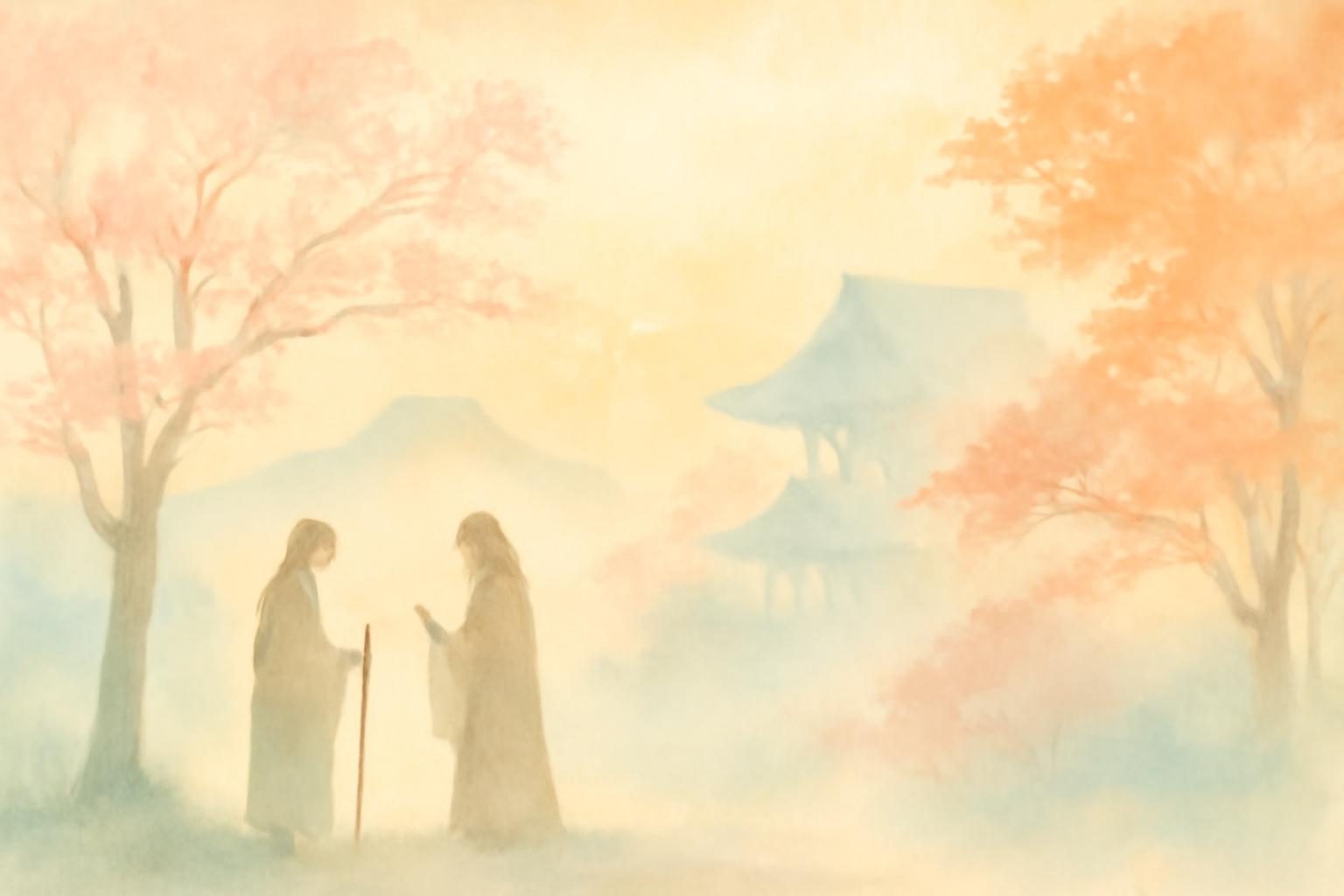
    Watercolor scene of Mount Otowa with silhouettes of two figures meeting, surrounded by mist, trees, and distant temple outlin
    AI生成イメージ / AI-generated illustration (not a photograph of the actual place)

    The Founding Legend: Monk Enchin and Mount Otowa

    LEGEND: The Divine Dream of Enchin

    According to legend, the temple’s founding is attributed to the monk Kenshin, later known as Enchin. Guided by a divine dream, he traveled to Mount Otowa, where he encountered the ascetic Gyōei-kōji. The ascetic entrusted him with a sacred tree, from which Enchin carved a statue of Kannon, the Buddhist goddess of mercy. This statue became the central icon of Kiyomizu-dera. The story of Enchin’s divine guidance and the subsequent creation of the Kannon statue is a testament to the deep spiritual roots and mystical allure that Kiyomizu-dera holds. This legend is celebrated in various forms, such as storytelling and reenactments during temple festivals, allowing visitors to engage with the rich spiritual history of the site.

    FACT: The Role of Otowa Waterfall

    The Otowa Waterfall, located within the temple grounds, played a significant role in this legend. It is said that Gyōei-kōji practiced asceticism at this very site. The waterfall’s pure waters are believed to have inspired the temple’s name, ‘Kiyomizu,’ which means ‘pure water.’ Visitors today can still partake in the ritual of drinking from the waterfall, a practice that connects them to the ancient traditions and spiritual essence of the site. The waterfall is a focal point of the temple visit, where the sound of cascading water adds to the serene atmosphere, inviting reflection and meditation.

    Four ladies wearing a yukata in front of the North Gate of Kiyomizu-dera temple Kyoto Japan - Featured pictures of Kyoto, Kit
    “Four ladies wearing a yukata in front of the North Gate of Kiyomizu-dera temple Kyoto Japan” (Featured pictures of Kyoto, Kitasomon, Kiyomizu-dera) by Basile Morin, CC BY-SA 4.0, source, via Wikimedia Commons

    The Meaning Behind Otowa Waterfall’s Three Streams

    FACT: Blessings of Longevity, Academic Success, and Love

    Otowa Waterfall is famous for its three separate streams, each believed to bestow a different blessing: longevity, academic success, and a successful love match. Visitors often drink from one stream to receive their desired blessing, as drinking from all three is considered greedy. This practice is a reflection of the waterfall’s enduring spiritual significance and the belief in its miraculous powers, which continue to draw pilgrims and tourists alike. The tradition of choosing a stream is a symbolic act that reflects personal aspirations and desires, offering a moment of introspection and hope for the future.

    General Sakanoue no Tamuramaro and the Temple’s Patronage

    LEGEND: Conversion and Patronage

    Legend tells of General Sakanoue no Tamuramaro, who encountered Enchin at the waterfall. Moved by the monk’s devotion, the general converted to Buddhism and became a principal patron of the temple, aiding in the construction of the main hall. This story highlights the historical importance of patronage in the development of religious sites and the role of influential figures in promoting Buddhism in Japan. The general’s support is commemorated in temple lore and serves as a reminder of the interconnectedness of faith and leadership in Japanese history.

    Kiyomizu-dera, Kyoto, November 2016 -01 - Autumn in Kyoto, Views of the Main Hall, Kiyomizu-dera with leaves in autumn from t
    “Kiyomizu-dera, Kyoto, November 2016 -01” (Autumn in Kyoto, Views of the Main Hall, Kiyomizu-dera with leaves in autumn from the Okunoin) by Martin Falbisoner, CC BY-SA 4.0, source, via Wikimedia Commons

    Masterpiece Architecture: The Nail-Free Kakezukuri Veranda

    FACT: An Architectural Marvel

    The main hall of Kiyomizu-dera is renowned for its kakezukuri architecture, a technique that allows the structure to extend over the hillside without the use of nails. This engineering marvel provides a stunning vantage point over the Otowa Waterfall and the surrounding landscape. The veranda’s construction is a testament to the ingenuity and craftsmanship of ancient Japanese builders, offering a glimpse into the sophisticated architectural techniques of the time. This style of construction not only demonstrates technical prowess but also reflects a deep respect for the natural environment, as it harmonizes with the landscape rather than altering it.

    FACT: The Experience of Visiting Kiyomizu-dera

    Visitors to Kiyomizu-dera can walk along the temple’s expansive veranda, taking in panoramic views of Kyoto. The experience is both awe-inspiring and serene, allowing visitors to connect with the natural beauty and spiritual tranquility that the temple offers. The kakezukuri design not only enhances the aesthetic appeal of the temple but also provides a unique perspective on the harmonious relationship between architecture and nature. This blend of human artistry and natural beauty creates a space where visitors can reflect on the balance between human endeavors and the natural world.

    Exploring Surrounding Grounds: Jishu Shrine and Okunoin

    FACT: Jishu Shrine and Love-Matching Tradition

    Within the temple grounds lies Jishu Shrine, dedicated to the deity of love and matchmaking. This shrine echoes the love-match blessing of Otowa’s streams, attracting couples and hopeful romantics. Visitors can participate in traditional rituals, such as walking between two stones with their eyes closed, to test their romantic fortune. The shrine’s popularity highlights the enduring appeal of love and romance in Japanese culture and the spiritual significance of matchmaking. The rituals performed here offer a playful yet meaningful way for visitors to engage with the cultural traditions surrounding love and relationships.

    FACT: Okunoin and Koyasu Pagoda

    Visitors can also explore Okunoin, the temple’s secondary hall, and the nearby Koyasu Pagoda. These sites, while not directly tied to the founding legend, contribute to the spiritual ambiance of Kiyomizu-dera. The pagoda is particularly associated with prayers for safe childbirth, adding another layer of spiritual significance to the temple grounds. Exploring these areas allows visitors to appreciate the diverse religious practices and beliefs that have been part of Kiyomizu-dera’s history for centuries. The presence of these structures enhances the temple’s role as a multifaceted spiritual center, offering solace and blessings for various aspects of life.

    Locator map of Japan: Kyoto (Higashiyama Ward), Kyoto
    Legend site: Kyoto (Higashiyama Ward), Kyoto — Source: Map of Japan with highlight on 26 Kyoto prefecture.svg; Map: Lincun, CC BY-SA 3.0, via Wikimedia Commons

    About the author — JAPAN ESSENCE Editorial Team. Our mission is to bring you Japan’s legends, myths, festivals and living traditions, through both historical fact and the stories passed down over generations.

  • Ichijo Modoribashi: Visiting Kyoto’s Legendary Bridge of Demons

    Ichijo Modoribashi: Visiting Kyoto’s Legendary Bridge of Demons

    Ichijo Modoribashi, located in Kyoto’s Kamigyō Ward, is a site steeped in history and legend, known for its association with the Hyakki Yagyō, or the Night Parade of One Hundred Demons. This bridge, often referred to as Japan’s oldest haunted spot, offers a fascinating glimpse into the folklore and historical narratives that have shaped Kyoto’s cultural landscape.

    晴明神社 一條戻橋
    “Seimei Jinja Ichijo modoribashi” by KENPEI, CC BY 3.0, via Wikimedia Commons

    Introduction to Ichijo Modoribashi in Kyoto

    FACT: The Historical Significance of Ichijo Modoribashi

    Ichijo Modoribashi is a bridge that spans the Horikawa River in Kamigyō Ward, Kyoto City. Historically, it marked the northern boundary of the ancient capital Heiankyo, serving as a demarcation line between the inner and outer city. This bridge has been a significant landmark since the medieval period, recognized for its cultural and historical importance. The bridge’s location at the boundary of the ancient capital not only made it a strategic point but also imbued it with a sense of transition between worlds, a theme that resonates in the legends associated with it.

    LEGEND: The Bridge of Return

    According to legend, the name ‘Modori-bashi’ or ‘Bridge of Return’ originates from a miraculous event in 918. It is said that a man named Miyoshi Kiyoyuki briefly came back to life when his son Jōzō prayed over his coffin as it crossed the bridge. This tale of resurrection imbues the bridge with an aura of mystery and supernatural significance. The story of Miyoshi Kiyoyuki’s return from the dead is a testament to the bridge’s reputation as a place where the boundaries between life and death blur, adding a layer of intrigue for visitors and locals alike.

    An ukiyo-e inspired illustration of a mystical bridge scene with vivid colors and ethereal silhouettes.
    AI生成イメージ / AI-generated illustration (not a photograph of the actual place)

    The Legend of the Bridge of Return

    FACT: The Bridge’s Rebuilding and Preservation Efforts

    The current structure of Ichijo Modoribashi was rebuilt in 1995. To preserve its historical essence, the old bridge’s newel posts were saved and are now displayed at Seimei Shrine, which is located just a five-minute walk away. This preservation effort underscores the bridge’s enduring legacy in Kyoto’s cultural heritage. The careful preservation of these relics allows visitors to connect with the bridge’s storied past, offering a tangible link to the legends that have been passed down through generations.

    LEGEND: Watanabe no Tsuna and the Demon Ibaraki-dōji

    Another captivating legend associated with Ichijo Modoribashi involves Watanabe no Tsuna, a renowned warrior and one of Minamoto no Yorimitsu’s Four Heavenly Kings. It is said that Tsuna encountered the demon Ibaraki-dōji on this bridge. Disguised as a woman, the demon attacked Tsuna, who managed to cut off its arm, an event that has been immortalized in various artworks and stories. This tale not only highlights the bridge’s role as a site of supernatural encounters but also reflects the rich tapestry of folklore that characterizes Kyoto’s historical narrative.

    Seimei Shrine, Kyoto Prefecture; September 2009 (05) - Seimei-jinja (Kamigyo Kyoto) Magic peach
    “Seimei Shrine, Kyoto Prefecture; September 2009 (05)” (Seimei-jinja (Kamigyo Kyoto) Magic peach) by nekonomania, CC BY 2.0, source, via Wikimedia Commons

    Demons and Onmyoji: Watanabe no Tsuna and Abe no Seimei

    FACT: Abe no Seimei’s Connection to the Bridge

    Abe no Seimei, the legendary onmyōji or master of yin-yang divination, is also linked to Ichijo Modoribashi. It is believed that Seimei hid his shikigami, or spirit servants, beneath the bridge. This association with Seimei further enhances the bridge’s mystical reputation. As one of Japan’s most famous historical figures, Seimei’s connection to the bridge adds an element of historical depth, inviting visitors to explore the intersection of myth and reality.

    LEGEND: The Hyakki Yagyō and the Haunted Bridge

    Ichijo Modoribashi is famously known as the site where the Hyakki Yagyō, or the Night Parade of One Hundred Demons, is said to pass. This concept first appeared in the 12th-century Konjaku Monogatari-shū and was later visualized in the Muromachi-period Hyakki Yagyō Emaki and the Edo-period Gazu Hyakki Yagyō. The bridge’s connection to this legendary parade has earned it the title of ‘Japan’s oldest haunted spot’ in modern tourism. The vivid imagery of the Hyakki Yagyō, with its procession of supernatural creatures, captures the imagination and underscores the bridge’s role as a focal point of Japanese folklore.

    Visiting Seimei Shrine and Old Bridge Relics

    FACT: Seimei Shrine’s Role in Preserving History

    Seimei Shrine, located near Ichijo Modoribashi, plays a crucial role in preserving the historical relics of the bridge. Visitors can view the old newel posts from the bridge, which are displayed within the shrine grounds. The shrine itself is dedicated to Abe no Seimei, adding another layer of historical and cultural significance to the area. The shrine offers a serene environment where visitors can reflect on the legends and history that permeate the region, providing a deeper understanding of Kyoto’s cultural heritage.

    Seimei Shrine, Kyoto Prefecture; September 2009 (11) - Ichijo-modori § shikigami in Seimei-jinja (Kamigyo-ku, Kyoto)
    “Seimei Shrine, Kyoto Prefecture; September 2009 (11)” (Ichijo-modori § shikigami in Seimei-jinja (Kamigyo-ku, Kyoto)) by nekonomania, CC BY 2.0, source, via Wikimedia Commons

    Practical Tips for International Travelers

    When planning a visit to Ichijo Modoribashi and Seimei Shrine, it’s advisable to explore the surrounding Kamigyō Ward to fully appreciate the area’s rich history. The bridge and shrine are easily accessible by public transportation, making them convenient stops for those exploring Kyoto’s historical sites. Visitors are encouraged to take their time to absorb the atmosphere and consider the layers of history and legend that make this area a unique destination.

    Locator map of Japan: Kyoto (Kamigyō Ward), Kyoto
    Legend site: Kyoto (Kamigyō Ward), Kyoto — Source: Map of Japan with highlight on 26 Kyoto prefecture.svg; Map: Lincun, CC BY-SA 3.0, via Wikimedia Commons

    About the author — JAPAN ESSENCE Editorial Team. Our mission is to bring you Japan’s legends, myths, festivals and living traditions, through both historical fact and the stories passed down over generations.