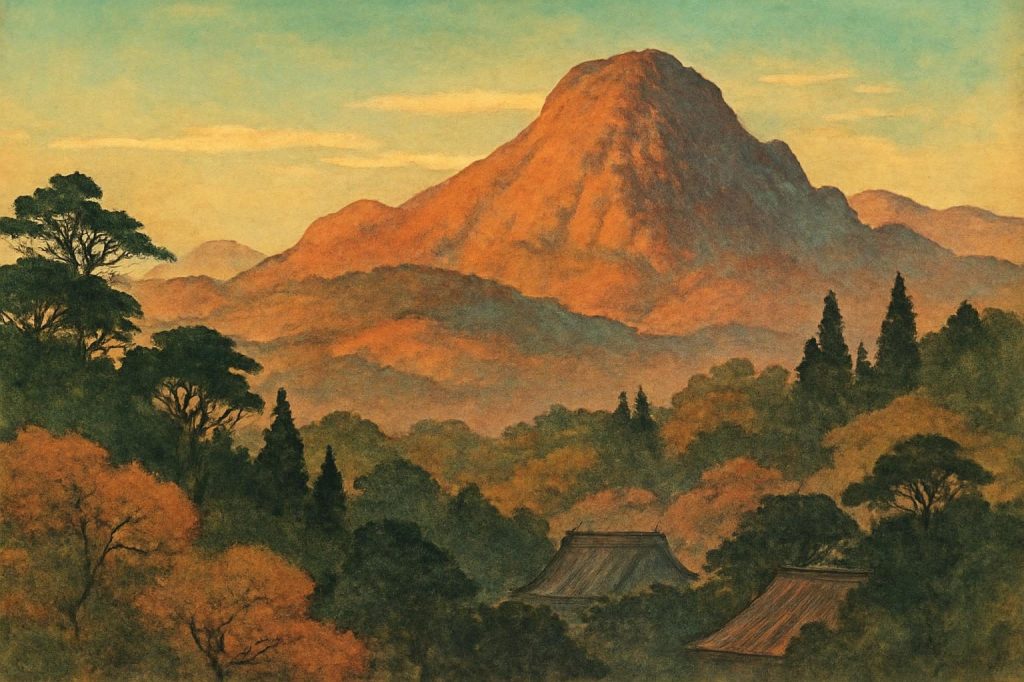
Mount Oeyama in Fukuchiyama, Kyoto Prefecture, is steeped in the rich folklore of Japan, most notably the legend of Shuten-doji, a fearsome demon said to have terrorized the region.

Introduction to Mount Oeyama and Kyoto’s Demon Legends
FACT: The Geography of Oeyama
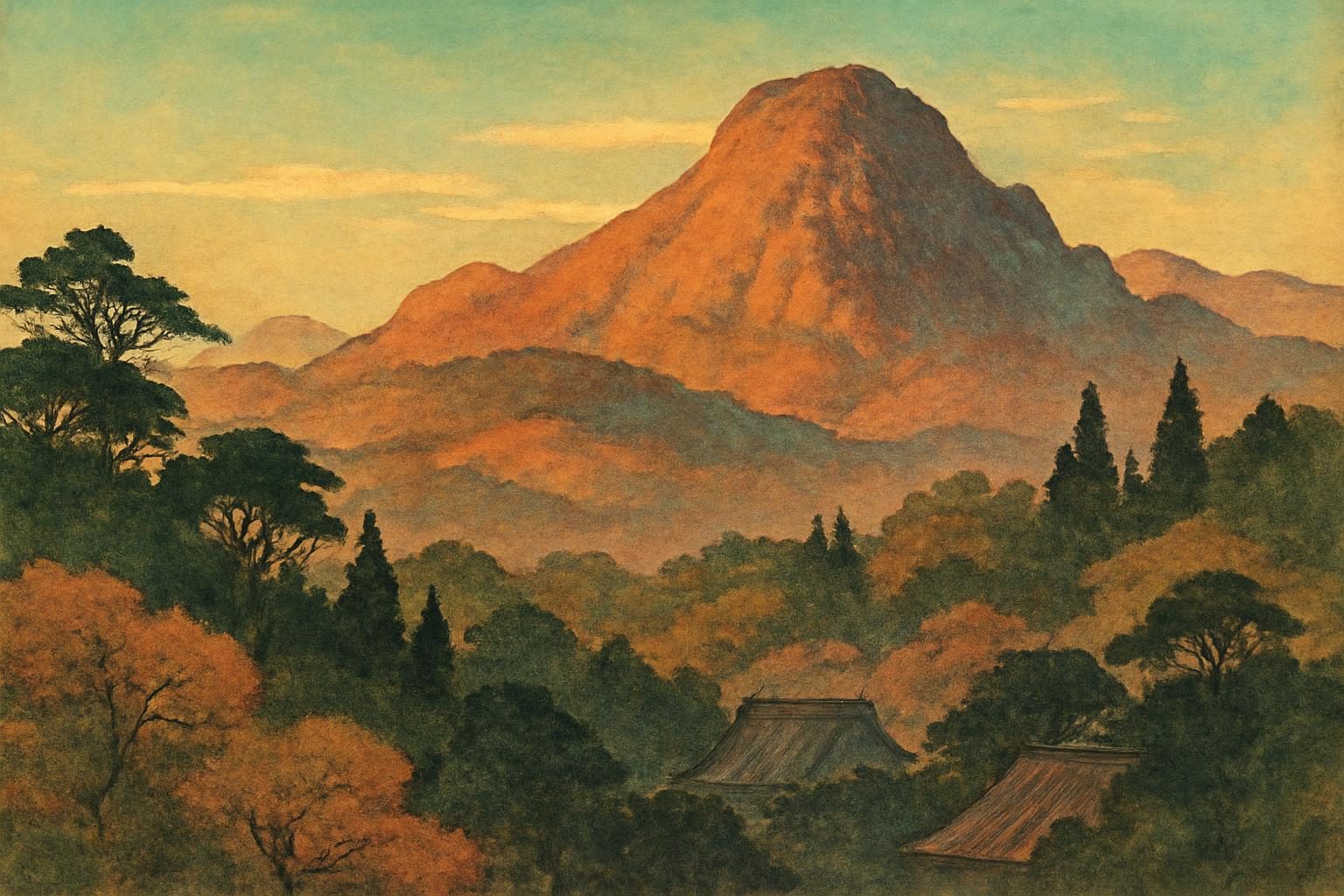
Ōeyama is a mountain range located at the base of the Tango Peninsula, extending across Yosano, Fukuchiyama, and Miyazu in Kyoto Prefecture. This range is also known by the name Yosa-no-oyama. The area is renowned not only for its natural beauty but also for its deep roots in Japanese folklore, particularly the legend of Shuten‑dōji. The mountains provide a picturesque landscape that attracts both nature lovers and those interested in the cultural stories embedded in the region.
Visitors to Ōeyama can enjoy the scenic beauty of the mountain range, which offers a variety of hiking trails and panoramic views. The landscape is characterized by lush forests and rugged terrain, making it a popular destination for outdoor enthusiasts. The region’s connection to the Shuten‑dōji legend adds a layer of mystique to the experience, inviting visitors to explore the stories that have been woven into the fabric of the land.
The Legend of Shuten-doji: History and Folklore
LEGEND: The Tale of Shuten-doji
According to the 14th-century Ōeyama Ekotoba, Shuten‑dōji was a notorious demon who made Mount Ōe his home. The legend tells of his reign of terror, during which he abducted young women from Kyoto. His story is a classic narrative of good versus evil, culminating in his defeat at the hands of Minamoto no Raikō, a legendary hero. This tale has been passed down through generations, capturing the imagination of many and becoming a staple of Japanese folklore.
The story of Shuten‑dōji is often depicted in various forms of art and literature, highlighting its significance in Japanese culture. The demon’s fearsome nature and the heroic deeds of Minamoto no Raikō are celebrated in numerous paintings, plays, and stories. These artistic interpretations not only preserve the legend but also offer insights into the cultural values and societal norms of the time.
FACT: The Ōeyama Ekotoba
The Ōeyama Ekotoba, or the Tale of Mount Ōe in Pictures and Words, is the oldest surviving illustrated scroll of the Shuten‑dōji legend, dating back to the 14th century. This scroll is a crucial historical document, preserving the narrative and artistic interpretations of the legend. It offers a visual representation of the story, providing insights into the cultural and artistic context of the time.
The illustrations in the Ōeyama Ekotoba are rich in detail, depicting the various scenes and characters from the legend. These images serve as a window into the past, showcasing the artistic styles and techniques used by the creators. The scroll is not only a testament to the enduring power of the Shuten‑dōji story but also an invaluable resource for historians and art enthusiasts interested in the evolution of Japanese art.

Exploring the Oeyama Mountain Range
FACT: Visiting Ōeyama
The Ōeyama mountain range is not only a place of natural beauty but also a site of cultural significance due to its connection to the Shuten‑dōji legend. Visitors can explore the area, hike the trails, and imagine the tales of old that have been told about this mystical place. The lush forests and serene landscapes offer a perfect backdrop for those seeking to immerse themselves in the legend’s atmosphere.
As visitors traverse the trails of Ōeyama, they can encounter various landmarks associated with the legend. These include ancient shrines and markers that pay homage to the stories of Shuten‑dōji and the heroes who defeated him. The experience of walking through these historical sites allows visitors to step back in time and connect with the rich tapestry of myths and legends that define the region.
Visit the Japan Oni Cultural Museum in Fukuchiyama
FACT: A Museum Dedicated to Oni Legends
Fukuchiyama City hosts the Japan Oni Cultural (Exchange) Museum at the foot of Ōeyama. This museum is dedicated to demon legends, including that of Shuten‑dōji, offering visitors a deeper understanding of the cultural significance of these stories in Japanese folklore. The museum features exhibits that explore the history and mythology of oni, providing a comprehensive look at how these creatures have been represented in Japanese culture.
The museum is an essential stop for anyone interested in the folklore of Japan. It houses a variety of exhibits, including artifacts, artworks, and interactive displays that engage visitors of all ages. Through these exhibits, the museum aims to educate and inspire, shedding light on the fascinating world of oni and their place in Japanese history and culture.
Planning Your Trip to Fukuchiyama and Oeyama
FACT: Local Festivals and Cultural Branding
Fukuchiyama hosts an Oni festival and has developed Oni-related cultural branding, such as Oni-Oni Day on February 2, based on the Ōeyama Shuten‑dōji legend. These events celebrate the local folklore and offer a unique cultural experience for visitors. The festival features traditional music, dance, and performances that bring the legend to life, allowing visitors to experience the vibrant culture of the region firsthand.
These festivals are a highlight of the local cultural calendar, attracting visitors from across Japan and beyond. They provide an opportunity to witness the living traditions of the area, with performances and activities that showcase the rich heritage of the region. Participating in these events offers a deeper connection to the stories and legends that define Fukuchiyama, making it a memorable experience for all who attend.

Regional guide
Location: Fukuchiyama, Kyoto Prefecture


_(CBL_J_1145.3).jpg)


Leave a comment