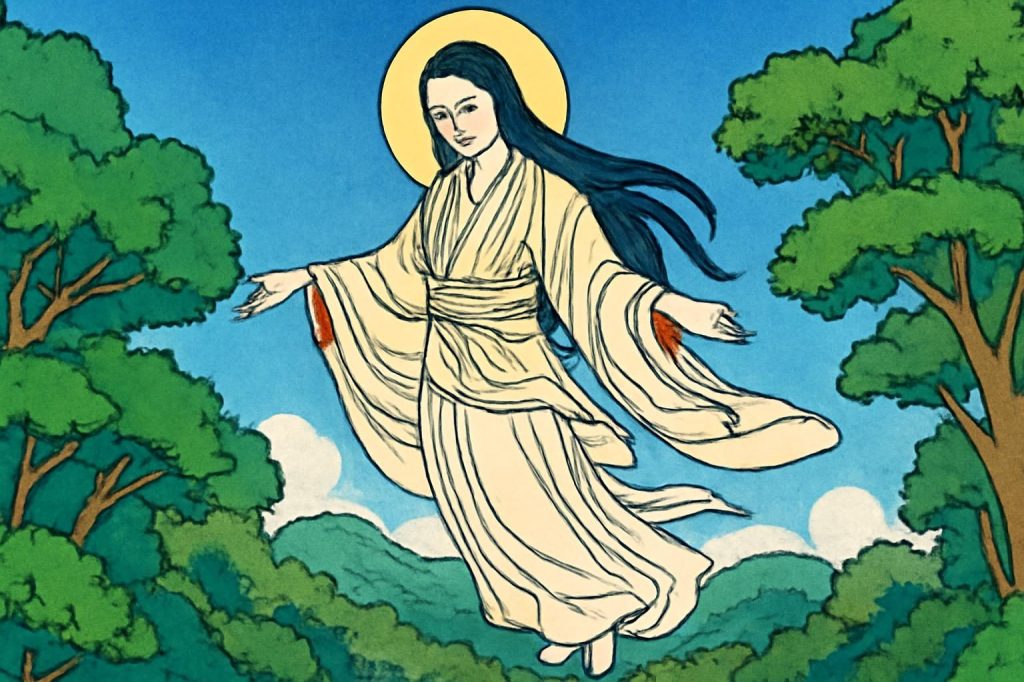
In the serene landscape of Nanjo, Okinawa Prefecture, lies Sefa-utaki, a site steeped in legend and history. This sacred grove, part of the UNESCO World Heritage ‘Gusuku Sites and Related Properties of the Kingdom of Ryukyu,’ offers a glimpse into the spiritual heart of the Ryukyu Kingdom.

Introduction to Sefa-utaki: Okinawa’s Sacred World Heritage Site
FACT: A UNESCO World Heritage Site
Sefa-utaki, located in Nanjo, Okinawa, is recognized as a UNESCO World Heritage Site, celebrated for its cultural and historical significance. It was designated a National Historic Site in 2018, underscoring its importance in the Ryukyuan cultural landscape. The site is renowned for its natural rock formations and dense forest, which contribute to its sacred atmosphere. These natural features create a serene and mystical environment that has been revered for centuries.
FACT: The Sacred Prayer Points
Sefa-utaki is home to several revered prayer points, including Ufugūi, Yuinchi, Sangūi, and Chōnohana. These areas are deeply tied to the religious practices of the Ryukyu Kingdom and are named after facilities in Shuri Castle, reflecting their historical and spiritual connections. Each prayer point serves a unique purpose in the rituals conducted here, and their names evoke the sacred traditions of the past. However, to protect the sanctity of the site, entry into the Sangūi area is now prohibited, ensuring that the spiritual integrity of Sefa-utaki is preserved for future generations.
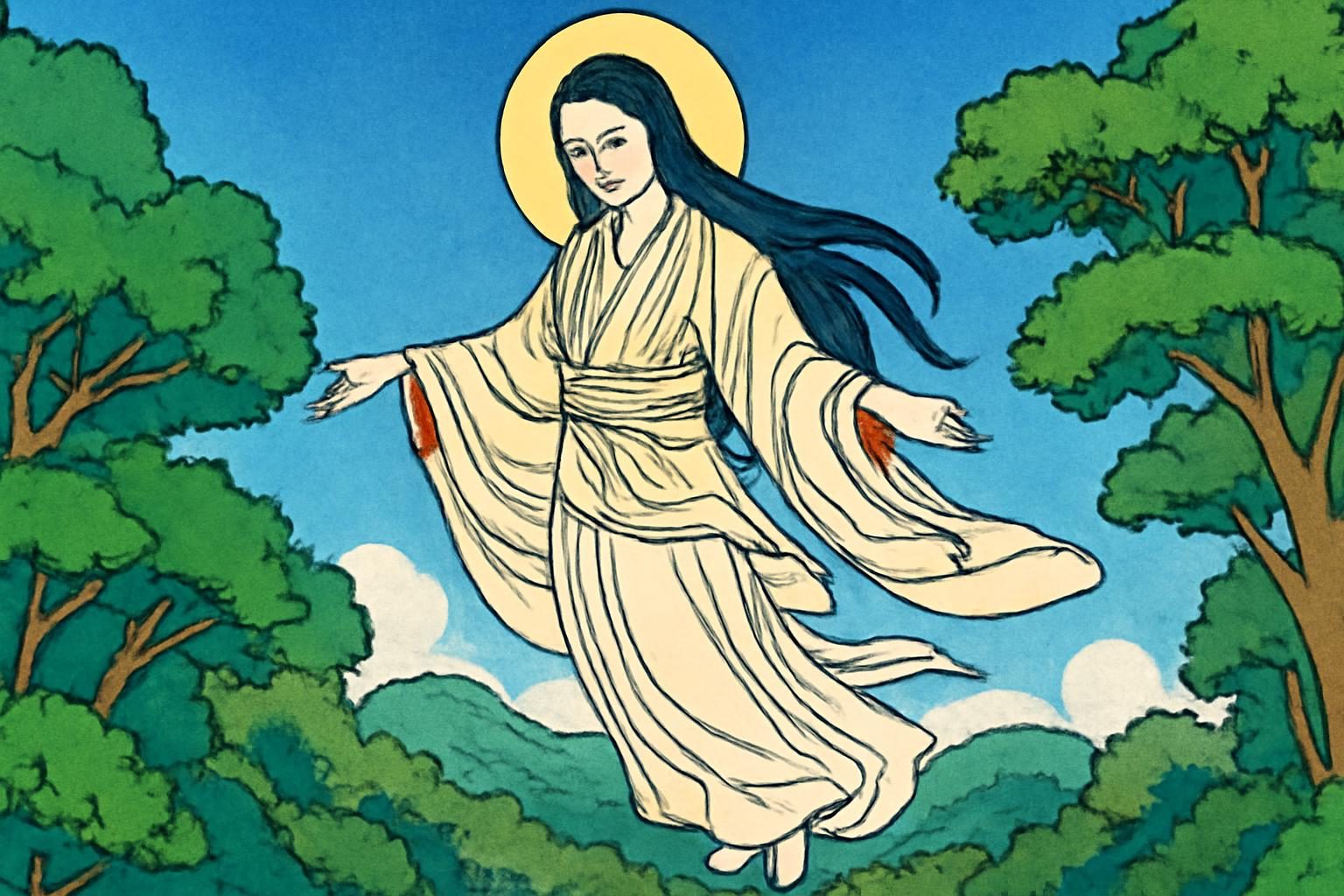
The Legend of Amamikiyo and the Creation of the Ryukyu Islands
LEGEND: The Descent of Amamikiyo
According to legend, the creator goddess Amamikiyo descended to Earth at Sefa-utaki after first arriving on Kudaka Island. The story of her descent is a cornerstone of Ryukyuan mythology, symbolizing the divine origins of the islands. She is said to have established the sacred grove at Sefa-utaki, which became a focal point for spiritual activities. Following this, she is believed to have built Tamagusuku Castle and Chinen Castle, laying the foundations for the Ryukyu Kingdom and its cultural heritage.
FACT: Amamikiyo’s Role in Ryukyuan Mythology
Amamikiyo is revered as the Ryukyuan creator goddess who, along with Shinerikyu, created the land, people, and several utaki (sacred sites). Her mythological journey from Kudaka Island to Sefa-utaki is a cornerstone of Ryukyuan spiritual beliefs. The goddess’s actions are seen as the genesis of the Ryukyu Islands, and her influence is evident in the numerous sacred sites attributed to her creation. This mythology underscores the deep connection between the people of Okinawa and their spiritual landscape.

Royal Rituals and the History of the Ryukyu Kingdom
FACT: Rituals at Sefa-utaki
Sefa-utaki served as a focal point for royal and priestess rituals in the Ryukyu Kingdom. It was the site for the inauguration of the Kikoe-ōgimi, the supreme priestess, and the Oaraori, a royal pilgrimage. These rituals highlight the site’s central role in the spiritual and political life of the kingdom, where the divine and royal spheres intersected. The Kikoe-ōgimi played a crucial role in maintaining the spiritual well-being of the kingdom, and her inauguration at Sefa-utaki signified the divine approval of her role.
Visiting Nanjo: Tamagusuku Castle and Surrounding Landmarks
FACT: Tamagusuku Castle Ruins
Located in Nanjo, the Tamagusuku Castle Ruins are tied to the legend of Amamikiyo, who is said to have built the castle after descending to Earth. While archaeological evidence of deity involvement is mythical, the ruins remain a significant historical site reflecting the architectural style of the Ryukyu Kingdom. Visitors to the ruins can explore the remnants of this once-majestic castle, gaining insight into the region’s rich history and the enduring legacy of its legends.
FACT: The Cultural and Spiritual Significance of Sefa-utaki
Sefa-utaki is considered one of the most sacred sites in Okinawa. Traditionally, it was off-limits to men, emphasizing its spiritual purity and the reverence in which it was held. The site’s cultural and spiritual significance is deeply embedded in the identity of the Okinawan people, serving as a reminder of their ancestral roots and the divine origins of their land. As visitors walk through the sacred grove, they are enveloped in the tranquility and mysticism that have characterized Sefa-utaki for centuries.


Related on JAPAN ESSENCE: Miho no Matsubara: Exploring Japan’s Legendary Pine Grove and Mount Fuji Views | Exploring Tōno: The Heart of Japanese Folklore and Yokai Legends
Regional guide
Location: Nanjo, Okinawa Prefecture
- Tamagusuku Castle Ruins (Nanjo) — source
For centuries, onigawara (demon roof tiles) have guarded Japanese rooftops from evil. You can find onigawara pieces at Oni Koubou. Want to see Japanese roof tiles up close? Try a hands-on tile workshop at Kawara Koubou.


Leave a comment