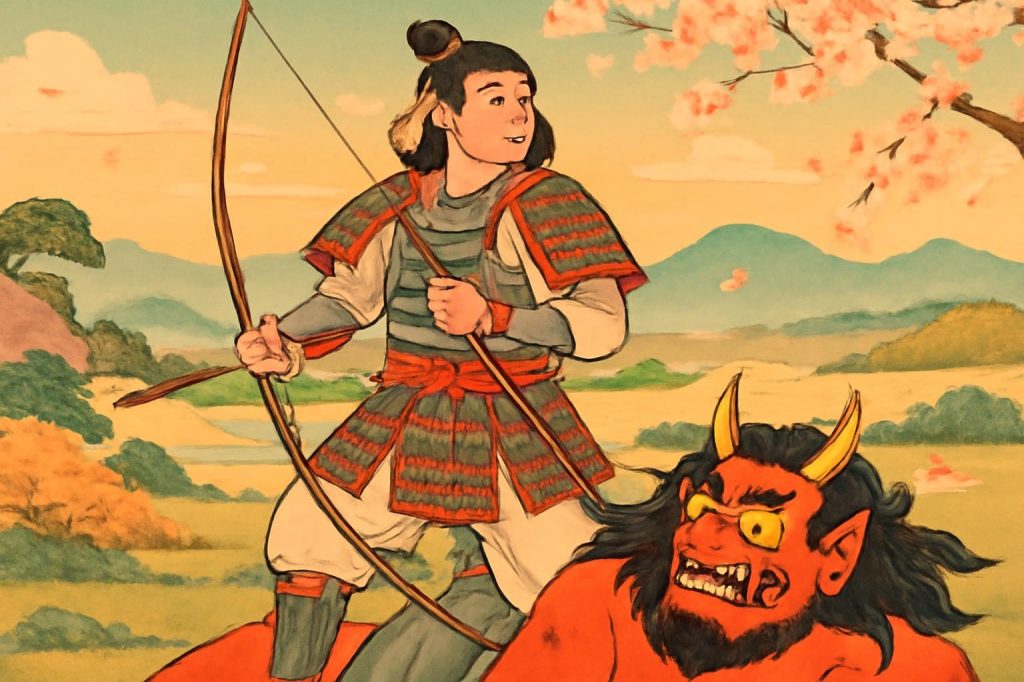
Kibitsu Shrine in Okayama City, Okayama Prefecture, is a place where history and legend intertwine, offering visitors a glimpse into the origins of the famous Japanese tale of Momotaro. This shrine is not only a site of cultural significance but also a gateway into the fascinating world of folklore.
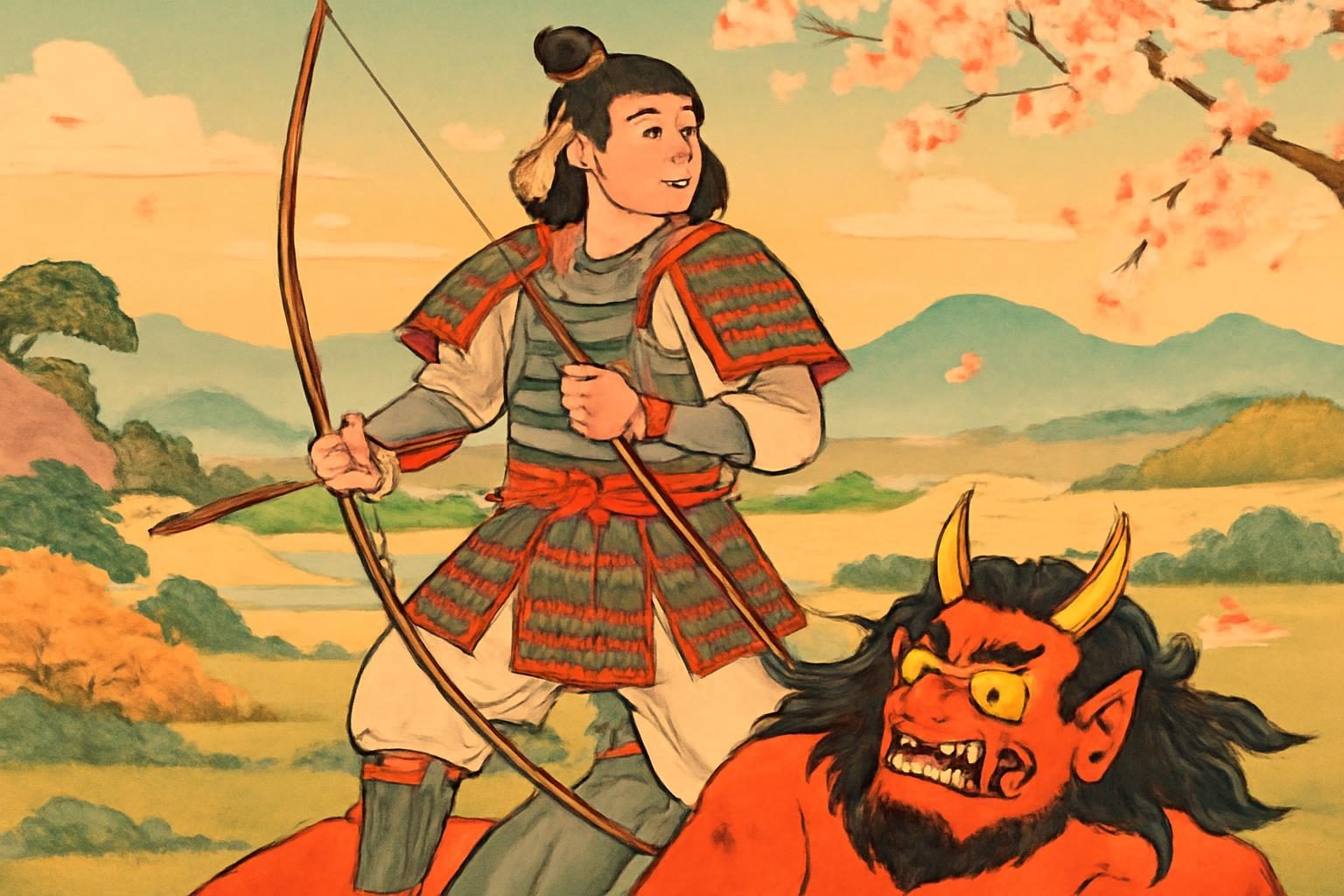
Introduction to Kibitsu Shrine and the Momotaro Legend
FACT: Kibitsuhiko-no-Mikoto and the Shrine
Kibitsu Shrine, located in Kita Ward, Okayama City, enshrines Kibitsuhiko-no-Mikoto, a historical figure believed to have inspired the legendary hero Momotaro. According to historical records, Kibitsuhiko-no-Mikoto was a prince who played a significant role in the ancient Kibi region. The shrine stands as a testament to his legacy and the cultural heritage of the area. Visitors to the shrine can explore its grounds and reflect on the historical importance of Kibitsuhiko-no-Mikoto, whose story has been intertwined with the local culture for centuries.
The shrine itself is a marvel of historical architecture, offering a serene environment where visitors can engage with Japan’s rich past. The presence of Kibitsuhiko-no-Mikoto is felt throughout the shrine, from the main sanctuary to the smaller altars, each telling a part of the story that has shaped the region’s identity. As you walk through the shrine, the connection to the past is palpable, providing a unique opportunity to delve into the history that has inspired one of Japan’s most beloved legends.
LEGEND: The Demon Ura and the Heroic Tale
According to legend, Kibitsuhiko-no-Mikoto was responsible for slaying a demon named Ura, who terrorized the Kibi region. This tale of heroism and adventure is thought to be the foundation of the Momotaro story, a beloved Japanese folktale about a boy born from a peach who defeats demons with the help of animal companions. The legend is deeply rooted in the local culture and continues to be celebrated in various forms, from festivals to storytelling events. This enduring legend captivates the imagination of visitors, drawing them into the mythical past of the region.
The story of Ura’s defeat is not just a tale of victory but also one of moral righteousness. It reflects the values of courage and justice, which are celebrated in the region. The narrative has been passed down through generations, often recounted during local festivals where actors reenact the epic battle, bringing the legend to life for both locals and tourists. These celebrations serve as a reminder of the cultural heritage that Kibitsu Shrine preserves, making it a living museum of folklore.
The Historical Roots: Kibitsuhiko-no-Mikoto and the Demon Ura
FACT: Historical Records of the Legend
The earliest mention of the legend involving Kibitsuhiko-no-Mikoto defeating an ogre is found in the Kibitsu-jinja Shrine Solicitation Book from 1583. This document provides evidence that the story has been passed down for centuries, highlighting its enduring presence in the cultural fabric of Okayama. The Solicitation Book is a crucial piece of historical literature that not only anchors the legend in a specific time but also underscores the importance of oral traditions in preserving cultural heritage.
This record serves as a testament to the power of storytelling in maintaining cultural identity. It highlights how the legend has been a part of the community’s collective memory, influencing local customs and traditions. The Solicitation Book is an invaluable resource for historians and cultural enthusiasts alike, offering insights into the ways in which folklore and history are interwoven in the region.
LEGEND: The Story of Ura’s Defeat
In the legendary narrative, Kibitsuhiko-no-Mikoto confronts Ura, a fearsome demon residing on Mt. Kinojo. The battle between the two is said to have taken place in the vicinity of Kibitsu Shrine, adding a layer of mystique to the site. The tale is a classic example of good triumphing over evil, a theme that resonates with audiences even today. According to local lore, the defeat of Ura by Kibitsuhiko-no-Mikoto is not just a story of victory but also one of moral righteousness, reflecting the values of courage and justice that are celebrated in the region.
Visitors to the area can follow the trail of the legend by exploring nearby sites associated with the story. Mt. Kinojo, for instance, is believed to be the stronghold of Ura, offering a tangible connection to the legend. These sites provide a deeper understanding of the narrative, allowing visitors to experience the landscape that inspired such enduring tales.

Stunning National Treasure Architecture: The Kibitsu-zukuri Style
FACT: Architectural Significance of Kibitsu Shrine
The Main Sanctuary (honden) and Worship Hall (haiden) of Kibitsu Shrine were rebuilt in 1425 in the unique Kibitsu-zukuri style. This architectural style, characterized by its hiyoku irimoya-zukuri design, is exclusive to this shrine and has earned the buildings the designation of National Treasures. Visitors to the shrine can admire the intricate craftsmanship and historical significance of these structures. The Kibitsu-zukuri style is notable for its complex roof structure, which showcases the architectural ingenuity of the period and offers a visual feast for architecture enthusiasts.
The architectural design of Kibitsu Shrine is a testament to the skill and artistry of the craftsmen who built it. The hiyoku irimoya-zukuri style is distinguished by its elegant rooflines and harmonious proportions, creating a sense of balance and beauty. This style is not only a visual delight but also a symbol of the cultural and historical significance of the shrine, reflecting the aesthetic values of the era in which it was constructed.
Walking the Legendary 400-Meter Corridor
FACT: The Covered Corridor
A distinctive feature of Kibitsu Shrine is its covered corridor, which stretches approximately 400 meters from the main hall. This corridor, designated as an Important Cultural Property of Okayama Prefecture, offers a serene and picturesque walkway for visitors. Its historical and architectural value adds to the shrine’s allure, making it a must-see for those exploring the area. Walking along this corridor, visitors can enjoy the tranquil surroundings and imagine the countless pilgrims who have traversed this path over the centuries.
The corridor’s design allows for a contemplative journey, inviting visitors to reflect on the spiritual and historical significance of the shrine. As you walk along this path, the connection to the past becomes evident, with each step offering a glimpse into the lives of those who have come before. This experience is enhanced by the natural beauty of the surroundings, creating a peaceful and meditative atmosphere.

The Mysterious Narukama Shinji Boiling Cauldron Ritual
LEGEND: Rituals and the Buried Demon
The Narukama Shinji, or Boiling Cauldron Ritual, is a unique ceremony performed at Kibitsu Shrine. According to legend, the head of the demon Ura is buried at Okamaden, a site within the shrine. During the ritual, fortunes are told based on the sounds produced by a boiling cauldron, adding an element of mysticism and intrigue to the shrine’s offerings. This ritual is a vivid reminder of the shrine’s legendary past, inviting visitors to witness a tradition that blends spirituality with folklore.
The Narukama Shinji ritual is a captivating spectacle that draws visitors eager to experience its mystical allure. The sounds of the boiling cauldron are said to convey messages from the spiritual realm, offering insights into the future. This ritual is a testament to the enduring power of legend and the ways in which it continues to shape the cultural practices of the region.
Connecting the Legend: Exploring Other Sites in Okayama
LEGEND: The Wider Landscape of the Momotaro Legend
The Momotaro legend is not confined to Kibitsu Shrine alone. Other sites in Okayama, such as Mt. Kinojo, are also linked to the tale. These locations provide a broader context for the legend, allowing visitors to immerse themselves in the story’s geographical and cultural setting. Exploring these sites offers a comprehensive understanding of the legend’s impact on the region, as well as an opportunity to appreciate the natural beauty and historical significance of Okayama.
Visitors are encouraged to explore these interconnected sites to gain a fuller appreciation of the Momotaro legend. Each location offers unique insights into the story, from the strategic vantage points of Mt. Kinojo to the sacred grounds of Kibitsu Shrine. Together, they form a tapestry of history and legend that enriches the cultural landscape of Okayama.

Related on JAPAN ESSENCE: Uncovering the Legend of Urashima Tarō at Ine’s Urashima Shrine | Tracing the Yamata no Orochi Legend Along Shimane’s Hii River
Sources
- The Legend of Momotaro | Japan‘s Local Treasures | Travel Japan (JNTO)
- A 398-meter long corridor!? The inspiration for the Momotaro legend!? [Kibitsu-jinja Shrine] – Okayama Prefecture Official Tourism Guide Explore Okayama, the La
- Kibitsu-jinja Shrine Solicitation Book|Momotaro, Find the truth behind the legend. | Okayama, Birthplace of the legend of Momotaro
To explore further, visit Zenkei (禅景) for Zen-inspired onigawara art and Kawara Kobo (瓦工房) for a hands-on kawara experience.


Leave a Reply