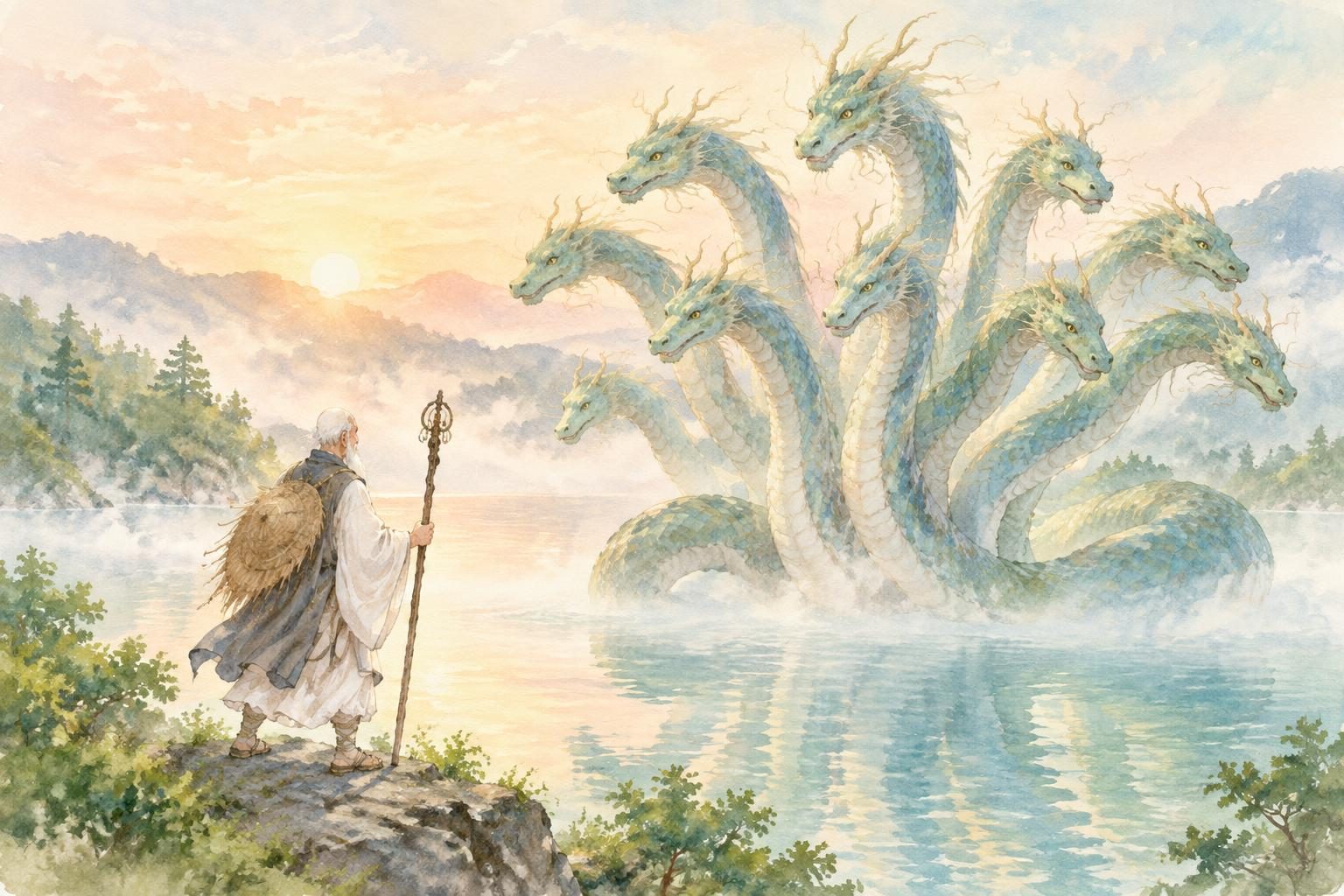
In Towada, Aomori Prefecture, the tranquil waters of Lake Towada hold a wealth of mysteries and legends, with Towada Shrine standing as a testament to the region’s ancient spiritual practices and dragon-god worship.


Introduction to Lake Towada’s Mythical Waters
FACT: The Natural Beauty of Lake Towada
Lake Towada, a stunning caldera lake, is renowned for its breathtaking scenery that changes with the seasons. Visitors can enjoy the lush greenery of spring, vibrant autumn foliage, and serene snow-covered landscapes in winter. The lake is a popular destination for outdoor activities such as canoeing, sightseeing boat rides, and cycling along its scenic shores. The natural beauty of the lake is complemented by its tranquil atmosphere, making it a perfect retreat for those seeking peace and inspiration from nature.
Beyond its visual appeal, Lake Towada’s serene environment offers a sense of spiritual renewal. The lake’s clear waters and the surrounding lush forests create an ambiance of tranquility and reflection, inviting visitors to connect with nature on a deeper level. This connection is further enhanced by the cultural and spiritual significance of the area, rooted in centuries of local traditions and beliefs.

Towada Shrine: A Historic Center of Dragon Worship
FACT: Towada Shrine’s Spiritual Significance
Towada Shrine is located on the Nakayama Peninsula, which juts into Lake Towada. Historically, it has been a central site for the worship of water deities, particularly the blue dragon. The shrine’s location on the peninsula emphasizes its connection to the water, symbolizing the harmony between the spiritual and natural worlds. The shrine also served as a hub for Shugendō, a form of Japanese mountain asceticism that combines elements of Shinto and Buddhism. Pilgrims and ascetics would visit the shrine to seek spiritual enlightenment and protection from the water gods, engaging in rituals and practices that have been passed down through generations.
The shrine’s architecture and layout reflect its spiritual importance, with structures designed to harmonize with the natural surroundings. Visitors can observe traditional Shinto architectural elements, which enhance the sacred atmosphere of the site. The presence of ancient trees and the gentle sound of water further contribute to the sense of peace and reverence that pervades the area.
FACT: Shugendō and Its Practices
Shugendō, practiced at Towada Shrine, involves rigorous ascetic exercises aimed at achieving spiritual enlightenment. This tradition is deeply rooted in the belief that spiritual power can be harnessed through physical endurance and discipline. The practitioners, known as yamabushi, would often undertake challenging pilgrimages and rituals, testing their resolve and faith. The shrine’s role in this tradition highlights its importance as a center for spiritual training and discipline, where individuals could pursue personal transformation and growth.
Yamabushi, the practitioners of Shugendō, are recognizable by their distinctive attire, which includes a conical hat and a white robe. These garments symbolize purity and the spiritual journey they undertake. The rituals performed by yamabushi often involve meditation, chanting, and physical endurance, all of which are believed to cultivate inner strength and spiritual insight. Visitors to Towada Shrine may witness these practices during special ceremonies or festivals, offering a glimpse into this profound spiritual tradition.


The Epic Legend of Nansobo and the Eight-Headed Serpent
LEGEND: The Tale of Nansobo
According to local legend, Nansobo, a revered ascetic monk, encountered an eight-headed serpent at Lake Towada. The serpent was said to terrorize the region, demanding sacrifices from the local populace. Nansobo, with his spiritual prowess, confronted the beast and ultimately subdued it, bringing peace to the area. This tale underscores the shrine’s association with dragon and serpent worship, symbolizing the triumph of spiritual power over chaos and danger. The story of Nansobo is a powerful narrative that reflects the cultural and spiritual values of the region, emphasizing the role of faith and courage in overcoming adversity.
This legend is often recounted during local festivals and gatherings, where storytellers capture the imagination of audiences with vivid descriptions of Nansobo’s bravery and the serpent’s menacing presence. The tale serves as a reminder of the enduring power of spirituality and the belief in the protective qualities of the shrine and its deities. Visitors to the area may notice references to this legend in local art and cultural expressions, further highlighting its significance in the community’s heritage.
Ascetic Tradition and the Sacred Iron-Strap Sandals
FACT: The Role of Ascetic Practices
The practice of Shugendō at Towada Shrine included rigorous ascetic exercises aimed at achieving spiritual enlightenment. One of the unique aspects of this tradition was the use of iron-strap sandals, which were believed to endow the wearer with spiritual strength and resilience. These sandals are an enduring symbol of the shrine’s historical role as a center for spiritual training and discipline. They represent the physical and spiritual journey undertaken by the practitioners, serving as a reminder of the challenges faced and the strength gained through perseverance.
These iron-strap sandals are often displayed at the shrine, allowing visitors to appreciate their historical and cultural significance. The sandals symbolize the arduous path of ascetic practice, where each step taken by the yamabushi is a testament to their commitment to spiritual growth. Observing these artifacts provides insight into the dedication required to follow the path of Shugendō and the deep spiritual connection between the practitioners and the shrine.


The Oyorigami Divination Ritual at Lake Towada
LEGEND: The Divination Practice
Oyorigami, a traditional paper divination ritual, is said to have been practiced at Towada Shrine. Participants would fold paper into specific shapes and release them onto the lake’s surface. The movement and eventual fate of the paper boats were interpreted as messages from the divine, offering guidance and insights into the future. This ritual highlights the shrine’s role as a place of spiritual communication and prophecy. The practice of Oyorigami reflects the deep connection between the natural environment and spiritual beliefs, where the lake itself becomes a medium for divine messages.
During certain times of the year, visitors may have the opportunity to participate in or observe this divination ritual, gaining a deeper understanding of its spiritual significance. The gentle release of paper boats onto the lake’s surface creates a serene and contemplative atmosphere, inviting participants to reflect on their own spiritual journey and the messages they seek from the divine. This practice underscores the harmonious relationship between the natural world and spiritual insight, a theme central to the beliefs surrounding Lake Towada.
Visiting the Sacred Sites of the Nakayama Peninsula
FACT: Exploring Towada Shrine and Surroundings
Visitors to Towada Shrine can explore the serene grounds and take in the stunning views of Lake Towada. The shrine is accessible via a short walk from the Towadako Bus Stop, making it a convenient destination for those seeking to experience the spiritual and natural beauty of the area. The nearby Maiden Statue and the lakeside promenade offer additional opportunities for reflection and enjoyment of the lake’s tranquil atmosphere. The serene setting of the shrine and its surroundings provides a perfect backdrop for contemplation and appreciation of the natural world.
The Maiden Statue, located near the shrine, is a popular spot for photography and quiet reflection. This statue, along with the shrine, forms part of a spiritual landscape that invites visitors to pause and appreciate the beauty and serenity of the area. Walking along the lakeside promenade offers a chance to fully immerse oneself in the peaceful environment, with the gentle lapping of the lake’s waters providing a soothing soundtrack to the experience.
Nearby Guide
Access
- Towadako Bus Stop (Towada) — From JR Hachinohe Station, take the JR Bus Oirase-go bound for Towadako. The journey takes approximately 2 hours and 15 minutes. Alight at Towadako Bus Stop, then walk about 10 minutes to reach Towada Shrine. details
Nearby sights
- Lake Towada (Towada) — A magnificent caldera lake known for its seasonal beauty, including fresh greenery, autumn leaves, and snowy landscapes. Visitors can enjoy activities such as canoeing, sightseeing boat rides, cycling, and strolling along the lakeside promenade. details
Where to stay
- Towada Hotel (Towada) — A hotel located by the Towada-Hachimantai National Park, offering shuttle bus service from JR Bus Towadako Station (Yasumiya) to the hotel. For convenient transportation from the airports, arriving by rental car is recommended. official site
Where to eat
- Morita (Towada) — A restaurant known for its tempura-fried dishes, offering a taste of local cuisine in a cozy setting. details
- Tochino Chaya (Towada) — Located near the famous Maiden Statue, this eatery offers traditional Japanese meals with a view of Lake Towada. details


Related on JAPAN ESSENCE: The Dragon of Masumida: Exploring Ichinomiya’s Ancient Shrine and Its Rain-Bringing Legend | The Legend of Lake Towada: Nansonobo, Dragon Deities, and the Uranai-ba Divination Spot
Sources
To explore further, visit Oni Kobo (鬼工房) for onigawara demon-tile art and charms and Kawara Kobo (瓦工房) for a hands-on kawara experience.
青森県十和田では、静かな十和田湖の水面が多くの謎と伝説を秘めており、十和田神社はこの地域の古代の精神的な実践と龍神崇拝の証として立っています。
十和田湖の神秘的な水への紹介
事実: 十和田湖の自然美
十和田湖は美しいカルデラ湖で、四季折々に変わる壮観な景色で知られています。訪れる人々は春の緑豊かな景色、秋の鮮やかな紅葉、冬の静かな雪景色を楽しむことができます。湖はカヌー、観光船、サイクリングなどのアウトドア活動の人気スポットです。湖の自然美はその静かな雰囲気によって補完され、自然からの平和とインスピレーションを求める人々にとって完璧な隠れ家となっています。
その視覚的な魅力を超えて、十和田湖の静かな環境は精神的な再生の感覚を提供します。湖の澄んだ水と周囲の豊かな森林は、静けさと内省の雰囲気を作り出し、訪れる人々が自然とより深くつながることを招きます。このつながりは、何世紀にもわたる地元の伝統と信仰に根ざした地域の文化的および精神的な重要性によってさらに強化されています。
十和田神社: 龍崇拝の歴史的中心地
事実: 十和田神社の精神的意義
十和田神社は十和田湖に突き出た中山半島に位置しています。歴史的に、水の神々、特に青龍の崇拝の中心地として知られています。半島に位置する神社は水とのつながりを強調し、精神的な世界と自然界の調和を象徴しています。神社はまた、神道と仏教の要素を組み合わせた日本の山岳修行である修験道の拠点としても機能していました。巡礼者や修行者は、精神的な啓発と水の神々からの保護を求めて神社を訪れ、世代を超えて受け継がれてきた儀式や実践に従事しました。
神社の建築とレイアウトはその精神的な重要性を反映しており、自然環境と調和するように設計されています。訪れる人々は、神聖な雰囲気を高める伝統的な神道建築の要素を観察することができます。古木の存在と水の穏やかな音が、地域に漂う平和と敬意の感覚をさらに高めています。
事実: 修験道とその実践
十和田神社で実践される修験道は、精神的な啓発を達成するための厳しい修行を含んでいます。この伝統は、身体的な耐久力と規律を通じて精神的な力を得ることができるという信念に深く根ざしています。修行者である山伏は、しばしば挑戦的な巡礼や儀式を行い、彼らの決意と信仰を試しました。この伝統における神社の役割は、精神的な訓練と規律の中心地としての重要性を強調しており、個人が個人的な変革と成長を追求することができる場所です。
修験道の修行者である山伏は、円錐形の帽子と白い衣装を含む独特の服装で知られています。これらの衣装は純粋さと彼らが行う精神的な旅を象徴しています。山伏が行う儀式は、瞑想、唱和、身体的な耐久力を含むことが多く、これらはすべて内なる強さと精神的な洞察を育むと信じられています。十和田神社を訪れる人々は、特別な儀式や祭りの際にこれらの実践を目撃することができ、この深遠な精神的伝統を垣間見ることができます。
南祖坊と八頭の蛇の壮大な伝説
伝承: 南祖坊の物語
地元の伝説によると、尊敬される修行僧である南祖坊は、十和田湖で八頭の蛇に遭遇しました。この蛇は地域を恐怖に陥れ、地元の住民から犠牲を要求していたと言われています。南祖坊はその精神的な力でこの獣に立ち向かい、最終的にそれを鎮め、地域に平和をもたらしました。この物語は、神社が龍や蛇の崇拝と関連していることを強調し、精神的な力が混沌と危険に打ち勝つことを象徴しています。南祖坊の物語は、信仰と勇気が逆境を克服する役割を強調する地域の文化的および精神的価値を反映した強力な物語です。
この伝説は、地元の祭りや集まりでしばしば語られ、語り手は南祖坊の勇敢さと蛇の恐ろしい存在を生き生きと描写して観客の想像力をかき立てます。この物語は、神社とその神々の保護的な特質への信仰と精神性の持続的な力を思い起こさせます。地域を訪れる人々は、この伝説が地元の芸術や文化的表現に見られることに気づくかもしれず、地域の遺産におけるその重要性をさらに強調しています。
修行の伝統と神聖な鉄草鞋
事実: 修行の役割
十和田神社での修験道の実践には、精神的な啓発を達成するための厳しい修行が含まれていました。この伝統のユニークな側面の一つは、鉄草鞋の使用であり、これが着用者に精神的な強さと耐久力を与えると信じられていました。これらの草鞋は、神社が精神的な訓練と規律の中心地としての歴史的役割を象徴する永続的なシンボルです。彼らは修行者が行う身体的および精神的な旅を表し、忍耐を通じて直面した挑戦と得られた強さを思い起こさせます。
これらの鉄草鞋はしばしば神社に展示されており、訪れる人々はその歴史的および文化的な重要性を鑑賞することができます。草鞋は修行の厳しい道を象徴しており、山伏が踏み出す一歩一歩が精神的成長へのコミットメントの証です。これらの遺物を観察することで、修験道の道を歩むために必要な献身と、修行者と神社との深い精神的なつながりについての洞察を得ることができます。
十和田湖での大折紙占いの儀式
伝承: 占いの実践
大折紙という伝統的な紙占いの儀式が十和田神社で行われていたと言われています。参加者は紙を特定の形に折り、湖の表面に放ちました。紙の船の動きと最終的な運命は神からのメッセージとして解釈され、未来への指針と洞察を提供しました。この儀式は、神社が精神的なコミュニケーションと予言の場としての役割を果たしていることを強調しています。大折紙の実践は、自然環境と精神的信念との深いつながりを反映しており、湖自体が神のメッセージの媒体となっています。
特定の時期には、訪れる人々がこの占いの儀式に参加したり観察したりする機会があり、その精神的な意義をより深く理解することができます。紙の船を湖の表面に優しく放つことで、静かで内省的な雰囲気が生まれ、参加者は自分自身の精神的な旅と神から求めるメッセージについて考えることができます。この実践は、自然界と精神的洞察との調和の取れた関係を強調しており、十和田湖にまつわる信念の中心的なテーマです。
中山半島の聖地を訪れる
事実: 十和田神社とその周辺を探る
十和田神社を訪れる人々は、静かな境内を探索し、十和田湖の素晴らしい景色を楽しむことができます。神社は十和田湖バス停から徒歩で短時間でアクセスでき、地域の精神的および自然の美しさを体験したい人々にとって便利な目的地です。近くの乙女の像や湖畔の遊歩道は、湖の静かな雰囲気を楽しむための追加の機会を提供します。神社とその周辺の静かな環境は、自然界の美しさと静けさを鑑賞するための完璧な背景を提供します。
神社の近くにある乙女の像は、写真撮影や静かな内省の人気スポットです。この像は神社とともに、訪れる人々に立ち止まり、地域の美しさと静けさを鑑賞するよう招く精神的な風景の一部を形成しています。湖畔の遊歩道を歩くことで、穏やかな環境に完全に浸ることができ、湖の水の穏やかな波音が体験の心地よいサウンドトラックを提供します。
周辺ガイド
アクセス
- 十和田湖バス停(十和田)— JR八戸駅からJRバスおいらせ号で十和田湖行きに乗車します。所要時間は約2時間15分です。十和田湖バス停で下車し、十和田神社まで徒歩約10分です。詳細
周辺の見どころ
- 十和田湖(十和田)— 四季折々の美しさで知られる壮大なカルデラ湖で、新緑、紅葉、雪景色を楽しむことができます。カヌー、観光船、サイクリング、湖畔の遊歩道を散策するなどのアクティビティを楽しむことができます。詳細
泊まる
- 十和田ホテル(十和田)— 十和田八幡平国立公園に位置するホテルで、JRバス十和田湖駅(休屋)からホテルへのシャトルバスサービスを提供しています。空港からの便利な交通手段として、レンタカーでの到着をお勧めします。公式サイト
食べる
- 森田(十和田)— 地元料理を味わえる天ぷら料理で知られるレストランで、居心地の良い雰囲気を提供しています。詳細
- とちの茶屋(十和田)— 有名な乙女の像の近くに位置し、十和田湖を眺めながら伝統的な和食を提供する食事処です。詳細
Related on JAPAN ESSENCE: The Dragon of Masumida: Exploring Ichinomiya’s Ancient Shrine and Its Rain-Bringing Legend | The Legend of Lake Towada: Nansonobo, Dragon Deities, and the Uranai-ba Divination Spot
Leave a Reply