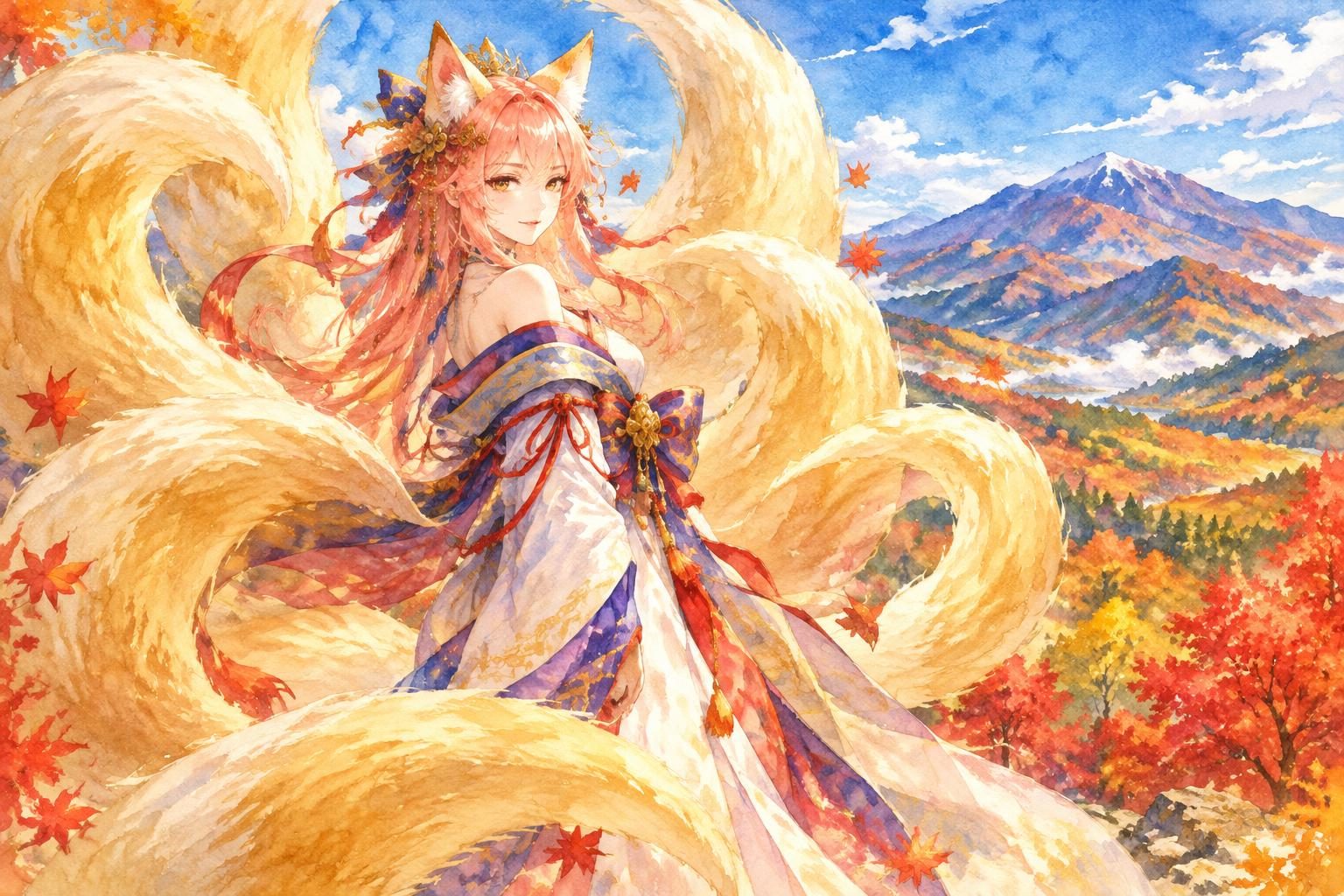
In Nasu, Tochigi Prefecture, lies a stone steeped in mystery and legend: the Sesshō-seki, or “Killing Stone.” This enigmatic boulder is said to be the transformed remains of a malevolent nine-tailed fox, Tamamo-no-Mae, whose spirit lingers in the area. The stone’s location on the slopes of Mount Nasu, near Nasu Yumoto Onsen, adds to its allure, drawing visitors eager to explore its mythical and geological significance.


What is the Sesshō-seki (Killing Stone)?
FACT: The geological reality
The Sesshō-seki is a volcanic rock located beside one of Mount Chausu’s vents, which emit toxic gases such as hydrogen sulfide and sulfur dioxide. These emissions have historically been lethal to small animals, a fact noted by the famous haiku poet Matsuo Bashō during his visit in 1689. He observed that bees and butterflies lay dead so thickly around the stone that the sand beneath was obscured. This natural phenomenon adds a layer of eerie reality to the legend, as the stone’s lethal aura is not entirely mythical.
Visitors today can witness the same natural conditions that have inspired legends for centuries. The volcanic activity in the area, characterized by the emission of these noxious gases, creates a unique environment where the boundary between myth and reality blurs. The stone itself, with its mysterious aura, stands as a testament to the power of nature and the stories it inspires.

The Legend of Tamamo-no-Mae and the Nine-Tailed Fox
LEGEND: The story of Tamamo-no-Mae
According to local legend, Tamamo-no-Mae was a beautiful woman who served the emperor but was later revealed to be a wicked nine-tailed fox in disguise. After her true identity was discovered, she fled to Nasu, where she was eventually killed by the emperor’s troops. Her body is said to have transformed into the Sesshō-seki, a stone that continued to exude a malevolent aura and noxious gases, embodying her lingering spirit. This tale of transformation and lingering malevolence is central to the stone’s legendary status.
The story of Tamamo-no-Mae is not just a tale of deceit and transformation but also one of enduring cultural significance. The legend has been passed down through generations, becoming a part of the local folklore that shapes the identity of Nasu. The stone, as a physical reminder of this tale, continues to captivate visitors who are drawn to its mysterious past and the supernatural elements that surround it.
LEGEND: The monk Gennō’s intervention
Centuries after the fox’s demise, a Buddhist monk named Gennō is said to have visited Nasu during the Muromachi period. According to legend, he shattered the Sesshō-seki with his ritual power, breaking it into three pieces. These fragments were scattered across Japan, with one landing in Fukushima and another in Hiroshima. This tale is dramatized in the Noh play “Sesshōseki,” highlighting its cultural significance. The story of Gennō’s intervention adds a layer of spiritual redemption to the narrative, suggesting that even a cursed object can be subdued by righteous power.
The legend of Gennō’s intervention is celebrated in various cultural expressions, including traditional Noh theater, which brings the story to life through performance. This dramatization not only preserves the tale but also allows audiences to engage with the themes of redemption and the triumph of good over evil. The enduring popularity of such performances underscores the deep cultural roots of the Sesshō-seki legend in Japanese society.


Volcanic Geology and Toxic Vents at Mount Nasu
FACT: The natural environment
Mount Nasu is an active volcanic range, and the Sesshō-seki is situated near its vents. The sulfurous gases emitted from these vents contribute to the area’s eerie atmosphere and have been a part of the local folklore for centuries. The combination of natural phenomena and myth makes the site a fascinating destination for both geologists and those interested in Japanese legends. Visitors to the area can witness the interplay between natural forces and cultural narratives, as the landscape itself seems to breathe life into the legend.
The geological features of Mount Nasu provide a compelling backdrop to the legend of the Sesshō-seki. The active volcanic vents, with their continuous emission of gases, create a dynamic environment that has long captured the imagination of locals and visitors alike. This natural setting enhances the mystical aura of the site, making it a unique place where the lines between science and legend converge.
Matsuo Basho and Historical Literary Ties
FACT: Basho’s observations
Matsuo Bashō, one of Japan’s most revered poets, visited the Sesshō-seki during his travels. His observations of the dead insects around the stone are recorded in his writings, providing a historical account that ties the legend to real-world phenomena. Bashō’s notes add a layer of literary depth to the site’s history, bridging the gap between myth and reality. His writings serve as a testament to the enduring power of the Sesshō-seki’s legend, capturing the imagination of artists and thinkers across generations.
Bashō’s reflections on the Sesshō-seki highlight the stone’s impact on cultural and literary traditions. His poetic insights offer a unique perspective on the legend, illustrating how the natural and supernatural elements of the site have inspired artistic expression. Bashō’s work continues to resonate with those who visit the site, offering a poetic lens through which to view the mysterious landscape.


The Annual Gojinkasai Festival
FACT: Rituals and traditions
Each year, the Gojinkasai festival is held on the last Sunday of May to appease the spirit of Tamamo-no-Mae. Participants carry torches from Nasu Onsen Shrine to the Sesshō-seki, accompanied by the rhythmic sound of drumming. This ritual underscores the enduring cultural impact of the legend and its integration into local traditions. The festival is not only a spiritual event but also a vibrant cultural celebration, drawing both locals and tourists who wish to experience the living traditions of Nasu.
The Gojinkasai festival is a vivid expression of the community’s connection to the Sesshō-seki legend. The torch-lit procession and drumming create a dramatic and immersive experience, allowing participants to engage with the story in a tangible way. This annual event serves as a reminder of the legend’s lasting influence and its role in shaping the cultural landscape of Nasu.
Tips for Visiting Nasu Yumoto Onsen and Sesshō-seki Safely
FACT: Current conditions and events
In March 2022, the Sesshō-seki was found split in two, prompting the town to hold a memorial prayer ceremony. Visitors to the site should be aware of the potential hazards posed by the volcanic gases and are advised to check the official website for current hours, fees, and access information to ensure a safe visit. The splitting of the stone has added a new chapter to its legend, sparking interest and speculation about its significance and future.
The recent splitting of the Sesshō-seki has reignited interest in the stone’s legend, with many speculating about its implications. This event has added a contemporary layer to the narrative, inviting both locals and tourists to reflect on the stone’s historical and cultural significance. As the site continues to evolve, it remains a focal point for those interested in the intersection of legend, history, and natural phenomena.
Nearby Guide
Access
- Nasu Yumoto Onsen Bus Stop (Nasu-machi) — From JR Kuroiso Station, take the Kanto Bus bound for “Nasu Yumoto Onsen” (about 50 minutes), then walk about 10 minutes from the “Nasu Yumoto Onsen” bus stop. details
Nearby sights
- Mount Chausu and Ropeway (Nasu-machi) — An active volcano offering a ropeway ride with panoramic views. The gondola climbs from 1,390 to 1,684 meters in about four minutes. In late September and early October, the slopes below turn vivid red. Bus from Nasushiobara or Kuroiso station in season. official site
- Shika-no-yu (Nasu-machi) — Nasu’s original bathhouse, named for a wounded deer said to have led a hunter to the spring. Inside the dark wooden hall are small pools graded from about 41°C to 48°C. No soap or shampoo; bring a towel. Strongly acidic sulphur water — remove silver jewellery. official site
Where to stay
- Hotel Sun Valley Nasu (Nasu-machi) — A forest resort spread across a vast estate, offering diverse accommodations, hot spring facilities, and restaurants. details
Where to eat
- La Vita e Bella Nasu Kogen (Nasu-machi) — A resort-style Italian restaurant where guests can enjoy seasonal ingredients and locally grown vegetables. details


Related on JAPAN ESSENCE: Exploring Yakushiji Temple in Nara: History and Legend | Mount Ishizuchi Tengu Legend: Exploring Shikoku’s Sacred Shugendō Peak
Sources
- History – NasuKogen Visitor Center
- Tamamo-no-Mae (玉藻前): Nine-Tailed Fox Legend | Japan.je
- Tochigi.com – Things to See
- GLTJP – Directory
To explore further, visit Kawara Kobo (瓦工房) for a hands-on kawara experience and Zenkei (禅景) for Zen-inspired onigawara art.
栃木県那須には、謎と伝説に包まれた石、殺生石があります。この神秘的な岩は、悪意を持つ九尾の狐、玉藻前の変身した姿であると言われ、その霊がこの地に留まっているとされています。那須岳の斜面、那須湯本温泉の近くに位置するこの石は、その魅力を増し、神話的および地質学的な意義を探求しようとする訪問者を引き寄せています。
殺生石とは何か?
事実: 地質学的現実
殺生石は、那須岳の噴気孔のそばにある火山岩で、硫化水素や二酸化硫黄などの有毒ガスを放出しています。これらの放出物は歴史的に小動物に致命的であり、1689年に訪れた有名な俳人松尾芭蕉によって記録されています。彼は、石の周りに蜂や蝶が死んで砂が見えなくなるほど厚く積もっていると観察しました。この自然現象は、伝説に不気味な現実の層を加え、石の致命的なオーラが完全に神話ではないことを示しています。
今日の訪問者は、何世紀にもわたって伝説をインスパイアしてきた同じ自然条件を目の当たりにすることができます。この地域の火山活動は、これらの有毒ガスの放出によって特徴付けられ、神話と現実の境界が曖昧になる独特の環境を作り出しています。石自体は、その神秘的なオーラとともに、自然の力とそれがインスパイアする物語の証として立っています。
玉藻前と九尾の狐の伝説
伝承: 玉藻前の物語
地元の伝説によると、玉藻前は皇帝に仕えた美しい女性で、後に悪意を持つ九尾の狐であることが明らかになりました。彼女の正体が発覚した後、彼女は那須に逃げ、最終的に皇帝の軍隊によって殺されました。彼女の体は殺生石に変わったと言われており、その石は悪意のあるオーラと有毒ガスを放ち続け、彼女の霊が留まっていることを象徴しています。この変身と悪意の残留の物語は、石の伝説的な地位の中心にあります。
玉藻前の物語は、欺瞞と変身の物語であるだけでなく、持続的な文化的意義を持つ物語でもあります。この伝説は世代を超えて伝えられ、那須のアイデンティティを形作る地元の民間伝承の一部となっています。この物語の物理的な記憶としての石は、その神秘的な過去とそれを取り巻く超自然的な要素に引き寄せられる訪問者を魅了し続けています。
伝承: 僧侶源翁の介入
狐の死後何世紀も経って、室町時代に源翁という名の仏教僧が那須を訪れたと言われています。伝説によれば、彼は儀式の力で殺生石を砕き、3つの破片にしました。これらの破片は日本中に散らばり、1つは福島に、もう1つは広島に落ちたとされています。この物語は能の「殺生石」で劇化され、その文化的意義を強調しています。源翁の介入の物語は、呪われた物体であっても正義の力によって鎮められることができるという精神的な救済の層を物語に加えています。
源翁の介入の伝説は、伝統的な能劇などのさまざまな文化的表現で祝われており、物語を演技を通じて生き生きとさせています。この劇化は物語を保存するだけでなく、観客が救済と善の勝利というテーマに触れることを可能にします。このような公演の持続的な人気は、日本社会における殺生石伝説の深い文化的根を強調しています。
那須岳の火山地質と有毒噴気孔
事実: 自然環境
那須岳は活火山の連なりであり、殺生石はその噴気孔の近くに位置しています。これらの噴気孔から放出される硫黄ガスは、この地域の不気味な雰囲気に寄与し、何世紀にもわたって地元の民間伝承の一部となっています。自然現象と神話の組み合わせは、地質学者や日本の伝説に興味を持つ人々にとって魅力的な目的地となっています。この地域を訪れる人々は、自然の力と文化的な物語の相互作用を目の当たりにし、風景自体が伝説に命を吹き込んでいるように見えます。
那須岳の地質的特徴は、殺生石の伝説に対する魅力的な背景を提供しています。活火山の噴気孔は、ガスの継続的な放出とともに、地元の人々や訪問者の想像力を長い間捉えてきた動的な環境を作り出しています。この自然の設定は、サイトの神秘的なオーラを高め、科学と伝説の境界が交差するユニークな場所にしています。
松尾芭蕉と歴史的文学的つながり
事実: 芭蕉の観察
日本で最も尊敬される詩人の一人である松尾芭蕉は、旅の途中で殺生石を訪れました。彼の石の周りの死んだ昆虫の観察は彼の著作に記録されており、伝説を現実の現象に結びつける歴史的な記録を提供しています。芭蕉のメモは、サイトの歴史に文学的な深みを加え、神話と現実のギャップを埋めています。彼の著作は、殺生石の伝説の持続的な力を証明し、世代を超えて芸術家や思想家の想像力を捉えています。
芭蕉の殺生石に対する考察は、石が文化的および文学的伝統に与える影響を強調しています。彼の詩的な洞察は、伝説に対するユニークな視点を提供し、サイトの自然および超自然的要素がどのように芸術的表現をインスパイアしてきたかを示しています。芭蕉の作品は、サイトを訪れる人々に共鳴し続け、神秘的な風景を詩的な視点から見ることを可能にしています。
毎年恒例の御神火祭
事実: 儀式と伝統
毎年5月の最終日曜日に、玉藻前の霊を慰めるために御神火祭が開催されます。参加者は那須温泉神社から殺生石まで松明を持って行進し、太鼓のリズミカルな音に合わせて進みます。この儀式は、伝説の持続的な文化的影響と地元の伝統への統合を強調しています。祭りは精神的なイベントであるだけでなく、那須の生きた伝統を体験したい地元の人々や観光客を引き付ける活気に満ちた文化的な祝典でもあります。
御神火祭は、殺生石伝説に対するコミュニティのつながりを鮮やかに表現しています。松明の行列と太鼓の音は劇的で没入感のある体験を作り出し、参加者が物語に具体的に触れることを可能にします。この年次イベントは、伝説の持続的な影響と那須の文化的風景を形作る役割を思い起こさせます。
那須湯本温泉と殺生石を安全に訪れるためのヒント
事実: 現在の状況とイベント
2022年3月に、殺生石が二つに割れているのが発見され、町は追悼祈祷式を開催しました。訪問者は、火山ガスによる潜在的な危険を認識し、最新の営業時間、料金、アクセス情報を確認して安全な訪問を確保するために公式ウェブサイトを確認することをお勧めします。石の割れはその伝説に新たな章を加え、その意義と将来についての興味と推測を呼び起こしています。
最近の殺生石の割れは、その伝説への関心を再燃させ、多くの人々がその意味について推測しています。この出来事は物語に現代的な層を加え、地元の人々や観光客に石の歴史的および文化的意義を反映させています。サイトが進化し続ける中、伝説、歴史、自然現象の交差点に興味を持つ人々にとっての焦点であり続けています。
周辺ガイド
アクセス
- 那須湯本温泉バス停(那須町)— JR黒磯駅から「那須湯本温泉」行きの関東バスに乗り(約50分)、その後「那須湯本温泉」バス停から徒歩約10分。詳細
周辺の見どころ
- 茶臼岳とロープウェイ(那須町)— パノラマビューを楽しめるロープウェイがある活火山。ゴンドラは約4分で1,390メートルから1,684メートルまで登ります。9月下旬から10月上旬にかけて、斜面は鮮やかな赤色に変わります。シーズン中は那須塩原または黒磯駅からバス。公式サイト
- 鹿の湯(那須町)— 傷を負った鹿が泉に導いたと言われる那須の元祖浴場。暗い木造のホールの中には、約41°Cから48°Cまでの小さなプールがあります。石鹸やシャンプーは使用不可。タオルを持参してください。強酸性の硫黄水—銀のアクセサリーは外してください。公式サイト
泊まる
- ホテルサンバレー那須(那須町)— 広大な敷地に広がる森林リゾートで、多様な宿泊施設、温泉施設、レストランを提供しています。詳細
食べる
- ラ・ヴィータ・エ・ベッラ那須高原(那須町)— 季節の食材と地元で育てられた野菜を楽しめるリゾートスタイルのイタリアンレストラン。詳細
Related on JAPAN ESSENCE: Exploring Yakushiji Temple in Nara: History and Legend | Mount Ishizuchi Tengu Legend: Exploring Shikoku’s Sacred Shugendō Peak
Leave a Reply