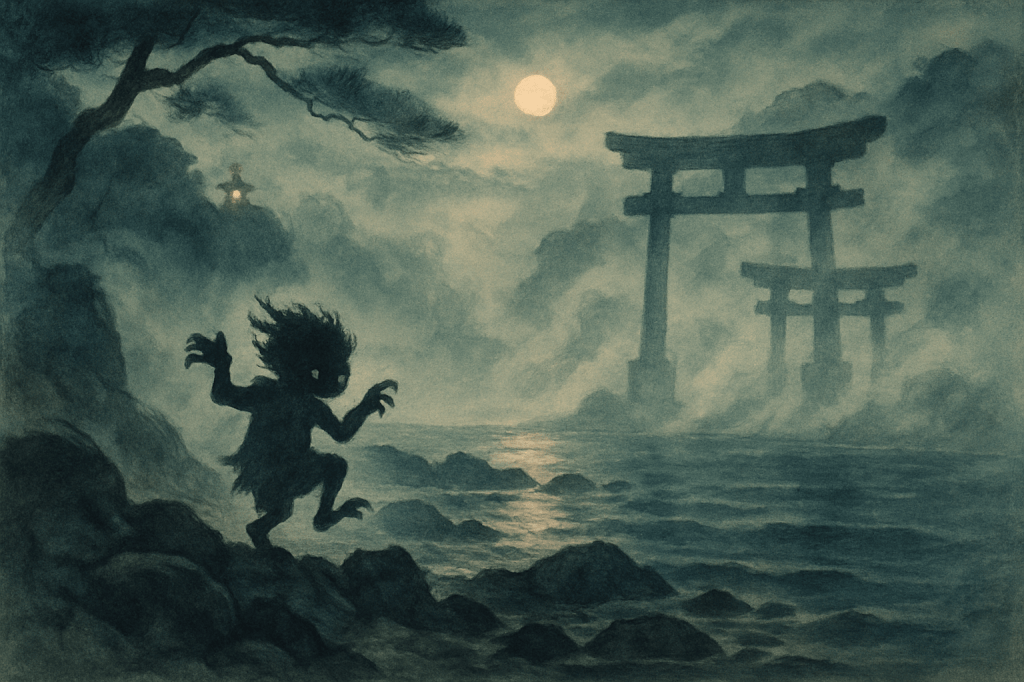
Hachinohe in Aomori Prefecture is a captivating destination where folklore, scenic coastlines, and culinary delights converge. This guide will take you through the intriguing legend of Medotsu, the breathtaking Tanesashi Coast, and the region’s renowned local specialties.
The Legend of Medotsu: Aomori’s Unique Water Spirit
FACT: Origins of the Medotsu Legend
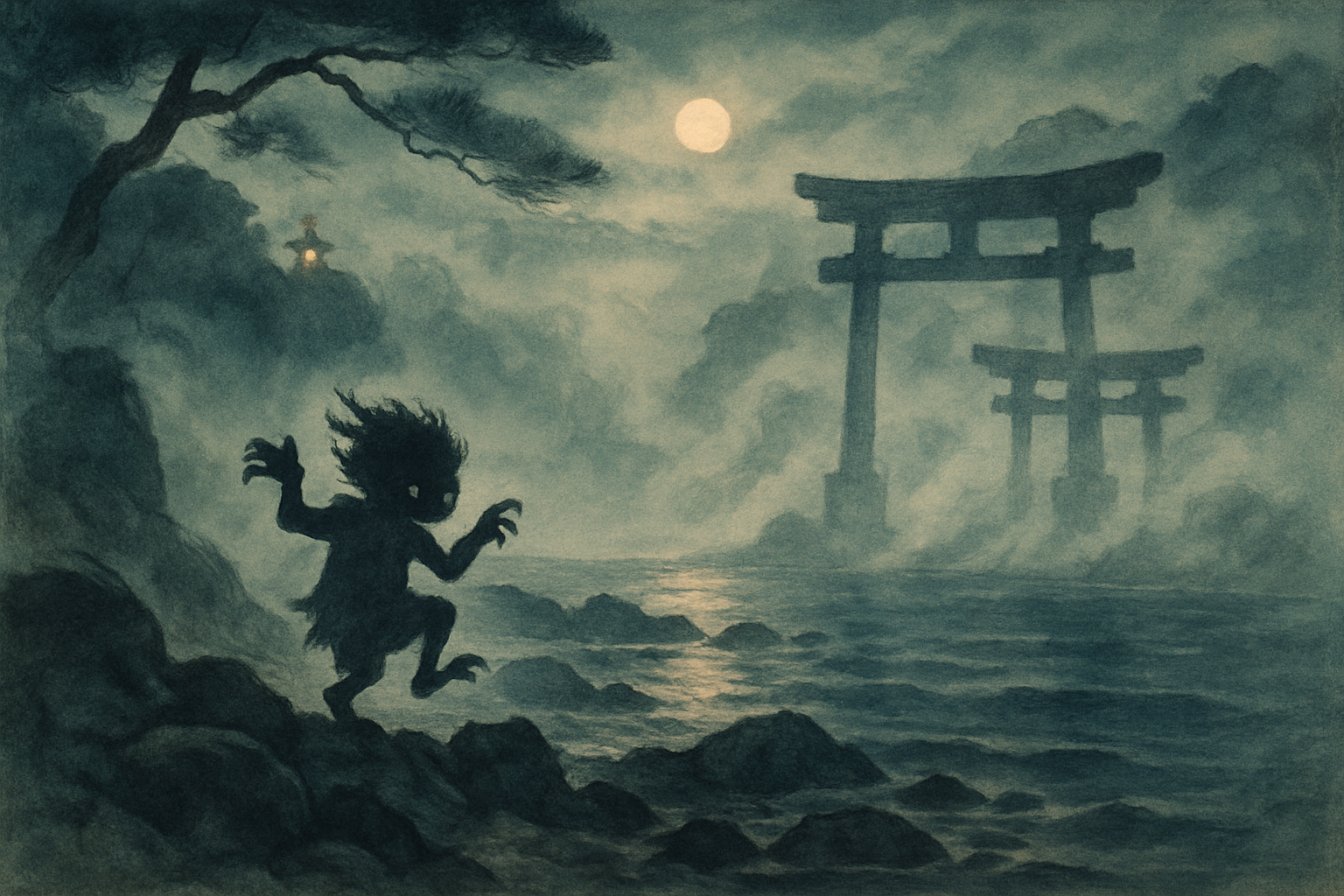
The Medotsu, also known as Medochi, is a dialect name for the kappa, a water spirit in the Tsugaru region of Aomori Prefecture. This name derives from the ancient water-spirit term mizuchi, highlighting its deep-rooted presence in local folklore. The legend is particularly prominent in Hachinohe City, specifically in Shirinai-cho, where it has left a lasting mark on the local culture.
LEGEND: The Medotsu’s Mystical Transformations
According to legend, the Medotsu is depicted as a small black child with a monkey-like face. It is said to have the ability to transform into a young girl, luring unsuspecting victims into the water to drown them. This fearsome reputation has led to the erection of warning signs in the area, cautioning locals and visitors alike about the dangers of the Medotsu.
Scenic Wonders Along the Tanesashi Coast
FACT: Natural Beauty of Tanesashi Coast
The Tanesashi Coast, located in southern Hachinohe, is a nationally designated Place of Scenic Beauty. It features a diverse landscape of grassy meadows, sandy beaches, and rocky shores, forming part of the Sanriku Fukko National Park. This coastal area is a must-visit for nature enthusiasts and those seeking tranquility by the sea.
Historic Landmarks: Utou Shrine and Local Culture
FACT: Utou Shrine’s Cultural Significance
Utou Shrine in Aomori City is a historic site tied to the former fishing village of Uto, which is the origin of the city name ‘Aomori’. Visitors to the shrine can engage with its cultural heritage and feed koi, adding a unique experience to their visit.
The Mystery of Shingō Village
LEGEND: The Tale of Jesus in Shingō
Shingō village in Aomori Prefecture is home to a fascinating legend that claims Jesus Christ escaped crucifixion and spent his final years in this small village. According to local lore, his tomb resides here, adding an intriguing layer to Aomori’s cultural tapestry.
Savoring Hachinohe Maeoki Silver Mackerel
FACT: Aomori’s Renowned Mackerel Specialty
Hachinohe Maeoki Silver (Blue) Mackerel is a celebrated local specialty, particularly the toro zuke-don, which has garnered national awards. This dish is highly regarded for its fresh, flavorful taste and is a must-try for visitors to the region.

Regional guide
- Hachinohe Maeoki (silver) mackerel toro zuke-don — source
- Utou Shrine (historic shrine in Aomori City) — source
- Tanesashi Coast — source
- Shingō (village of the ‘Jesus in Japan’ legend) — source


Leave a comment